

A team of researchers at the University of California San Diego (UCSD) has successfully engineered a sophisticated humidity-based image encoder that represents a significant leap in the field of optical security and environmental sensing. The device, roughly the size of a postage stamp, utilizes advanced material science to store hidden messages or complex imagery that remain invisible to the naked eye until environmental conditions reach a specific threshold. Specifically, when ambient humidity levels surpass 60 percent, the chip reveals its stored data, which can then be concealed once more by reducing the moisture in the surrounding air. This breakthrough, documented in the journal Light: Science & Applications, offers a glimpse into a future where physical objects can interact dynamically with their environment to reveal secure information.
Technical Architecture and Material Composition
The functionality of the UCSD encoder is rooted in a sophisticated two-layer architecture that leverages the unique properties of phase-change materials and stimuli-responsive polymers. At the base of the device lies a layer of antimony trisulfide (Sb2S3), a semiconductor material known for its high refractive index and phase-changing capabilities. In this application, the antimony trisulfide acts as a permanent "optical canvas." Using high-precision lasers, researchers can etch intricate designs, text, or logos into this layer. These etchings are not immediately visible under standard conditions because of the way the material interacts with light when paired with the secondary layer.
The top layer is composed of a specialized hydrogel known as azido-grafted carboxymethyl cellulose (CMC). Hydrogels are a class of materials capable of holding large amounts of water within their molecular structure. The specific formulation used by the UCSD team is highly sensitive to atmospheric moisture. In dry environments, the hydrogel remains in a shrunken, compact state. However, as the humidity in the air increases, the hydrogel absorbs water molecules, causing the layer to swell and expand.
This physical expansion is the "key" that unlocks the hidden data. As the hydrogel swells, it changes the optical path of light reflecting off the antimony trisulfide base. The transition is not merely binary; it is a progressive revelation governed by the laws of thin-film interference. When the top layer expands, the increased distance between the layers alters the wavelengths of light that are reflected back to the viewer, creating a vivid color shift and bringing the laser-etched image into sharp focus.
Experimental Results and Visual Dynamics
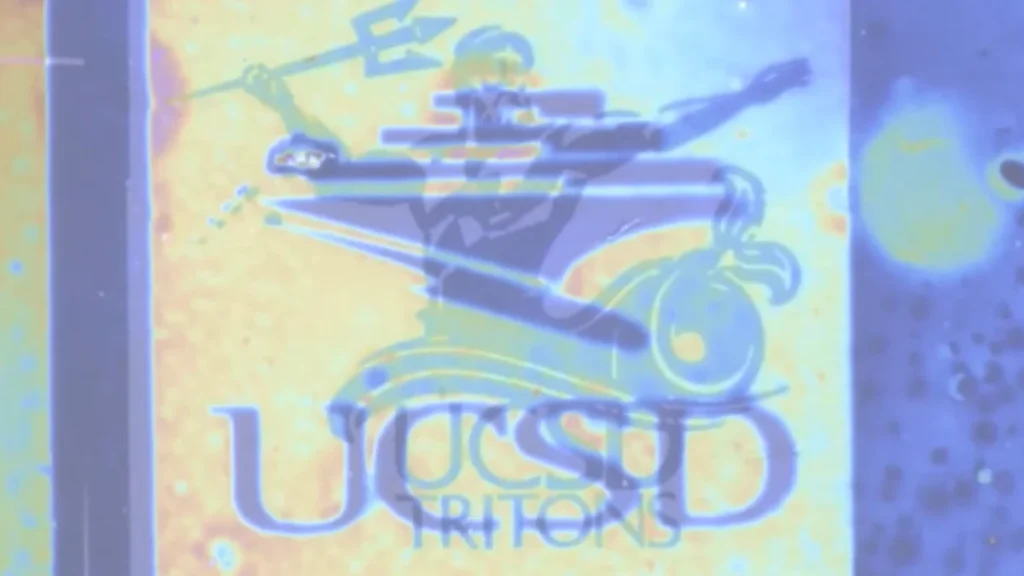
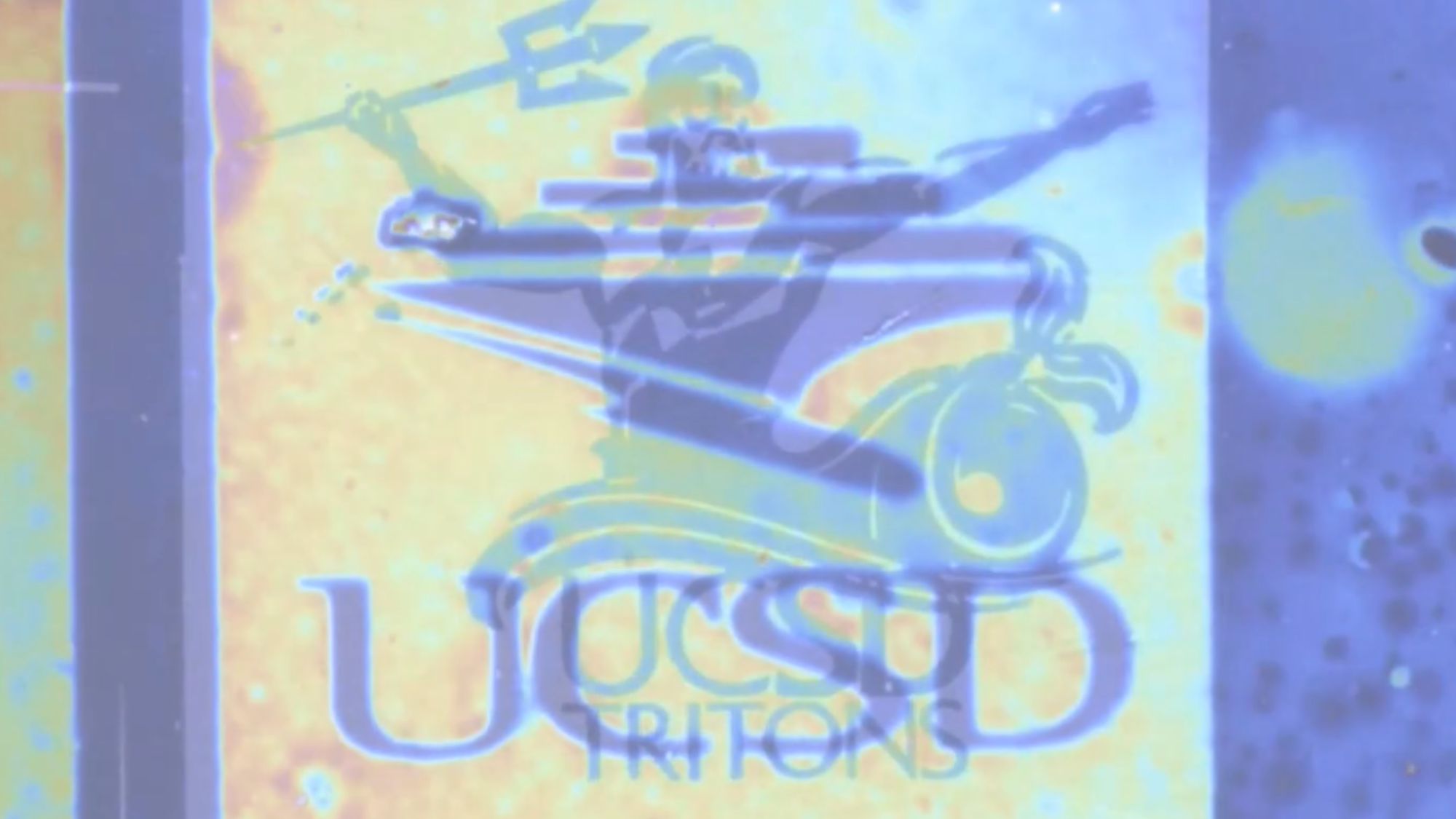
In laboratory demonstrations conducted at UCSD’s NDAO Lab, the team showcased the device’s ability to transition between multiple states of visibility based on precise humidity increments. The researchers utilized the university’s own iconography to demonstrate the complexity of the encoding.
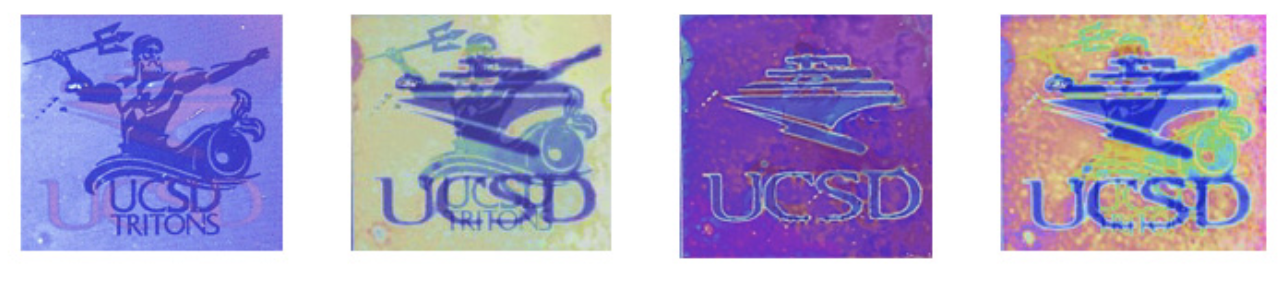
At a baseline humidity level of approximately 40 percent or lower, the chip appears largely blank or displays a faint, initial blue image—in this case, the UCSD Triton logo. As the humidity is artificially increased to 60 percent, the Triton logo begins to fade, and a second, previously invisible image—the UCSD Geisel Library logo—starts to emerge and overlap the first. By the time humidity reaches 80 percent, the library logo becomes the dominant visual element, appearing in a bright, high-contrast hue.
The transition is accompanied by a dramatic color shift. The researchers observed that the reflected light moves across the visible spectrum from blue to red as the hydrogel expands. This phenomenon occurs because the swelling hydrogel increases the "optical thickness" of the device, which dictates which specific colors of light interfere constructively and are thus visible to the human eye. This color-changing property adds an additional layer of security, as any attempt to forge the device would require replicating the exact chemical response and refractive properties of the proprietary hydrogel.
Chronology of Development and Academic Context
The development of the humidity-activated encoder is the culmination of several years of research into responsive nanophotonics at the UC San Diego Jacobs School of Engineering. The project was led by members of the NDAO Lab, who have long focused on how light interacts with matter at the nanoscale to create functional optical devices.
The research journey began with the selection of antimony trisulfide. While many phase-change materials require heat or electrical pulses to transition between states, the UCSD team sought a way to trigger optical changes using passive environmental cues. The integration of azido-grafted carboxymethyl cellulose represented a breakthrough in 2024, as the team identified the material’s ability to undergo significant volume changes without losing structural integrity over repeated cycles of hydration and dehydration.

Following the successful synthesis of the dual-layer chip, the team spent months calibrating the laser-etching process to ensure that images would remain stable and clear across hundreds of uses. The final results were peer-reviewed and published in Light: Science & Applications in early 2026, marking a significant milestone for the application of hydrogels in the field of cryptography and data storage.
Official Responses and Research Implications
The potential applications for this technology extend far beyond the realm of espionage. Asad Nauman, a postdoctoral researcher in electrical and computer engineering at UC San Diego and a co-author of the study, emphasized the device’s utility as a security feature. "You can imagine using this as a built-in security feature with the environment acting like a key that unlocks different pieces of information," Nauman stated.
The researchers suggest that the encoder could be integrated into the manufacturing of credit cards, passports, or high-value currency. In these scenarios, a user could verify the authenticity of a document simply by breathing on it—a process that temporarily spikes the local humidity above the 60 percent threshold required to reveal a hidden security code or holographic mark.
Beyond security, the device serves as a highly accurate, power-free environmental sensor. Because the visual change is tied directly to moisture levels, the chip could be deployed in agricultural settings or industrial warehouses to provide a quick visual indicator of humidity fluctuations. If a specific area becomes too damp, the color shift and image reveal would provide an immediate warning to personnel without the need for electronic sensors or battery power.
Broader Impact and Future Outlook
The introduction of the UCSD humidity encoder arrives at a time when the global market for anti-counterfeiting technology is expanding rapidly. Traditional security measures, such as standard holograms or UV-reactive inks, have become increasingly susceptible to sophisticated forgery. The UCSD device offers a "dynamic" security layer that is significantly harder to replicate because it relies on the mechanical and chemical properties of specialized polymers rather than just visual printing.
Furthermore, the technology aligns with the growing trend of "smart packaging" in the pharmaceutical and food industries. For instance, a humidity-sensitive chip could be placed on a medication bottle to indicate if the product has been exposed to excessive moisture, which might compromise its efficacy. The visual nature of the feedback makes it accessible to consumers without the need for specialized scanning equipment.
However, the technology is not without its challenges. The researchers acknowledge that the device’s reliance on ambient conditions means its performance is dictated by the climate in which it is used. In naturally tropical or high-humidity environments, the "hidden" message might remain permanently visible unless the chip is calibrated to a higher threshold. Conversely, in extremely arid climates, a user might need to provide significant moisture—such as through a concentrated breath or a specialized humidifying tool—to trigger the reveal.
Moving forward, the UCSD team aims to refine the durability of the hydrogel layer to ensure it can withstand thousands of cycles in diverse weather conditions. There is also ongoing research into expanding the "trigger" mechanisms. Future iterations of the chip might respond to different stimuli, such as specific gases, temperature changes, or light frequencies, further expanding the library of "environmental keys" available for data protection.
As the boundaries between material science and information technology continue to blur, the UCSD humidity-based image encoder stands as a testament to the power of passive, responsive systems. By turning the very air around us into a tool for data retrieval, these engineers have created a bridge between the physical and digital worlds that is as functional as it is innovative. The postage stamp-sized device may be small, but its implications for the future of secure communication and environmental awareness are vast.