



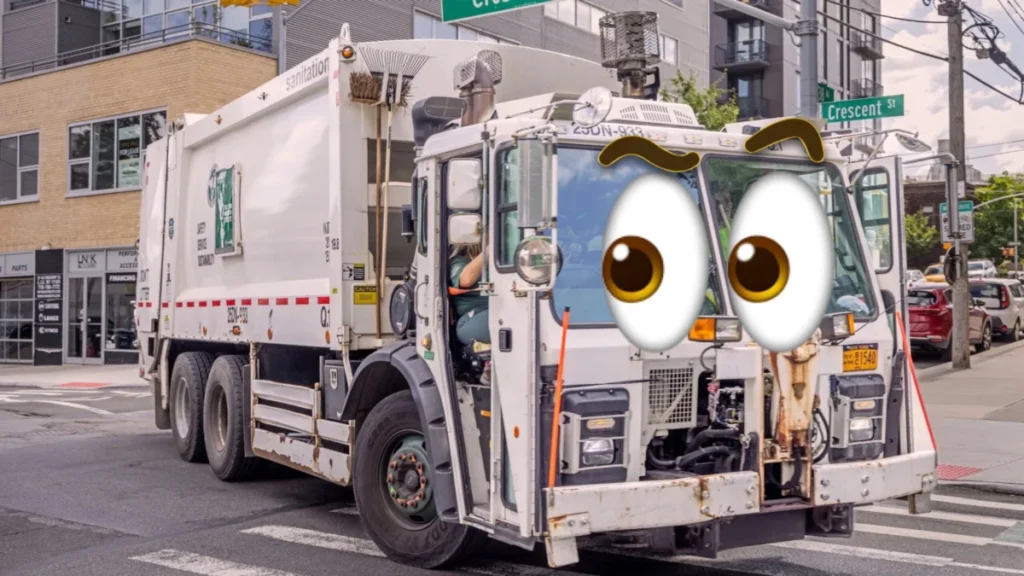
Municipal waste management fleets across the United States are quietly undergoing a high-tech transformation, evolving from traditional public sanitation services into mobile code-enforcement infrastructure. In at least four states—California, Georgia, South Carolina, and Texas—city-run garbage trucks are now outfitted with specialized artificial intelligence cameras developed by Tuscaloosa, Alabama-based startup City Detect. As these municipal vehicles traverse their ordinary routes collecting refuse, the mounted optical systems capture continuous photographic data of residential frontages, assessing everything from overgrown lawns and street-side litter to structural blight such as deteriorating roofs.
This technological integration represents a significant escalation in the scope of smart-city automation. While municipal governments have historically relied upon reactive processes—such as 311 complaints phoned in by residents or sporadic visual surveys by overworked code enforcement officers—the deployment of automated optical recognition systems introduces a continuous, algorithmic layer of oversight. As urban centers nationwide grapple with strained municipal budgets and burgeoning populations, private technology firms are positioning artificial intelligence as an operational panacea designed to maximize efficiency. However, the intersection of municipal governance and automated surveillance has simultaneously ignited a fierce national debate regarding privacy rights, socio-economic equity, and the broader societal implications of delegating civil oversight to opaque algorithms.
The Mechanics of PASS AI and Municipal Integration
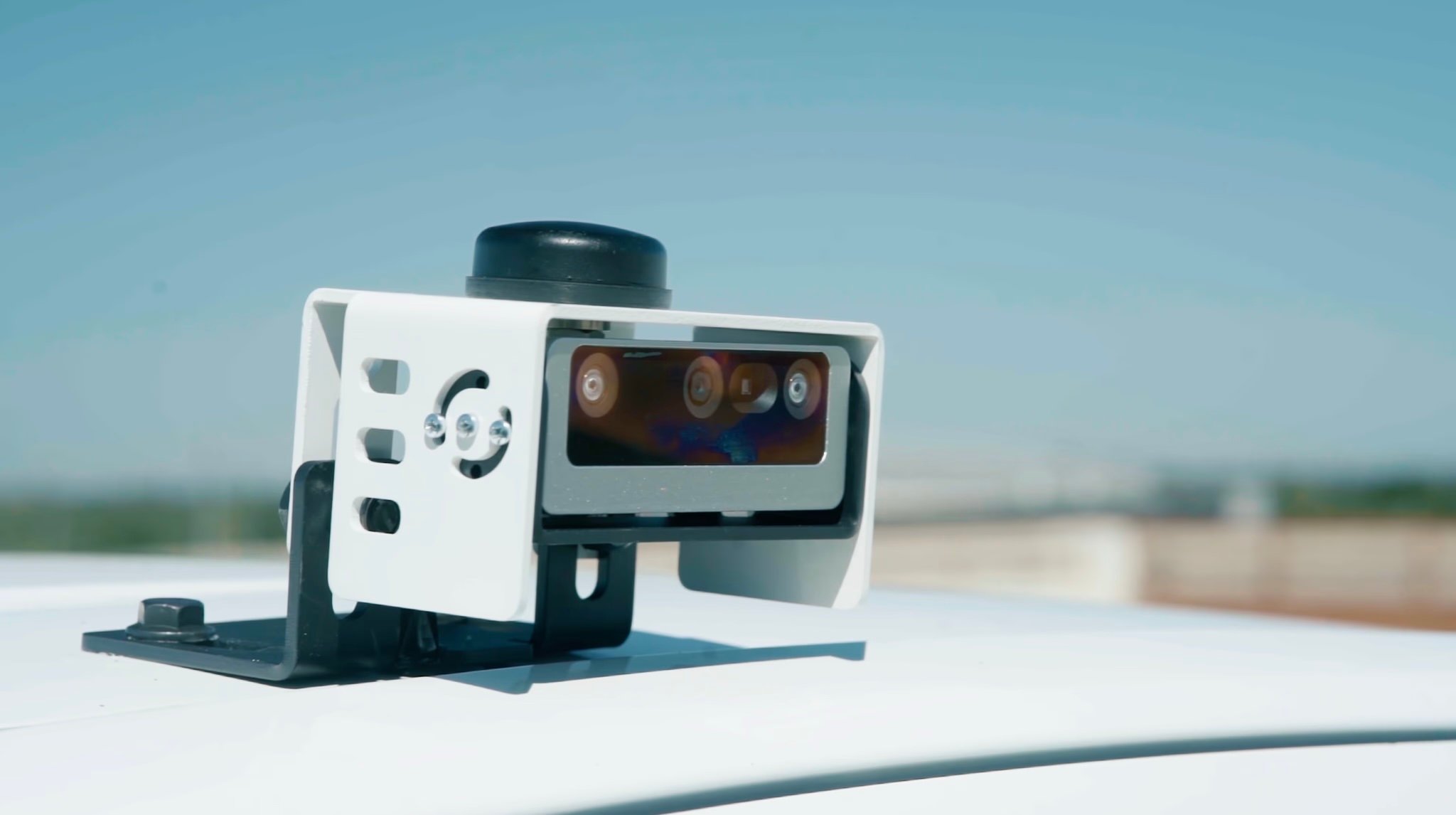
Founded in 2021, City Detect engineered its proprietary software platform, known as PASS AI, to operate passively on existing municipal infrastructure. Rather than commissioning dedicated fleets of surveillance vehicles, the company leverages existing municipal assets—primarily garbage trucks, which systematically visit nearly every residential street on a predictable weekly schedule. Two high-resolution cameras are mounted onto the exterior of the sanitation vehicle, oriented outward to capture properties on both sides of the roadway simultaneously.
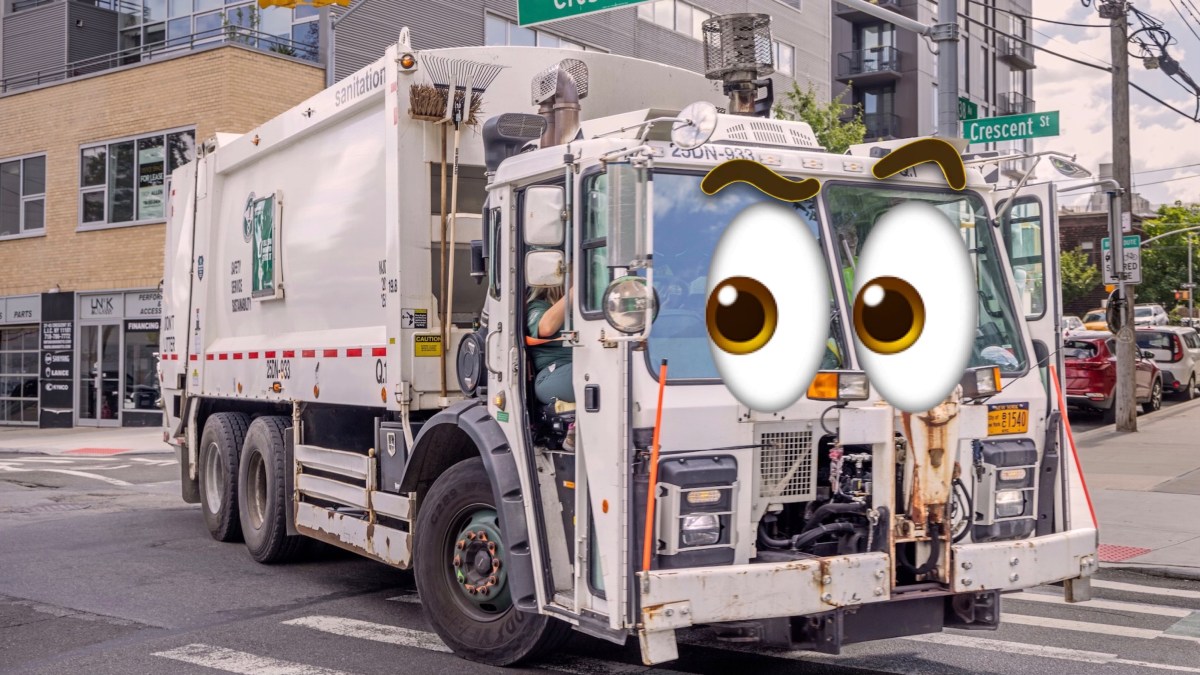
As the truck executes its primary municipal duty, the cameras capture continuous photographic logs of private residential yards and exteriors. The PASS AI software then ingests these images, analyzing them against predetermined parameters of municipal code compliance. The system automatically screens for visual markers such as tall grass, accumulation of organic yard debris, scattered litter, graffiti, and severe structural degradation.
Upon identifying a potential infraction, the software assigns the property a standardized numerical designation known as a Blight Score, ranging on a scale from one to four depending on the severity of the perceived violation. Initial data reveals that standard infractions such as elevated grass height, localized debris, or stray tree branches typically register at a level two. Once the algorithmic classification is complete, the data is funneled to a human municipal code reviewer. City officials retain the authority to examine the flagged imagery, verify the accuracy of the algorithm, and ultimately decide whether to issue a formal courtesy notice or financial citation to the homeowner.
Proponents of the technology argue that this workflow drastically reduces the administrative burdens traditionally borne by local government agencies. By automating the detection process, cities can supposedly shift their code enforcement divisions from a reactive stance—where inspectors merely respond to neighborhood disputes and subjective complaints—to a proactive, data-driven methodology that systematically covers entire municipalities.
Chronology and Regional Adoption
The deployment of automated blight-detection systems has expanded rapidly since City Detect began scaling its commercial operations. The timeline of implementation highlights a swift transition from initial pilot phases to widespread municipal integration across several major American metropolitan areas:
- 2021: City Detect is officially founded in Tuscaloosa, Alabama, with the objective of modernizing municipal code enforcement through computer vision and machine learning.
- 2024: Various municipal authorities begin exploring automated visual monitoring tools. Major cities like Los Angeles and Austin initiate automated camera programs for bus lanes and school safety zones, establishing a regulatory precedent for optical enforcement.
- April 2025 (Approximate): The City of Dallas, Texas, initiates a formal pilot program testing City Detect’s camera systems on local sanitation vehicles.
- August 2025: Public backlash peaks in Huntsville, Alabama, leading local officials to temporarily shelve a proposed municipal contract with City Detect following intense community concern over privacy and socio-economic impacts.
- Late 2025 to Early 2026: Public records requests and local investigative reporting—notably by NBC 5 in Dallas—bring the scope of the Dallas pilot program to light, revealing that over 21,000 potential code violations have been flagged across the city.
- September 2026: Dallas City Council member Chad West introduces a budget amendment aimed at defunding the camera program, citing privacy concerns and potential burdens on low-income residents, though the amendment is subsequently withdrawn as discussions continue. Concurrently, national resistance to automated surveillance infrastructure reaches a high watermark, with advocacy groups reporting record terminations of automated license plate reader contracts nationwide.
Socio-Economic Disparities and the "Blight Score" Controversy
While municipal leaders frequently praise the cost-effectiveness and efficiency of automated enforcement technologies, critics and civil liberties advocates have raised profound ethical questions regarding who bears the brunt of algorithmic oversight. The fundamental concern centers on the unequal distribution of citations and the potential exacerbation of systemic economic inequalities within urban centers.
An investigative analysis conducted by NBC 5 utilizing public records from the Dallas pilot program mapped the geographic distribution of the more than 21,000 flagged properties. The resulting heat maps demonstrated that algorithmic detections were heavily concentrated in lower-income neighborhoods. Urban sociologists and housing advocates point out that residents in economically disadvantaged areas often lack the disposable income, physical health, or available free time required to maintain meticulous landscaping, perform immediate structural repairs, or remediate minor aesthetic code violations such as peeling exterior paint or temporary lawn clutter.
For these populations, an automated "courtesy notice" carrying the implicit threat of substantial municipal fines can transform into an acute financial burden. Community members interviewed by local journalists have expressed deep frustration, characterizing the technology not as a public service improvement, but as an aggressive mechanism of displacement or gentrification.
Political resistance to these programs has occasionally yielded immediate policy concessions. In Huntsville, Alabama, a planned rollout of City Detect cameras was abruptly halted following intense public uproar. Similarly, municipal lawmakers in other jurisdictions have begun scrutinizing the secondary effects of automated tools. In Dallas, Councilmember Chad West publicly articulated these worries, stating his opposition to the unintentional strain placed on vulnerable constituents while acknowledging the delicate balance between technological modernization and civic empathy.

Corporate Defenses and Privacy Safeguards
In response to mounting public scrutiny, City Detect and client municipalities have emphasized that the technology incorporates several structural safeguards designed to protect personal privacy and prevent systemic abuse.
According to corporate documentation and policy statements, the PASS AI software is programmed to automatically obscure sensitive personal data before images are reviewed or archived. Faces of pedestrians, children, and vehicle license plates captured within the camera’s field of view are subjected to algorithmic blurring. Furthermore, the company explicitly maintains that its software does not interface with external law enforcement registries, criminal databases, or federal surveillance networks, functioning strictly as an internal administrative tool for civil municipal code compliance.
Crucially, corporate representatives and municipal officials stress that the AI system operates independently of citation quotas. Unlike historical automated traffic enforcement systems—which have occasionally faced public backlash for generating municipal revenue through aggressive ticketing schemes—City Detect’s business model does not compensate the company on a per-citation basis. The algorithm merely categorizes and maps visual data, leaving the final enforcement decision entirely to municipal employees.
Despite these assurances, privacy advocates remain skeptical. The accumulation of granular visual data regarding private residential exteriors—collected continuously and cataloged in municipal databases—represents an unprecedented expansion of state visibility into private domestic spaces. Even with automated blurring, the persistent imaging of private homes establishes a digital footprint of residential conditions that critics argue infringes upon reasonable expectations of privacy.
The Broader Landscape of Smart-City Resistance
The controversy surrounding camera-equipped garbage trucks does not exist in a vacuum. It is part of a broader, increasingly contentious national dialogue regarding the rapid proliferation of automated municipal enforcement and smart-city infrastructure. Across the United States, cities have increasingly turned to optical automation to manage public spaces. Albuquerque, New Mexico, deployed solar-powered "SafetySticks" to automatically ticket drivers blocking bike and pedestrian lanes; Los Angeles and Austin integrated automated cameras onto public transit fleets to enforce bus-only lane compliance and school bus safety regulations.
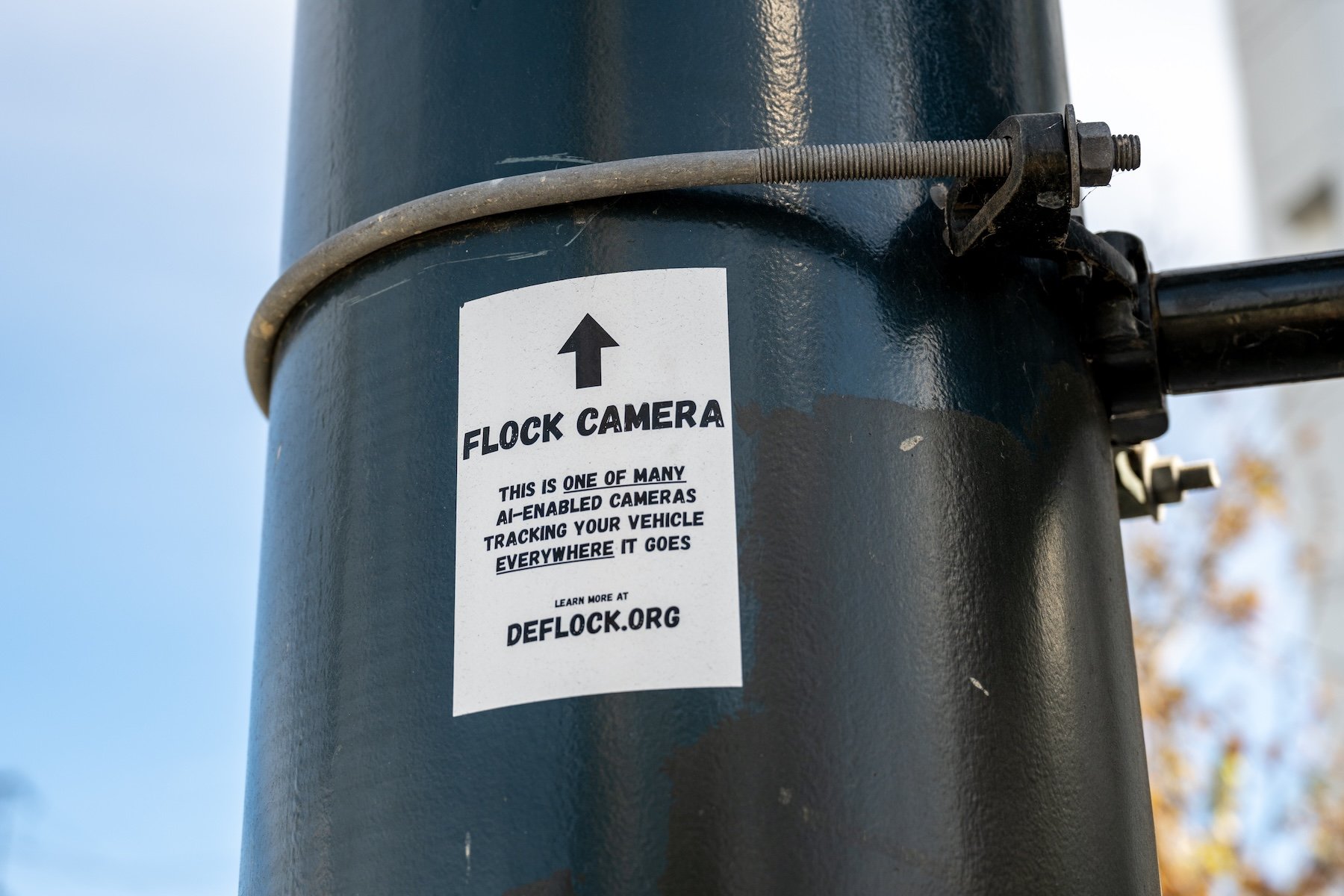
However, this wave of technological adoption has encountered a powerful counter-movement driven by grassroots privacy advocacy and public disillusionment. Organizations such as Secure Justice have documented a massive retreat from automated surveillance technologies. Public resistance to Automated License Plate Readers (ALPRs)—such as those manufactured by Flock Safety—has resulted in hundreds of municipalities terminating their contracts following revelations regarding data sharing with law enforcement and immigration authorities. In August alone, dozens of local governments across the United States severed ties with surveillance technology vendors.
This shifting public sentiment is further reflected in broader demographic polling. Recent data from organizations like the Pew Research Center indicates that public skepticism toward artificial intelligence is deepening, with a significant plurality of American adults expressing the view that AI’s societal impact leans more negative than positive. Moratoriums on AI data centers and municipal pushbacks against algorithmic governance signal that communities are increasingly demanding greater transparency, democratic accountability, and strict regulatory limits on how technology is deployed in the public sphere.
As municipalities weigh the operational benefits of AI-driven efficiency against the preservation of civil liberties, the garbage truck code inspector serves as a stark symbol of modern urban governance. Whether these automated sentinels become a permanent fixture of American civic life or are rebuffed by a populace wary of perpetual digital oversight will depend heavily on the ongoing negotiations between urban planners, elected officials, and citizens demanding the right to privacy within their own neighborhoods.