


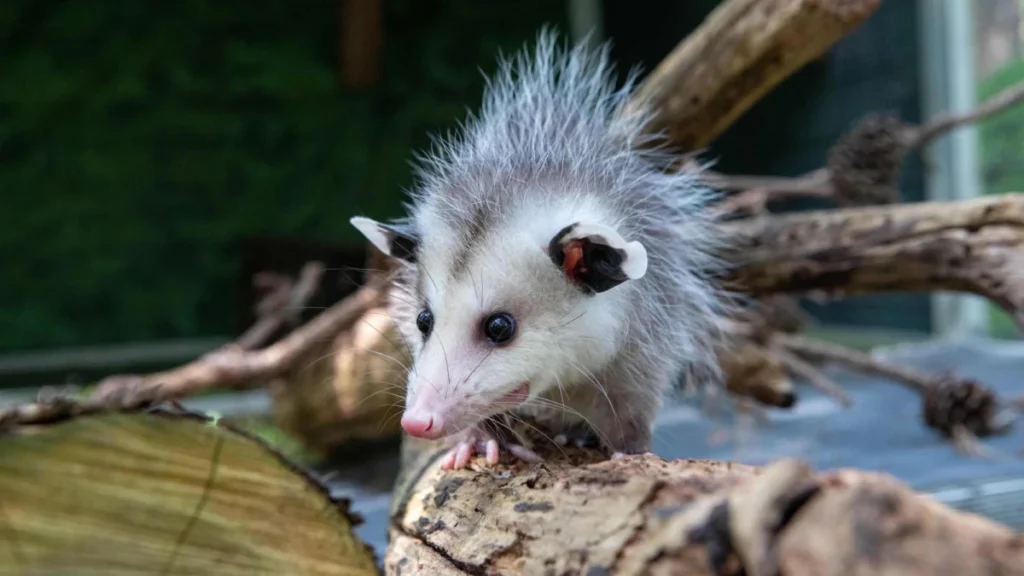
The arrival of spring in the Northern Hemisphere marks a period of intense biological activity, characterized by the emergence of flora and the birth of a new generation of wildlife. While the sight of fledgling birds and juvenile squirrels is a common indicator of the season, encounters with the Virginia opossum (Didelphis virginiana) present a unique set of challenges for homeowners and wildlife enthusiasts. As North America’s only native marsupial, the opossum operates under a biological framework significantly different from the placental mammals more familiar to the public. Understanding the nuances of their maternal instincts, developmental stages, and ecological importance is critical for ensuring the survival of orphaned young and maintaining the balance of local ecosystems.
The Biological Reality of Opossum Maternal Instincts
In the hierarchy of maternal devotion in the animal kingdom, the Virginia opossum occupies a position that many wildlife experts describe as pragmatically detached. Unlike raccoons or squirrels, which exhibit strong "retrieval" behaviors—actively searching for and reclaiming young that have fallen from a nest or den—the opossum mother typically continues her nocturnal foraging regardless of whether her offspring have remained attached.
Priya Patel, a wildlife veterinarian at the New England Wildlife Center in Massachusetts, notes that the concept of "reuniting" a lost baby opossum with its mother is often a biological impossibility. The fundamental reason for this is the mother’s lack of a searching reflex. Opossum mothers do not count their young, nor do they possess a sophisticated vocal or olfactory homing mechanism to locate a joey once it has been separated from her body. If a juvenile falls off while the mother is moving through underbrush or climbing structures, she simply keeps moving. Consequently, once a baby opossum is found alone, it is almost certainly an orphan in need of professional intervention, provided it has not yet reached the age of independence.
Chronology of Development: From Pouch to Independence
To determine whether an opossum requires human assistance, one must understand the rapid and distinct stages of their development. The life cycle of the Virginia opossum is one of the most accelerated among mammals, a strategy that allows them to survive in environments with high predation rates.
The Neonatal Phase
Opossums are born in an almost embryonic state after a gestation period of only 11 to 13 days. At birth, they are roughly the size of a honeybee, weighing between 0.13 and 0.16 grams. Despite their underdeveloped state, these neonates must crawl from the birth canal into the mother’s pouch (the marsupium). Once inside, they attach to one of the mother’s 13 nipples. This attachment is not merely a latch; the nipple expands within the neonate’s mouth, essentially "locking" the baby in place for approximately 55 to 60 days. During this period, the young are entirely dependent on the mother’s internal environment for warmth and nutrition.
The Transition and Weaning Phase
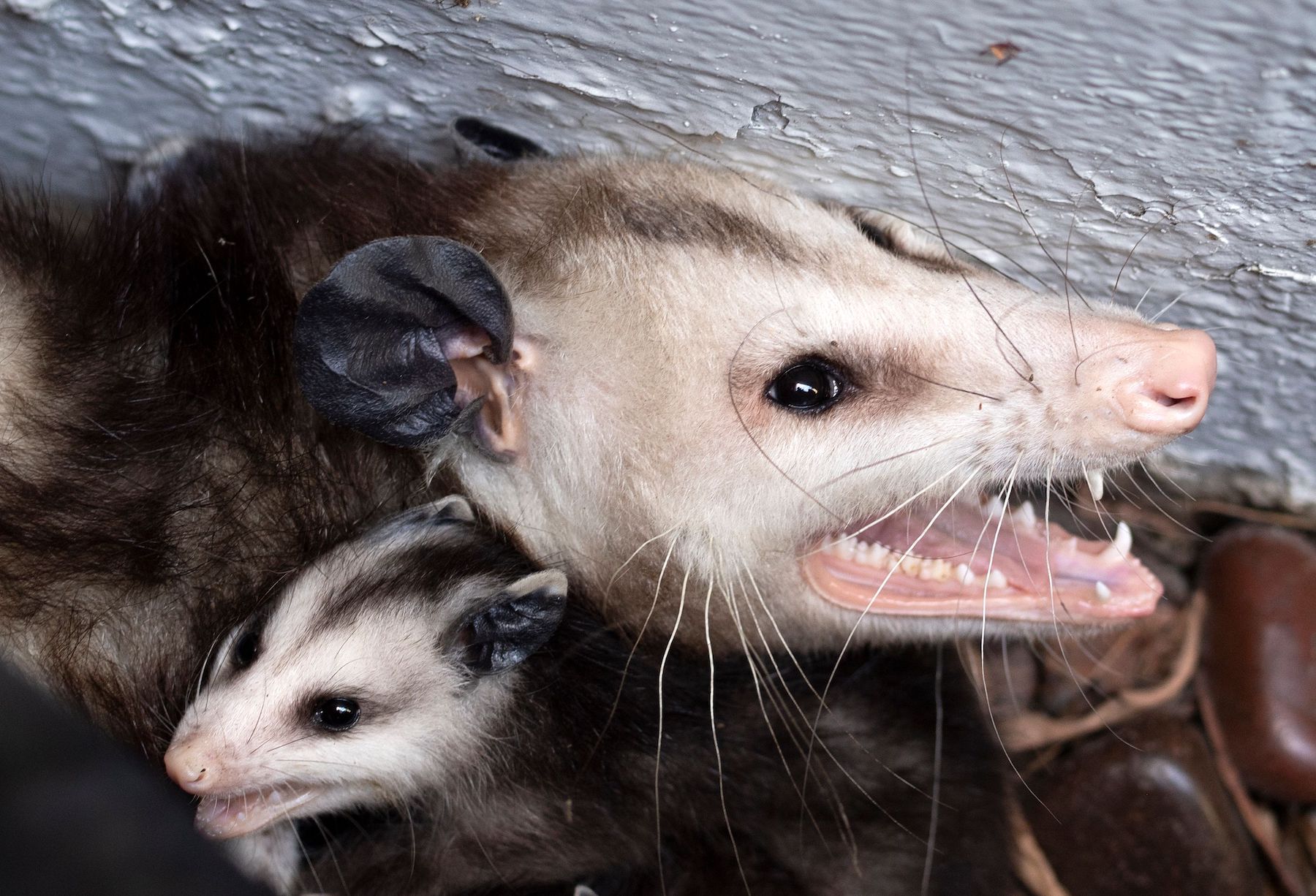
At approximately two months of age, the young begin to emerge from the pouch. This is the stage where human-wildlife encounters become most frequent. As the joeys grow too large for the pouch, they transition to riding on the mother’s back, clinging to her fur with their paws and prehensile tails.
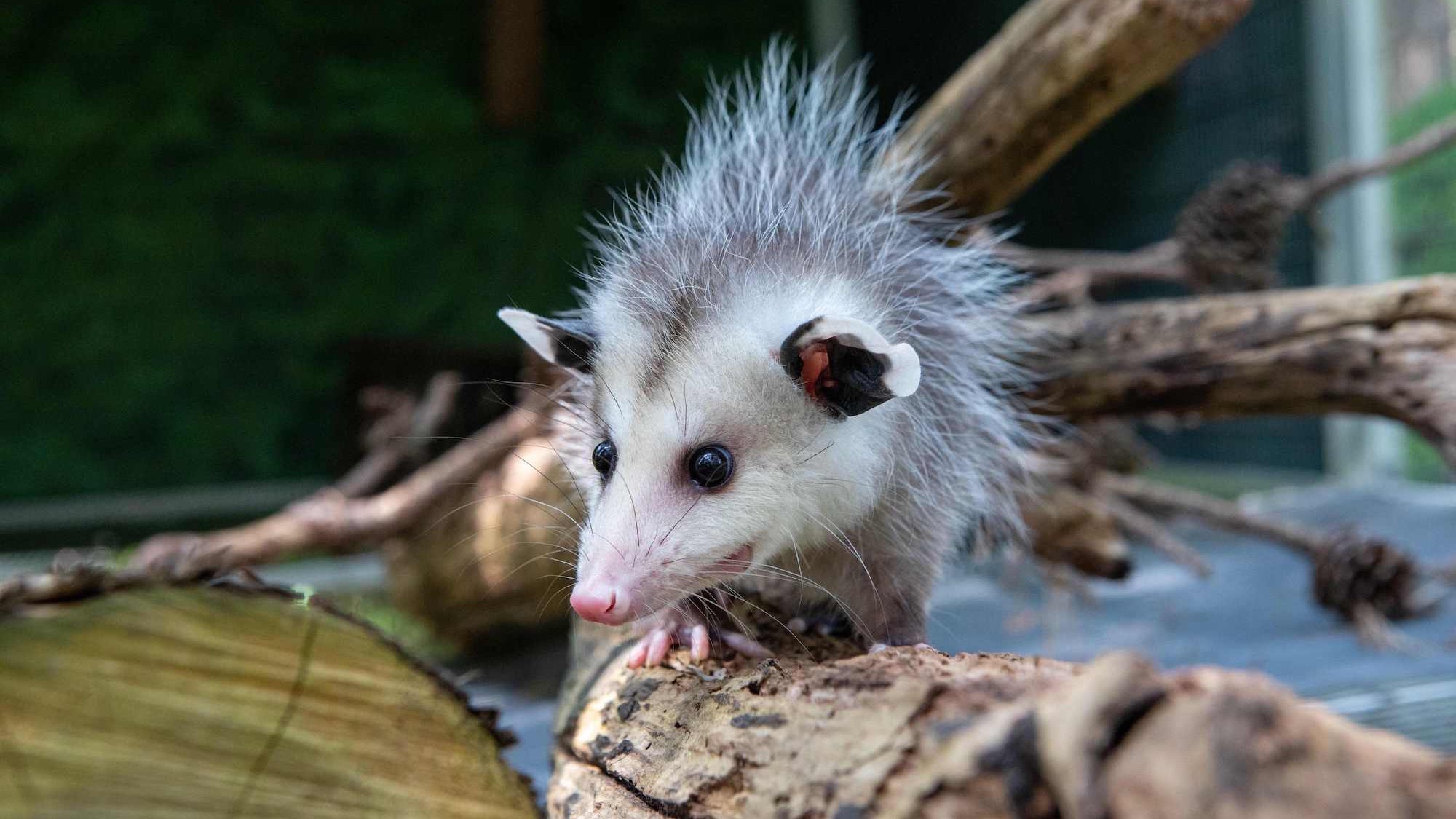
"This is the most common period we have people calling us about baby possums," Patel explains. "They are starting the weaning phase and starting to explore, but they fall off of her and she doesn’t typically wait for them." During this phase, the young are learning to forage but lack the defensive skills or size to survive independently.
The Threshold of Independence
The critical metric for determining if an opossum is an "orphan" or simply a "juvenile" is its physical size. Wildlife rehabilitators use a general rule of thumb: if an opossum is at least 7 to 10 inches long (excluding the tail) and weighs more than 200 grams (roughly the weight of a large orange), it is considered old enough to be on its own. At this size, the animal has developed the necessary thermoregulation and foraging capabilities to survive without maternal support. If the animal is smaller than this threshold, it requires immediate care from a licensed facility.
Identifying Distress and the "Sneezing" Call
Opossums are generally quiet animals, which can make it difficult for an untrained observer to identify a joey in distress. Unlike the high-pitched chirps of a squirrel or the cries of a kitten, baby opossums emit a sound that mimics a soft, repetitive sneeze. This "sneezing" sound is the primary vocalization used by a joey to signal its presence.
While this sound is intended to alert the mother, it rarely results in her returning to pick up the lost young. Instead, it often serves as a beacon for predators or, fortunately, for helpful humans. If a person encounters a small opossum making this sound, it is a clear indication that the animal is separated and vulnerable.
Professional Protocol for Intervention
When an orphaned opossum is identified, the protocol for intervention is specific and must be followed strictly to avoid causing further harm to the animal.
- Do Not Feed: One of the most common mistakes made by well-meaning rescuers is attempting to feed the baby. Opossums have highly specific nutritional requirements, particularly regarding the ratio of calcium to phosphorus. Feeding them cow’s milk, cat food, or honey water can lead to severe gastrointestinal distress or Metabolic Bone Disease (MBD), a painful and often fatal condition where the body leaches calcium from the bones to maintain organ function.
- Maintain Warmth: Small joeys cannot regulate their own body temperature. The best immediate care is to place the animal in a small, secure box lined with a soft fleece or flannel cloth. A heating pad set to the lowest setting can be placed under half of the box, allowing the animal to move away from the heat if it becomes too warm.
- Contact Licensed Rehabilitators: Opossums require specialized care that only licensed wildlife rehabilitators or wildlife hospitals, such as the New England Wildlife Center or the Cape Wildlife Center, can provide. These facilities have the expertise to administer fluids, treat for parasites, and provide a diet that mimics the high-protein, high-calcium milk of a mother opossum.
Ecological Importance and Misconceptions
The urgency in saving orphaned opossums is rooted in their significant ecological value. Often unfairly maligned as "pests" or "vermin," opossums are, in fact, essential components of a healthy suburban and rural environment.
Nature’s Tick Vacuum
Research has shown that opossums are remarkably efficient at grooming. They are fastidious cleaners, and during the process of grooming themselves, they encounter and consume an extraordinary number of ticks. A single opossum can consume up to 5,000 ticks in a single season. By removing these parasites from the environment, opossums serve as a natural defense against the spread of Lyme disease and other tick-borne illnesses.
Resistance to Rabies
There is a common misconception that opossums are frequent carriers of rabies due to their tendency to hiss and "play dead" when threatened. However, opossums are actually very resistant to the rabies virus. Their internal body temperature is lower than that of most placental mammals, making it difficult for the virus to survive and replicate in their systems. While any mammal can theoretically contract rabies, it is exceedingly rare in the Virginia opossum.
Scavenging and Pest Control
As opportunistic omnivores, opossums act as a "cleanup crew" for the environment. They consume overripe fruit, carrion, and various garden pests, including snails, slugs, and cockroaches. Their presence in a neighborhood typically results in a decrease in the population of harmful insects and the removal of organic waste that might otherwise attract more problematic scavengers.
Broader Implications of Urban Wildlife Interaction
The frequency of orphaned opossums is increasing as urban sprawl continues to fragment wildlife habitats. As humans and opossums share more space, the likelihood of mothers being startled by pets, vehicles, or lawn equipment increases, leading to more frequent "drop-offs" of young joeys.
Public education plays a vital role in the conservation of this species. By understanding that a lone 10-inch opossum is a successful juvenile rather than a lost baby, the public can reduce the burden on overtaxed wildlife rehabilitation centers. Conversely, by recognizing the "sneezing" distress call of a truly orphaned joey, citizens can act as a vital link in the survival of an animal that provides immense public health benefits.
The work performed at centers like the Cape Wildlife Center in Barnstable, Massachusetts, involves more than just nursing animals back to health; it involves monitoring their development in outdoor enclosures to ensure they possess the foraging skills and predator-avoidance instincts necessary for a successful release. This scientific approach to rehabilitation ensures that the animals returned to the wild are not just survivors, but functional members of the ecosystem.
In conclusion, the Virginia opossum is a testament to evolutionary resilience, but its unique reproductive strategy leaves its young vulnerable during the spring transition. Through informed observation, restrained intervention, and support for wildlife professionals, human communities can coexist with these ancient marsupials, reaping the benefits of their presence while ensuring that the next generation of North America’s only marsupial continues to thrive.