

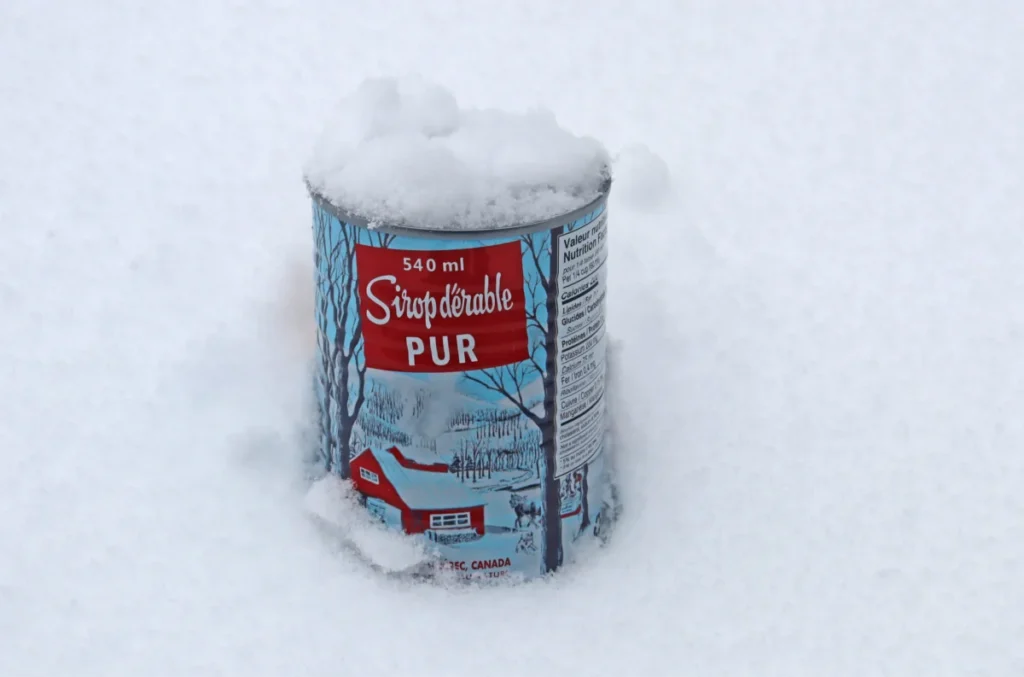
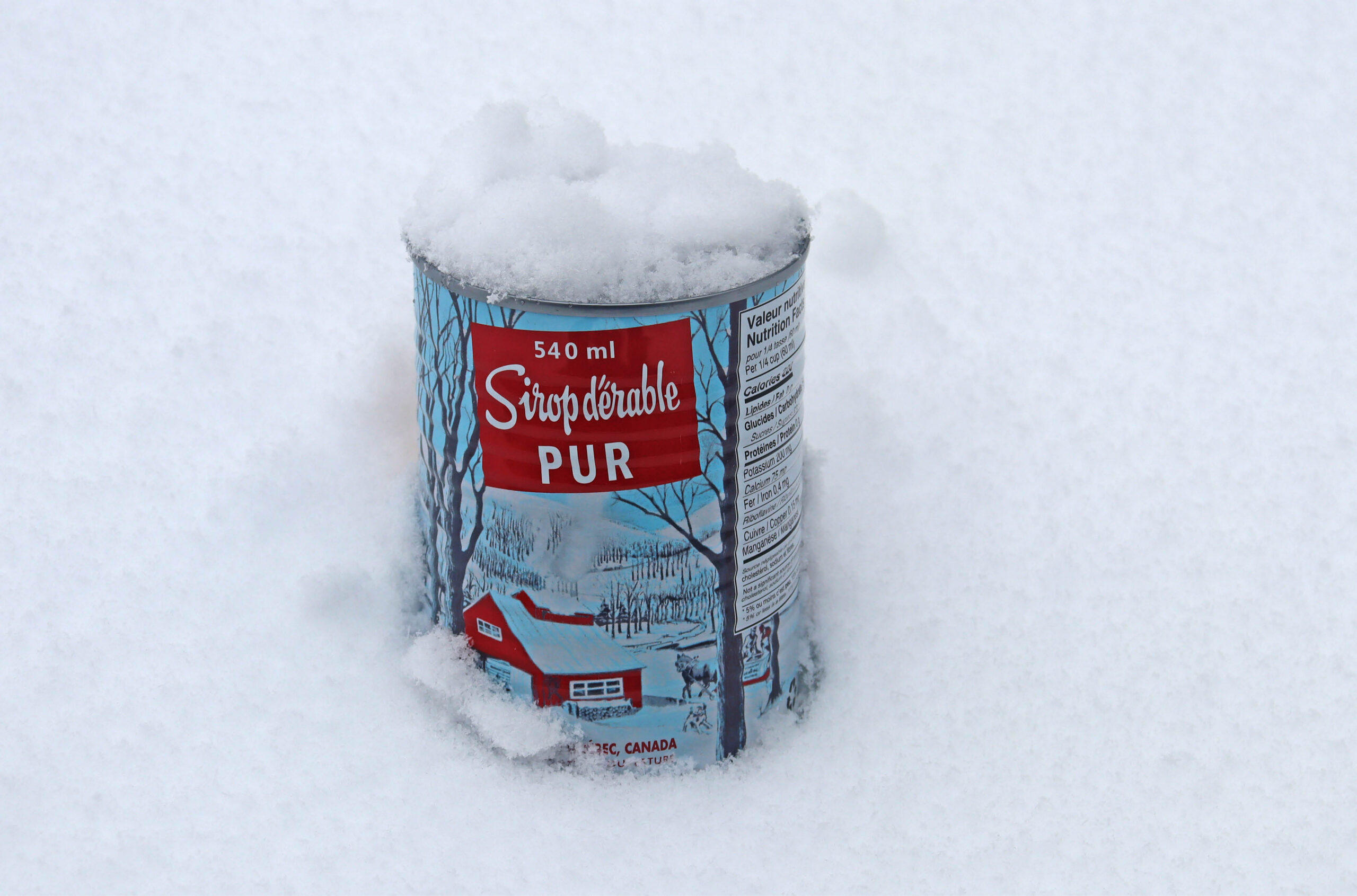
The adage that money doesn’t grow on trees often rings true, but for Canada, the precious liquid tapped from maple trees represents a significant economic and cultural asset. Maple syrup production is a vital industry, employing thousands of individuals and contributing nearly a billion dollars annually to Canada’s Gross Domestic Product (GDP). Despite its economic importance, there remains a notable gap in scientific data regarding the optimal methods for harvesting this iconic Canadian treat while simultaneously ensuring the long-term health and vitality of the forests from which it is derived. Recognizing this critical need, Université Laval took a significant step in October 2023 by establishing the Research Chair in Maple Syrup Production and Sugar Bush Management, a pioneering initiative undertaken in collaboration with the Producteurs et productrices acéricoles du Québec (PAPQ), the provincial organization representing Quebec’s maple syrup producers.
This strategic appointment and the creation of the research chair underscore a growing awareness that the expansion of Canada’s lucrative maple syrup industry cannot proceed in isolation. The appointed holder of this new chair, Dr. Guillaume Moreau, a respected researcher in forest ecology and management, brings a wealth of expertise to this burgeoning field. Dr. Moreau’s vision extends beyond mere syrup extraction; he emphasizes the imperative to integrate maple syrup production with the broader ecological health of the forest ecosystem. This holistic approach acknowledges the multifaceted value of these woodlands, which also serve crucial roles in recreation, tourism, and the traditional forestry industry. The establishment of this research chair signals a commitment to a more integrated and sustainable model for the future of maple syrup production in Canada.
The Genesis of a Collaborative Research Initiative
The decision to establish the Research Chair in Maple Syrup Production and Sugar Bush Management was not made in a vacuum. It represents a confluence of increasing economic pressures on the maple syrup sector, a growing scientific understanding of forest ecosystems, and a proactive approach by both academic institutions and industry stakeholders. For decades, maple syrup producers have relied on traditional knowledge and practices passed down through generations. While these methods have proven effective, the demands of a growing global market and the increasing awareness of environmental stewardship necessitate a more data-driven and scientifically informed approach.
The PAPQ, representing the vast majority of Quebec’s maple syrup producers – a province that accounts for over 90% of Canada’s total maple syrup output – has been a key partner in this endeavor. Quebec’s maple syrup industry is not merely an agricultural sector; it is deeply intertwined with the province’s cultural identity and rural economies. The economic impact is substantial, with the industry supporting a significant number of jobs and generating substantial revenue. However, the sustainability of this industry hinges on the health of the sugar maple trees and the broader forest environment. Concerns about climate change, forest pests, and the long-term viability of tapping practices have amplified the need for dedicated research.
The collaboration with Université Laval, a leading institution with strong programs in forestry and agricultural sciences, provides the academic rigor and research infrastructure necessary to address these complex challenges. The formal appointment of Dr. Moreau in October 2023 marked the official commencement of this ambitious research agenda. This timing also aligns with a period of increased global demand for natural and sustainable food products, placing Canadian maple syrup in a favorable market position, but also highlighting the need for responsible production practices to meet this demand without compromising ecological integrity.
Dr. Moreau’s Vision: Balancing Production with Preservation
Dr. Guillaume Moreau’s mandate as the Research Chair is clear: to bridge the gap between the economic realities of maple syrup production and the ecological imperatives of forest conservation. He articulates a vision where increased syrup yields do not come at the expense of forest health, biodiversity, or the needs of other forest users. This requires a nuanced understanding of the complex interactions within sugar bush ecosystems, from the physiological processes of maple trees to the intricate web of life that sustains them.
"There’s immense potential to expand maple syrup production in Canada," Dr. Moreau stated in a recent interview. "However, this expansion must be approached with a deep respect for the forest ecosystem and the diverse needs of all its stakeholders. This includes recreational users, tourism operators, and the conventional forestry industry. Our research will aim to harmonize these often-competing interests."
His approach is fundamentally collaborative. The research chair is designed to foster a synergistic relationship between various groups, including:
- Researchers: Drawing expertise from disciplines such as forestry, biology, ecology, soil science, and economics.
- Maple Syrup Producers: Incorporating the invaluable on-the-ground knowledge and practical experience of those who have managed sugar bushes for generations.
- Government Agencies: Collaborating with provincial and federal bodies responsible for natural resource management, agricultural policy, and environmental protection.
- First Nations: Recognizing the deep historical and cultural connections Indigenous communities have with these forests and integrating their traditional ecological knowledge into research and management strategies.
This interdisciplinary and multi-stakeholder approach is crucial for developing comprehensive and effective solutions. The research chair aims to generate actionable insights that can be directly applied by producers, inform policy decisions, and contribute to a more sustainable future for the entire maple syrup value chain.
Key Research Areas and Expected Outcomes
The research agenda under Dr. Moreau’s leadership is expected to delve into several critical areas, aiming to provide concrete data and innovative strategies. These areas include:
Optimizing Tapping Practices for Tree Health and Sap Yield
A core focus will be on understanding the physiological responses of maple trees to different tapping methods. This includes investigating:
- Tap Hole Size and Depth: Determining optimal dimensions to maximize sap flow without causing undue stress or long-term damage to the tree.
- Tapping Frequency and Location: Researching the impact of tapping multiple times per season or in different locations on the tree’s health and sap production over its lifespan.
- Impact of Climate Change: Assessing how changing temperature patterns, precipitation, and the timing of freeze-thaw cycles affect sap flow and the overall health of sugar maples. This will involve developing predictive models to anticipate future challenges and adapt harvesting strategies accordingly.
- Syrup Production Efficiency: Exploring ways to improve the efficiency of sap collection and processing, potentially reducing energy consumption and waste.
Sugar Bush Ecosystem Health and Biodiversity
Beyond the individual tree, the research will examine the broader ecological implications of maple syrup production. This involves:
- Forest Composition and Regeneration: Studying how different management intensities in sugar bushes affect the regeneration of maple trees and other species, as well as the overall biodiversity of the forest.
- Soil Health and Nutrient Cycling: Investigating the impact of tapping and associated infrastructure on soil structure, microbial communities, and nutrient availability, which are critical for tree health.
- Pest and Disease Management: Developing sustainable strategies for monitoring and managing forest pests and diseases that can threaten sugar maple populations, reducing reliance on chemical interventions.
- Water Management: Understanding the role of sugar bushes in watershed health and exploring best practices for managing water resources in these managed forest areas.
Socio-Economic Dimensions and Sustainable Development
The research chair will also address the socio-economic aspects of the maple syrup industry, ensuring that its recommendations are practical and beneficial for producers and communities. This includes:
- Economic Viability of Sustainable Practices: Assessing the profitability and long-term economic benefits of adopting more sustainable harvesting and management techniques.
- Market Demand and Consumer Preferences: Understanding global trends in demand for maple products and how sustainability can be leveraged as a market advantage.
- Integration with Other Forest Uses: Developing frameworks for co-managing sugar bushes with other forest-based activities, such as recreation, tourism, and timber harvesting, to maximize the collective benefit from these resources.
- Knowledge Transfer and Extension Services: Creating effective mechanisms to disseminate research findings to maple syrup producers and other stakeholders, facilitating the adoption of best practices.
A Timeline for Innovation and Impact
The establishment of the Research Chair in Maple Syrup Production and Sugar Bush Management in October 2023 marks the beginning of a multi-year research endeavor. The initial phase, likely spanning the first two to three years, will focus on establishing baseline data, refining research methodologies, and initiating pilot studies. This will involve extensive field work in established sugar bushes, laboratory analysis, and the development of robust data collection protocols.
By year three to five, the research chair anticipates generating preliminary findings and publishing initial reports. This period will also see the development of more advanced predictive models and the testing of innovative management techniques in real-world settings. Collaboration with producers will be crucial during this phase, as they provide the essential feedback loop for refining practical applications.
The subsequent years will focus on scaling up successful initiatives, contributing to policy development, and fostering the next generation of researchers. The goal is to create a lasting legacy of scientific knowledge and practical guidance that will ensure the long-term sustainability and prosperity of Canada’s maple syrup industry.
Broader Implications for Forest Management and Economic Growth
The work undertaken by Dr. Moreau and his team has implications that extend far beyond the production of maple syrup. The principles of integrated forest management, the emphasis on biodiversity, and the collaborative approach to stakeholder engagement can serve as a model for other natural resource sectors in Canada.
Economic Growth and Diversification: A thriving and sustainable maple syrup industry contributes significantly to rural economies, supporting local jobs and businesses. By ensuring the long-term health of the resource, the industry can continue to grow and adapt to changing market conditions, providing economic stability for producers and their communities. Furthermore, the focus on sustainability can enhance Canada’s reputation as a provider of high-quality, ethically produced food products, attracting both domestic and international consumers.
Environmental Stewardship and Climate Resilience: The research chair’s commitment to forest health directly contributes to broader environmental goals. Healthy forests are vital carbon sinks, playing a crucial role in mitigating climate change. By promoting sustainable forest management practices, the initiative will help to preserve these natural ecosystems, enhance biodiversity, and improve the resilience of forests to environmental stressors such as pests, diseases, and extreme weather events. This is particularly important in the context of ongoing climate change, which poses significant threats to forest ecosystems across the country.
Cultural Heritage and Indigenous Knowledge: Maple syrup is deeply embedded in Canadian culture and heritage. The research chair’s intention to collaborate with First Nations acknowledges the deep historical and spiritual connection Indigenous peoples have with these lands and their traditional knowledge systems. Integrating this wisdom with modern scientific research offers a more holistic and respectful approach to forest management, ensuring that cultural values are preserved alongside ecological and economic objectives.
The Path Forward: A Sweet Future Built on Science and Collaboration
The establishment of the Research Chair in Maple Syrup Production and Sugar Bush Management at Université Laval, in partnership with the PAPQ, represents a forward-thinking investment in the future of a quintessential Canadian industry. Dr. Guillaume Moreau’s leadership in this crucial area promises to deliver science-based solutions that will not only enhance syrup production but also safeguard the health and vitality of the forests that make it possible.
"We hope to offer many potential solutions and new insights," Dr. Moreau stated, underscoring the ambitious nature of the initiative. "It’s a very important mission, to support not only the maple syrup industry, but everyone who has a stake in the forest. We have everything in place to make a real impact on knowledge. And meanwhile, we’re training the next generation of experts who will lead major research projects of their own."
This sentiment highlights the dual purpose of the chair: to generate immediate scientific impact and to cultivate future leaders in sustainable resource management. As Canada continues to navigate the complexities of economic development and environmental stewardship, this initiative offers a promising model for how to achieve both, ensuring that the sweet rewards of the maple tree can be enjoyed for generations to come, all while nurturing the natural landscapes that provide them. The documentary short produced by University Affairs offers a glimpse into the work being done, inviting a broader audience to appreciate the intricate ecology behind Canada’s beloved sweet treat.