




A comprehensive study presented at the 42nd Annual Meeting of the European Society of Human Reproduction and Embryology (ESHRE) has revealed that common atmospheric pollutants are fundamentally disrupting human sperm genetics. The research, which analyzed a large cohort of men over several years, suggests that environmental exposure to urban pollutants does not merely lower sperm count but induces specific epigenetic changes that could have far-reaching consequences for fetal development and the health of future generations. These findings add a critical layer of urgency to the global discourse on air quality, which is already established as a primary driver of respiratory and cardiovascular diseases.
The study represents one of the most extensive investigations into the molecular mechanisms through which air pollution impacts male reproductive health. By tracking the biological markers of over 2,000 men in Salt Lake City, Utah, researchers have identified a direct correlation between the inhalation of urban emissions and alterations in sperm DNA methylation. Unlike traditional genetic mutations, which involve a change in the DNA sequence itself, methylation refers to chemical modifications that act as "switches," regulating how and when specific genes are expressed. The disruption of these switches during the sensitive period of sperm production appears to be a primary pathway through which environmental toxins exert their influence.
Chronology and Methodology of the Salt Lake City Study
The research project was structured as a longitudinal study, spanning a primary data collection period from 2013 to 2017. During this window, researchers recruited 2,000 male volunteers from the Salt Lake City metropolitan area. The selection of Salt Lake City was strategic; the region is known for its unique geographic and atmospheric conditions, including frequent winter inversions that trap pollutants close to the ground, creating high-density pockets of nitrogen dioxide and fine particulate matter.
Participants provided initial semen samples upon enrollment, followed by subsequent samples at two, four, and six-month intervals. This periodic sampling allowed the research team to observe changes over time and correlate them with fluctuating air quality levels. Parallel to the biological data collection, the team utilized regional air quality monitoring data to estimate each participant’s exposure to specific pollutants during the roughly 90-day window of spermatogenesis—the biological process by which the body produces sperm.
By aligning the timing of sperm development with specific environmental data, the researchers were able to pinpoint which pollutants were most active during different stages of cellular maturation. The pollutants tracked included nitrogen dioxide ($NO_2$), sulphur dioxide ($SO_2$), ozone ($O3$), and fine particulate matter ($PM2.5$).
The Role of Epigenetics: Understanding DNA Methylation
The core of the study’s findings lies in the field of epigenetics. While the human genome provides the blueprint for life, the epigenome determines how that blueprint is read. DNA methylation is a process where a methyl group is added to the DNA molecule, typically acting to repress gene transcription. This is a natural and necessary part of human biology, essential for cellular differentiation and the maintenance of chromosomal stability.
However, when external factors like air pollution interfere with this process, the "switches" can be flipped incorrectly. The researchers identified 39 specific DNA methylation changes that were significantly associated with increased exposure to air pollution. These changes were not random; they were concentrated in genes responsible for chromosomal organization, cellular maintenance, and the fundamental stages of sperm development.
Carrie Nobles, a study co-author and environmental health scientist at the University of Massachusetts Amherst, emphasized that these findings suggest air pollution exposure during key stages of development can associate with changes in sperm DNA methylation. This suggests that the environment is effectively "reprogramming" the genetic instructions carried by the sperm before it even reaches the fertilization stage.
Atmospheric Culprits: The Impact of Nitrogen Dioxide and Ozone
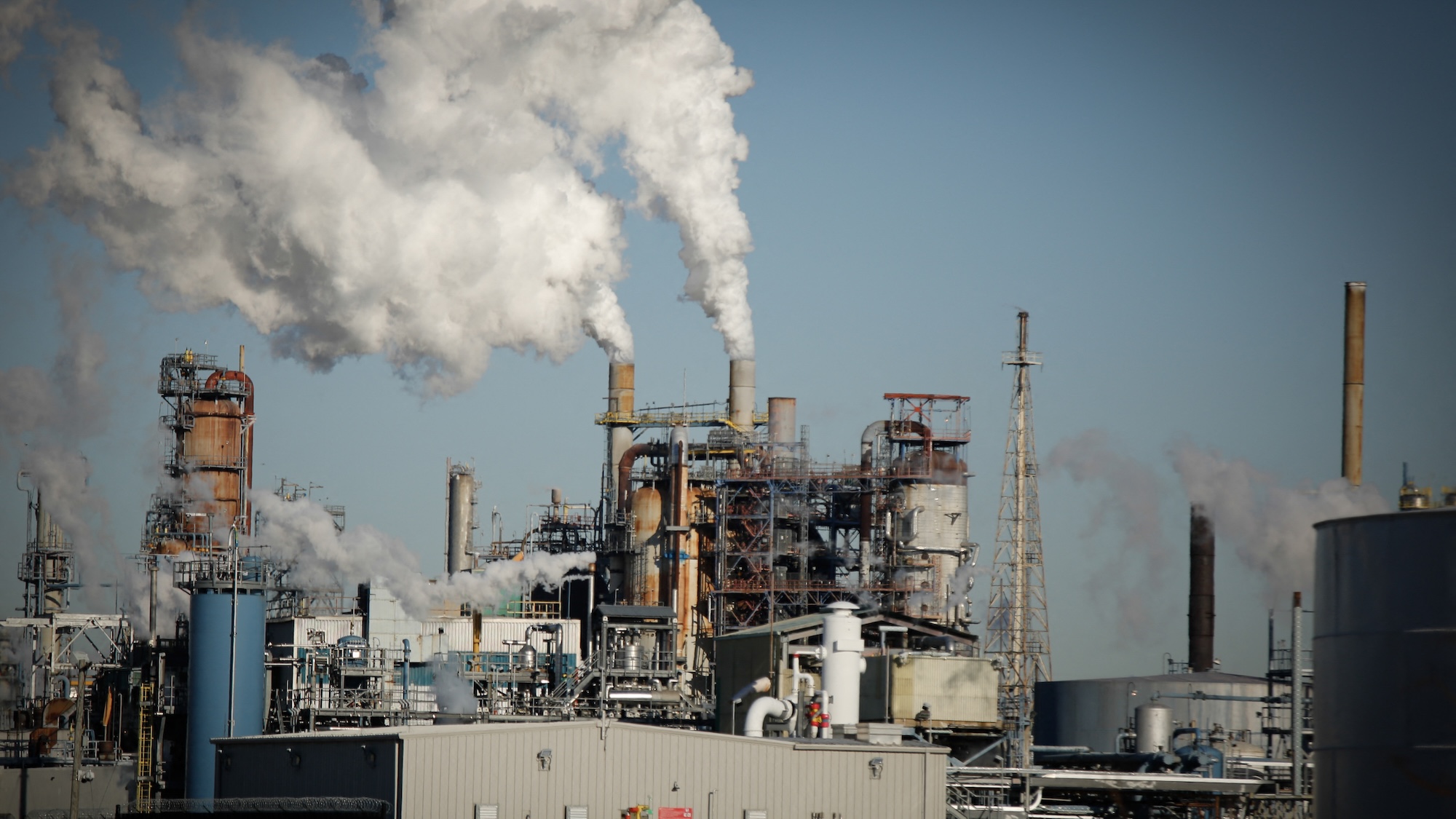
The study highlighted nitrogen dioxide and ozone as the most influential pollutants affecting sperm genetics. These two substances are ubiquitous in urban environments, primarily as byproducts of natural gas combustion and vehicular traffic.
Nitrogen dioxide is a highly reactive gas emitted from the tailpipes of cars and the smokestacks of industrial facilities. In urban centers like Salt Lake City, $NO_2$ levels can spike during periods of heavy traffic or atmospheric stagnation. The study found that men exposed to higher concentrations of $NO_2$ during the early stages of spermatogenesis showed more pronounced alterations in their DNA methylation patterns.
Ozone, while beneficial in the upper atmosphere, acts as a potent respiratory irritant and cellular stressor at ground level. It is formed when nitrogen oxides and volatile organic compounds react in the presence of sunlight. The research indicated that ozone exposure was particularly detrimental to the methylation of genes involved in fetal development. Because these pollutants are so closely tied to urban infrastructure, the findings suggest that male fertility is inextricably linked to urban planning and environmental policy.
The GNAS Gene and Implications for Offspring
Perhaps the most significant discovery of the project was the impact of pollution on the GNAS gene. GNAS is what scientists call an "imprinted" gene. In normal development, imprinted genes are expressed in a parent-of-origin-specific manner, meaning only the copy inherited from the mother or the father is active.
The researchers found that air pollution was associated with specific methylation changes in GNAS, which have been previously linked to poorer semen quality and, more critically, complications in fetal development. Because these epigenetic marks can persist through the early stages of embryonic growth, the father’s exposure to smog in the months preceding conception could potentially influence the health of the child.
"Because imprinted genes can persist through early embryonic development, this raises important questions about whether fathers’ environmental exposures may influence not only fertility, but pregnancy and offspring health," Nobles stated. This shifts the traditional focus of prenatal health—which has historically centered almost exclusively on the mother—to include the environmental history of the father.
Supporting Data: The Global Context of Male Infertility
The Salt Lake City study arrives amidst a growing body of evidence suggesting a global decline in male reproductive health. Recent meta-analyses have indicated that sperm counts in men from industrialized nations have dropped by more than 50% over the last five decades. While lifestyle factors such as diet and sedentary behavior are often cited, the role of "endocrine disruptors" and environmental toxins has become a primary area of concern for the World Health Organization (WHO).
Current WHO data suggests that 99% of the global population breathes air that exceeds the organization’s guideline limits for pollutants. While the respiratory impacts of this are well-documented—leading to approximately 7 million premature deaths annually—the reproductive impacts have been harder to quantify until now. The identification of 39 specific methylation changes provides a molecular roadmap for how "bad air" translates into "poor fertility."
Official Responses and Expert Analysis
The presentation of these findings has sparked significant discussion among the reproductive medicine community. Karen Sermon, the former chair of ESHRE, noted that the study provides a potential explanation for a phenomenon clinicians have observed for years: couples living in highly polluted areas often face greater hurdles in achieving and maintaining a pregnancy.
"We know that couples exposed to air pollution often have difficulties becoming pregnant," Sermon remarked, "and this may be one of the explanations amongst the myriad ways that pollution impacts our reproductive health."
Geneticists and environmental health experts are now calling for a replication of the Salt Lake City results in other geographic locations. Since Salt Lake City has a specific profile of pollutants, it remains to be seen if different combinations of industrial chemicals—such as those found in heavy manufacturing hubs or agricultural regions—produce similar or unique epigenetic signatures.
Broader Impact and Future Policy Implications
The implications of this research extend far beyond the laboratory. If paternal exposure to air pollution can affect the genetic health of offspring, then air quality is no longer just a matter of public health—it is a matter of intergenerational justice.
From a policy perspective, these findings provide new leverage for stricter emissions standards. If the "cost" of air pollution includes increased rates of infertility and potential developmental issues in children, the economic and social arguments for transitioning to cleaner energy sources become much more compelling.
Furthermore, the study suggests that clinical advice for men planning to conceive should be updated. Just as expectant mothers are advised to avoid certain substances and environments, men may need to be mindful of their environmental exposure during the three-month window of sperm production.
As researchers continue to investigate the molecular link between the air we breathe and the legacy we leave, the Salt Lake City study stands as a landmark reminder that the human body is not isolated from its environment. The chemical composition of the atmosphere is, quite literally, leaving its mark on the human genome. Future investigations will likely focus on whether these epigenetic changes are reversible through improved air quality or medical intervention, but for now, the data suggests that the most effective way to protect future generations is to clean the air of the present.