



The conclusion of Amazon’s high-profile Prime Day event has not signaled the end of significant price reductions for premium audio equipment, as Marshall Group continues to offer substantial discounts on its most popular wireless speakers and headphones. While the official promotional window has closed, several key products—including the newly released Emberton III and the long-battery-life Major V headphones—remain at or near their lowest historical price points. This persistence of "post-event" deals reflects a broader shift in e-commerce strategy, where manufacturers and retailers leverage the momentum of major sales holidays to capture late-season shoppers and maintain market share against competitors like JBL, Bose, and Sony.
The Current State of Marshall Audio Discounts
In a move that has surprised many industry analysts, Marshall has maintained steep discounts on its core lineup, particularly within its portable and home speaker categories. The Marshall Emberton III, a rugged, palm-sized portable speaker known for its "True Stereophonic" multidirectional sound, is currently retailing for $109.99, a significant drop from its standard $179.99 MSRP. Similarly, the Marshall Major V wireless on-ear headphones, which boast a class-leading 100-plus hours of battery life, are being offered at an all-time low of $89.99, down from $169.99.
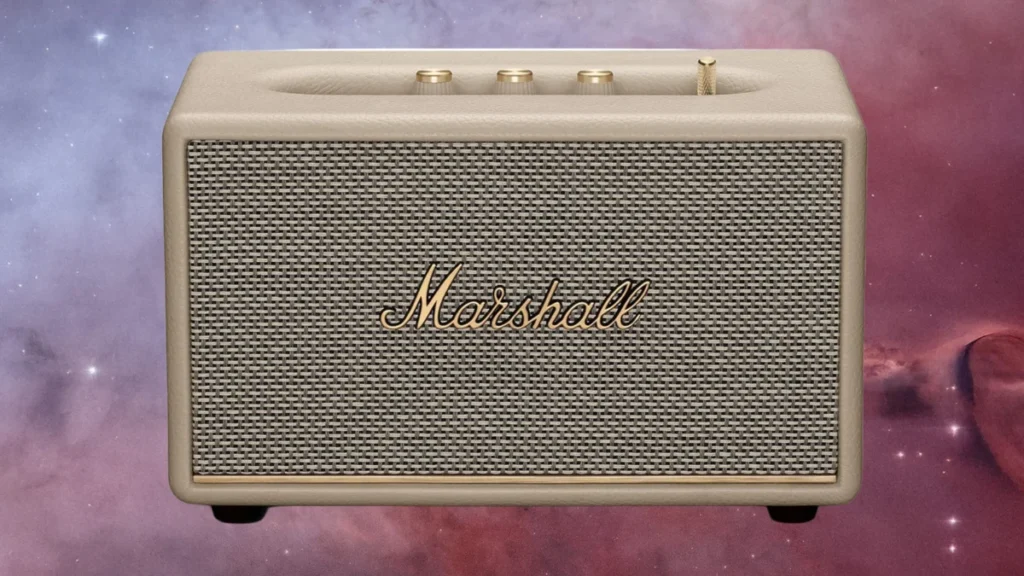
For home audio enthusiasts, the larger bookshelf units have also seen dramatic reductions. The Acton III, the most compact speaker in the home line, has been reduced to $179.99 from $299.99. Its larger counterpart, the Stanmore III, designed for larger living spaces with a wider soundstage, is currently $249.99, down from its original $399.99. Perhaps the most aggressive discount is found on the Marshall Middleton, a heavy-duty portable speaker featuring a quad-speaker setup and a carry strap, which has seen its price slashed by over 50%, moving from $319.99 to $149.99.
Technical Analysis of Featured Products
The current sales lineup represents the latest iteration of Marshall’s engineering, which has evolved significantly since the brand’s 2023 merger with Zound Industries to form the Marshall Group. The products on sale are not merely legacy items but feature modern connectivity and acoustic technology.
The Emberton III, for instance, incorporates Bluetooth LE Audio-ready technology and Auracast, which allows the device to act as a transmitter for other Auracast-enabled speakers. This future-proofing is a key selling point for a brand often associated with 1960s nostalgia. The speaker also features an IP67 rating, making it fully dustproof and waterproof, capable of being submerged in one meter of water for up to 30 minutes.
The Major V headphones represent a massive leap in power management. By providing over 100 hours of wireless playtime, Marshall has effectively removed "battery anxiety" from the user experience. The headphones also include a customizable "M-button" that can be programmed via the Marshall Bluetooth app to access Spotify Tap, EQ presets, or voice assistants.
In the home category, the Acton III and Stanmore III have been re-engineered with outward-angled tweeters and updated waveguides to deliver a consistently solid sound that is so wide it "chases you around the room." These models also feature a "Placement Compensation" feature, which uses internal processing to correct for nearby reflective surfaces that might otherwise muddy the audio quality.
Chronology of the Marshall Brand Evolution
To understand the significance of these deals, one must look at the trajectory of Marshall from a niche professional amplifier manufacturer to a global lifestyle powerhouse.
- 1962: Jim Marshall, known as the "Father of Loud," opens a drum shop in Hanwell, London, eventually producing the first Marshall amplifiers for guitarists like Pete Townshend and Eric Clapton.
- 2010: Marshall enters the consumer electronics market through a licensing agreement with the Swedish firm Zound Industries. This partnership led to the creation of the first Marshall headphones and Bluetooth speakers, mimicking the iconic black Tolex and gold brass aesthetic of the stage amps.
- 2023: In a landmark deal, Zound Industries acquires Marshall Amplification to form the Marshall Group. This merger unified the professional and consumer branches, allowing for better integration of high-end acoustic engineering into consumer-grade wireless products.
- 2024: Marshall launches its "Generation III" speakers and "Version V" headphones, focusing on sustainability (using recycled plastics and vegan materials) and advanced Bluetooth LE (Low Energy) capabilities.
The current post-Prime Day sale represents the first major holiday-adjacent clearing of inventory since the unified Marshall Group took full control of the brand’s global distribution and marketing.

Market Context: The "Prime Day" Halo Effect
The decision to extend these deals is supported by data regarding consumer behavior following major Amazon events. According to market research firms like Adobe Analytics, the "halo effect" of Prime Day often results in a 15% to 20% increase in sales for several days after the official event ends, as consumers who missed the initial window search for remaining inventory.
The Bluetooth speaker market is currently valued at approximately $12 billion globally and is projected to grow at a compound annual growth rate (CAGR) of 12.5% through 2030. Marshall’s strategy focuses on the "Premium-Plus" segment, where consumers are willing to pay a surcharge for brand heritage and design. By offering 40% to 50% discounts, Marshall is effectively moving into the mid-range price bracket, traditionally dominated by plastic-heavy designs from competitors, thereby gaining a significant competitive advantage in volume.
Industry Responses and Consumer Trends
Retail analysts suggest that the "black-and-brass" aesthetic of Marshall products taps into a broader trend of "Newstalgia"—where modern tech is packaged in vintage-inspired shells. While brands like Sony focus on minimalist, futuristic designs, Marshall’s tactile knobs, flick switches, and textured finishes provide a sensory experience that resonates with a younger demographic seeking a break from touchscreens.
"The tactile feedback of a Marshall speaker is its secret weapon," says Marcus Andersson, a consumer electronics consultant. "In a world of glass and haptics, the physical click of a power switch or the resistance of an analog volume knob feels premium. When you pair that with a price point that rivals a generic smart speaker, the conversion rate for the brand increases exponentially."
Furthermore, the environmental impact of these products has become a focal point for the company. Marshall Group has publicly committed to increasing the use of recycled materials, with the Emberton III and Major V featuring roughly 80% to 90% post-consumer recycled plastic from used electronics and automotive parts. This shift is a direct response to the growing demand among Gen Z and Millennial consumers for sustainable electronics.
Broader Implications for the Audio Industry
The persistence of these deals highlights a potential shift in how premium brands approach inventory management. Traditionally, luxury and high-end lifestyle brands avoided steep discounts to protect brand equity. However, the success of the "extended sale" model suggests that high-volume turnover during the fourth quarter is now a priority, even for brands with a boutique pedigree.
As the industry moves toward the Black Friday and holiday shopping season, the current Marshall pricing sets a new benchmark. Competitors may be forced to respond with their own aggressive price cuts, leading to a "race to the bottom" in pricing that benefits consumers but puts pressure on manufacturer margins.
For Marshall, the goal appears to be ecosystem lock-in. By getting a Major V headset or an Emberton speaker into a consumer’s hands at a sub-$110 price point, the brand increases the likelihood that the same consumer will later invest in higher-margin products, such as the Woburn III or professional-grade guitar equipment.
Conclusion and Outlook
The current availability of Marshall products at all-time low prices marks a significant moment for the audio market. It represents a convergence of legacy branding, modern technology, and aggressive e-commerce strategy. For the consumer, it provides an opportunity to acquire high-performance audio gear that serves as both a functional tool and a piece of home decor.
As the Marshall Group continues to integrate its professional heritage with consumer-focused innovation, the success of these sales events will likely dictate the brand’s roadmap for 2025. With the audio industry increasingly focused on spatial audio, LE connectivity, and sustainable manufacturing, Marshall’s ability to maintain its "cool factor" while competing on price suggests the brand is well-positioned to remain a dominant force in the portable and home audio sectors for the foreseeable future. Collectors and audiophiles alike should view these sustained discounts as a strategic window to upgrade their hardware before holiday demand potentially drives prices back toward their standard MSRP.