


Less than twenty-four hours after the Artemis II crew concluded a series of rigorous recovery exercises on Earth, a new generation of spacefarers took to the skies to continue the mission of lunar exploration. These travelers, however, are not human; they are thousands of microscopic nematodes known as Caenorhabditis elegans. On April 11, these "space worms" launched from the Cape Canaveral Space Force Station in Florida aboard the Northrop Grumman Cygnus XL spacecraft. The mission, designated as NASA’s Commercial Resupply Services 24 (CRS-24), carries roughly 11,000 pounds of vital supplies, scientific equipment, and hardware to the International Space Station (ISS), but the biological cargo led by researchers at the University of Exeter represents one of the most critical steps in preparing for deep-space colonization.
As NASA and its international partners pivot from low-Earth orbit (LEO) toward the Moon through the Artemis program and eventually toward Mars, the physiological limits of the human body have become a primary concern. The University of Exeter’s study aims to use these one-millimeter-long worms to unlock secrets of muscle preservation and radiation resistance, providing a biological blueprint for the health of future astronauts who will spend years away from Earth’s protective atmosphere and gravity.
The Biological Rationale: Why Nematodes?
While the physical appearance of C. elegans bears no resemblance to human anatomy, the genetic and molecular similarities between the two species are profound. Approximately 60% to 80% of human genes have functional counterparts in the nematode genome. More importantly, the worms possess a complex nervous system, a digestive tract, and muscles that respond to environmental stress in ways remarkably similar to human tissue.
Nematodes are ideal candidates for space research for several logistical reasons. Their small size allows for high-density populations to be housed in compact containers, and their rapid life cycle—progressing from egg to adult in roughly three days—enables scientists to observe multiple generations of biological adaptation within a single mission timeframe. By studying how these organisms age and how their muscles atrophy in microgravity, researchers can identify specific genetic triggers that may lead to similar degradation in human astronauts.
Addressing the Physiological Toll of Spaceflight
The urgency of this research is underscored by the record-breaking tenure of NASA astronaut Frank Rubio, who returned to Earth in 2023 after 371 days aboard the ISS. Rubio’s extended stay provided a stark reminder of the physical cost of long-duration spaceflight. Upon his return, he required a comprehensive reconditioning program to regain bone density and muscle strength.
In a microgravity environment, the human body no longer needs to support its own weight against the pull of Earth’s gravity. This leads to a rapid loss of bone mineral density—often at a rate of 1% to 1.5% per month—and significant muscle atrophy, particularly in the legs and lower back. Furthermore, space travelers face the "Space-Associated Neuro-ocular Syndrome" (SANS), where fluid shifts toward the head, altering vision and potentially damaging the optic nerve.
By sending C. elegans into orbit, Dr. Tim Etheridge, a lead physiologist at the University of Exeter, and his team hope to isolate the molecular mechanisms behind these changes. "NASA’s Artemis program marks a new era of human exploration, with astronauts set to live and work on the Moon for extended periods for the first time," Etheridge stated. "To do that safely, we need to understand how the body responds to the extreme conditions of deep space."
The Petri Pod: Engineering Life in the Vacuum
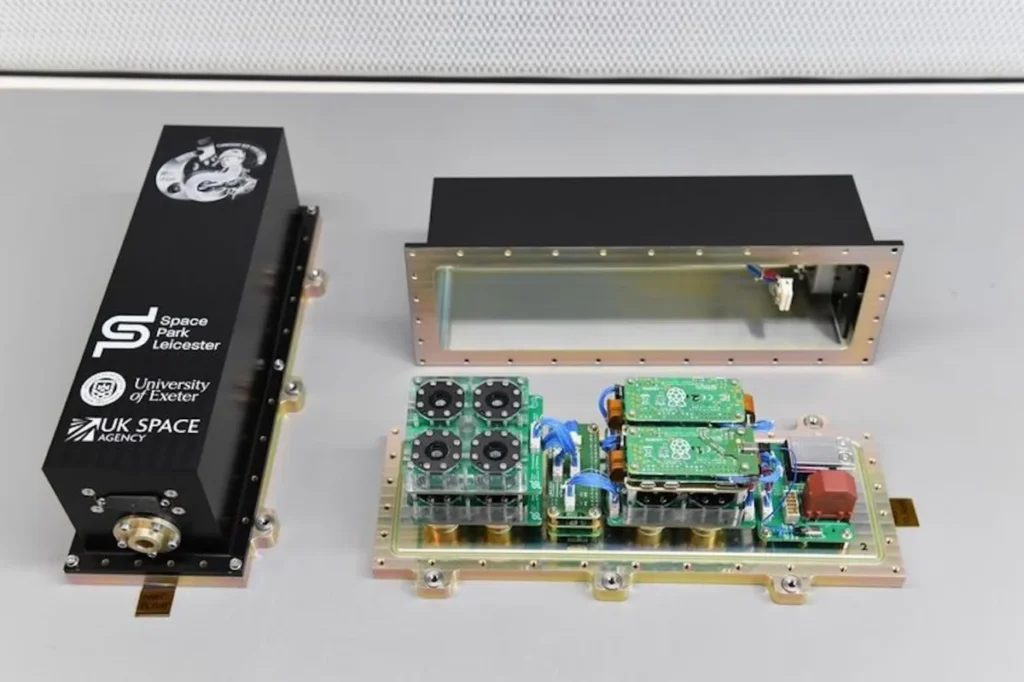
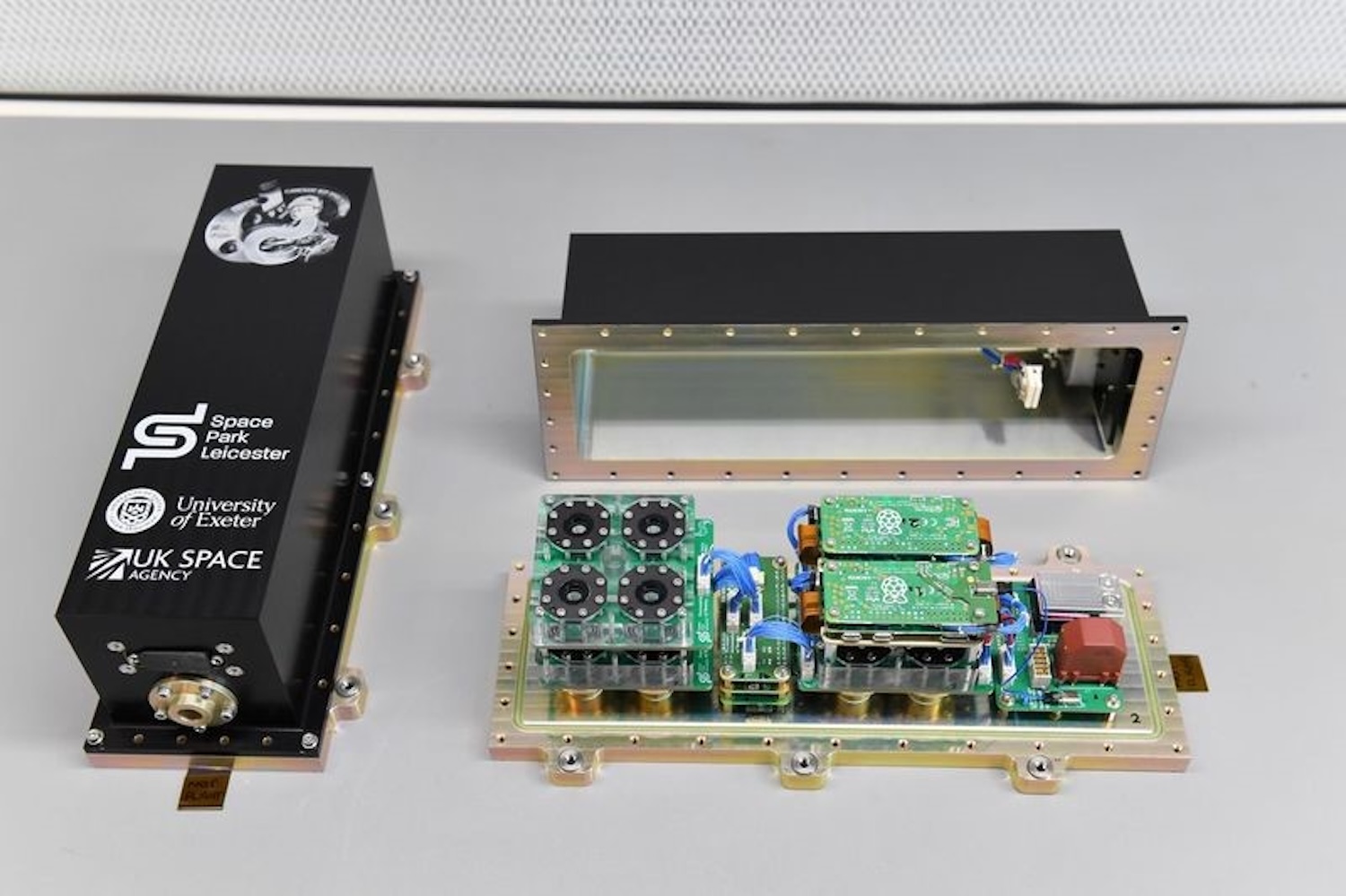
The CRS-24 mission introduces a sophisticated piece of hardware known as the "Petri Pod." Unlike previous experiments conducted within the climate-controlled interior of the ISS, this study involves mounting the nematode housing on the exterior of the station using the ISS’s robotic arm.
The Petri Pod is an engineering marvel designed to maintain a delicate balance of life-sustaining conditions while exposed to the harshness of the space environment. The internal chambers are pressurized and oxygenated to mimic Earth-like conditions, and a precise heating system ensures the worms remain at a stable temperature despite the external fluctuations of space, which can swing hundreds of degrees as the station moves in and out of the Earth’s shadow.
The external mounting serves a specific purpose: exposure to cosmic radiation. Outside the protection of the station’s hull, the nematodes will be subjected to levels of radiation far higher than those found on Earth or even inside the ISS. This will allow researchers to observe how radiation impacts cellular health and genetic stability over a 15-week period.
Chronology of the Mission and Monitoring
The journey of the space worms follows a precise timeline designed to maximize scientific output:
- Launch (April 11): The Northrop Grumman Cygnus XL launched atop a SpaceX Falcon 9 rocket from Cape Canaveral.
- Berthing at the ISS: Following a multi-day journey, the Cygnus spacecraft was captured by the Canadarm2 and berthed to the Unity module of the ISS.
- Internal Preparation: ISS crew members transferred the Petri Pod to an onboard laboratory to ensure all sensors and life-support systems were functioning correctly after the stresses of launch.
- External Deployment: Using the robotic arm, the pod was moved to an external platform, beginning the 15-week exposure phase.
- Real-Time Observation: Throughout the experiment, researchers at the University of Exeter and NASA’s Ames Research Center are monitoring the worms via white and fluorescent optics. Time-lapse photography and video are being transmitted back to Earth, allowing scientists to watch the worms’ movement and growth in real-time.
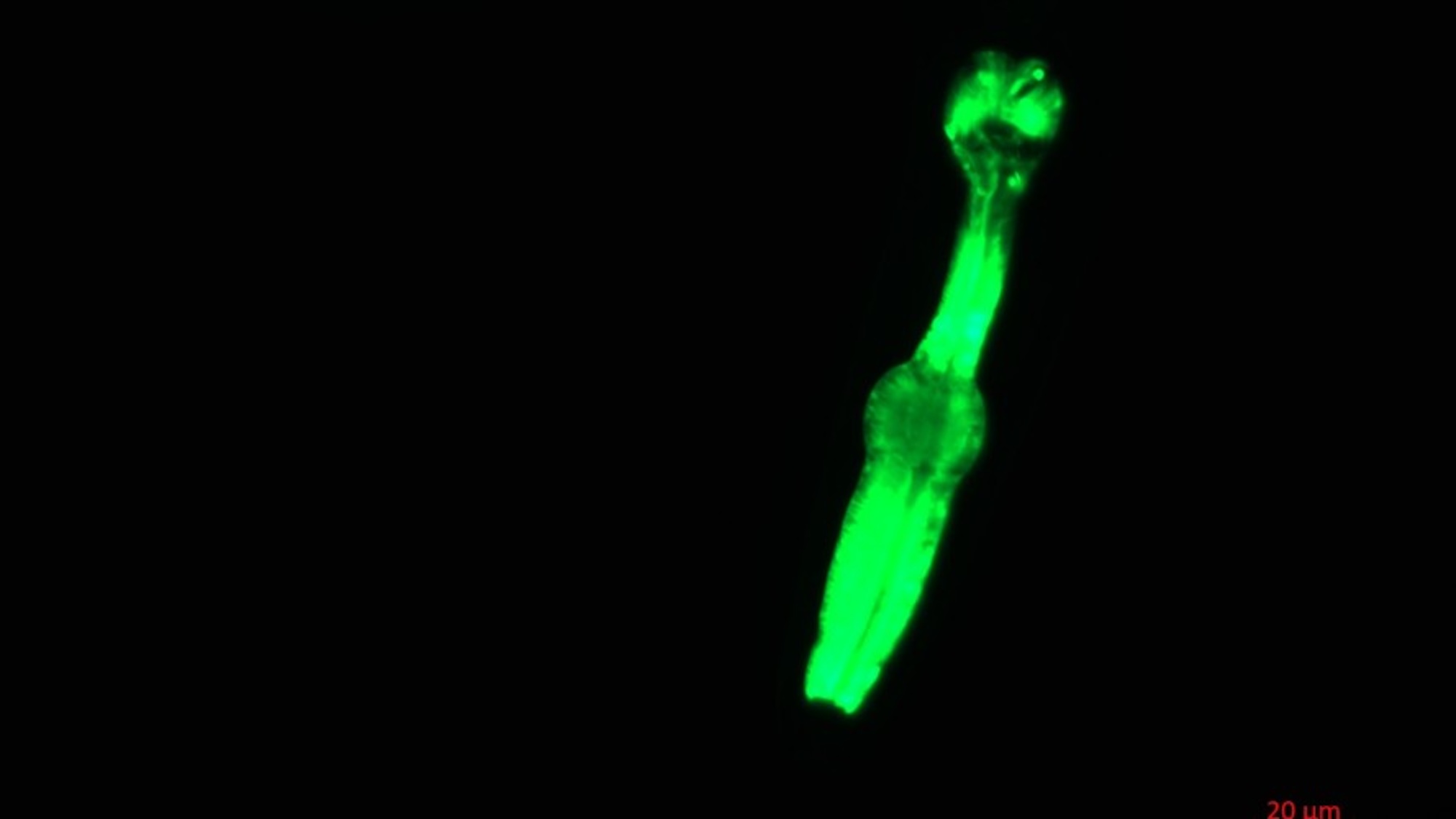
Fluorescent markers have been genetically engineered into the worms, causing specific proteins—such as those involved in muscle contraction—to glow under certain light. This allows the team to visually quantify muscle loss and cellular damage without needing to physically retrieve the samples until the mission’s conclusion.
Supporting Data: The Stakes of Deep Space Exploration
The data gathered from the C. elegans mission will feed into a broader database of space biology. Current data suggests that a mission to Mars, which could take up to three years for a round trip, would expose astronauts to radiation doses equivalent to hundreds of chest X-rays, significantly increasing the risk of cancer and central nervous system damage.
Additionally, the immune system has been shown to "dysregulate" in space. Studies on T-cell function indicate that the body’s ability to fight off infections decreases in microgravity, while latent viruses (such as shingles or herpes) can reactivate. The University of Exeter team is particularly interested in how the worms’ "innate" immune systems—the primary defense mechanisms shared with humans—hold up under the combined stress of radiation and zero-G.
Official Responses and Strategic Importance
The mission has garnered significant support from government agencies, highlighting the international cooperation required for the next phase of space exploration. U.K. Space Minister Liz Lloyd emphasized the importance of the project, noting that "these tiny worms could play a big role in the future of human spaceflight." The partnership between the University of Exeter, the U.K. Space Agency, and NASA reflects a shared commitment to solving the biological hurdles of the Artemis program.
NASA officials have reiterated that the CRS-24 mission is part of a broader strategy to utilize the ISS as a "testbed" for lunar and Martian technologies. By using the station’s exterior for biological research, scientists are essentially conducting a "dry run" for the conditions astronauts will face on the lunar surface, where there is no atmosphere to provide shielding.
Broader Implications and Future Research
The implications of this research extend beyond the safety of a few dozen astronauts. The findings could have profound applications for medicine on Earth. Muscle wasting (sarcopenia) and bone density loss (osteoporosis) are significant health challenges for the aging population and for patients confined to long-term bed rest. Understanding how these processes are accelerated in space may lead to new drug therapies or physical interventions that can benefit millions of people globally.
Furthermore, the success of the Petri Pod hardware paves the way for more complex biological experiments on the lunar Gateway—a planned space station that will orbit the Moon. As humans move further from Earth, the ability to conduct autonomous, remote-monitored biological research will be essential.
The C. elegans of the CRS-24 mission are more than just cargo; they are the frontline scouts for the Artemis generation. Their 15-week journey on the hull of the International Space Station represents a bridge between the pioneering flights of the 20th century and the permanent lunar settlements of the 21st. Through the study of these microscopic organisms, humanity takes a macroscopic leap toward becoming a multi-planetary species.