

In a significant move to bolster the United States’ technological standing and workforce readiness, Microsoft and LinkedIn have announced a comprehensive suite of new commitments aimed at integrating artificial intelligence into the national education system. The announcement, made during a high-level meeting of the White House’s AI Education Task Force on September 4, 2025, aligns with the Presidential AI Challenge and the AI Education Executive Order. These initiatives are designed to bridge the growing digital divide by providing students, educators, and job seekers with the tools and certifications necessary to navigate an increasingly AI-driven global economy.
Microsoft Chairman and CEO Satya Nadella, speaking via a video presentation during the task force meeting, emphasized that the true value of artificial intelligence lies not in its raw power, but in its accessibility. The collaborative effort between Microsoft and its subsidiary, LinkedIn, represents one of the most substantial private-sector investments in public AI literacy to date. The program focuses on three core objectives: empowering the classroom environment with advanced AI tools, standardizing AI skills through recognized certifications, and facilitating a direct pipeline from education to employment.
A Strategic Framework for AI Literacy
The framework presented by Microsoft Vice Chair and President Brad Smith and LinkedIn CEO Ryan Roslansky centers on the diffusion of technology. According to the leadership team, the rapid evolution of AI requires a paradigm shift in how digital skills are acquired and validated. The commitment is structured to address the immediate needs of the American workforce while laying the groundwork for long-term economic resilience.
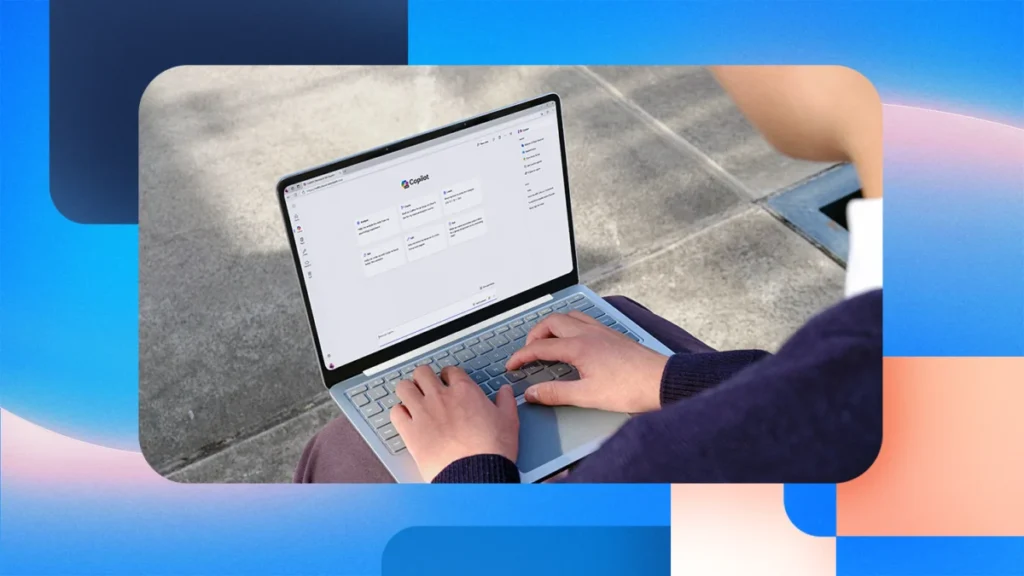
The first pillar of the initiative involves the deployment of AI-powered educational assistants and curriculum resources. Microsoft plans to expand the availability of Copilot for Education, a specialized version of its AI assistant designed with privacy and safety guardrails appropriate for a learning environment. This tool aims to reduce the administrative burden on teachers—who, according to recent educational surveys, spend upwards of 10 hours a week on lesson planning and grading—allowing them to focus more on personalized student engagement.
The second pillar focuses on skilling. With the technology landscape shifting faster than traditional academic cycles can often accommodate, Microsoft and LinkedIn are introducing a "learning by doing" model. This includes the launch of new Professional Certificates in Generative AI, which are designed to be completed in a fraction of the time required for traditional degrees. These certifications will be hosted on LinkedIn Learning and will be made available at no cost to various underserved communities and public institutions.
The third pillar addresses the transition from the classroom to the boardroom. LinkedIn will introduce new features that allow job seekers to verify their AI proficiency through standardized assessments. These credentials will be searchable by recruiters, helping to democratize the hiring process by prioritizing skills over traditional pedigree.
The Chronology of AI Policy and Implementation
The September 4 announcement marks a pivotal moment in a timeline that began with the explosion of generative AI in late 2022. Following the release of large language models that transformed public perception of machine intelligence, the federal government moved to establish a regulatory and promotional framework.
In October 2023, the Biden-Harris administration issued the landmark Executive Order on the Safe, Secure, and Trustworthy Development and Use of Artificial Intelligence. This order directed agencies to protect against the risks of AI while harnessing its benefits. By mid-2024, the focus shifted toward education, leading to the formation of the AI Education Task Force.
Throughout late 2024 and early 2025, Microsoft and other tech leaders participated in a series of listening sessions with the Department of Education and the National Science Foundation. These sessions identified a critical gap: while AI was being adopted rapidly in the corporate sector, the public education system lacked the infrastructure and training to keep pace. The Presidential AI Challenge was subsequently launched to incentivize private-sector partnerships that could scale educational solutions rapidly. The current commitments from Microsoft and LinkedIn serve as the primary industry response to this challenge.

Supporting Data: The Growing AI Skills Gap
The urgency of these initiatives is underscored by recent labor market data. LinkedIn’s 2025 Workforce Report indicates that job postings mentioning "Generative AI" or "GPT" have increased by over 300% since early 2023. However, the supply of workers with verified AI skills has not kept pace.
Data from the World Economic Forum suggests that by 2027, more than 60% of workers will require training in some form of AI or automated systems. Furthermore, a study by Microsoft’s Work Trend Index revealed that 70% of employees would delegate as much work as possible to AI to lessen their workloads. Despite this appetite for the technology, only 30% of companies have provided formal AI training to their staff.
The disparity is even more pronounced in the education sector. A 2025 survey of K-12 teachers in the United States found that while 65% of educators believe AI will be essential for their students’ futures, only 15% felt they had the necessary training to teach it effectively. Microsoft’s commitment to providing free training modules for educators is specifically designed to address this 50-point "readiness gap."
Official Responses and Stakeholder Perspectives
The White House AI Education Task Force, led by the First Lady and senior administration officials, has lauded the move as a template for public-private cooperation. In a statement following the meeting, administration spokespeople noted that the integration of AI into schools must be handled with a focus on equity to ensure that students in rural and low-income districts are not left behind.
"The future of the American economy depends on our ability to prepare the next generation for the tools of tomorrow," the Task Force stated. "Microsoft’s commitment to providing these resources broadly, rather than keeping them behind a paywall, is essential for a fair and competitive digital landscape."
Educational advocacy groups have also responded with cautious optimism. While welcoming the influx of resources, groups such as the National Education Association (NEA) have emphasized the need for ongoing support and the protection of student data privacy. Microsoft has responded by confirming that its educational AI tools are built on the Microsoft Azure Government cloud infrastructure, ensuring compliance with strict federal data security standards.
Broader Implications for the Global Economy
The implications of this initiative extend beyond the classroom. By standardizing AI certifications on a platform as ubiquitous as LinkedIn, Microsoft is effectively creating a new global currency for labor. As these credentials become a standard requirement for entry-level roles, the traditional four-year degree may see a shift in its role within the hiring ecosystem, moving toward a hybrid model where short-term technical certifications carry equal weight for specific roles.
Furthermore, this move strengthens the United States’ position in the global AI race. As nations like China and the European Union implement their own AI educational strategies, the U.S. model relies heavily on the agility of its private sector to disseminate technology. By embedding AI training into the very fabric of the American workforce development system, Microsoft and LinkedIn are helping to ensure that the U.S. remains the primary hub for AI innovation and application.
The success of these programs will be measured by the "diffusion rate"—the speed at which AI literacy moves from tech hubs like Silicon Valley to the rest of the country. Microsoft’s commitment includes specific outreach programs for community colleges and vocational schools, recognizing that the "AI economy" requires a diverse range of roles, from AI engineers to AI-literate healthcare workers and manufacturing technicians.
As the program rolls out through the 2025-2026 academic year, the focus will shift to implementation. The partnership between the White House and Microsoft serves as a high-stakes experiment in whether a nation can proactively re-skill its entire population in the face of a technological revolution. For now, the commitments made on September 4 represent a significant first step toward a future where AI is not just a tool for the elite, but a foundational skill for every American student and worker.