


When people contemplate environmental pollution, they typically picture smog-choked metropolitan skylines, rivers stained with industrial runoff, or coastlines littered with plastic waste. Yet, a pervasive and deeply destructive form of pollution remains largely invisible and unheard by the average human: underwater noise pollution. Across the globe, the world’s oceans have undergone a profound acoustic transformation. Marine environments that historically resonated with the complex, resonant songs of whales and the subtle clicking of fish now echo with a relentless, low-frequency roar resembling a permanent heavy metal concert.
This acoustic degradation is driven by human expansionism at sea. Massive commercial container ships, deep-sea mining operations, offshore oil and gas rigs, and a proliferation of recreational and commercial watercraft have fundamentally altered marine soundscapes. For marine mammals, particularly cetaceans, this relentless din presents an existential crisis. Whales rely on sound as their primary sense, using it to navigate, locate prey, attract mates, and maintain social cohesion across vast distances.
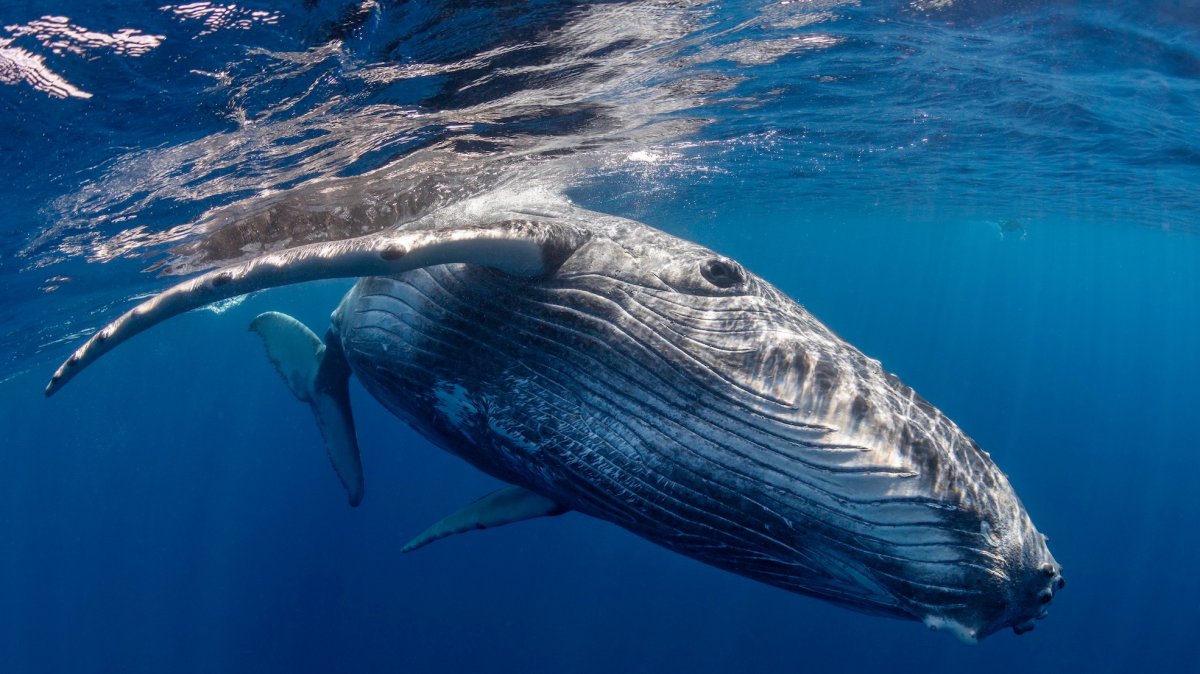
The crisis is exacerbated by a tragic acoustic overlap. The low-frequency range utilized by large whales to communicate—roughly between 20 and 300 Hertz—directly coincides with the frequencies generated by the massive engines and spinning screws of commercial shipping vessels. While surface-dwellers perceive the ocean as a serene expanse, marine life experiences an environment trapped in a state of sensory overload. According to Michelle Fournet, an acoustic ecologist and ocean noise pollution expert at the University of New Hampshire, the reality for marine life is agonizing. She compares the sensory disruption to someone enduring continuous jackhammering outside their window for months on end, or having a high-powered floodlight beamed directly into their eyes 24 hours a day.
The ecological toll of this acoustic fog is well-documented. Recent biological studies on orcas reveal that every single-decibel increase in ambient noise surrounding the pods increases their likelihood of foraging for food by four percent, while simultaneously decreasing their success rate of capturing prey by 12.5 percent. The noise disrupts their focus, wastes vital metabolic energy, and threatens their long-term survival.
The Physics of Propeller Noise and the Mechanics of Cavitation
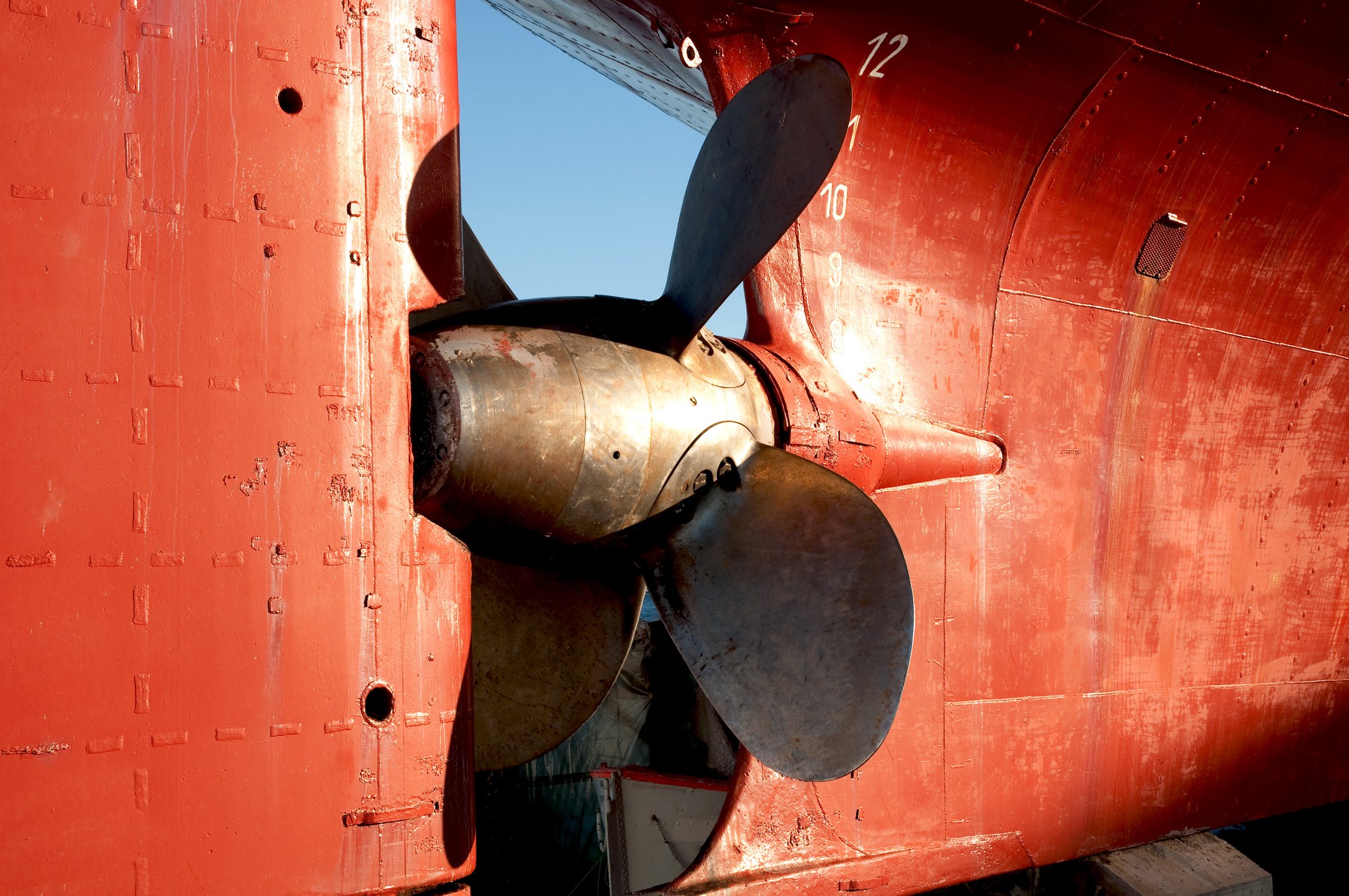
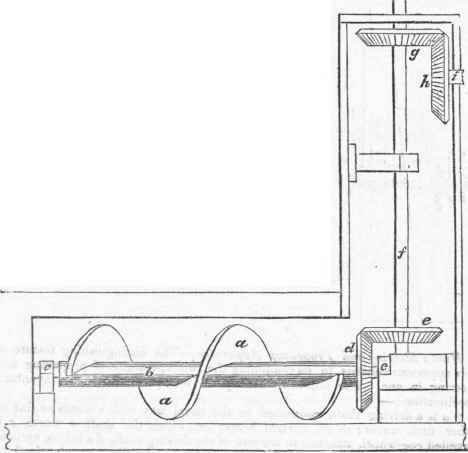
To understand the origins of this marine cacophony, researchers point to a foundational piece of maritime engineering: the standard screw propeller. Patented in the 1830s by inventors Francis Pettit Smith and John Ericsson, the basic screw design has remained largely unchanged for nearly two centuries. While efficient at moving massive steel hulls across the water, traditional propellers suffer from a violent physical byproduct known as cavitation.
Cavitation occurs when a propeller blade spins at high velocities, slicing through the water and creating localized zones of extremely low pressure directly behind the blades. This pressure drop causes the water to vaporize into millions of microscopic bubbles filled with immense stored energy. As these bubbles are swept away from the blade, they instantly collapse under the surrounding higher water pressure. The resulting implosions generate sharp, powerful shockwaves, manifesting above and below the water as a crackling, hissing, and roaring noise. A single standard ship propeller can generate and collapse millions of these micro-bubbles every second, compounding into a deafening underwater roar.
For decades, maritime industries accepted cavitation as an unavoidable cost of propulsion. However, rising environmental awareness and mounting pressure from conservation groups have forced engineers to rethink the physics of marine propulsion.
From Orchestral Drones to Marine Salvation: The Sharrow Innovation
Enter Greg Sharrow, a former classical music producer and director whose journey toward saving the whales began not on the ocean, but in the sky. Roughly 14 years ago, Sharrow became obsessed with capturing an impossible camera shot: using an aerial drone to film a violinist from directly inside a live orchestra. However, standard multi-rotor drones suffered from an acoustic flaw—their high-pitched, beehive-like buzzing drowned out the delicate acoustic dynamics of orchestral instruments.
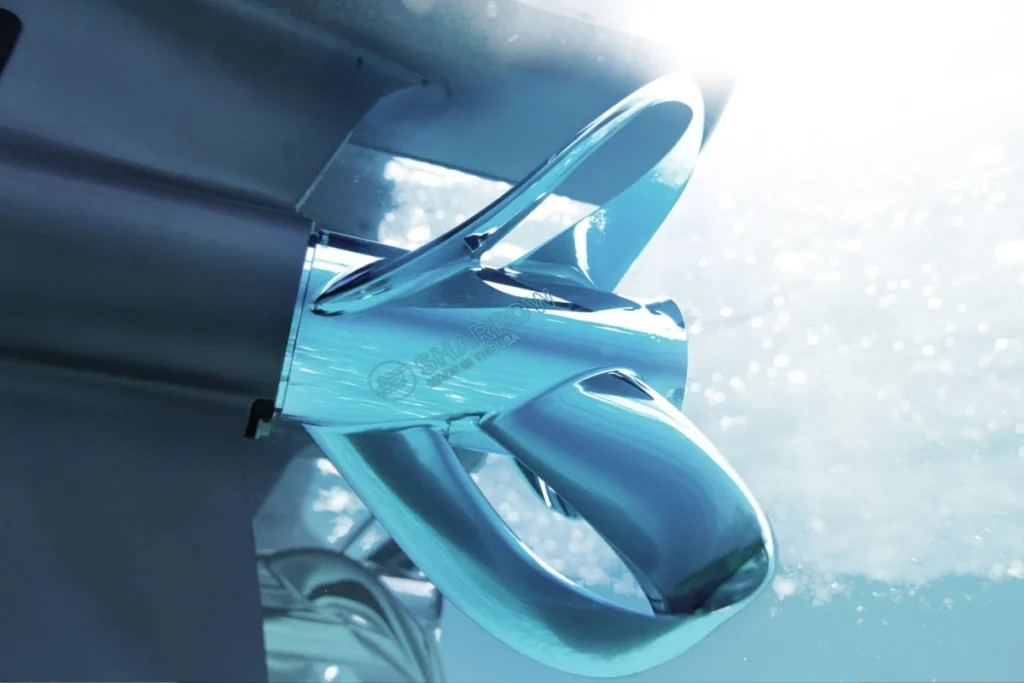
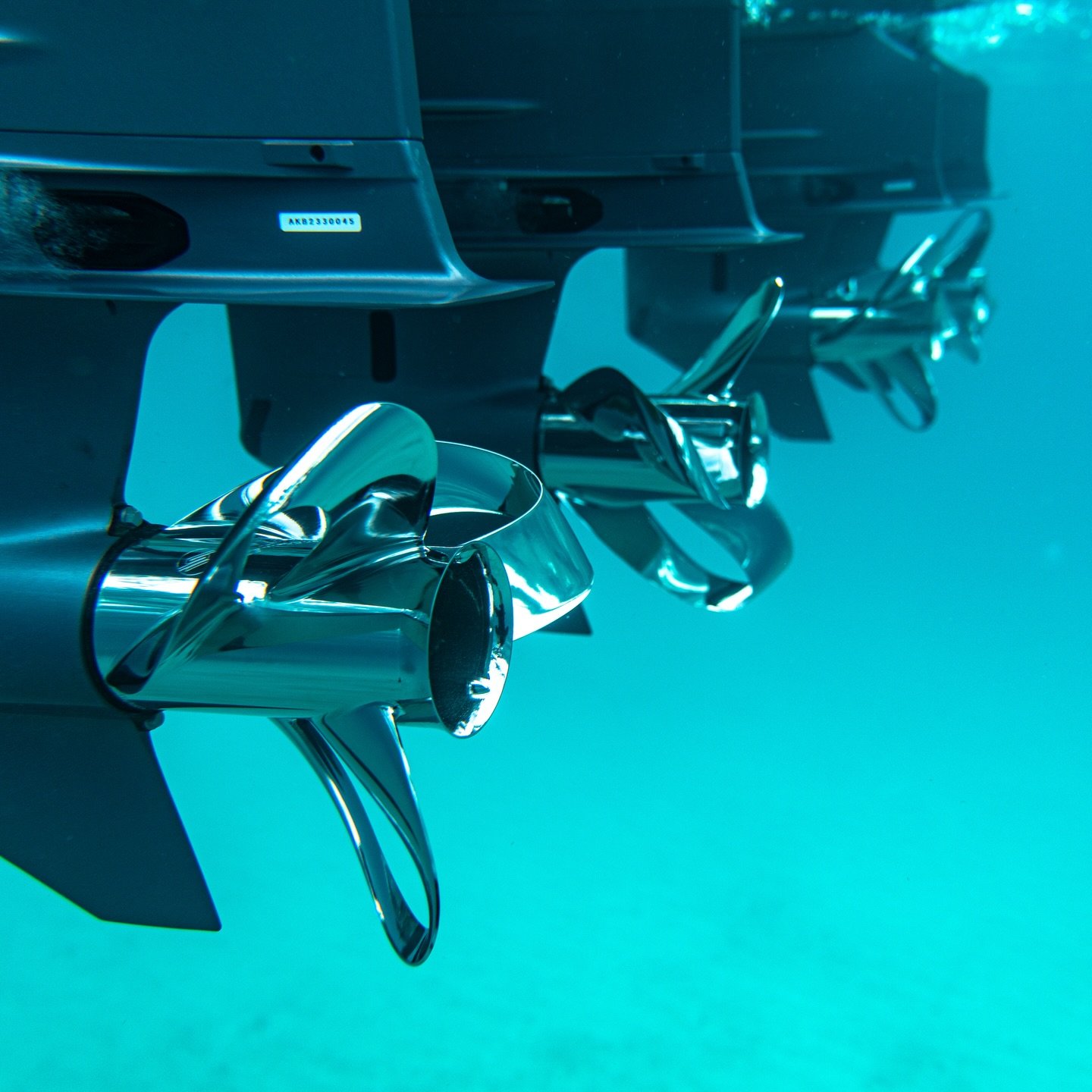
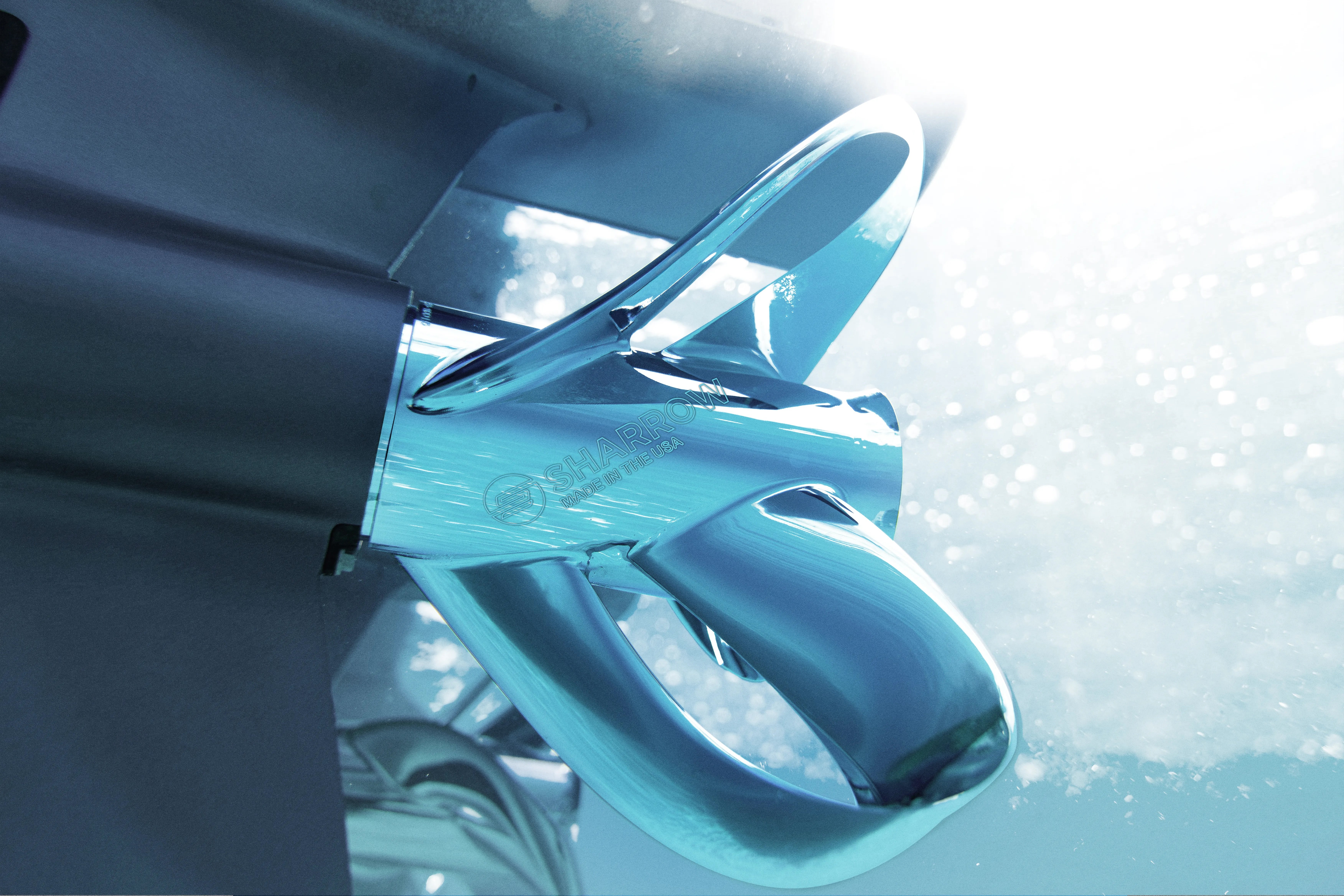
Recognizing that the noise originated from the tip vortices of standard propellers, Sharrow asked a fundamental question: what would a tipless propeller look like and how would it function? Driven by this inquiry, he developed a radically redesigned propeller featuring looped, ribbon-like blades that eliminate free-hanging tips entirely.
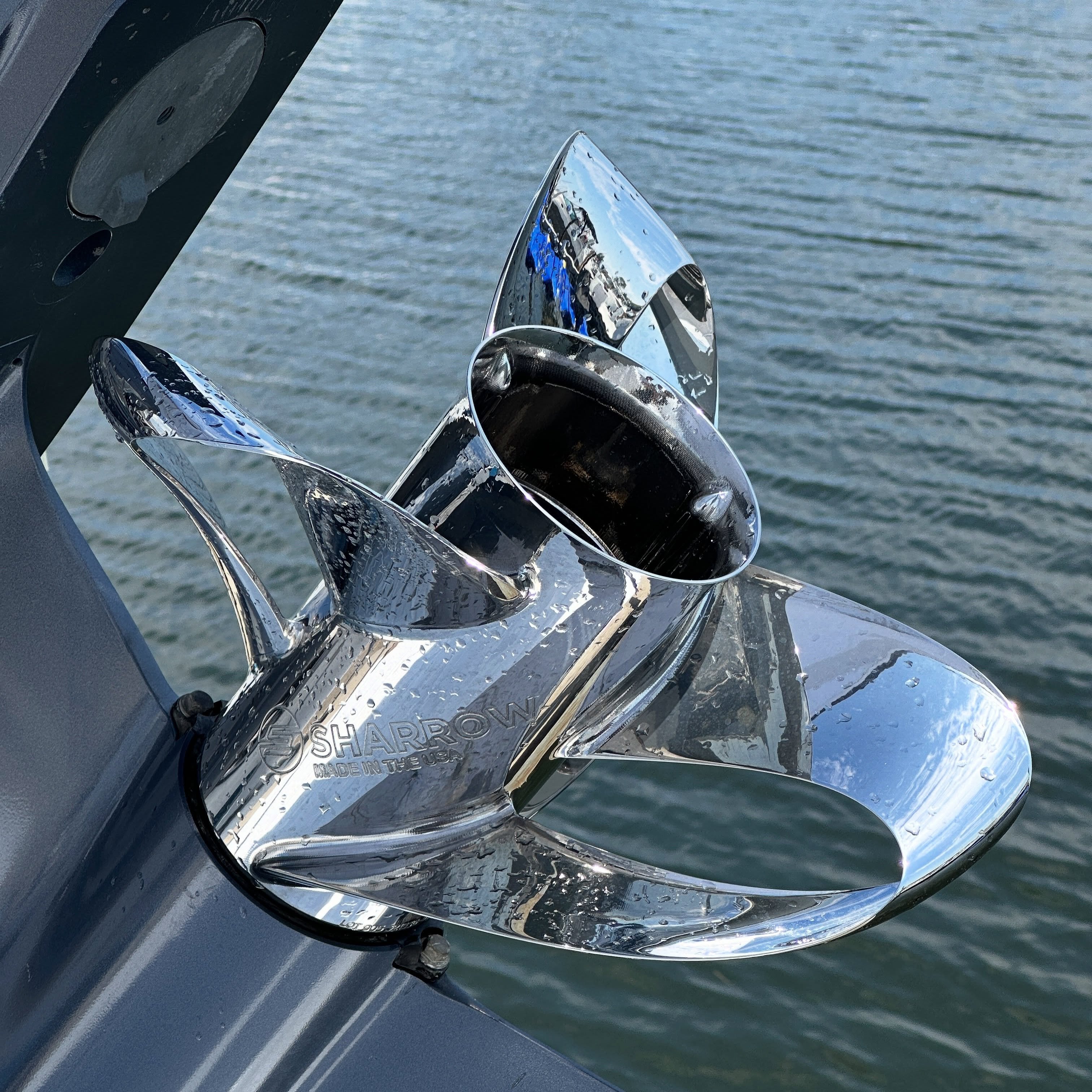
While initially designed to silence drones, Sharrow quickly realized the broader implications of his invention. By removing the tips, the design drastically curtailed tip vortices and dramatically reduced cavitation. Sharrow shifted his focus from aerial drones to marine watercraft, setting up shop in Detroit with backing from the Ford Motor Company to manufacture what is now known as the Sharrow Propeller.
Rigorous independent testing and company trials indicate that these looped propellers reduce underwater noise by up to seven decibels within the exact frequency bands utilized by whales for communication. Furthermore, independent acoustic measurements at the helm of test boats have demonstrated sound pressure level reductions of up to 20 decibels—the acoustic equivalent of stepping out of a room housing a roaring vacuum cleaner into a space filled with quiet conversation. Beyond acoustic benefits, the design offers increased fuel efficiency and reduced mechanical vibration, presenting a rare alignment of commercial and environmental incentives.
Real-World Validation and Ocean Alliance Expeditions
Controlled laboratory testing and tank trials can only reveal so much; verifying the efficacy of new marine technology requires real-world deployment. To test these claims in natural habitats, Sharrow Marine partnered with Ocean Alliance, a renowned marine conservation nonprofit founded in 1971 by environmentalist Roger Payne.
Ocean Alliance has spent decades fighting for cetacean protection, famously spearheading the 1970s Save the Whales movement and advocating for the passage of the 1972 Marine Mammal Protection Act. Known for pioneering innovative research tools—such as the "SnotBot" drone that collects biological samples from whale blowholes—the organization welcomed the opportunity to test the new propellers.
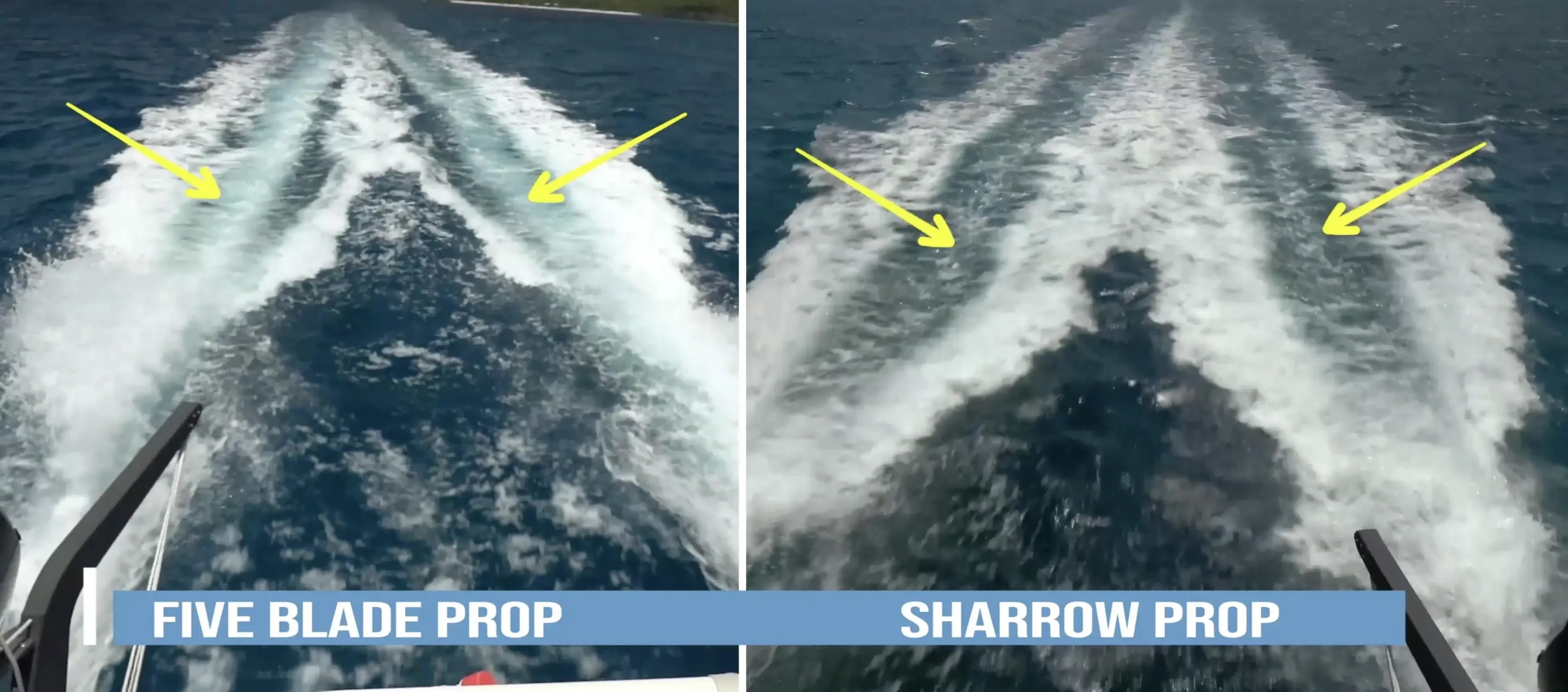
Iain Kerr, CEO of Ocean Alliance, initially approached the claims with healthy skepticism. However, after outfitting a research vessel with a Sharrow propeller and embarking on a 75-mile expedition, Kerr described the results as crystal clear. The boat operated with noticeably less vibration, demonstrated immediate fuel savings, and produced a visibly smaller wake with significantly reduced cavitation bubbles. For researchers, quieter vessels offer a dual benefit: they reduce stress on marine life while allowing scientists to approach cetaceans more closely for behavioral and biological studies without triggering flight responses.
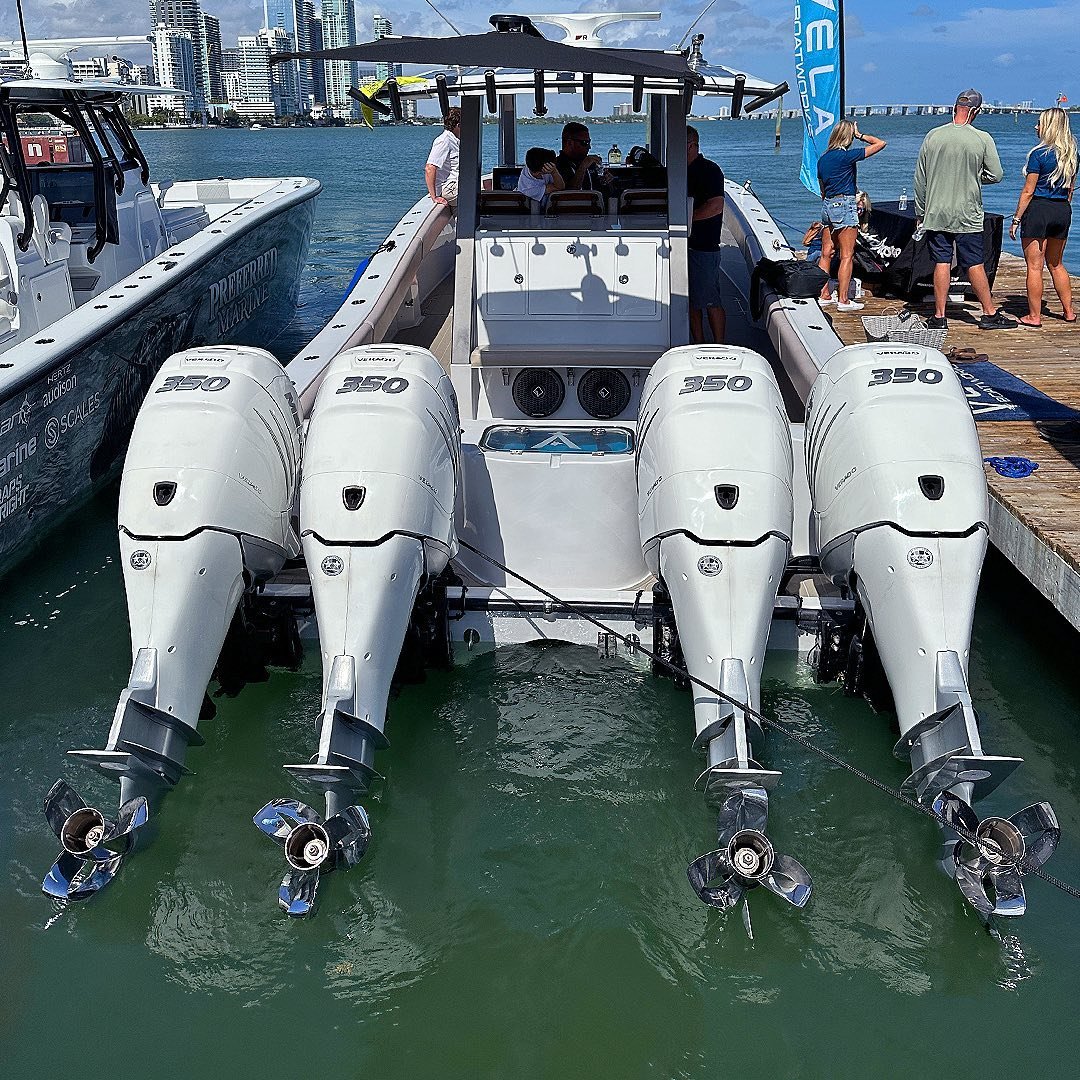
While experts like Michelle Fournet view a seven-decibel reduction in vessel noise as an ecologically meaningful step forward, they caution that propeller redesign is not a singular silver bullet for the global crisis.
The Scale of the Global Shipping Crisis
The sheer volume of maritime traffic presents a formidable hurdle for global acoustic remediation. Industry estimates suggest that hundreds of thousands of vessels traverse the world’s oceans daily. Among them are approximately 6,000 massive container ships that form the backbone of international trade. These leviathans are major contributors to ocean noise pollution and outsized sources of carbon emissions.

Currently, Sharrow Marine’s manufacturing capabilities are primarily focused on smaller commercial, recreational, and research watercraft. However, the company is actively developing scalable manufacturing techniques to adapt the looped propeller design for massive container ships. Until such large-scale retrofitting becomes feasible, mitigating ocean noise requires a multi-pronged approach.
Environmental scientists emphasize that low-hanging operational fruit exists today. Simple regulatory interventions—such as mandating speed reductions for commercial fleets or altering shipping lanes to create temporal gaps in maritime traffic—can provide marine life with essential windows of quietude.
The Resilient Response of Marine Ecosystems
The necessity of creating these acoustic sanctuaries is underscored by historical observations of marine behavior. During the global COVID-19 pandemic lockdowns in the spring of 2020, commercial whale-watching vessels, cruise ships, and ferries were held at dock for months. For humpback whale populations in Southeast Alaska, this abrupt halt in tourism marked their first truly quiet summers since the 1970s.
Acoustic monitoring conducted by researchers like Fournet revealed a remarkable behavioral shift during this period of enforced silence. Relieved of chronic background noise, humpback whales became notably more communicative. Their calling patterns grew more complex and nuanced, abandoning repetitive distress signals in favor of a wider repertoire of communication types that closely mirrored historical recordings from the pre-industrial shipping era. This rapid behavioral adaptation demonstrated that marine mammals possess high resilience and can experience immediate physiological and social relief when acoustic pressure is lifted.
Path Forward: Consumer Choices and Collective Responsibility
Ultimately, the burden of underwater noise pollution is tied directly to global consumerism. Every container ship traversing the Pacific or Atlantic operates because consumers demand imported goods. Fournet notes that everyday choices—such as purchasing locally sourced products or supporting sustainable regional agriculture—indirectly reduce the demand for transoceanic shipping freight.
Humanity created the acoustic crisis in the planet’s oceans, but that same agency means humans possess the capacity to resolve it. Through a combination of innovative engineering, regulatory oversight, and conscious consumer behavior, the path toward restoring silence to the deep blue is gradually coming into focus.