


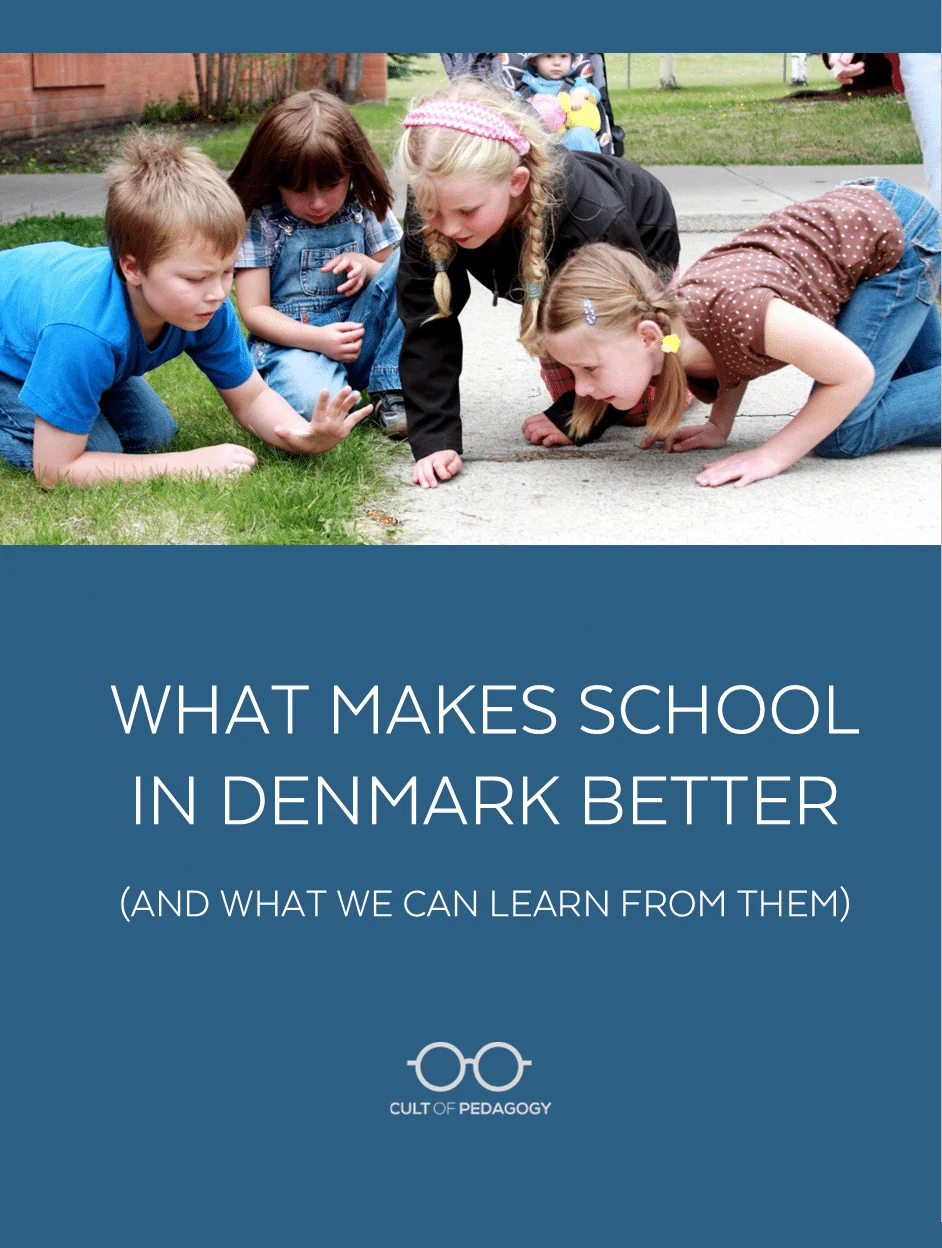
A compelling comparative analysis of the Danish and U.S. education systems, spearheaded by educator Pernille Ripp, highlights stark differences in pedagogical approach, teacher autonomy, and student well-being, suggesting that a paradigm shift towards trust and reduced mandates could significantly enhance American schooling. Ripp, a former U.S. teacher who relocated to her native Denmark, offers a unique insider perspective on how Danish schools foster a humane and enriching learning environment, primarily by doing less and empowering educators and students alike. Her observations, detailed in a recent interview, challenge the prevailing high-stakes, control-oriented culture often found in U.S. classrooms and propose actionable, often budget-neutral, strategies for reform.
The dialogue with Ripp, a renowned voice in literacy and learning with a decade-long engagement in educational discourse, delves into her experiences teaching in both countries. Her insights reveal that while comparisons between U.S. and international education often paint a less flattering picture for American schools, the Danish model provides concrete, replicable lessons. The core takeaway is not about adding more resources or programs, but rather about a fundamental re-evaluation of expectations, shifting from a culture of pervasive control to one rooted in professional trust and developmental autonomy.
Contextualizing the Educational Landscape
The American education system frequently grapples with challenges such as teacher burnout, student disengagement, and a perceived lack of global competitiveness. Policies often lean towards standardized curricula, extensive testing, and prescriptive teaching methods, driven by accountability measures that can inadvertently stifle innovation and teacher morale. According to a 2023 survey by the National Education Association, 55% of educators are considering leaving the profession earlier than planned, citing stress and lack of autonomy as major factors. This contrasts sharply with countries like Denmark, which consistently rank high in global educational assessments like the PISA (Programme for International Student Assessment) for reading, math, and science, alongside high levels of student and teacher satisfaction. Denmark’s educational philosophy is deeply rooted in the Nordic welfare model, prioritizing well-being, social equity, and a holistic approach to development. This cultural foundation underpins many of the structural and pedagogical differences Ripp observes.
The Danish Model: A Paradigm of Trust and Autonomy for Educators
One of the most profound distinctions Ripp identifies is the inherent trust placed in Danish teachers. In the U.S., teachers often navigate a labyrinth of pacing guides, scripted curricula, and detailed checklists, which can feel like an implicit questioning of their professional judgment. Denmark, however, operates on the assumption that teachers are competent, skilled professionals.
-
Empowered Professionalism and Reduced Bureaucracy: Danish educators work with broad, age-based learning objectives, empowered to devise their own methods to achieve these goals. The government recently streamlined its educational objectives from hundreds to approximately ten, signifying a commitment to conceptual understanding over rote compliance. Decisions regarding curriculum and pedagogy are largely decentralized, occurring at the school level. This flexibility allows schools to tailor educational experiences to their specific student populations, fostering a responsive and dynamic learning environment. Ripp notes, "The system assumes that I know what I’m talking about and that the experience that I have with my students is one that is valid and also valuable." This stands in stark contrast to U.S. districts where curriculum changes often involve lengthy committee approvals and top-down mandates. Data from the OECD’s Teaching and Learning International Survey (TALIS) consistently shows that teachers in Nordic countries report higher levels of autonomy over their teaching methods and assessment practices compared to their U.S. counterparts.
-
Trust Over Control: A Foundational Principle: The U.S. system, with its myriad regulations, permission slips, and prescribed behaviors, often communicates a lack of trust in teachers. Ripp illustrates this with practical examples: in Denmark, she can take her class outside without seeking permission or even lead an impromptu field trip to her home for an afternoon of fun, all without bureaucratic hurdles. This "trust until lost" philosophy is a stark departure from the "earn trust" mentality often prevalent in U.S. schools. The implication for American schools is clear: a reduction in unnecessary administrative restrictions—revisiting field trip requirements, sign-out policies, and permission processes—could significantly reduce teacher workload and communicate respect for their professionalism.
-
Professional Work Conditions and Well-being: Danish teachers enjoy professional working conditions that prioritize their well-being and dedicated prep time. Ripp describes a standard 40-hour work week, with roughly half spent in direct instruction. Prep time is protected, often in dedicated teacher offices where interruptions are minimized. This physical and cultural separation from the classroom reduces the pressure on teachers to constantly maintain and decorate their personal learning spaces. Furthermore, the substitute teacher system in Denmark is highly efficient: permanent substitutes are attached to each school, familiar with the students and school culture, and arrive prepared with their own activities, eliminating the need for sick teachers to create elaborate sub plans. This structure allows teachers to genuinely rest when ill, contributing to better health and reduced burnout. In the U.S., teacher workloads are notoriously high, often exceeding 50 hours per week, with inadequate prep time frequently cited as a major stressor. The absence of a robust, professional substitute system often forces ill teachers to work from home or endure the stress of preparing detailed plans, exacerbating burnout.
Cultivating Well-being and Self-Reliance in Danish Students
The Danish approach extends its trust-based philosophy to students, fostering autonomy, physical activity, and a balanced childhood.
-
Autonomy as Developmental, Not Earned: Danish students are empowered with responsibility from an early age, managing their belongings, choosing seating, and navigating expectations within broad guidelines. Ripp recounted her own daughter’s experience moving to Denmark, where her third-grade teacher was surprised she didn’t know how to pack her own lunch, a task commonly handled by school staff in the U.S. This approach treats poor decisions as valuable learning opportunities rather than systemic failures, encouraging resilience and problem-solving. This contrasts with the highly structured and often over-supervised environment of many U.S. schools, where student movement and choices are frequently micro-managed.
-
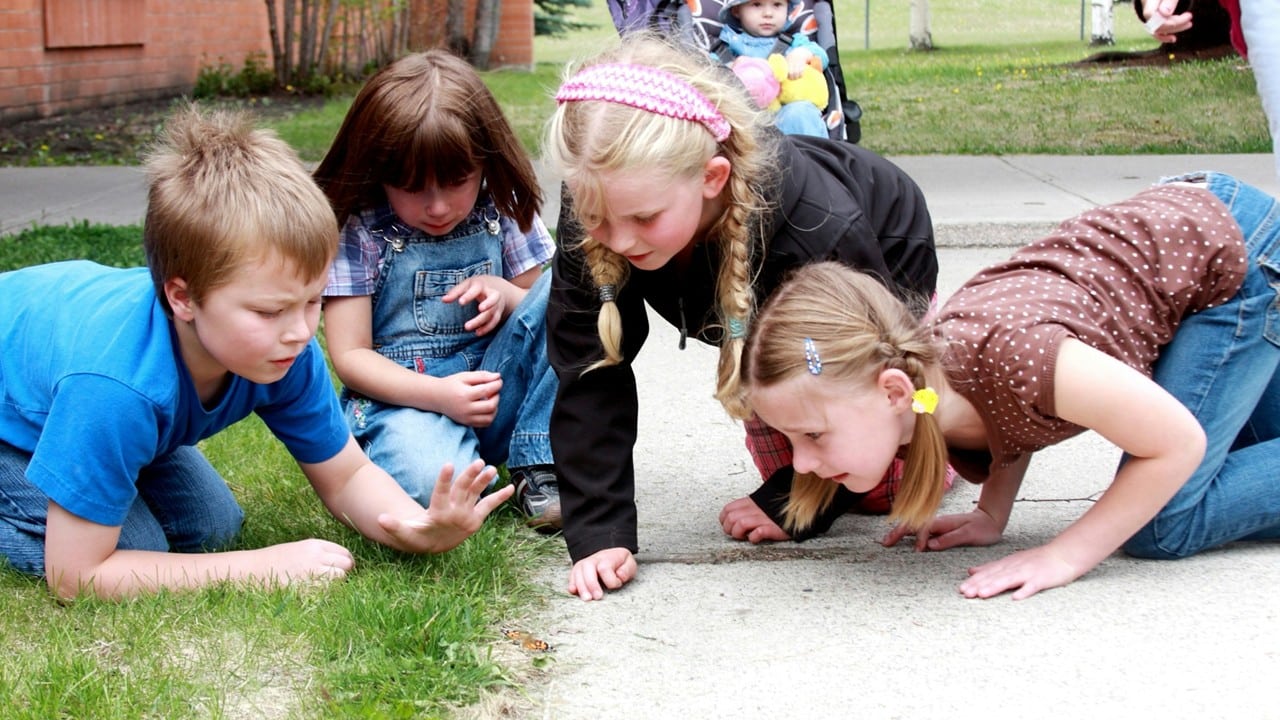
Design for Regulation, Not Control: The Power of Play: The Danish school day is intentionally designed around students’ developmental needs for movement, outdoor time, and unstructured play. Students go outside daily, regardless of weather, and "risky play"—like wrestling or snowball fights in designated zones—is actively encouraged, viewed as essential for physical and emotional regulation. This stands in stark contrast to the often-limited and highly supervised recess periods in U.S. schools, where concerns about liability frequently lead to restrictive play rules. The Danish philosophy views play not as an extracurricular luxury but as an integral component of learning and development, free from the need for explicit "learning objectives."
-
Less Homework, More Childhood: Homework in Denmark is minimal and purposeful, particularly in elementary grades. Ripp recounts a parent politely pushing back against an assigned research project, stating, "I would like you to focus on what you’re doing in school – we’ve got the evenings covered." This cultural norm prioritizes family time and unstructured childhood, trusting that development extends beyond formal academic tasks. The emphasis is on quality over quantity, with any homework being specific and manageable. This contrasts with the often-heavy homework loads in U.S. schools, which can contribute to family stress and reduce time for other essential developmental activities. Research by the American Psychological Association suggests that excessive homework can lead to stress, sleep deprivation, and health problems in students.
-
Nurturing Student Voice and Community: Rather than implementing separate Social-Emotional Learning (SEL) curricula, Danish schools integrate student voice and community building through a regular "class hour." This dedicated time allows students to discuss real conflicts, navigate social dynamics, and understand how their choices impact others. It’s a space for genuine community work, fostering self-regulation and collective responsibility, viewed as core curriculum rather than an add-on. This organic approach to SEL contrasts with many U.S. initiatives that often involve prescribed lessons or programs.
-
Academic Rigor Without Constant Pressure: Danish schools maintain high academic expectations but without the intense, high-stakes pressure prevalent in many U.S. classrooms. Formal grading typically doesn’t begin until seventh grade, and early literacy development is approached with a patient, developmental perspective. It is considered normal for children to enter kindergarten without knowing all their letters, with formal reading instruction commencing in first grade (equivalent to second grade in the U.S.). This allows children to develop at their own pace, reducing early academic anxiety. Ripp notes the philosophy of "fewer things done better," exemplified by her ability to intentionally extend a unit for two weeks due to student engagement, without fear of administrative reprisal. This long-term view contrasts sharply with the U.S. emphasis on standardized testing and rapid academic progression, which can create undue pressure on both students and teachers.
Bridging the Divide: Implementing Danish Principles in U.S. Schools
The central question arising from Ripp’s observations is how these Danish principles might be integrated into the complex, multi-layered U.S. education system. While systemic changes require legislative and policy shifts, Ripp emphasizes that many improvements can begin at the school or even classroom level, often by embracing the concept of "doing less."
- Empowering Teachers to Adapt Curriculum: Instead of rigidly adhering to mandated curricula, U.S. administrators could present them as starting points, inviting teachers to adapt and innovate. Pilot programs that allow teachers to experiment with modified curricula, followed by reflective feedback, could foster a culture of professional agency.
- Fostering a Culture of Trust: Administrators can explicitly communicate trust in their educators, reinforcing this message through actions that reduce unnecessary restrictions. Evaluating existing policies—from field trip approvals to sign-out procedures—and identifying opportunities for loosening controls can free up significant teacher energy and convey respect.
- Protecting and Restructuring Prep Time: Dedicated, uninterrupted prep time is crucial. This might involve restructuring the school day to create longer, protected blocks for planning, eliminating coverage requests, and minimizing announcements during these periods. Reimagining the substitute system, perhaps by building a smaller pool of recurring or permanent subs, could alleviate the burden on sick teachers.
- Cultivating Student Autonomy and Play: Encouraging student decision-making, even in small ways, can begin to foster responsibility. Increasing recess time, promoting unstructured outdoor play, and allowing for some "risky" physical activity (with appropriate safety measures) can significantly benefit student regulation and engagement. This requires a shift in mindset from strict control to guided autonomy.
- Rethinking Homework and Prioritizing Childhood: U.S. educators can critically evaluate the purpose and quantity of homework, asking if it genuinely adds value or if evenings could be better spent on family time and extracurricular development. Reducing or eliminating elementary homework is a concrete step towards protecting childhood.
- Integrating Community and Student Voice: Carving out regular "class meeting" or community time, independent of specific academic objectives, can create space for students to discuss social dynamics, resolve conflicts, and learn to function within a community. Actively soliciting student input on school rules and daily routines, and genuinely considering their suggestions, can empower student voice.
- Embracing a Slower, Deeper Academic Pace: Ripp advises U.S. teachers to "purposefully slow down," even if not explicitly permitted. By focusing on fewer concepts with greater depth, teachers can enhance student engagement and understanding, reducing the pressure to rush through material. "Forgive yourself for doing less," she suggests, highlighting the potential for improved well-being and more effective teaching.
Broader Implications and the Path Forward
The implications of Ripp’s comparison extend beyond individual classroom practices. A shift towards the Danish model could lead to increased teacher retention, improved student mental health, and potentially higher quality learning outcomes rooted in engagement rather than compliance. While systemic challenges such as funding structures, standardized testing mandates, and cultural norms present significant hurdles in the U.S., the fundamental principles of trust, autonomy, and well-being are universal. The insights from Denmark offer a compelling vision for a more humane and effective education system, inspiring U.S. educators, administrators, and policymakers to critically examine existing practices and consider bold, often subtractive, changes that prioritize the human element in learning. Pernille Ripp’s call to action is clear: any system created by people can be changed by people, and the path to a better education system might just begin with the courage to do less, and trust more.