



In an educational landscape increasingly shaped by digital distractions and diverse learning styles, fostering genuine student engagement with foundational texts in English Language Arts (ELA) classrooms presents a persistent challenge for educators. While literature, poetry, articles, and textbooks remain cornerstones of ELA curricula, the traditional methods of textual interaction can often lead to disinterest and passive learning. Addressing this critical issue, veteran high school English teachers Brian Sztabnik and Susan Barber have introduced a compendium of innovative, low-tech strategies designed to transform classroom dynamics and deepen student learning. Their work, culminating in the recent publication of 100% Engagement: 33 Lessons to Promote Participation, Beat Boredom, and Deepen Learning in the ELA Classroom, offers practical solutions for educators seeking to invigorate their text-based instruction.
The impetus for Sztabnik and Barber’s comprehensive guide stems from over a decade of dedicated engagement with the ELA teaching community. Through their influential blog, "Much Ado About Teaching," and vibrant social media interactions, they identified a pervasive struggle among their peers: the difficulty in designing lessons that truly captivate students and move beyond superficial comprehension. This observation underscored a broader educational concern, as numerous studies and anecdotal reports from educators consistently indicate a decline in student engagement across various subjects, particularly as students advance to higher grades. Research by organizations such as Gallup has highlighted that student engagement tends to decrease significantly from elementary to high school, often dropping below 50% by the time students reach their senior year. This disengagement not only impacts academic performance but also hinders the development of crucial critical thinking, analytical, and communication skills essential for future academic and professional success.
The challenge is particularly acute in ELA, where the ability to critically analyze, interpret, and synthesize information from complex texts is paramount. Without active engagement, students may merely skim content, memorize facts without understanding, or disengage entirely, missing opportunities to develop profound literary appreciation and robust analytical capabilities. Recognizing this gap, Sztabnik and Barber embarked on a mission to curate and refine practical, classroom-tested strategies that could address the core problem of student apathy towards text. Their collaborative journey, initiated through shared experiences and dialogue within the online teaching community, provided a rich ground for identifying effective pedagogical approaches that prioritize active participation over passive reception. The recent release of their book represents a significant milestone in their efforts, offering educators a structured resource packed with actionable ideas.

During a recent interview, the authors highlighted three standout strategies from their book, each characterized by its simplicity, low technological barrier, and effectiveness in promoting active, kinesthetic engagement with course material. These strategies aim to get students literally out of their seats and into a more dynamic interaction with texts, fostering deeper understanding and more robust analytical skills.
Strategy 1: Deconstructing and Reconstructing Poetry Through "Cutting Up Poems"
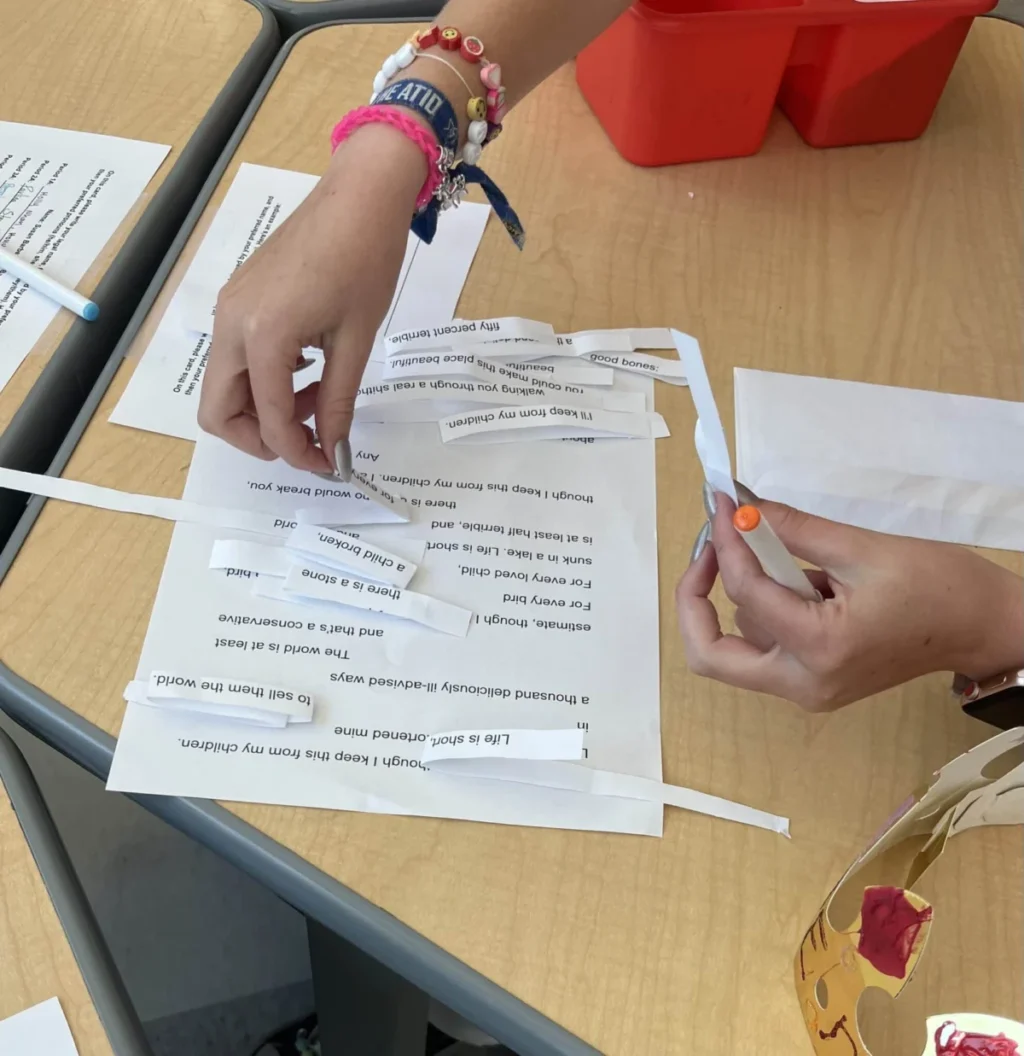
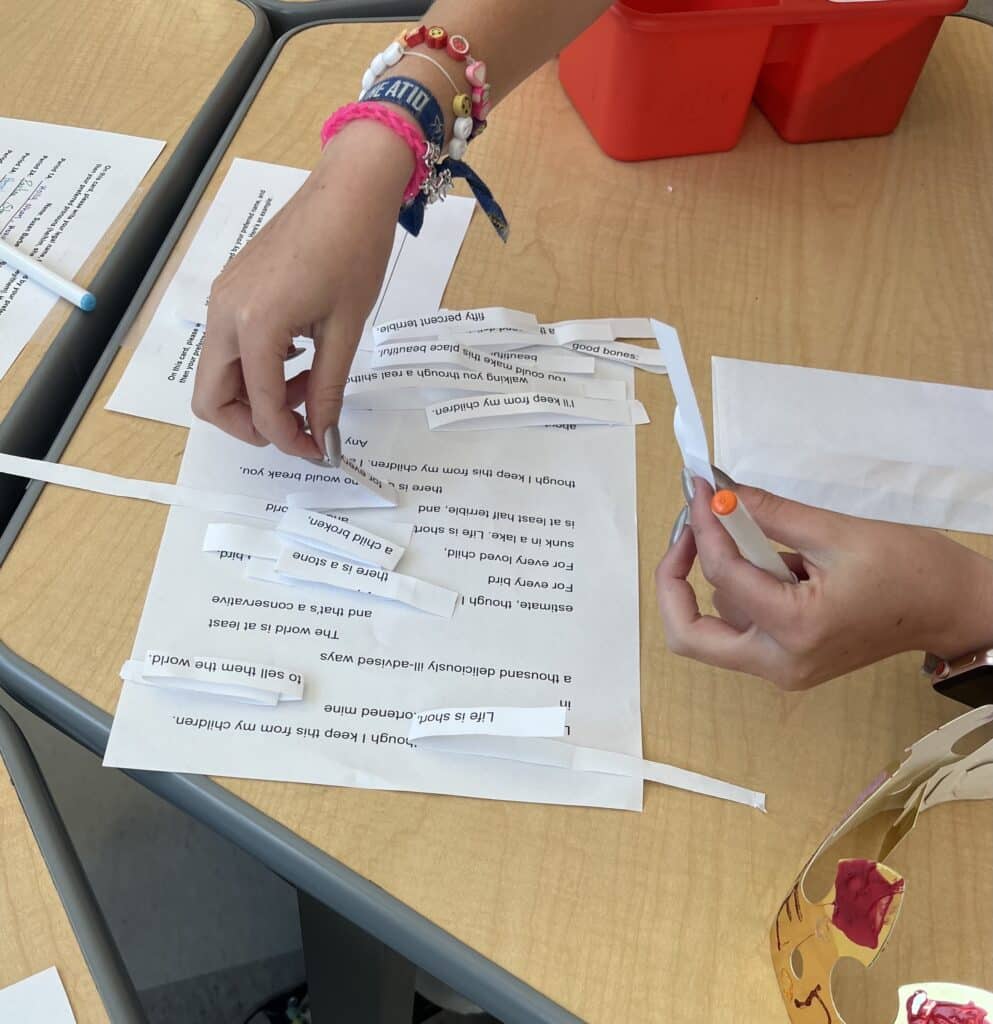
The first strategy, "Cutting Up Poems," ingeniously transforms the often-intimidating task of poetry analysis into an interactive puzzle. In this exercise, a selected poem is meticulously cut into individual words, phrases, or lines, and then distributed to students, typically in small groups. The students’ initial task is to collaboratively reconstruct the poem to its original form. This seemingly straightforward activity is, as Susan Barber explains, a "teacher trick" designed to compel students into an immediate and profound close reading.
Barber notes that merely handing out a poem and instructing students to perform a close reading often results in "glazed over" eyes. However, when faced with disparate pieces of text, students are forced into active analytical thinking. They must consider grammatical structures, punctuation cues (e.g., capital letters indicating the start of a line or sentence, commas suggesting internal pauses), and the logical flow of ideas to piece the poem back together. This process naturally prompts rich discussions about syntax, semantics, and poetic devices. "They’re having to consider, Does this make sense if it goes here? Well, this is a capital letter, so it may not go in the middle of those sentences, or this is a comma here, that may not fit right there," Barber elaborates. This forces students to engage analytically from the outset, hypothesizing, testing, and refining their understanding of the poem’s construction.
Once the groups have reconstructed their versions of the poem, they are then tasked with annotating their work, justifying their structural choices, and interpreting the meaning they derived. The final step involves comparing their reconstructed and annotated versions with the original poem. This comparison phase is crucial, as it allows students to reflect on their interpretative processes, identify discrepancies, and understand the poet’s deliberate choices in crafting meaning. The exercise moves beyond simple comprehension, pushing students towards higher-order thinking skills such as analysis, synthesis, and evaluation, all while fostering collaborative problem-solving and academic discourse. Teachers employing this method report a significant increase in student participation and a deeper appreciation for the intricate artistry of poetry.
Strategy 2: The "Inferential Timeline" for Narrative Deconstruction
For narrative texts, particularly novels or longer prose works, Sztabnik and Barber propose the "Inferential Timeline," a dynamic strategy that helps students map plot progression while simultaneously developing advanced inferential reasoning skills. This lesson begins by dividing a section of a novel into smaller page increments, assigning each student a specific segment. Each student receives an index card or Post-it note. On this card, they are instructed to identify the single most important event or development within their assigned pages, summarizing it succinctly, and supporting it with a relevant quote directly from the text. These cards then form the top tier of a classroom timeline, arranged chronologically on a whiteboard or wall.
Brian Sztabnik highlights the initial cognitive demand of this task: "What I’m really asking is to summarize the plot and boil it down to one or two sentences." This requires students to engage in critical decision-making, distinguishing between essential plot points and extraneous details. Key focuses include character development, escalating conflict, or the emergence of significant symbolism. The act of selecting a quote also reinforces the importance of textual evidence, a fundamental skill in ELA.

The second tier of the timeline elevates the activity to a more sophisticated level of analysis. Once the top row of summary cards is complete, students are instructed to select a classmate’s card from the wall and, beneath it, add a new card explaining why that specific event is significant within the broader narrative. This "collaborative without being collaborative physically" aspect, as Sztabnik describes it, compels students to interpret and draw conclusions from their peers’ summaries. "They have to look at their classmate’s card, determine what happened, and make an inference about why that event was so important in the grand scheme of those chapters," he explains. This phase explicitly targets higher-level thinking, moving students from understanding plot points to drawing profound conclusions about causality, character motivation, thematic development, and narrative structure.
The lesson culminates in a "gallery walk," where students tour the entire timeline, taking notes on the summaries and inferences made by their classmates. This provides an opportunity for peer learning, exposure to diverse interpretations, and a holistic understanding of the narrative arc and its underlying implications. The Inferential Timeline effectively bridges basic plot comprehension with advanced textual analysis, encouraging students to actively construct meaning and engage in metacognitive reflection.
Strategy 3: "Text Rendering" for Precision in Meaning-Making
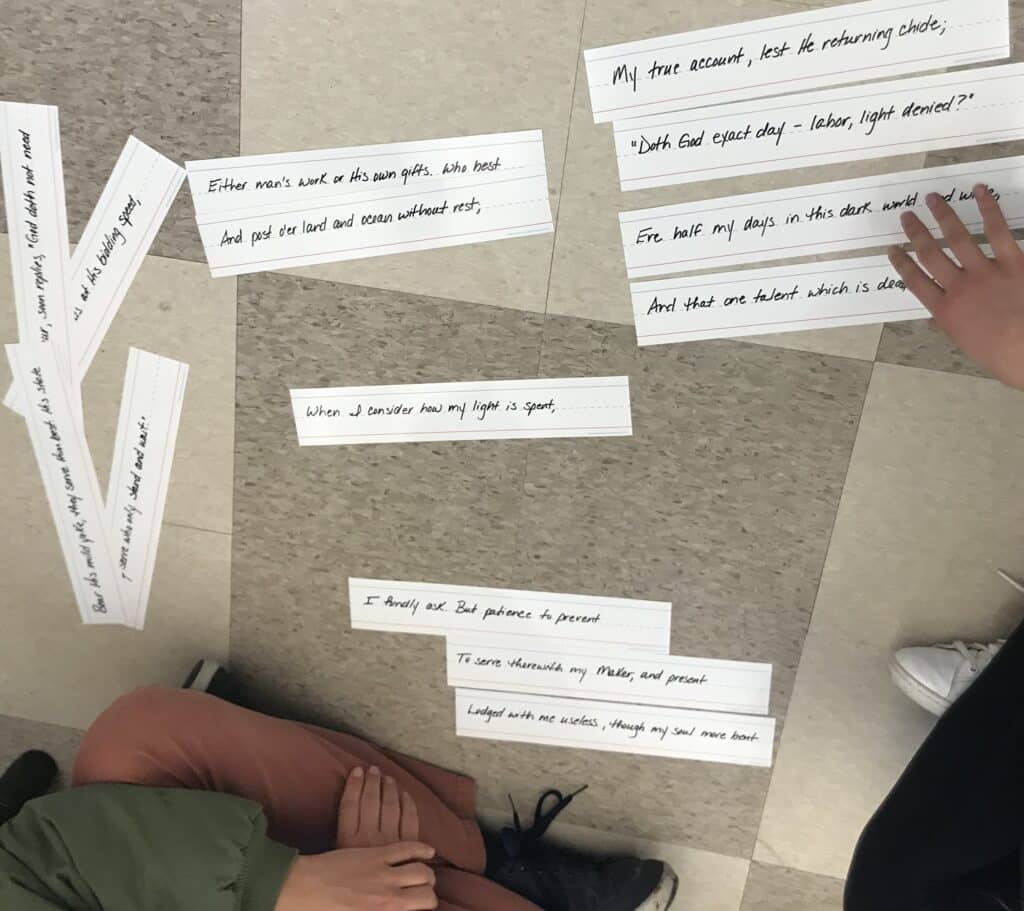
The third strategy, "Text Rendering," directly addresses a common challenge faced by ELA students: the tendency to discuss texts using broad, generalized ideas without anchoring them to specific textual evidence. Susan Barber developed this lesson to help students "narrow their focus when they’re making meaning from the text." Often, when asked to explain their interpretations, students struggle to pinpoint the precise textual origin of their insights, stating "It’s just there." Text Rendering provides a systematic approach to bridge the gap between grand ideas and specific textual details.
The process begins with a selected passage of text. Students are first challenged to identify the most important sentence or line within that passage. From that chosen sentence, they must then select the most critical phrase or clause. Finally, from that phrase, they must distill it further to the single most important word. This nested selection process forces students to engage in an intensive analytical process, justifying each choice based on its perceived impact on the passage’s overall meaning or thematic resonance.
After making their individual selections, students are required to defend their choices to their classmates, articulating their reasoning and explaining how their chosen word, phrase, and sentence contribute to their understanding of the text’s core message. This defense fosters robust academic discourse, hones argumentation skills, and encourages students to consider multiple perspectives. Following this individual and small-group discussion, the groups work together to synthesize their findings and draw collective conclusions about the passage, grounding their interpretations firmly in the selected textual evidence.
Text Rendering is a powerful tool for developing textual fluency and precision. It cultivates an ability to discern the most salient points within a text, analyze the impact of specific word choices, and build interpretations from the ground up, moving from the granular detail to the overarching theme. This systematic deconstruction and reconstruction of meaning is vital for developing sophisticated literary analysis skills.
Broader Implications and the Future of ELA Engagement
The strategies championed by Sztabnik and Barber represent a significant contribution to contemporary pedagogical practices in ELA. Their emphasis on low-tech, active, and collaborative learning aligns perfectly with modern educational research advocating for student-centered approaches. By moving beyond passive reading assignments, these methods empower students to become active participants in the construction of knowledge, fostering a deeper, more personal connection with the texts they encounter.
The accessibility of these strategies is a key strength. Requiring minimal resources—primarily paper, writing implements, and a willingness to reorganize classroom space—they are readily implementable in diverse educational settings, regardless of technological infrastructure. This makes them particularly valuable for educators facing resource constraints or seeking alternatives to screen-based learning.
Furthermore, the "100% Engagement" philosophy extends beyond individual lessons. Sztabnik and Barber have cultivated an ongoing community of practice through their "100% Engagement" Facebook group and their "Much Ado About Teaching" blog. These platforms serve as vital hubs for educators to share experiences, exchange ideas, and collaboratively refine teaching methodologies. This collaborative ecosystem reinforces the idea that effective teaching is a dynamic, evolving process, enriched by shared expertise and continuous professional dialogue.
In an era where critical literacy and communication skills are more vital than ever, the work of educators like Brian Sztabnik and Susan Barber provides a compelling blueprint for revitalizing ELA classrooms. By offering concrete, engaging strategies that prioritize active learning, critical thinking, and collaborative inquiry, they are helping to ensure that the timeless power of text continues to captivate and educate the next generation of learners. Their book and the community they have built offer a valuable resource for any teacher committed to fostering genuine enthusiasm and profound understanding in the study of language and literature.