
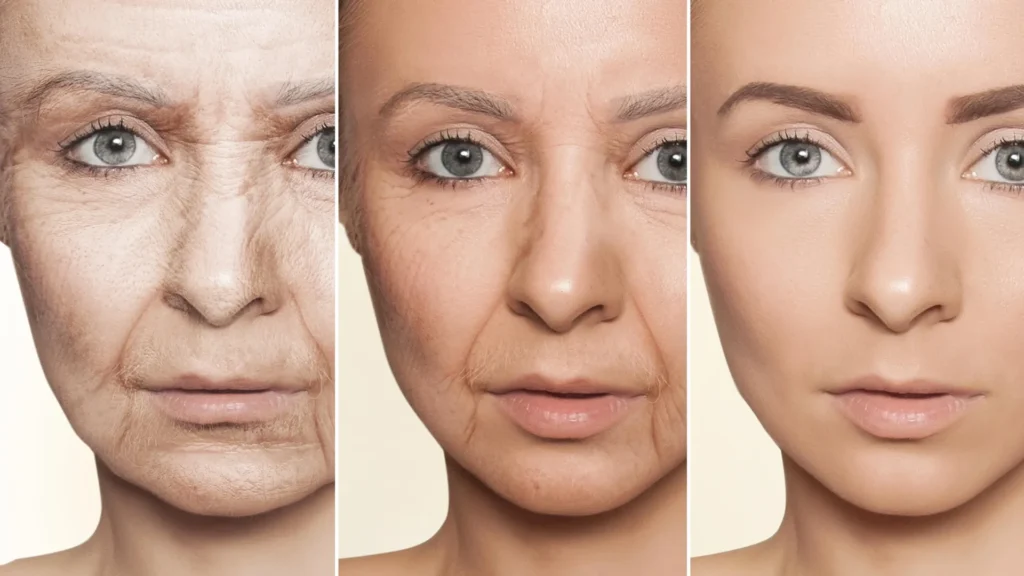
Aging has long been viewed as an immutable biological trajectory characterized by the inexorable decline of physical vitality and cognitive acuity. From the greying of hair to the fraying of memory, the manifestations of senescence are woven into the human experience. However, a groundbreaking collaborative study involving researchers from Xi’an Jiaotong-Liverpool University, Stanford University, Shanghai Jiao Tong University, and the University of Chinese Academy of Sciences has introduced a provocative hypothesis: the mechanisms of aging may not be as rigid as previously assumed. By focusing on a unique class of lipid molecules found in marine organisms, scientists have successfully reversed signs of cognitive decline and physical aging in laboratory mice, opening a new frontier in geriatric science.
The Marine Origin of a Potential Anti-Aging Breakthrough
At the center of this research is the sea squirt, or Ascidiacea, a marine invertebrate known for its unassuming appearance and its culinary role in East Asian diets. In South Korea, it is celebrated as a delicacy called meongge, while in Japan, it is known as hoya. Beyond its status as a regional food item, the sea squirt is a rich source of plasmalogens—specialized phospholipids that are critical components of human cell membranes.
Plasmalogens are not merely structural fats; they are highly bioactive molecules. They are found in abundance throughout the human body, particularly within the myelin sheaths that insulate neurons, the membranes of cardiac cells, and the architecture of the immune system. Scientific literature has established that as humans age, systemic levels of plasmalogens naturally deplete. This depletion has been clinically correlated with the onset of neurodegenerative conditions, including Alzheimer’s disease and Parkinson’s disease. Given this, the research team hypothesized that the degradation of these lipids might be a primary driver—or at the very least, a significant marker—of the aging process.
Chronology of the Investigation
The study was structured to evaluate whether the exogenous supplementation of plasmalogens could counteract these age-related deficits. The research protocol was divided into three distinct phases: initial screening of cognitive baseline, a longitudinal dietary intervention period, and post-experimental neurological analysis.
In the first phase, the researchers established a baseline for cognitive performance using the Morris water maze, a gold-standard assessment in behavioral neuroscience. The experiment utilized two cohorts of mice: a control group of younger subjects and a group of aged mice. During the training phase, the mice were tasked with locating a submerged platform in an opaque pool. While the younger mice demonstrated rapid learning through spatial navigation, the aged mice exhibited significant delays, confirming the expected cognitive decline associated with their physiological maturity.
Following the establishment of these baselines, the research team initiated the second phase: a controlled dietary intervention. For a set period, the aged mice were fed supplements enriched with plasmalogens derived from marine sources. The third phase involved the re-testing of these mice in the Morris water maze and a subsequent histological examination of their brain tissue to identify structural changes at the cellular level.
Empirical Findings: Cognitive and Physical Rejuvenation
The results of the study were significant enough to warrant immediate attention within the scientific community. After five days of dietary supplementation, the aged mice demonstrated a marked improvement in memory and spatial learning, closing the performance gap between them and the younger cohort. They were able to locate the hidden platform with a speed and accuracy that mirrored their younger counterparts.
Perhaps more visually striking were the external markers of vitality. Professor Lei Fu, the corresponding author of the study, reported that the treated mice exhibited physical transformations that had not been anticipated. Beyond the cognitive recovery, the aged mice displayed a resurgence in hair growth, with their coats becoming thicker, glossier, and darker—a stark contrast to the sparse, grey hair typically seen in aged specimens.
This suggests that the systemic benefits of plasmalogen intake extend beyond the central nervous system, impacting integumentary health and potentially signaling a broader, organism-wide metabolic restoration.
Analyzing the Mechanism: Synapses and Neuroregeneration
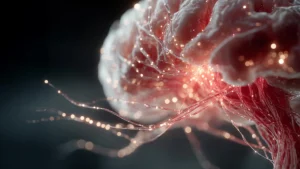
The researchers sought to explain these improvements by analyzing the synaptic architecture of the mice’s brains. Synapses—the microscopic junctions where nerve cells exchange information—are the primary sites of neural communication. In the aging brain, these connections typically undergo degradation, a process that limits neural plasticity and impairs the brain’s ability to adapt to new stimuli.
The histological analysis revealed that the mice treated with plasmalogens possessed a higher density of synapses compared to the untreated aged group. Furthermore, these synapses appeared structurally robust, indicating that the lipids may facilitate the maintenance of existing neural circuits and potentially stimulate the formation of new ones.
Professor Fu identified two potential pathways for these observations. First, plasmalogens appear to upregulate the production of neurotrophic factors—molecules that support the growth, survival, and differentiation of neurons. By fostering a neuro-regenerative environment, the body may be better equipped to repair the damage wrought by the passage of time.
Second, there is evidence that plasmalogens modulate the fluidity of synaptic membranes. By altering the structural properties of these membranes, the lipids may optimize the speed and efficiency of neurotransmitter release, thereby enhancing the transmission of signals between neurons.
The Gut-Brain Axis: An Unexpected Mediator
The research also highlighted a significant reduction in neuroinflammation among the treated group. Chronic inflammation is a hallmark of the aging brain, often exacerbated by a dysregulated immune response. Persistent inflammatory signals are known to damage neurons and disrupt synaptic communication, creating a cycle of cognitive deterioration.
Interestingly, Professor Fu suggests that these changes may be influenced by the gut-brain axis. Emerging research has consistently shown that the gut microbiome plays a pivotal role in systemic health, influencing everything from metabolic rate to neurological stability. The study indicates that dietary plasmalogens may modulate the composition of gut microorganisms, which in turn signal the brain to reduce inflammatory activity. This holistic view of the body suggests that the benefits of marine-derived lipids may be a result of a complex, multi-systemic interaction rather than a simple localized effect.
Implications for Human Health and Future Research
While the findings provide a compelling case for the potential of plasmalogens, the transition from murine models to human clinical application is a rigorous and lengthy process. Professor Fu, who has personally adopted a daily regimen of plasmalogen supplements, acknowledges the need for caution. The primary challenge remains determining whether the metabolic pathways observed in rodents translate directly to human physiology, which is subject to a far more complex array of environmental and genetic variables.
For the medical community, the study underscores a shift in focus from merely treating the symptoms of neurodegenerative disease to addressing the fundamental molecular deficits that contribute to brain aging. If future human trials confirm that oral supplementation is both safe and effective, it could lead to the development of novel nutraceuticals or therapeutic interventions aimed at stalling or reversing cognitive impairment.
However, researchers emphasize that "reversing aging" is a multifaceted challenge. While plasmalogens show promise in supporting synaptic health and reducing inflammation, they are unlikely to be a panacea. The medical community remains focused on longitudinal studies to determine optimal dosages, potential long-term side effects, and the demographic groups most likely to benefit from such an intervention.
Conclusion: A New Direction in Gerontology
The study serves as a poignant reminder that the answers to some of the most complex biological questions may be found in the most unexpected places—in this case, the humble sea squirt. By bridging the gap between marine biology and neuroscience, the research team has provided a new, evidence-based avenue for exploring the mechanisms of senescence.
As global populations continue to age, the search for strategies to maintain cognitive independence has become a public health priority. If the promise held by plasmalogens is validated in human clinical settings, it could fundamentally alter our approach to aging, transforming it from a process of inevitable decline into one that can be managed, supported, and perhaps even rejuvenated. Until then, the scientific community awaits the next phase of research, which will seek to unravel the precise interactions between these marine lipids and the human brain.