



The Historical Oversight: A "Lost Generation" Comes to Light
Many educators currently in their 30s, 40s, and 50s navigated their formative years and entered the teaching profession during an era when discussions surrounding neurodiversity were largely absent from mainstream discourse. Diagnostic criteria for conditions like ADHD and autism were often narrow, predominantly focusing on presentations in young, hyperactive boys. This limited understanding meant that girls, high-achievers, and individuals whose neurodivergent traits manifested less overtly were frequently overlooked, leading to missed diagnoses and a pervasive lack of self-understanding. Research indicates that while ADHD affects approximately 2.5% of adults and autism spectrum disorder affects about 1-2% of the global population, a significant number of adults remain undiagnosed, particularly women, who are often adept at "masking" their symptoms to conform to societal expectations.
For this "lost generation" of educators, the realization of their own neurodivergence frequently emerges later in life. This often happens after a child receives a diagnosis, prompting self-reflection, or through increased public awareness fostered by social media and podcasts that illuminate the varied presentations of neurodevelopmental conditions. This late recognition can bring a profound sense of relief, providing a framework to understand lifelong patterns of overwhelm, inconsistency, and burnout. However, it can also be accompanied by grief – grief for decades spent in self-blame, for the unnecessary exhaustion of striving to meet expectations designed for different cognitive profiles, and for the potential impact on their careers and personal lives.
The irony for these educators is particularly sharp: they were often trained to identify and support neurodivergent traits in their students, meticulously collecting data, documenting behaviors, and implementing interventions, yet rarely paused to apply the same lens to their own experiences. The struggle to consistently meet paperwork deadlines, the late nights spent reinventing lesson plans, or the feeling of constantly improvising to stay afloat were often attributed to personal failings rather than an inherent mismatch between their cognitive processing and systemic expectations. This reinterpretation of one’s own life story is both liberating and destabilizing, fundamentally shifting perspectives on their work, their students, and the very systems they operate within.

The Unseen Demands: Executive Function and Sensory Overload in Teaching
The teaching profession, while rewarding, is inherently complex and taxing, placing immense demands on executive functions. These include planning, organization, task initiation, working memory, self-monitoring, and emotional regulation – areas where neurodivergent individuals, particularly those with ADHD or autism, may experience significant challenges. A typical school day requires educators to:
- Manage Multiple Tasks Simultaneously: Juggling lesson delivery, classroom management, student individual needs, and administrative duties.
- Rapid Task-Switching: Moving quickly from teaching a concept to managing a behavioral issue, then to a parent email, and back to instruction.
- Constant Sensory Input: Navigating noisy classrooms, fluorescent lighting, unexpected interruptions, and the social dynamics of large groups.
- Organizational Rigor: Maintaining lesson plans, grading papers, tracking student progress, and adhering to strict deadlines for reports and assessments.
- Emotional Labor: Providing consistent emotional support to students while managing their own stress and emotional regulation.
These demands, while challenging for any teacher, can be particularly draining for neurodivergent individuals. What might be perceived as a minor inconvenience for a neuronormative person can become a significant energy drain or a source of profound overwhelm for someone with sensory sensitivities or executive dysfunction. This constant internal effort to "keep up" often leads to masking, where educators suppress their natural responses and exert enormous energy to appear "normal" or "professional," contributing significantly to burnout. Teacher retention rates are a persistent concern across many regions, with studies frequently citing workload and stress as primary drivers for leaving the profession. For neurodivergent teachers, these existing pressures are often amplified, making sustainability a critical issue.
Beyond Deficits: The Invaluable Contributions of Neurodivergent Teachers
Despite these systemic challenges, neurodivergent teachers are often among the most innovative, empathetic, and passionate educators within school communities. Their unique cognitive profiles equip them with distinct strengths that enrich the learning environment and foster a more inclusive educational culture. When schools shift from viewing neurodivergent traits as deficits to recognizing them as variations in thinking, processing, and engaging, the immense value these educators bring becomes clear:
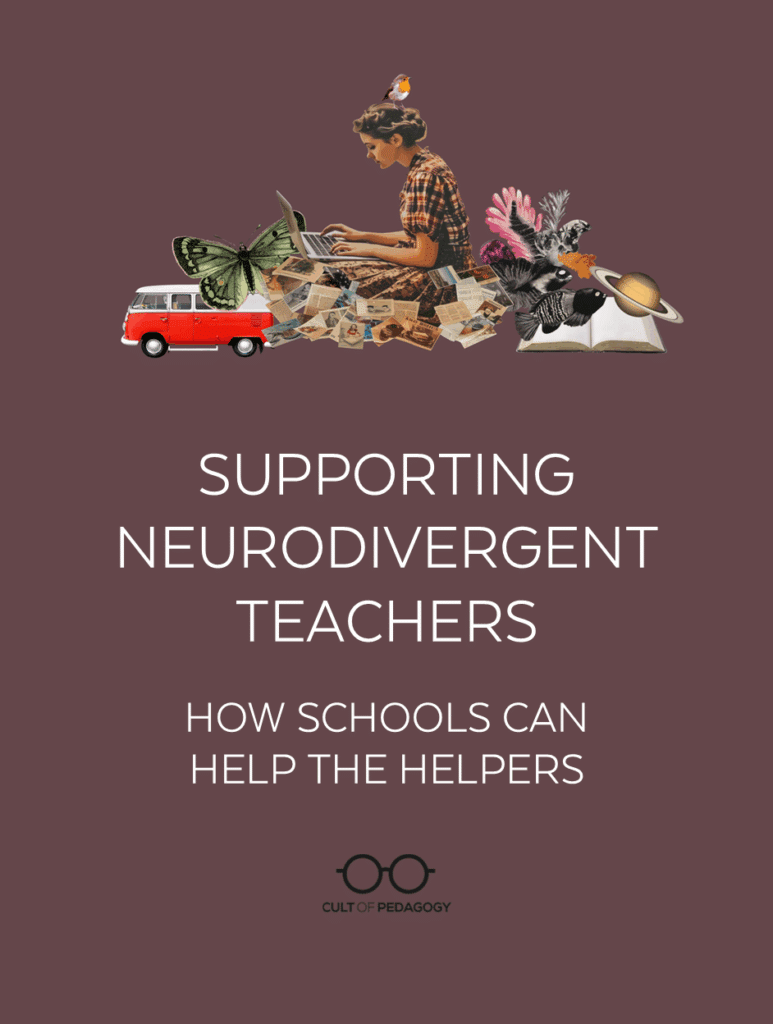
- Innovative Problem-Solving: Neurodivergent brains often approach challenges from unconventional angles, leading to creative solutions for curriculum design, classroom management, and student engagement.
- Deep Empathy and Connection: Many neurodivergent individuals, particularly those on the autism spectrum, possess a profound capacity for empathy, allowing them to connect deeply with students, especially those who may also feel marginalized or misunderstood. This fosters a strong sense of belonging for students.
- Authenticity and Role Modeling: When supported, neurodivergent teachers can model authenticity, self-awareness, and self-advocacy for their students, demonstrating that there isn’t one "right" way to learn, think, or be successful. This normalizes neurodiversity for students, including those who may also be neurodivergent.
- Specialized Interests and Knowledge: Hyperfocus, a common trait in ADHD and autism, can lead to deep expertise and passionate engagement in specific subject areas, inspiring students with genuine enthusiasm and in-depth knowledge.
- Detail-Oriented Observation: An ability to notice subtle patterns or details that others might miss can be invaluable in understanding student needs, adapting instruction, and identifying underlying learning challenges.
- Fairness and Justice: A strong sense of justice and adherence to rules, common in some neurodivergent profiles, can translate into equitable classroom practices and a commitment to fairness for all students.
Educational leaders and neurodiversity advocates increasingly emphasize that leveraging these strengths requires intentional effort to create inclusive environments. By valuing cognitive diversity, schools can tap into a rich reservoir of talent, leading to more dynamic and effective teaching practices that benefit all learners.
Systemic Misfits: When School Structures Create Barriers
While the strengths of neurodivergent educators are undeniable, they often exist within school structures that are inadvertently designed for a neuronormative majority. These structures can inadvertently drain energy, stifle creativity, and erode confidence over time. Common systemic challenges include:
- Rigid Schedules and Transitions: The constant bell schedule, frequent class changes, and packed daily routines can be highly taxing for those who struggle with executive function or benefit from more predictable, stable environments.
- Administrative Overload: Excessive paperwork, data entry, and bureaucratic procedures can overwhelm individuals who find these tasks particularly arduous, diverting energy from core teaching responsibilities.
- Sensory-Rich Environments: Open-plan staff rooms, fluorescent lighting, constant noise, and unpredictable interruptions can cause sensory overload, leading to fatigue, irritability, and reduced focus.
- Unclear Communication and Expectations: Vague directives, last-minute changes, or an expectation of "reading between the lines" can be challenging for neurodivergent individuals who thrive on explicit instructions and clear communication.
- Social Expectations and "Masking": The pressure to constantly engage in social niceties, attend numerous meetings, and participate in extracurricular events can be exhausting for those who find social interactions draining, leading to increased masking and burnout.
- Lack of Flexible Work Arrangements: Traditional "one-size-fits-all" approaches to professional development, meeting structures, or even classroom layouts can fail to accommodate diverse learning and working styles.
This paradox highlights a fundamental disconnect: schools frequently articulate values of diversity and individualization for students, yet often struggle to apply these same principles to their staff. When flexibility and understanding are absent, inherent strengths can become debilitating stressors, leading to talented educators leaving the profession prematurely.
Empowering Individual Agency: Strategies for Neurodivergent Educators
While systemic change is paramount, neurodivergent educators can also employ practical strategies to manage their energy, optimize their workflow, and enhance job sustainability. These are not universal solutions but represent tools for experimentation and personalized adaptation:
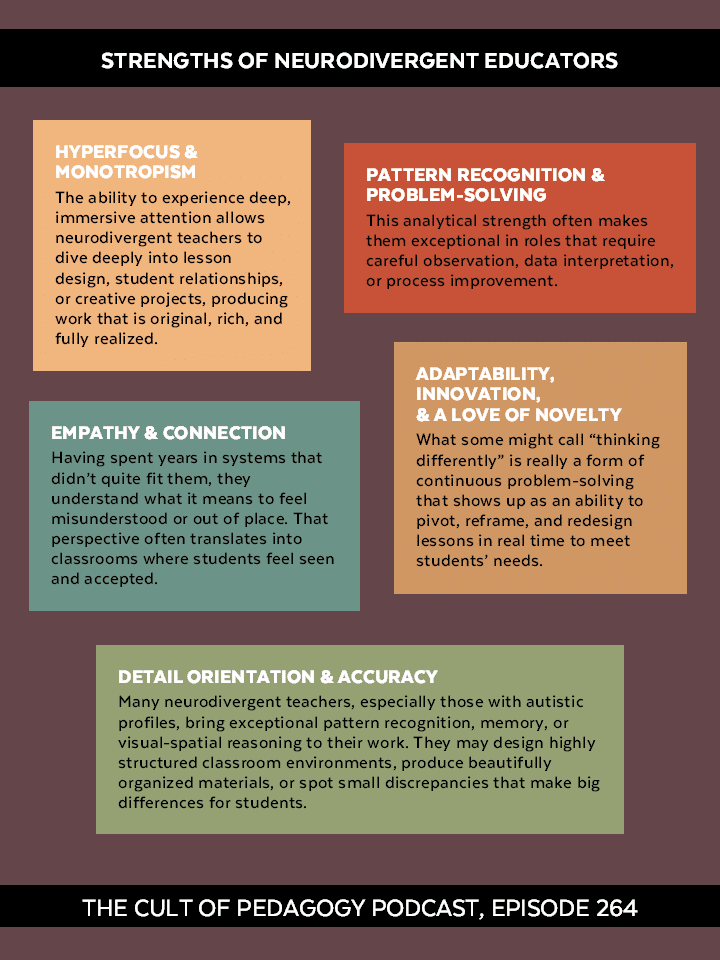
- Externalize Executive Functioning: Instead of relying solely on memory, offload mental tasks onto trusted systems. This includes visual task boards, digital calendars with detailed reminders, voice memos for capturing spontaneous ideas, and automation tools like IFTTT (If This Then That) to streamline routine digital tasks. The goal is to make the invisible mental load tangible and manageable.
- Batch and Bundle Tasks: Minimize cognitive "gear-shifting" by grouping similar tasks. Dedicate specific blocks of time for grading all essays, writing all lesson plans for the week, or responding to all parent emails. This focused work reduces the energy expenditure associated with constant context-switching.
- Utilize Body Doubling: The presence of another person working nearby can significantly improve focus and task initiation. This could involve co-planning with a colleague, joining a virtual co-working session, or even simply working in a shared space during planning periods. The subtle accountability and shared focus can be remarkably effective.
- Build Sensory-Friendly Routines: Proactively manage sensory input. This might mean using noise-reducing headphones during prep time, adjusting classroom lighting (opting for lamps or natural light over harsh fluorescents), incorporating short movement breaks, or having a designated "reset ritual" (e.g., stepping outside for a few breaths, sipping water) between transitions to regulate energy.
- Energy Mapping and Rhythm Awareness: Track personal energy levels and focus patterns over a week or two. Identify peak productivity times and periods of natural dips. Schedule cognitively demanding tasks (e.g., lesson planning, providing complex feedback) during high-energy windows, reserving lower-energy times for more routine or less intensive tasks.
- Leverage Novelty Strategically: For brains that thrive on novelty (common in ADHD), introduce controlled variations to routines. Experiment with new teaching methods, rearrange classroom layouts periodically, or try new digital tools for specific tasks. The key is to use novelty as a motivational fuel to combat stagnation, rather than allowing it to become a distraction.
- Reframe and Practice Self-Compassion: Challenge internalized narratives of failure. View disorganization, forgetfulness, or fatigue as signals that current strategies or environments are not meeting needs, rather than personal flaws. Embrace self-compassion, recognizing that "professionalism" does not equate to perfection, and that sustainable teaching requires honoring one’s unique human needs.
These strategies, individually and in combination, aim not to demand more effort, but to facilitate working differently and more effectively, reducing friction and allowing inherent strengths to flourish.
Catalyzing Change: The Role of School Leadership and Policy
True progress in supporting neurodivergent educators necessitates systemic change initiated and championed by school leadership and policy makers. This is not about granting "special treatment" but ensuring equitable access to and sustainability within the profession. Key actions for schools and administrators include:
- Fostering an Inclusive Culture: Cultivate an environment where neurodiversity is openly discussed and understood, reducing stigma and promoting psychological safety. Leaders should model acceptance and vulnerability.
- Providing Flexible Accommodations: Offer individualized workplace adjustments, such as flexible scheduling for administrative tasks, designated quiet workspaces, alternative meeting formats (e.g., asynchronous updates, shorter meetings), or access to assistive technologies.
- Investing in Professional Development: Offer training for all staff on neurodiversity, covering topics like executive function, sensory processing, communication styles, and practical strategies for supporting neurodivergent colleagues.
- Streamlining Administrative Processes: Critically review and simplify administrative burdens. Can some tasks be automated, delegated, or eliminated entirely? Clarity and conciseness in communication are crucial.
- Designing Sensory-Friendly Environments: Consider the sensory impact of school design. This might involve exploring alternative lighting, providing quiet zones for staff, or offering noise-reducing equipment.
- Establishing Mentorship and Peer Support Networks: Create safe spaces and networks for neurodivergent educators to connect, share strategies, and offer mutual support.
- Advocating for Systemic Shifts: School leaders can advocate at district and policy levels for broader changes that recognize neurodiversity as a valuable asset, influencing hiring practices, retention policies, and resource allocation.
By proactively implementing these measures, schools not only support their neurodivergent staff but also demonstrate a commitment to diversity, equity, and inclusion that resonates throughout the entire community. This aligns with broader societal movements towards creating workplaces where all individuals can thrive.
Broader Implications: Building a Truly Inclusive Educational Ecosystem
When schools intentionally support neurodivergent educators, the benefits extend far beyond the individuals directly concerned. This inclusive approach creates a ripple effect that strengthens the entire educational ecosystem:
- Enhanced Teacher Retention and Well-being: By reducing burnout and creating more sustainable working conditions, schools are better able to retain talented educators, reducing recruitment costs and maintaining institutional knowledge.
- Improved Student Outcomes: Teachers who feel supported and understood are better equipped to model self-advocacy, self-awareness, and creative problem-solving for their students. When students see adults using visual schedules, taking sensory breaks, or openly discussing their attention patterns, it normalizes these strategies as tools for success, not signs of weakness. This fosters a classroom where difference is understood as a part of learning, not something to conceal.
- Innovation and Pedagogical Advancement: Diverse cognitive profiles bring diverse perspectives, fostering a culture of innovation in teaching methods, curriculum development, and student support. This can lead to more dynamic and effective learning experiences for all students.
- A More Authentic Learning Environment: A school culture that values authenticity and acknowledges diverse ways of thinking prepares students for a neurodiverse world, teaching them empathy and respect for individual differences.
- Stronger School Communities: When administrators approach neurodiversity with empathy and flexibility, it builds trust and psychological safety across the staff, leading to more collaborative, resilient, and engaged school communities.
The conversation surrounding neurodiversity in education is evolving. Mere awareness is no longer sufficient; it must translate into actionable strategies and systemic reforms. Schools that design for flexibility, clarity, and belonging are not just making life better for neurodivergent staff; they are cultivating environments where every teacher and every student can show up fully, knowing they are valued and belong as they are. This paradigm shift is essential for creating truly equitable, effective, and future-ready educational institutions.