

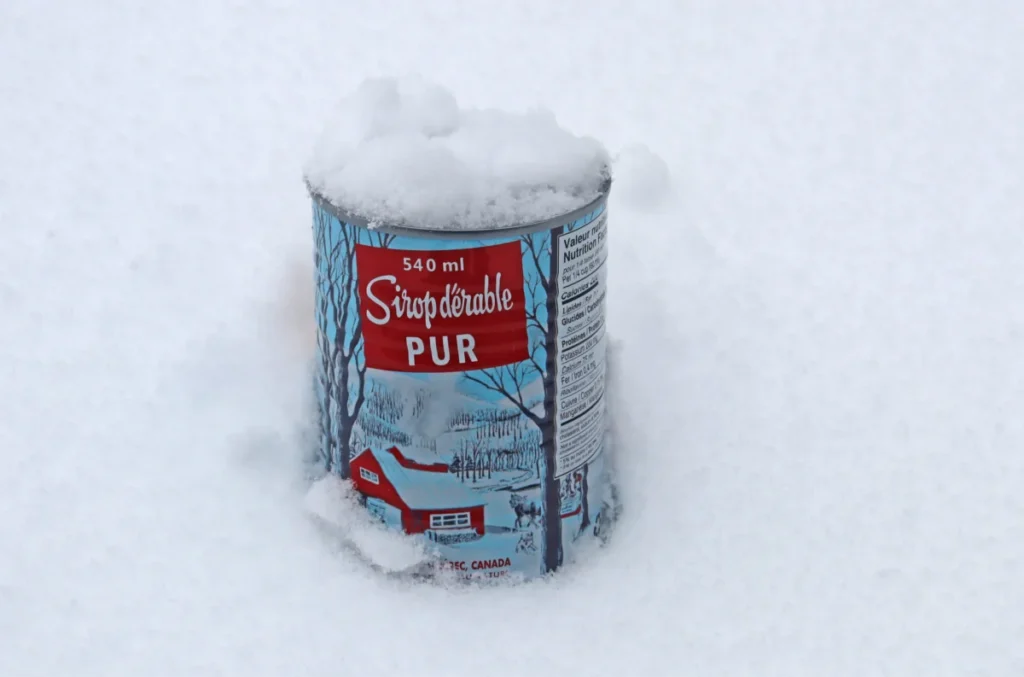
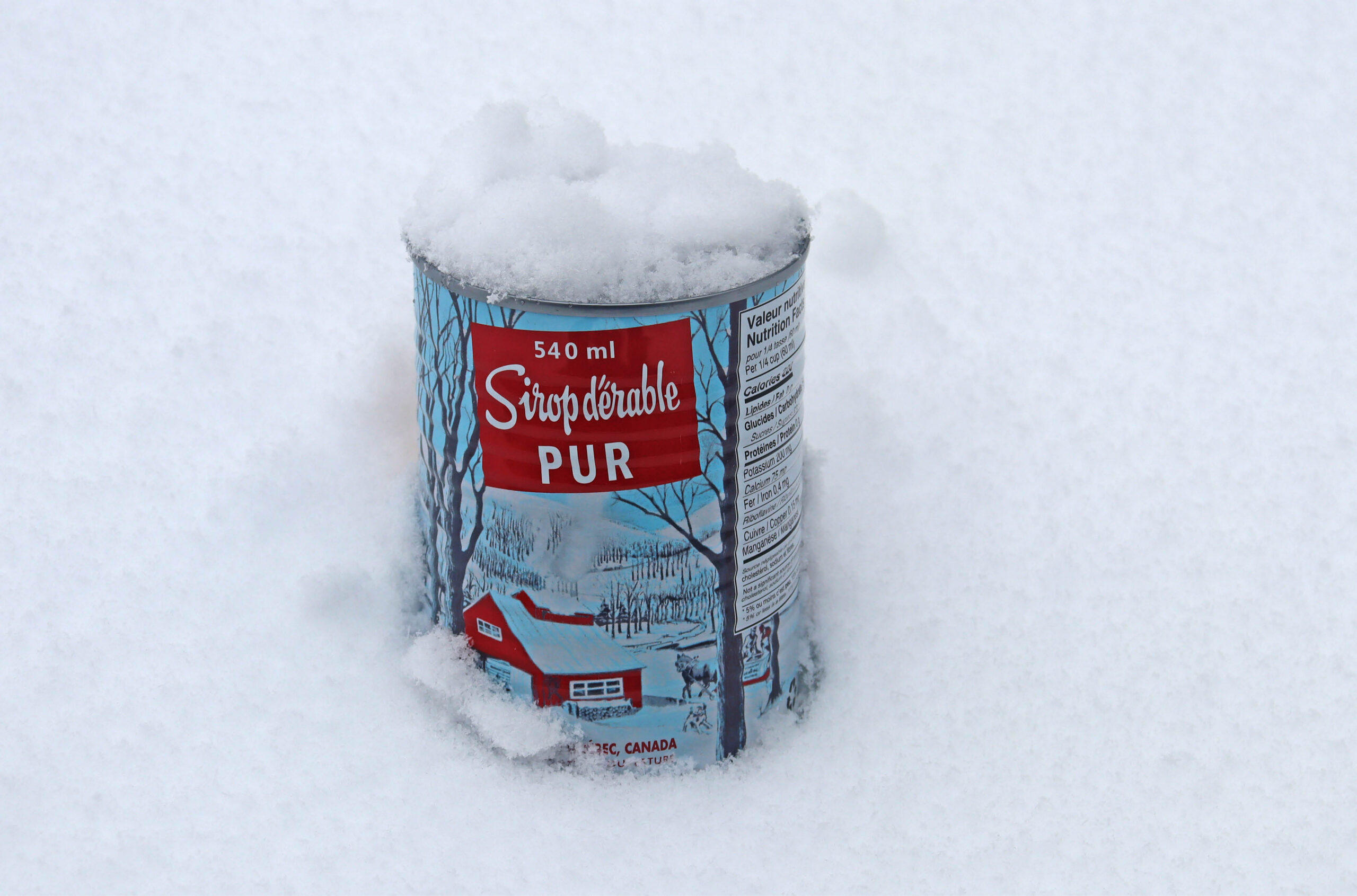
The familiar aphorism that money doesn’t grow on trees finds an intriguing exception in the verdant expanses of Canada’s maple forests. Maple syrup, a quintessential Canadian delicacy, represents not only a cherished cultural icon but also a significant economic driver. Employing thousands and contributing nearly a billion dollars to Canada’s Gross Domestic Product (GDP), the maple syrup industry is a vital sector. However, despite its economic heft and cultural importance, scientific data guiding the optimization of maple syrup harvests while simultaneously ensuring the long-term health and sustainability of the very forests that produce this sweet bounty has historically been scarce. Recognizing this critical gap, Université Laval took a significant step in October 2025 by establishing a dedicated Research Chair in Maple Syrup Production and Sugar Bush Management. This pioneering initiative, forged in collaboration with the Producteurs et productrices acéricoles du Québec (PQ), the influential organization representing Quebec’s maple syrup producers, heralds a new era of scientific inquiry and strategic planning for this beloved industry.
The appointment of Dr. Guillaume Moreau to lead this newly formed research chair underscores the commitment to bridging the divide between traditional practices and cutting-edge scientific understanding. Dr. Moreau, a respected figure in forest ecology and sustainable resource management, brings a wealth of knowledge and a forward-thinking vision to this crucial role. His conviction is clear: Canada possesses substantial untapped potential for expanding its maple syrup production. Yet, this expansion, he emphasizes, cannot proceed in a vacuum. It must be meticulously integrated with a comprehensive understanding of forest ecosystem health, acknowledging and balancing the needs of other vital forest stakeholders, including recreational users, the burgeoning tourism sector, and the established forestry industry. This multi-faceted approach is central to the chair’s mission.
Genesis of a Crucial Initiative
The establishment of the Research Chair in Maple Syrup Production and Sugar Bush Management did not occur overnight. It represents the culmination of years of dialogue and recognition within both the academic and agricultural communities about the evolving challenges facing the maple syrup industry. As global demand for natural sweeteners continues to rise, and as climate change introduces new variables into forest ecosystems, the need for robust, science-based management strategies has become increasingly apparent.
The Producteurs et productrices acéricoles du Québec, representing the vast majority of Canadian maple syrup production, have long been at the forefront of advocating for sustainable practices. Their deep understanding of the land, gained through generations of hands-on experience, has been instrumental in shaping the industry. However, they also recognize the imperative to integrate scientific research to address complex issues such as pest management, climate resilience, and optimal tapping techniques that maximize yield without compromising tree vitality.
Université Laval, with its strong tradition in agricultural and environmental sciences, provided the ideal institutional home for such a research endeavor. The university’s existing infrastructure, its network of researchers across relevant disciplines, and its commitment to knowledge mobilization made it a natural partner. The collaborative nature of the chair’s creation, involving both the academic institution and the primary industry stakeholder, signals a powerful synergy aimed at translating research findings into practical, on-the-ground solutions.
A Holistic Approach to Forest Management
Dr. Moreau’s vision for the Research Chair extends far beyond simply increasing syrup yields. It is rooted in the principle of holistic forest management. This means viewing the sugar bush not just as a source of sap, but as a complex, interconnected ecosystem that supports biodiversity, provides essential ecological services, and serves multiple human uses.
The research agenda is expected to delve into a wide array of critical areas:
- Optimizing Tapping Techniques: Investigating the ideal number, size, and placement of taps per tree to maximize sap flow while minimizing stress on the maple trees. This includes exploring the impact of different tapping technologies and their long-term effects on tree health.
- Forest Health and Resilience: Studying the susceptibility of maple stands to pests, diseases, and extreme weather events, and developing strategies to enhance their resilience in the face of climate change. This could involve research into disease-resistant tree varieties, integrated pest management approaches, and understanding the impact of changing temperature and precipitation patterns on sap production.
- Ecosystem Services and Biodiversity: Quantifying the role of sugar bushes in supporting biodiversity, including pollinators, wildlife, and understory vegetation. Research will aim to understand how maple syrup production practices can be integrated with conservation efforts to maintain or even enhance these ecological values.
- Water Management and Soil Health: Examining the impact of tapping and syrup production on soil moisture, nutrient cycling, and water quality within the sugar bush. Sustainable water management practices will be a key focus.
- Socio-Economic Factors: Analyzing the economic viability of different production models, exploring market trends, and understanding the social dynamics of maple syrup production, including labor challenges and community impacts.
- Interdisciplinary Collaboration: Fostering partnerships between researchers from various fields, including forestry, biology, chemistry, economics, and social sciences, to address the multifaceted nature of maple syrup production and forest management.
Bridging Research and Practice: Collaboration is Key
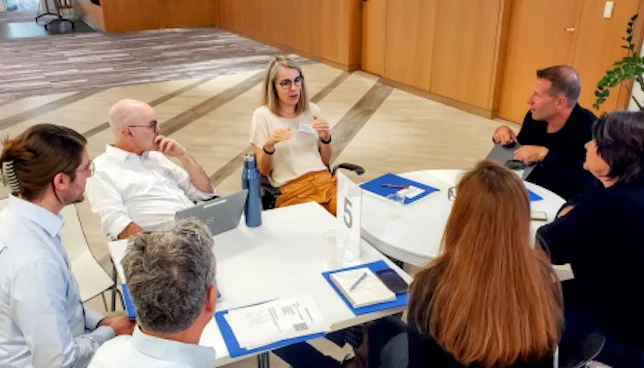
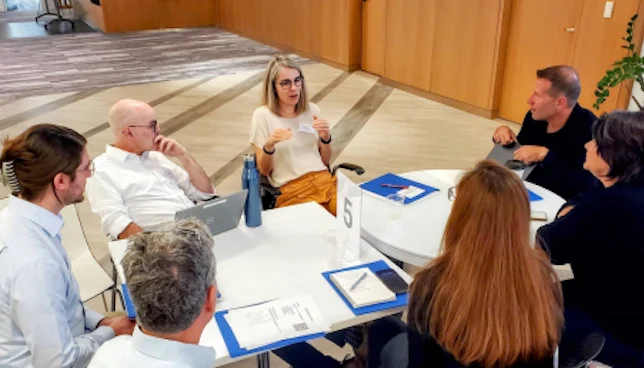
A cornerstone of the Research Chair’s strategy is its commitment to collaborative engagement. Dr. Moreau explicitly highlights the intention to bring together a diverse group of stakeholders. This includes not only academic researchers and maple syrup producers but also representatives from government agencies, environmental organizations, and, crucially, First Nations communities.
First Nations have a long and intimate relationship with the maple forests and their traditional knowledge of sustainable harvesting practices is invaluable. Integrating this ancestral wisdom with modern scientific research promises to yield unique and effective solutions. By fostering dialogue and mutual learning, the chair aims to ensure that its research is not only scientifically sound but also culturally relevant and practically applicable.
This collaborative model is essential for the successful transfer of knowledge from the laboratory and research plots to the actual sugar bushes. Producers will have direct access to the latest research findings, and their on-the-ground experience will inform the direction of future research, creating a virtuous cycle of innovation and improvement.
Data-Driven Decisions for a Sustainable Future
The current scarcity of comprehensive scientific data is a significant hurdle. While many maple syrup producers rely on generations of accumulated wisdom and empirical observation, systematic, large-scale data collection and analysis are needed to inform broader policy and industry-wide best practices.
The Research Chair will aim to generate this critical data through various means:
- Long-Term Monitoring Sites: Establishing research sugar bushes across different geographical regions and ecological conditions to monitor key variables over extended periods. This will allow for the tracking of tree health, sap yields, environmental factors, and the impact of different management interventions.
- Advanced Sensor Technology: Employing sensors to gather real-time data on sap flow, sugar content, tree physiology, and microclimatic conditions within the forest.
- Genomic and Physiological Studies: Investigating the genetic makeup of maple trees and their physiological responses to tapping and environmental stressors.
- Economic Modeling: Developing sophisticated economic models to assess the long-term profitability of various sustainable management strategies.
This data-driven approach will provide an objective basis for decision-making, moving beyond anecdotal evidence to scientifically validated practices. It will enable the industry to adapt to changing environmental conditions and market demands with greater confidence and efficacy.
Economic Significance and Broader Implications
The economic impact of the maple syrup industry in Canada is substantial and far-reaching. Quebec, in particular, is the world’s largest producer, accounting for over 70% of global production. The industry supports a significant number of jobs, not only directly in harvesting and processing but also in related sectors such as equipment manufacturing, transportation, and tourism.
The implications of a more optimized and sustainable maple syrup production sector are manifold:
- Economic Stability and Growth: Enhanced production efficiency and resilience can lead to greater economic stability for producers and contribute to the continued growth of this vital agricultural sector.
- Enhanced Market Competitiveness: By adopting best practices informed by research, Canadian maple syrup producers can further solidify their position in the global market, ensuring a high-quality, sustainably produced product.
- Environmental Stewardship: A stronger focus on forest health and ecosystem services will reinforce Canada’s commitment to environmental stewardship and sustainable resource management. This can enhance the reputation of Canadian agricultural products on the international stage.
- Climate Change Adaptation: Research into climate resilience will equip the industry to better withstand the impacts of a changing climate, ensuring its long-term viability.
- Rural Economic Development: The maple syrup industry is often a cornerstone of rural economies. Its continued success contributes to the economic vitality and social fabric of these communities.
Looking Ahead: A Vision for the Future
Dr. Moreau’s aspirations for the Research Chair are ambitious yet grounded in a pragmatic understanding of the challenges and opportunities ahead. "I hope we’ll be able to offer many potential solutions and new insights," he states, underscoring the transformative potential of this initiative. "It’s a very important mission, to support not only the maple syrup industry, but everyone who has a stake in the forest. We have everything in place to make a real impact on knowledge. And meanwhile, we’re training the next generation of experts who will lead major research projects of their own."
This emphasis on training the next generation of researchers and industry leaders is a critical long-term objective. By fostering a culture of inquiry and providing hands-on experience in cutting-edge research, the chair will ensure a pipeline of skilled professionals equipped to tackle the evolving challenges of maple syrup production and forest management for decades to come.
The launch of this Research Chair represents a significant investment in the future of one of Canada’s most iconic and economically important agricultural sectors. By prioritizing scientific rigor, collaborative engagement, and a holistic approach to forest management, Université Laval and its partners are poised to unlock new levels of understanding and innovation, ensuring that Canada’s sweet bounty continues to thrive sustainably for generations to come. The journey from sap to syrup is being re-examined through a lens of scientific inquiry, promising a richer, more resilient future for both the industry and the forests it depends upon.