
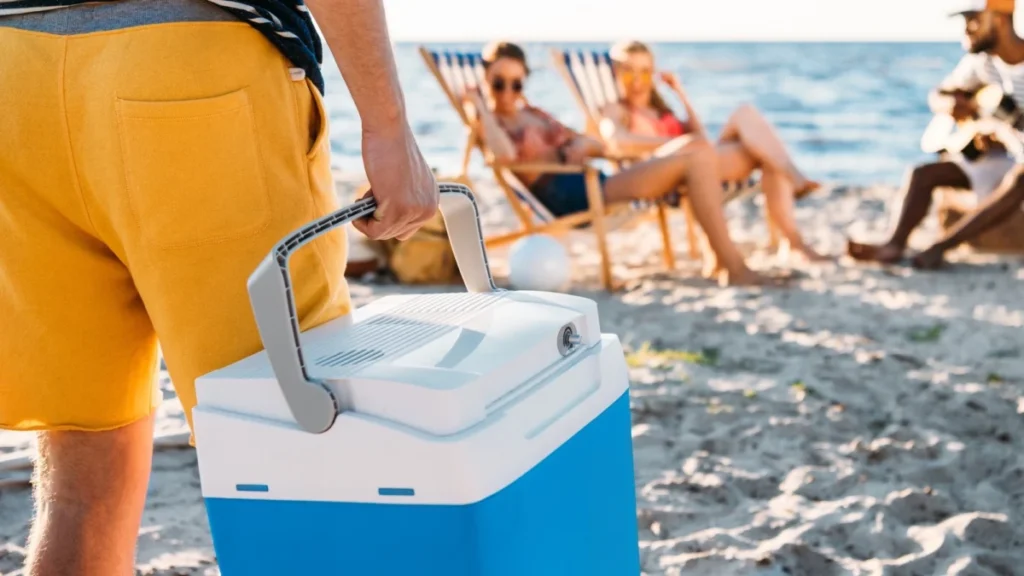
As the summer season drives millions of enthusiasts toward beaches, campsites, and national parks, the humble portable cooler has transitioned from a simple plastic box into a critical piece of outdoor infrastructure. While the traditional approach to packing a cooler often involves a haphazard arrangement of ice bags and beverages, thermal dynamics and food safety experts suggest that a more methodical, science-based approach is necessary to maintain internal temperatures over extended periods. In an era where premium outdoor gear has become a multibillion-dollar industry, understanding the physics of insulation and the logistics of cold-chain management is essential for any successful excursion.
The Foundation of Thermal Retention: Material Science and Pre-Chilling
The efficacy of a cooler is determined by its ability to resist heat transfer, which occurs through three primary methods: conduction, convection, and radiation. Modern high-end coolers, often utilizing rotomolded construction, employ thick walls filled with pressure-injected polyurethane foam. This material has a high R-value, a measure of thermal resistance, which prevents the ambient outside heat from penetrating the interior. However, even the most expensive hardware will underperform if it is not managed correctly from the outset.
The most frequent error identified by industry experts, including design teams at leading manufacturers like Yeti and Coleman, is the failure to account for "stored heat." If a cooler is stored in a warm garage, attic, or trunk, the insulation material itself retains significant thermal energy. When ice is added to a warm cooler, a substantial portion of its cooling potential is wasted simply lowering the temperature of the cooler’s walls.
To counteract this, the "pre-chill" phase is mandatory. By placing a "sacrificial" bag of ice or frozen jugs inside the cooler at least 12 to 24 hours before the actual packing begins, the user ensures that the insulation is already at a baseline cold temperature. This preparation allows the "permanent" ice added later to focus entirely on maintaining the temperature of the contents rather than fighting the heat of the container itself.
A Chronological Guide to Maximum Cooler Efficiency
Achieving professional-grade cooling requires a timeline that begins long before the vehicle is loaded. Following a structured chronology ensures that every component of the cooler is optimized for the duration of the trip.
24 Hours Before Departure: Thermal Baselining
The cooler should be moved into a temperature-controlled environment. If it was stored in a hot area, it must be wiped down and filled with a preliminary cooling agent. During this time, all beverages and food items intended for the cooler should be refrigerated in a standard home unit. Packing warm soda cans or room-temperature sandwiches into a cooler is a common mistake that forces the ice to work harder than necessary.
12 Hours Before Departure: Freezing Components
In addition to chilling the cooler, users should freeze any items that can double as ice packs. Water bottles, juice boxes, and even certain vacuum-sealed meats can be frozen solid. This serves a dual purpose: it provides additional thermal mass to keep the environment cold and provides a chilled beverage or meal once it eventually thaws.
The Hour of Departure: The Layering Strategy
Packing should occur as the last step before leaving. The strategy follows a specific hierarchy based on the laws of thermodynamics:
- The Base Layer: Large blocks of ice or frozen jugs should be placed at the bottom. Block ice has less surface area than cubed ice, meaning it melts at a significantly slower rate.
- The Thermal Mass Layer: Dense, heavy items like meats and frozen water bottles go next.
- The Protective Layer: Perishables that must stay dry, such as eggs or vegetables, should be placed in sealed plastic containers or elevated racks to prevent them from becoming submerged as ice eventually melts.
- The Top Layer: Cubed ice should be poured over the top to fill all air gaps. Air is the enemy of cold; "dead air" pockets allow for convection currents that speed up the melting process.
Supporting Data: The 2-to-1 Ratio and Ice Longevity
Data from thermal testing laboratories suggests that the most effective ice-to-contents ratio is 2:1. This means that for every one-third of the cooler filled with food and drinks, two-thirds should be dedicated to ice. While this significantly reduces the available storage space, it is the industry standard for maintaining temperatures below the 40-degree Fahrenheit threshold required for food safety.
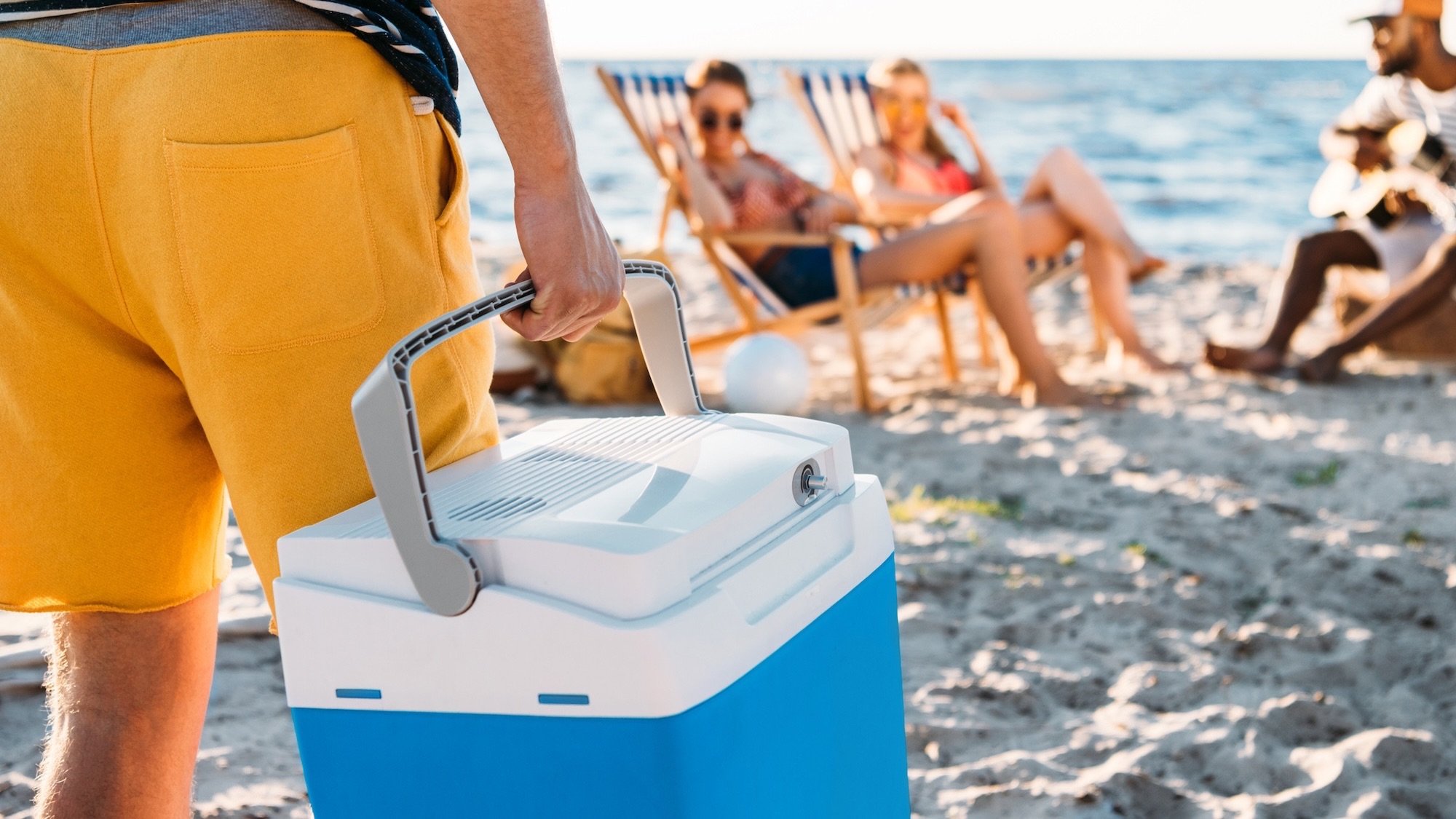
Furthermore, the type of ice used has a measurable impact on performance. In controlled tests, a solid 10-pound block of ice can last up to 50% longer than 10 pounds of standard "party ice" from a convenience store. For multi-day trips, experts recommend a "hybrid" approach: using block ice as the foundation for longevity and crushed ice as a filler to eliminate the aforementioned air pockets.
Food Safety and the "Danger Zone"
Beyond the desire for a cold beverage lies the critical issue of public health. The United States Department of Agriculture (USDA) defines the "Danger Zone" for food as the temperature range between 40°F and 140°F. In this range, bacteria such as Salmonella and E. coli can double in number in as little as 20 minutes.
For outdoor enthusiasts, the cooler is the only line of defense against foodborne illness. Maintaining a constant internal temperature of 40°F or lower is vital. Journalistic investigations into camping-related illnesses often point toward "ice melt contamination." As ice melts, the resulting water can seep into improperly sealed food containers. This water can harbor bacteria from the exterior of beverage cans or raw meat packaging. To mitigate this risk, experts suggest using "dry" cooling methods—such as reusable gel packs or ensuring all food is in airtight, watertight hard-plastic containers rather than thin plastic bags.
Industry Perspectives and Market Trends
The outdoor recreation economy has seen unprecedented growth over the last decade, contributing roughly $862 billion to the U.S. GDP according to the Bureau of Economic Analysis. Within this sector, the "premium cooler" market has exploded. Brands like Yeti, Pelican, and Orca have revolutionized consumer expectations, moving the cooler from a disposable commodity to a "buy-it-for-life" investment.
Representatives from the outdoor gear industry note that consumer behavior is shifting toward more technical applications. "We are seeing a move away from the ‘day-tripper’ mentality," says one industry analyst. "People are engaging in ‘overlanding’ and extended off-grid stays. This requires a level of thermal management that was previously only seen in medical or industrial cold-chain logistics."
This shift has also led to the rise of electric, compressor-based portable fridges that bypass the need for ice entirely. However, for the vast majority of consumers, the traditional passive cooler remains the preferred choice due to its durability, lack of power requirements, and lower entry price point.
Broader Implications: Environmental and Economic Impacts
The science of packing a cooler also carries environmental implications. Efficient ice management reduces the frequency of "ice runs," which in turn reduces the carbon footprint associated with driving to convenience stores and the plastic waste generated by multiple bags of ice. Furthermore, by preventing food spoilage, proper cooler techniques contribute to a reduction in food waste—a significant issue during large-scale festivals and camping events.
Economically, the adoption of professional packing techniques allows consumers to get more value out of their gear. A mid-range cooler packed using the pre-chill and 2:1 ratio methods can often outperform a premium cooler that has been packed incorrectly. This democratization of performance means that high-level outdoor experiences are more accessible to those who may not have the budget for the most expensive equipment but have the knowledge to optimize what they own.
Conclusion: The Future of Portable Cold Storage
As climate patterns shift and summer temperatures reach record highs across the globe, the ability to maintain cold storage in mobile environments will become increasingly important. Future innovations in phase-change materials (PCMs) and vacuum-insulated panels (VIPs) are expected to eventually migrate from laboratory and medical use into the consumer cooler market. These technologies promise to keep contents frozen for weeks rather than days.
Until those technologies become mainstream, the best tools available to the public are preparation and the application of basic physics. By treating the cooler as a managed thermal environment rather than a simple box, outdoor enthusiasts can ensure their food remains safe, their beverages remain refreshing, and their excursions remain uninterrupted by the logistical failures of improper cooling. The message from experts is clear: the success of the trip begins the night before, in the quiet of a cool kitchen, with a single bag of sacrificial ice.