

An international clinical trial, spearheaded by leading institutions including University College London (UCL) and Great Ormond Street Hospital (GOSH), has unveiled highly promising results for an experimental therapy targeting Dravet syndrome, a severe and notoriously difficult-to-treat form of epilepsy in children. The investigational drug, zorevunersen, appears to be not only safe and well-tolerated but also profoundly effective at mitigating seizures, marking a significant stride towards dramatically improving the health and daily lives of affected children and their families. These groundbreaking findings, recently published in the prestigious New England Journal of Medicine, represent a potential paradigm shift in the management of this devastating genetic disorder.
The Breakthrough Therapy: Zorevunersen’s Promise
The study meticulously tracked children diagnosed with Dravet syndrome who were regularly administered zorevunersen, reporting an impressive reduction in seizure frequency by as much as 91 percent. This level of efficacy is particularly noteworthy given the refractory nature of Dravet syndrome, where conventional anti-epileptic drugs often fail to provide adequate control. Beyond seizure management, researchers also observed encouraging preliminary evidence suggesting that the therapy might alleviate some of the profound neurodevelopmental challenges associated with the disorder. Over a three-year observation period, participating children demonstrated discernible improvements in their overall quality of life, while the majority of reported side effects were classified as mild and manageable. This dual impact on both seizure control and developmental outcomes underscores the transformative potential of zorevunersen.
Understanding Dravet Syndrome: A Devastating Condition
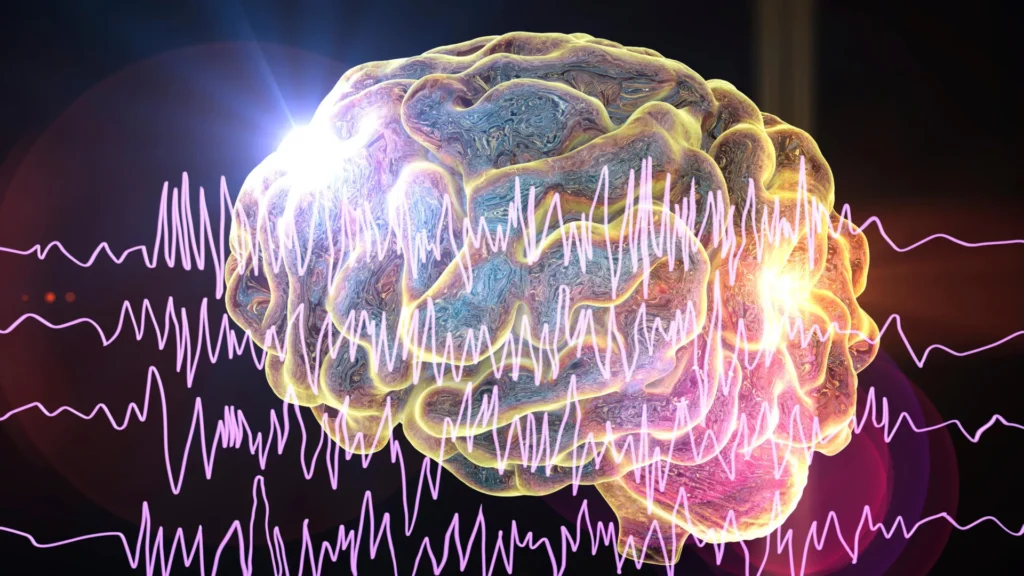
Dravet syndrome, first described in 1978 by French epileptologist Dr. Charlotte Dravet, is a rare and severe genetic epilepsy affecting approximately 1 in 15,700 to 1 in 21,000 live births globally. It typically manifests in the first year of life with prolonged, frequent, and often medication-resistant seizures, frequently triggered by fever or changes in body temperature. The condition is far more complex than just seizures; it is inextricably linked to a myriad of long-term neurodevelopmental challenges, including cognitive impairment, speech and language difficulties, motor coordination problems (ataxia), behavioral issues (such as autism spectrum disorder traits and hyperactivity), and chronic sleep disturbances. Children with Dravet syndrome also face feeding difficulties, movement disorders, and a significantly elevated risk of premature death, particularly from Sudden Unexpected Death in Epilepsy (SUDEP).
For countless families grappling with Dravet syndrome, treatment options have historically been severely limited and largely focused on symptomatic control. Existing anti-epileptic medications, even when used in combination (polypharmacy), frequently prove insufficient to achieve full seizure control in a substantial proportion of patients. Furthermore, critically, no currently approved therapies directly address the pervasive cognitive and behavioral complications that profoundly impact a child’s development and their family’s daily existence. The relentless cycle of seizures, hospital visits, and developmental setbacks places an immense physical, emotional, and financial burden on caregivers, often leading to social isolation and significant stress.
The Scientific Foundation: Targeting the SCN1A Gene
Zorevunersen, developed by Stoke Therapeutics in collaboration with Biogen, represents a pioneering approach by directly addressing the fundamental genetic defect underpinning Dravet syndrome. The vast majority of individuals inherit two copies of every gene, one from each parent. In individuals with Dravet syndrome, approximately 80% of cases are caused by a mutation in one copy of the SCN1A gene. This gene provides instructions for making a critical protein subunit of a voltage-gated sodium channel, NaV1.1, which plays an essential role in regulating the excitability of nerve cells (neurons) in the brain. Specifically, the mutated SCN1A gene fails to produce sufficient amounts of this vital protein, leading to a deficiency in functional NaV1.1 channels, particularly in inhibitory interneurons. This deficit disrupts the delicate balance between excitation and inhibition in the brain, resulting in neuronal hyperexcitability and the characteristic frequent, severe seizures of Dravet syndrome.
Zorevunersen operates as an antisense oligonucleotide (ASO), a cutting-edge class of molecular medicines. ASOs are short, synthetic chains of nucleotides designed to bind to specific RNA molecules. In the case of zorevunersen, it is meticulously engineered to interact with the healthy, unmutated copy of the SCN1A gene. Its mechanism involves modulating RNA splicing or stability in a way that effectively "boosts" or increases the production of the NaV1.1 protein from the remaining functional SCN1A gene copy. By upregulating protein levels from the healthy allele, the therapy aims to restore a more normal and stable function in nerve cells, thereby re-establishing the crucial excitatory-inhibitory balance within the brain. This targeted genetic approach distinguishes zorevunersen from traditional anti-epileptic drugs, which primarily aim to dampen neuronal activity broadly rather than rectify the underlying molecular defect.
Clinical Trial Design and Robust Results
The compelling latest findings emerge from the initial Phase 1/2 clinical trial, known as MONARCH, and its subsequent open-label extension studies. These studies collectively enrolled 81 children with Dravet syndrome, with participants drawn from both the United Kingdom and the United States. The primary objectives of these early-phase investigations were to rigorously assess the safety and tolerability profile of zorevunersen. Beyond safety, researchers meticulously monitored a comprehensive array of secondary endpoints, including the therapy’s impact on seizure frequency, cognitive function, behavioral patterns, and overall quality of life for the children. The success of these initial studies has paved the way for a larger, pivotal Phase 3 trial, which is currently underway to further validate the drug’s efficacy and long-term safety across a broader patient population.
The MONARCH trial enrolled children between the ages of two and 18 years. Prior to commencing treatment, these patients experienced a median of 17 convulsive seizures per month, underscoring the severity of their condition and the unmet medical need. Participants received doses of zorevunersen ranging up to 70mg, administered via a lumbar puncture (spinal tap) – a common delivery method for ASOs targeting central nervous system disorders. Some children initially received a single dose, while others were given additional doses two or three months later over a six-month treatment period. Following the initial phase, an impressive 75 of the children transitioned into the extension studies, where they continued to receive the medication every four months, allowing for an assessment of sustained efficacy and safety.
The results from the extension studies were particularly striking. Among patients who received the highest dose (70mg) during the first stage of the trial, a remarkable reduction in seizure frequency was observed. Over the first 20 months of the extension studies, these children experienced a decrease in seizures ranging from 59 percent to an exceptional 91 percent when compared to their baseline seizure rates before treatment initiation. This translates into a substantial improvement in seizure control, offering children prolonged periods of freedom from seizures that were previously unimaginable. Furthermore, the early indications of improvements in cognitive function and behavior, though preliminary, offer a beacon of hope that zorevunersen might not only control seizures but also mitigate some of the debilitating developmental consequences of Dravet syndrome. The therapy was generally well-tolerated, with most reported adverse events being mild to moderate and consistent with those typically observed with lumbar puncture procedures or in the Dravet syndrome population.
Expert Commentary and Collaborative Effort
Professor Helen Cross, a distinguished lead author of the study and the Director and Professor of Childhood Epilepsy at the UCL Institute of Child Health, as well as an Honorary Consultant in Paediatric Neurology at Great Ormond Street Hospital (GOSH), articulated the profound impact of these findings. "I regularly see patients with hard-to-treat genetic epilepsies with impacts that go beyond seizures, and it’s heartbreaking when treatment options are limited," Professor Cross remarked. "This new treatment could help children with Dravet syndrome lead much healthier and happier lives." She further emphasized the robustness of the safety data: "Overall, our findings showed that zorevunersen is safe to use and well tolerated by most patients and supports further evaluation in the ongoing Phase Three study." Her sentiments reflect the long-standing dedication of researchers and clinicians to finding effective solutions for rare neurological conditions.
The success of this trial is a testament to extensive international collaboration. Nineteen participants were treated at specialized hospitals across the United Kingdom, including GOSH, Sheffield Children’s Hospital, Evelina London Children’s Hospital, and The Royal Hospital for Children in Glasgow. At GOSH, a world-renowned center for pediatric care and research, the study was conducted within the National Institute of Health and Care Research’s Clinical Research Facility, a cutting-edge environment specifically designed for conducting experimental clinical trials involving children. This infrastructure and expertise were crucial for the meticulous execution of such a complex study. The partnership between academic institutions like UCL and GOSH, and industry leaders like Stoke Therapeutics and Biogen, highlights the synergistic approach necessary to translate scientific discoveries into tangible patient benefits.
A Glimmer of Hope: Patient and Family Perspectives
The most poignant testament to zorevunersen’s potential comes from the real-life experiences of patients and their families. Freddie, an eight-year-old patient from Huddersfield who receives care through Sheffield Children’s NHS Foundation Trust, participated in the trial and embodies the transformative impact of the therapy. His mother, Lauren, shared a powerful account of their journey: "The trial has completely changed our lives. We now have a life we didn’t ever think was possible, and most importantly, it’s a life that Freddie can enjoy." Before starting treatment in 2021, Freddie endured a grueling routine of more than a dozen seizures every night. Following treatment, his seizure pattern shifted dramatically, reducing to just one or two brief seizures, lasting mere seconds, occurring every three to five days. This dramatic reduction in seizure burden not only improves Freddie’s safety and well-being but also allows for better sleep, greater participation in daily activities, and a significant reduction in the constant anxiety experienced by his family.
Galia Wilson, Chair of Trustees for Dravet Syndrome UK, echoed this sentiment of profound relief and optimism. "We regularly see the devastating impact that this condition has on the lives of families," Wilson stated. "That’s why we’re so thrilled about these latest results from the initial zorevunersen clinical trials." She articulated the collective anticipation within the patient community: "We’re now looking forward to the Phase Three clinical trials taking place to see if the early promise we see here will translate into real hope for all those families currently affected by Dravet Syndrome." Her statement underscores the long-awaited need for therapies that can truly make a difference in the lives of those affected by this challenging condition.
The Path Forward: Phase Three and Beyond
While the initial results are overwhelmingly positive, the journey to regulatory approval and widespread availability is still ongoing. The commencement of the larger, global Phase 3 trial is a critical next step. This phase will involve a greater number of participants and typically extends over a longer duration, providing more comprehensive data on both efficacy and long-term safety across diverse patient populations. Successful completion of the Phase 3 trial is usually a prerequisite for seeking market authorization from regulatory bodies such as the U.S. Food and Drug Administration (FDA) and the European Medicines Agency (EMA). These agencies will meticulously review all the accumulated data to determine if zorevunersen meets the stringent criteria for safety, efficacy, and quality.
Should zorevunersen gain regulatory approval, its impact could be far-reaching. It would represent one of the first gene-targeted therapies for Dravet syndrome, moving beyond symptomatic treatment to address the underlying genetic cause. This shift could not only improve seizure control but potentially alter the natural history of the disease by mitigating its severe developmental consequences. Researchers will continue to monitor patients for long-term safety, durability of effect, and any potential impact on developmental trajectories over many years. Future studies may also explore optimal dosing regimens, earlier intervention strategies, and combination therapies to further enhance outcomes.
Broader Implications for Genetic Therapies
The success of zorevunersen in Dravet syndrome holds significant implications that extend beyond this specific condition. It further validates the immense potential of antisense oligonucleotide technology as a therapeutic modality for a wide range of genetic disorders, particularly those affecting the central nervous system. ASOs offer a precise and customizable approach to modulate gene expression, whether by increasing protein production from a healthy gene copy, silencing a mutated gene, or correcting aberrant splicing. The growing pipeline of ASO therapies for conditions like spinal muscular atrophy (SMA), Huntington’s disease, and now Dravet syndrome, signals a new era in precision medicine.
The rigorous and successful execution of this trial for a rare and complex disease like Dravet syndrome also sets a precedent and provides valuable insights for the development of therapies for other challenging genetic epilepsies and neurological conditions. It underscores the critical importance of foundational genetic research, innovative drug discovery, and dedicated international collaboration between academic institutions, hospitals, patient advocacy groups, and pharmaceutical companies. The hope that zorevunersen brings to families affected by Dravet syndrome is not merely about managing symptoms; it is about offering the genuine prospect of a significantly better quality of life and a future filled with greater possibilities. This breakthrough marks a pivotal moment in the fight against severe pediatric epilepsies, offering a powerful testament to the relentless pursuit of scientific innovation for those who need it most.