

The evocative power of a madeleine, famously immortalized in Marcel Proust’s In Search of Lost Time, has long served as a literary shorthand for the involuntary nature of memory. However, what was once considered a purely psychological or neurological phenomenon is now being re-evaluated through the lens of biological science. Recent research from the University of Southern California (USC) Dornsife College of Letters, Arts and Sciences suggests that the origin of these vivid, food-related recollections may not reside solely within the cranium, but may be actively mediated by signals originating in the digestive tract.
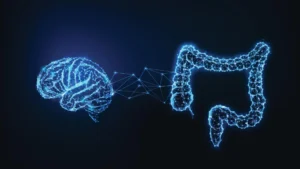
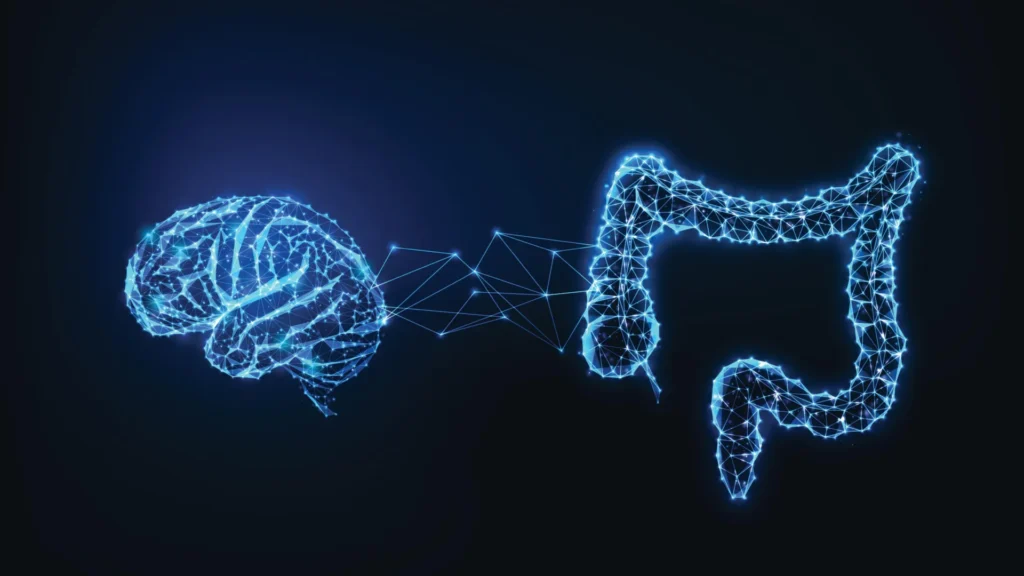
This paradigm-shifting study, published in the journal Nature Communications, establishes a direct functional link between the vagus nerve—the primary communication highway between the gut and the brain—and the hippocampus, the brain’s central hub for learning and memory. By demonstrating that the gut actively “informs” the brain about the nutritional value of consumed food, researchers have opened a new frontier in understanding how the body prioritizes information for long-term storage and how systemic health influences cognitive longevity.
The Anatomy of an Appetite-Driven Memory
At the center of this investigation is the vagus nerve, a complex bundle of fibers that extends from the brainstem to the abdomen, innervating virtually every major organ in the digestive system. While its role in regulating metabolic processes, such as hunger, satiety, and gastric motility, has been well-documented for decades, its involvement in higher-order cognitive functions like episodic memory has remained largely unexplored until now.
Led by Scott Kanoski, a professor of biological sciences, the research team sought to map the chemical signaling pathway that translates the act of eating into the formation of a memory. The study utilized a series of controlled experiments with rodent models to observe the real-time neurochemical response to caloric intake. The findings were striking: the ingestion of nutrient-dense foods prompted a localized increase in acetylcholine within the hippocampus.
Acetylcholine is a critical neurotransmitter, widely recognized for its role in focus, learning, and the encoding of new information. In the study, this spike in acetylcholine was not a random occurrence; it was contingent upon successful signaling through the vagus nerve. When the researchers experimentally disrupted these vagal pathways, the acetylcholine response was abolished, and the subjects demonstrated a marked inability to retain spatial memories, specifically regarding the location of their food sources.
Nutritional Value Versus Sensory Pleasure
One of the most significant takeaways from the study is the distinction between sensory gratification and nutritional signaling. In a series of tests, researchers compared the hippocampal response to sugar and fat against the response to non-caloric, sweet-tasting liquids.
The data revealed that the brain’s memory-encoding pathways are highly selective. While nutrient-rich substances triggered the expected surge in acetylcholine, the sweet-but-empty liquids failed to elicit the same response. This suggests an evolutionary mechanism designed to prioritize the storage of information regarding high-value energy sources.
Logan Lauer, a PhD student in the Kanoski lab and the study’s lead author, posits that this system evolved as a survival imperative. For an animal in the wild, the ability to recall exactly where a nutrient-rich plant or prey source was found is a matter of life and death. The gut, in effect, acts as an evaluator, sending a "biological signal of importance" to the brain. When the gut confirms that a meal has provided essential energy, the brain is prompted to "tag" that experience, ensuring that the spatial details of the encounter are preserved for future use.
The Long-Term Consequences of Dietary Choices
While this gut-to-brain pathway is designed to be an adaptive, life-sustaining mechanism, it appears vulnerable to the modern dietary landscape. The research team explored the longitudinal impact of chronic consumption of high-fat and high-sugar diets on the efficiency of this signaling system.
The results provide a sobering look at how early-life nutrition can permanently alter cognitive architecture. Rats fed high-sugar and high-fat diets during their developmental stages exhibited a diminished ability to form food-related memories. Most concerningly, this impairment persisted even after the subjects were transitioned to a healthier, balanced diet.
Analysis showed that the communication pathway between the gut and the hippocampus had been weakened. This suggests that the biological "wiring" responsible for recording important experiences can be degraded by excessive consumption of ultra-processed, nutrient-poor foods. This finding offers a potential biological explanation for the well-established epidemiological link between poor diet, obesity, and an increased risk of cognitive decline in humans.
Clinical Implications and Future Therapeutic Frontiers
The implications of this research extend far beyond animal behavior. As global rates of metabolic diseases like Type 2 diabetes and obesity continue to rise, so too does the incidence of age-related cognitive impairment. By identifying the vagus nerve and hippocampal acetylcholine signaling as a compromised point in this process, the USC team has identified a potential therapeutic target.
"The disruption of acetylcholine signaling in the hippocampus is one of the earliest neurochemical changes in Alzheimer’s disease," Kanoski noted. This observation aligns the study with broader efforts in neuro-gerontology to understand the metabolic underpinnings of neurodegeneration.
If the human brain relies on the same vagus-mediated "signaling boost" for memory formation, then future interventions could move away from purely pharmaceutical approaches. Researchers are already looking toward neuromodulation, such as vagus nerve stimulation (VNS), which is currently utilized for treating refractory epilepsy and treatment-resistant depression. The study suggests that optimizing this communication link could eventually serve as a strategy for preserving cognitive health in vulnerable populations.
Collaborative Scientific Efforts and Methodology
The project represents a multi-institutional endeavor, involving a diverse team of experts from USC Dornsife, Bucknell University, and the Université de Montréal. The breadth of the research team—encompassing biological scientists, behavioral neuroscientists, and metabolic experts—highlights the complexity of the gut-brain axis.
The research was made possible through a robust framework of grant support, including funding from the National Institute of Diabetes and Digestive and Kidney Diseases and the National Institute on Aging. The inclusion of an Alzheimer’s Association Research Fellowship to Promote Diversity further underscores the study’s focus on addressing health disparities in neurological outcomes.
While the researchers emphasize that further human clinical trials are required to confirm the specific pathways and the efficacy of potential treatments, the foundational work is complete. The findings solidify the notion that the digestive system is not merely a fuel-processing unit, but an active participant in the cognitive process.
Conclusion: Rethinking the Anatomy of Memory
As science moves forward, the traditional "brain-centric" view of memory is being replaced by a more holistic understanding of the body as an interconnected system. The work conducted by Kanoski and his colleagues serves as a critical reminder that cognitive health is deeply intertwined with physiological health.
The story of the madeleine, which once served as a metaphor for the mysteries of human recollection, now has a grounded, physiological counterpart. The memory is not just in the mind; it is in the gut. By acknowledging the role of the vagus nerve and the importance of nutrient signaling, researchers are better equipped to combat the rising tide of cognitive decline, potentially preserving the memories of the future by paying closer attention to the fuel that powers the present. As this field continues to evolve, the intersection of gastroenterology and neuroscience may well become the next major frontier in medicine, offering new hope for those facing the challenges of neurodegenerative disease.