


As summer temperatures rise across the Northern Hemisphere, the quest for the quintessential seasonal fruit—the watermelon—reaches a seasonal peak. For decades, consumers have relied on an array of folk methods to determine the internal quality of a watermelon without slicing it open, ranging from the rhythmic "thump test" to the inspection of "bee stings" or scarring. Recently, a new phenomenon has gained traction across social media platforms, colloquially dubbed the "watermelon butthole method." This technique suggests that the size of the blossom end—the small, circular scar opposite the stem—is a definitive indicator of the fruit’s sweetness and juice content. However, horticultural experts and agricultural producers are now stepping forward to clarify the science of fruit selection, debunking viral myths while providing a data-driven framework for identifying peak ripeness.
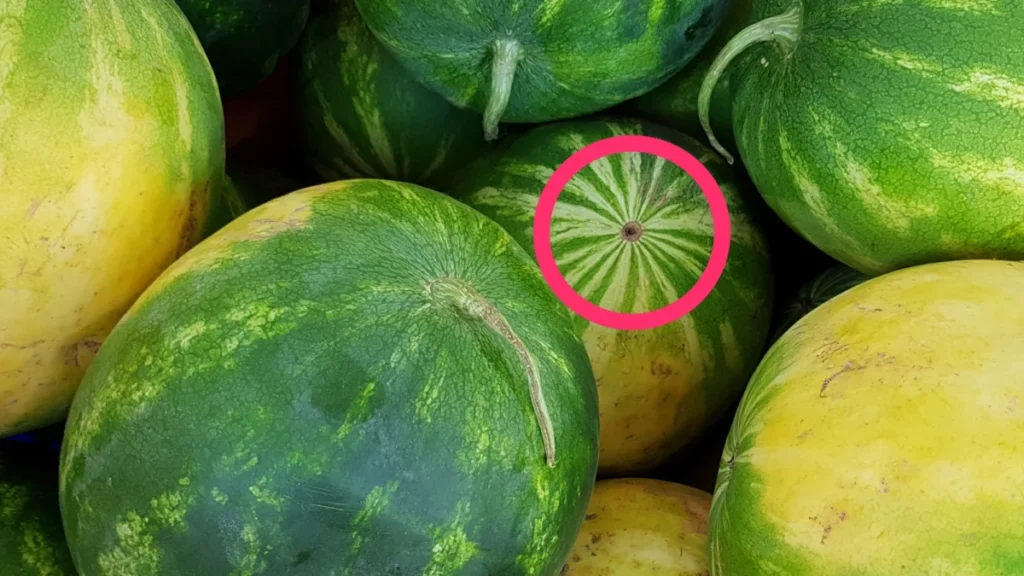
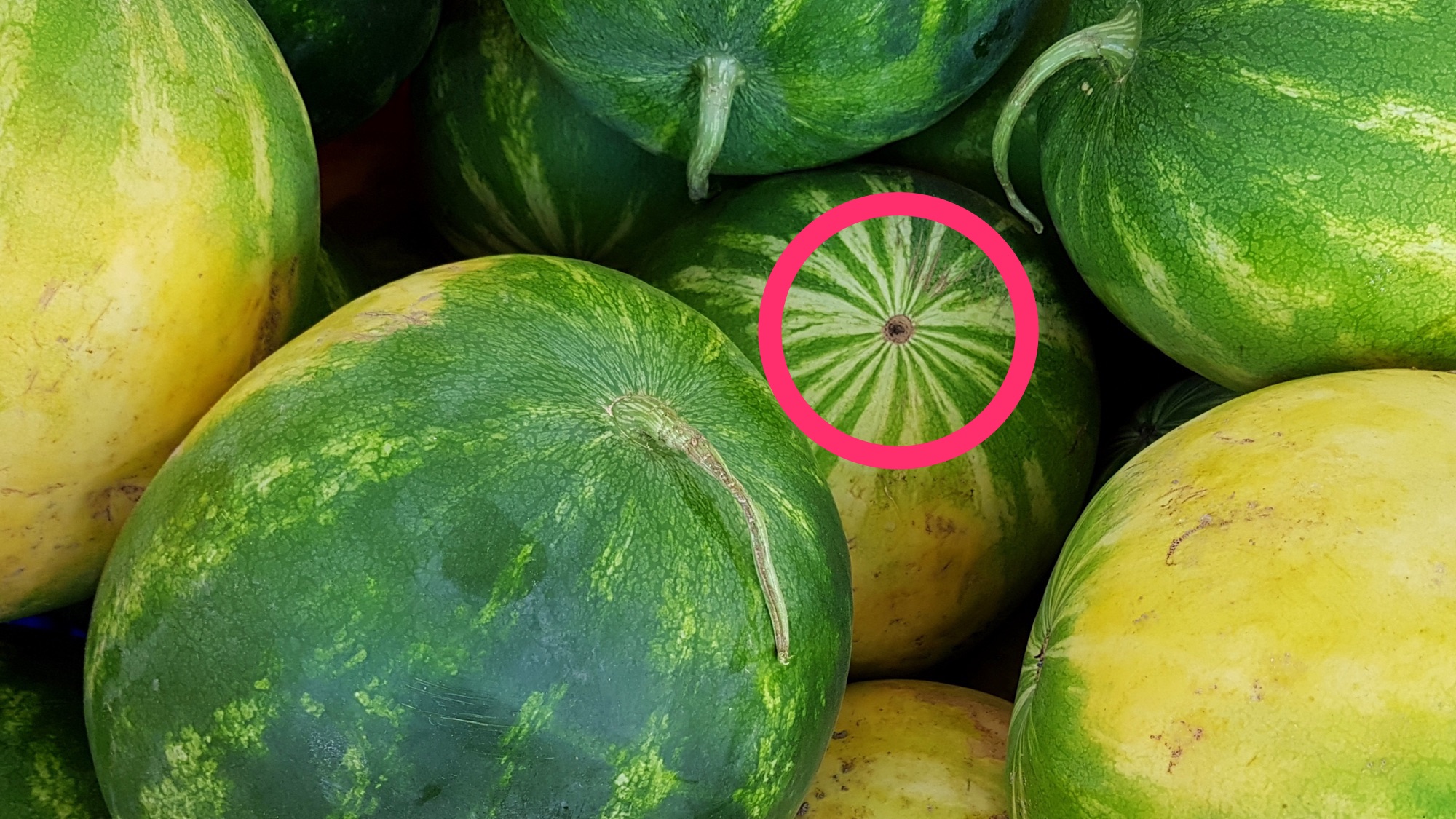
The "butthole" in question is botanically known as the blossom end. This is the point where the watermelon flower was once attached to the developing ovary of the Citrullus lanatus plant. As the fruit grows, the flower falls away, leaving a cicatriz or scar. The viral theory posits that a smaller, tighter blossom end indicates a sweeter, more succulent melon, while a larger circle suggests a fruit that is overripe or lacking in flavor. Despite the enthusiasm of amateur produce pickers online, the agricultural community maintains that this specific physical trait is an unreliable metric for quality.
The Anatomy of the Blossom End and the Rise of Viral Selection Trends
The emergence of the blossom end theory can be traced through the evolution of digital "life hacks" shared on platforms such as TikTok and Instagram. In these short-form videos, creators often present anecdotal evidence, claiming that "female" watermelons (a botanical misnomer, as watermelons are the fruit of the plant and do not have biological sexes in the way animals do) possess a larger blossom end and are sweeter. Scientific reality contradicts this; while watermelon plants have both male and female flowers (monoecious), the fruit itself is the result of a fertilized female flower. The variation in the size of the blossom end scar is typically a result of variety-specific genetics or environmental conditions during the early stages of fruit development rather than an indicator of sugar accumulation.
Jesse James Wiggins, a fifth-generation watermelon producer and former president of the National Watermelon Promotion Board (NWPB), has addressed these claims with professional skepticism. According to Wiggins, the blossom end is a universal feature of the fruit’s anatomy, and its aesthetic appearance does not correlate with the internal Brix level—the measurement of sugar content in a solution. "Every watermelon has a blossom end, and they all pretty much look the same," Wiggins noted in a recent briefing. He emphasized that there is no "secret sweetness indicator" hidden within the diameter of the blossom scar, urging consumers to move past superficial internet trends in favor of established agricultural markers.
Chronology of Fruit Development: From Pollination to Harvest
To understand why external markers are often misleading, one must look at the timeline of watermelon cultivation. A standard watermelon requires between 80 and 100 days to reach maturity. The process begins with pollination, primarily facilitated by honeybees. Once the ovary is fertilized, the fruit begins a rapid expansion phase.
During the first 45 to 50 days after fruit set, the watermelon focuses on physical growth. The final two weeks of the ripening process are the most critical for flavor. During this window, the plant stops sending water to the fruit and begins converting starches into sugars. If a farmer harvests the melon too early, the sugar conversion is incomplete; if harvested too late, the internal flesh becomes mealy as the cell walls begin to break down. Because watermelons do not continue to ripen after being removed from the vine—unlike bananas or tomatoes—the timing of the harvest is the single most important factor in determining quality.
The "Look, Lift, Turn" Framework: A Professional Guide to Selection
In lieu of the blossom end method, the National Watermelon Promotion Board advocates for a three-step evaluation process known as "Look, Lift, Turn." This method is grounded in the physiological changes a watermelon undergoes as it reaches peak maturity on the vine.
-
Look: The exterior of the watermelon should be firm, symmetrical, and free from significant bruises, cuts, or soft spots. While minor scratches or "bee stings" (webbing caused by sugar seeping out or pollination intensity) are often cited as signs of sweetness, they are not always consistent. A healthy, dull-looking rind is generally preferred over a very shiny one, as a high gloss can sometimes indicate an underripe fruit.
-
Lift: Watermelons are approximately 92% water. A ripe watermelon should feel heavy for its size. This weight indicates that the fruit is fully hydrated and the internal flesh is dense and crisp. If a melon feels surprisingly light, it may have begun to dehydrate or develop "hollow heart," a condition where the internal flesh cracks and pulls away from the rind.
-
Turn: Perhaps the most reliable indicator of a vine-ripened watermelon is the "field spot" or "ground spot." This is the area where the melon rested on the earth, shielded from the sun. In an underripe melon, this spot is white or pale green. As the fruit matures and the chlorophyll in that area fades, the spot turns a creamy, buttery yellow. A deep yellow field spot is a strong signal that the fruit was allowed to ripen fully before being harvested.
Data and Economic Impact of the Watermelon Industry
The importance of consumer education regarding fruit selection is underscored by the scale of the watermelon industry. In the United States, watermelon production is a multi-million dollar agricultural sector. According to data from the USDA Economic Research Service, the U.S. produces approximately 3.4 billion pounds of watermelon annually. The leading producer states—Florida, Georgia, Texas, and California—account for the majority of the domestic supply.
For retailers and producers, consumer dissatisfaction leads to significant economic loss and food waste. When a consumer purchases a "dry, mealy, or tasteless" watermelon based on a faulty selection method, they are less likely to make a repeat purchase during the season. By promoting the "Look, Lift, Turn" method, the industry aims to stabilize demand and ensure that the 40-plus pounds of edible fruit contained in an average melon do not end up in a landfill.
Official Responses and Agricultural Analysis
The National Watermelon Promotion Board has been proactive in countering misinformation. Their stance is that the quality of the fruit is determined in the field, not in the grocery store aisle. "The real sweetness and ripeness are determined earlier—by the farmer and the harvester picking the melon at the right time for peak sugar and flavor," Wiggins explained.
Agricultural analysts point out that professional harvesters use several field-specific cues that consumers cannot see. These include the drying of the "tendril" (the small, curly vine closest to the fruit) and the change in the color of the "spoon leaf" (a small leaf near the stem). Because these indicators are left behind in the field, the consumer must rely on the residual evidence of the field spot and the fruit’s overall density.
Broader Implications: Nutrition and Culinary Value
Beyond the mechanics of selection, the watermelon holds a vital place in the human diet due to its nutritional profile. It is a leading source of lycopene, a powerful antioxidant also found in tomatoes, which has been linked to heart health and skin protection. Furthermore, watermelons contain citrulline, an amino acid that may improve blood flow and reduce muscle soreness.
The implications of the "watermelon butthole" trend highlight a broader challenge in the modern information age: the rapid dissemination of "pseudo-science" in the culinary and agricultural spaces. While the name given to the blossom end by the internet is humorous, it reflects a disconnect between urban consumers and the realities of food production. As consumers become more removed from the farm, the reliance on viral "hacks" increases, often at the expense of traditional horticultural knowledge.
In conclusion, while the internet’s fascination with the watermelon’s "butthole" may provide a moment of levity in the produce section, it offers no substantive benefit to the shopper. The most effective way to ensure a successful summer picnic remains a reliance on the physical markers of maturity: a heavy feel, a clean rind, and a prominent, creamy yellow field spot. By adhering to these scientifically backed observations, consumers can navigate the produce aisle with confidence, ensuring that the fruit they bring home is as nutritious and flavorful as intended by the producers who grew it.