




The dream of higher education as a gateway to social mobility is increasingly colliding with the harsh realities of the Canadian housing market. For thousands of students, the pursuit of a degree has become a perilous balancing act, often resulting in "hidden homelessness," where the pursuit of academic success is overshadowed by the daily struggle to find a safe place to sleep. A 2025 study by the Post-Secondary Student Homelessness/Housing Research Network (PSSHRN) has brought this crisis into sharp focus, estimating that one in four Canadian students will face some form of housing instability during their time at a post-secondary institution.
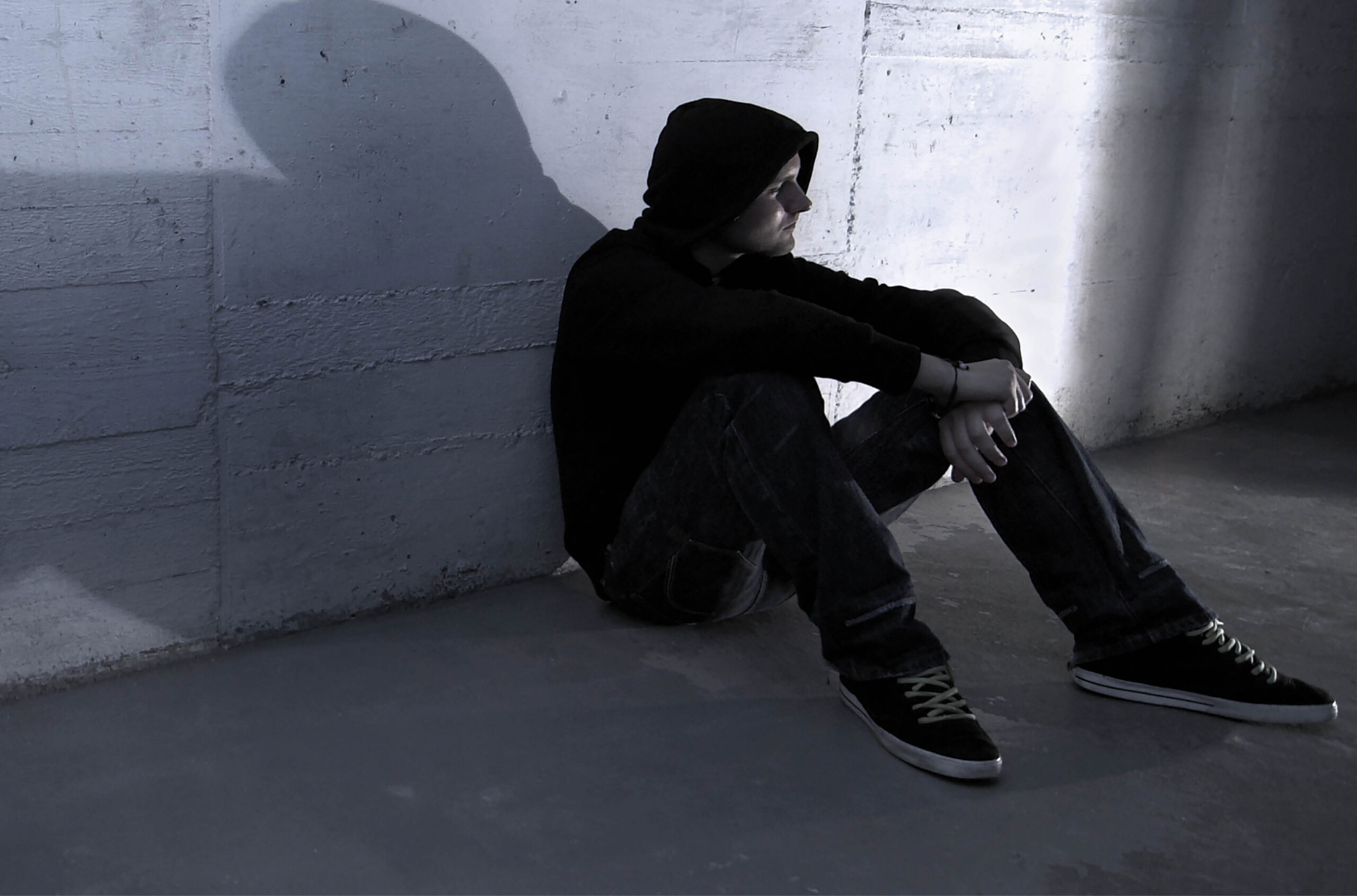
Maria*, a 2024 graduate of Nova Scotia Community College, represents the human cost of this systemic failure. Her journey toward a teaching career was derailed by a rental landscape that systematically excludes young people lacking established credit histories or parental co-signers. Throughout 2023, Maria moved four times, eventually finding herself living out of her car. "I used to wake up very early, get something to eat and then go to college. I would stay there as late as possible to put off going back to the car," she recalls. Her experience—characterized by the constant evasion of unsafe living conditions and the exhaustion of transient housing—is far from an isolated case.
A Chronology of Institutional Neglect
The roots of the current crisis can be traced back several decades, marking a transition from state-supported student infrastructure to a market-driven model. Until the 1970s and 80s, the Canada Mortgage and Housing Corporation (CMHC) played an active role in financing the construction of university residences. However, a pivot toward fiscal restraint saw a multi-decade withdrawal of federal and provincial investment in non-market student housing.
By the mid-2010s, the "studentification" of urban centers began to accelerate. As universities expanded their enrollments, often relying on international tuition fees to balance budgets, the local housing supply failed to keep pace. By 2017, researchers like Dr. Eric Weissman, principal investigator at the PSSHRN, began documenting a surge in students seeking assistance for homelessness.
The turning point for many institutions came between 2022 and 2023. At Université Laval, the discovery of personal effects left in campus buildings provided undeniable evidence that students were using university facilities as shelters. This sparked a wave of internal audits and the creation of homelessness advisory committees, shifting the narrative from a private struggle to an institutional priority. By 2025, the PSSHRN study identified that 3.5 per cent of the national student population—approximately 70,000 individuals—are currently experiencing absolute homelessness, while a much larger cohort navigates the precariousness of couch-surfing and substandard, overcrowded housing.
The Anatomy of Instability: Data and Demographics
The PSSHRN study, which conducted qualitative research at six major institutions including the University of British Columbia and the University of Alberta, highlights that the causes of this phenomenon are multifaceted. Financial precarity, driven by the loss of employment or the sudden termination of a lease, accounts for 36 per cent of reported cases. Domestic conflict and violence account for 27 per cent, while 14 per cent of students cite unsafe or unsanitary conditions as their primary reason for leaving their homes.
The demographic breakdown of these figures is particularly alarming. The data suggests that women, racialized groups, and 2SLGBTQ+ students between the ages of 19 and 30 are disproportionately represented among the unhoused. The academic consequences are severe; nearly 70 per cent of students who encounter homelessness eventually drop out, effectively severing their potential for future economic stability.
Challenging the Myth of the Starving Student
A significant barrier to addressing this crisis is the cultural romanticization of student poverty. "Part of the university mythos is that it’s normal to be broke, go hungry and survive on ramen for four years," explains Dr. Annie Fontaine, a professor at Université Laval’s School of Social Work and Criminology. This narrative creates a "tug-of-war" for students who are simultaneously expected to maintain high performance standards while enduring conditions that would be considered intolerable for other segments of the population.
This normalization leads to what sociologists term "ontological insecurity." When a student loses the consistency of a home, their sense of personal continuity erodes. This is exacerbated by the "luxury" focus of new private student housing developments. In markets like Ottawa, where rent averages near $935 per month, students are often squeezed out by corporate properties that prioritize amenities like yoga studios and high-end gyms over basic, affordable living space. As Aidan Fitzmaurice, a student researcher at the University of Ottawa, notes, "Students need affordable housing, not luxury marketing."
Institutional and Governmental Responses
The response from the public sector has been characterized by jurisdictional friction. Housing, Infrastructure and Communities Canada (HICC) maintains that while it plays a role in national housing strategies, the primary responsibility for student welfare lies with provincial governments and the educational institutions themselves. The federal government points to the "Reaching Home" initiative and the recent elimination of the GST on new student residence construction as evidence of their commitment. However, critics like Dr. Nick Revington of the Institut national de la recherche scientifique argue that these measures do not address the structural debt load universities face when trying to build new, affordable units.
In the absence of a unified federal strategy, universities are experimenting with localized solutions. York University’s "Complex Communities" program, launched in 2025, provides safety-focused support that intentionally avoids law enforcement involvement. Similarly, the University of New Brunswick has partnered with "SpacesShared" to connect students with local hosts, while the University of Ottawa has utilized "Innovation Sprints"—interdisciplinary academic exercises—to have students themselves design policy solutions for their peers.
The Existential Threat to Higher Education
The implications of this crisis extend beyond the individual lives of affected students. If the university environment is no longer accessible to those without independent wealth or familial support, the institution risks reverting to an exclusionary model that serves only the privileged.
Dr. Weissman, who experienced homelessness during his own path toward academia, argues that universities must view this not merely as a student service issue, but as an existential threat to their mission. "If students can’t afford housing anymore, universities have lost their purpose," he asserts.
The path forward requires a shift from viewing student housing as a peripheral commodity to recognizing it as an essential component of the educational infrastructure. Without coordinated, multi-level government intervention—moving beyond the current "passing the buck" dynamic—the cycle of precarity will continue to undermine the very academic pursuits that are intended to provide a better future. As the data suggests, the cost of inaction is not just measured in budget deficits or facility management, but in the lost potential of an entire generation of scholars and professionals.