


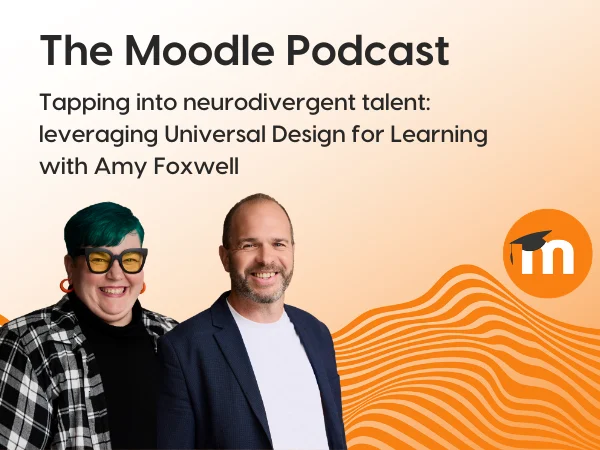
The Moodle Podcast, a platform dedicated to exploring advancements and best practices in online learning, has released a new episode focusing on the critical importance of neuro-inclusive design in educational and professional development settings. The episode features a conversation with Amy Foxwell from ReadSpeaker, a Moodle Certified Integration, delving into the advantages of creating learning environments that cater to the diverse ways individuals engage with information. This initiative by Moodle underscores a commitment to fostering learning experiences that are effective for everyone, both in the present and for the future.
Designing for Diversity: A Proactive Approach to Learning
At the heart of neuro-inclusive design lies a fundamental shift from a reactive to a proactive approach. Instead of addressing learning barriers after they arise, the focus is on building flexible, interactive, and universally accessible platforms from the outset. This aligns with the core principles of Universal Design for Learning (UDL), a framework that acknowledges and embraces learner variability as the norm, rather than an exception.
Amy Foxwell articulates this philosophy by emphasizing that "variability is the norm." This perspective challenges the notion of an "average learner" and instead champions a model where learning experiences are inherently designed to accommodate the wide spectrum of human cognition and learning styles. This means moving away from treating neurodivergent learners as outliers requiring separate accommodations and instead integrating inclusive practices that benefit all individuals from the inception of a course or learning program.
The implications of this proactive approach are profound. By designing for diversity from the ground up, educational institutions and organizations can significantly reduce the cognitive load on learners. A key aspect explored in the podcast is the emotional toll of "masking," a phenomenon where neurodivergent individuals expend considerable energy to appear "normal" in traditional learning environments. This constant effort can lead to exhaustion, anxiety, and burnout, hindering academic or professional progress. Intentional course design, guided by neuro-inclusive principles, can alleviate this burden by creating spaces where learners feel understood, supported, and empowered to be their authentic selves.
The "Curb-Cut Effect": Accessibility Benefits for All
The concept of the "curb-cut effect" provides a compelling analogy for understanding the widespread benefits of accessibility features. Initially developed to assist individuals with visual impairments, tools like text-to-speech technology have demonstrably improved the learning experience for a much broader audience.
Originally conceived to aid visually impaired learners, text-to-speech functionalities have proven invaluable for individuals with dyslexia, ADHD, and language processing differences. Furthermore, these tools cater to a growing segment of learners who simply prefer auditory input or benefit from multi-modal learning approaches. This phenomenon illustrates how designing for specific needs often yields unexpected but welcome improvements for a wider population. In essence, learning that is accessible, digestible, and engaging transcends the needs of any single group and enhances the overall educational endeavor.
The widespread adoption and positive reception of these accessibility features underscore a crucial point: there is no inherent downside to making learning more inclusive. In fact, the opposite appears to be true. As more learners benefit from these inclusive design principles, the collective learning environment becomes richer and more effective. This reinforces the idea that accessibility is not a niche concern but a fundamental component of effective pedagogy.
Reducing Friction and Empowering Learner Agency
The Moodle Podcast episode makes a strong argument for integrating neuro-inclusion as a cornerstone of effective learning design. The benefits extend beyond individual learners to encompass the organizations and institutions that provide these learning opportunities. Neuro-inclusive environments are increasingly associated with heightened innovation, creativity, and improved performance. By fostering adaptable and supportive learning experiences, organizations can unlock the full potential of their workforce and student bodies.
For educators, Learning and Development (L&D) professionals, and anyone interested in the intricacies of learning design, this conversation offers valuable insights. It positions neuro-inclusion not merely as an ethical imperative but as a strategic advantage. The episode explores actionable strategies for implementing inclusive practices, highlighting "quick wins" that course designers can readily adopt. These practical takeaways aim to demystify the process of creating more equitable learning spaces.
The discussion delves into how reducing friction in the learning process empowers learners and enhances their agency. When learning environments are designed to be adaptable and accommodating, learners can focus their energy on mastering content rather than navigating unnecessary obstacles. This freedom allows for greater exploration, experimentation, and self-directed learning, fostering a sense of ownership and intrinsic motivation.
Broader Implications for the Future of Education and Work
The implications of this focus on neuro-inclusive design extend far beyond the immediate learning environment. As educational institutions and workplaces increasingly embrace digital platforms and remote work, the need for universally accessible and adaptable learning solutions becomes paramount. The principles discussed in the Moodle Podcast episode offer a roadmap for creating these future-ready environments.
The shift towards recognizing and valuing neurodiversity is gaining momentum across various sectors. Companies are beginning to understand that neurodivergent individuals often possess unique strengths, such as exceptional pattern recognition, attention to detail, and creative problem-solving abilities. By implementing neuro-inclusive practices, organizations can tap into this valuable talent pool, fostering innovation and driving business success.
Furthermore, the UDL framework, as discussed, provides a robust structure for achieving this inclusivity. Its emphasis on providing multiple means of representation, action and expression, and engagement ensures that learning opportunities are accessible to a wide range of learners. This holistic approach moves away from a one-size-fits-all model and embraces the richness of human variability.
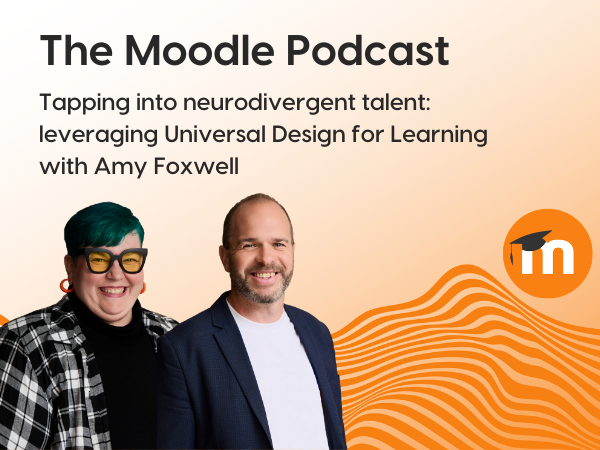
The Moodle Podcast episode, "Tapping into neurodivergent talent: leveraging Universal Design for Learning with Amy Foxwell," serves as a timely and important contribution to the ongoing discourse on inclusive education. By highlighting the practical benefits and strategic advantages of neuro-inclusive design, it encourages a proactive and empathetic approach to learning that promises to benefit individuals and organizations alike.
The Moodle Podcast continues to be a valuable resource for those seeking to advance the field of online learning. By regularly featuring expert discussions and exploring emerging trends, the podcast plays a crucial role in shaping a more equitable and effective future for education. Listeners are encouraged to follow the Moodle Podcast to stay abreast of developments in learning technology and the ongoing efforts to make education more inclusive for everyone. The commitment to exploring topics that enhance learning experiences and support diverse learners underscores Moodle’s dedication to its mission of empowering educators and learners globally. The ongoing conversation around neurodiversity and inclusive design is a testament to the evolving understanding of how to best support all individuals in their pursuit of knowledge and skill development.