


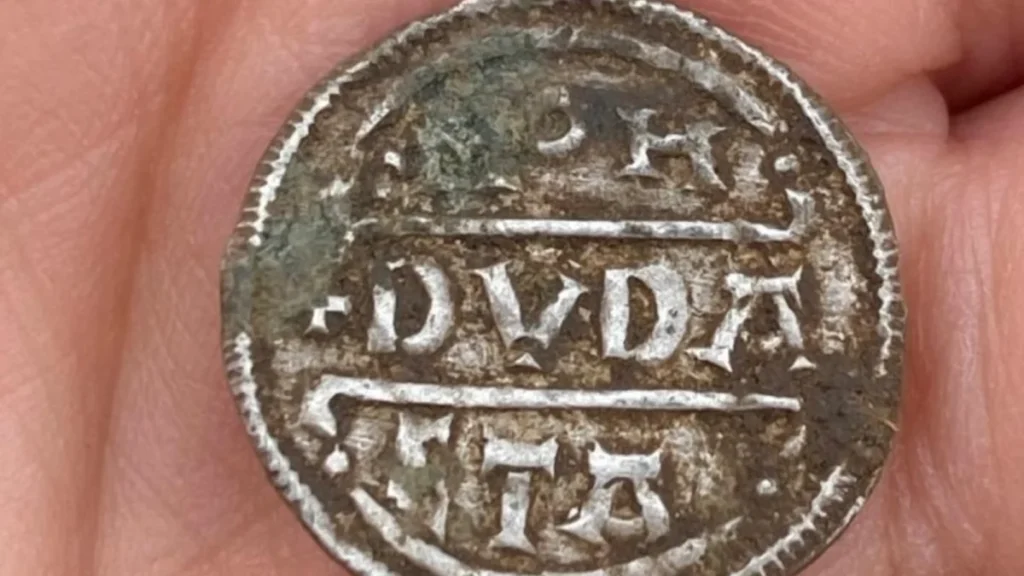
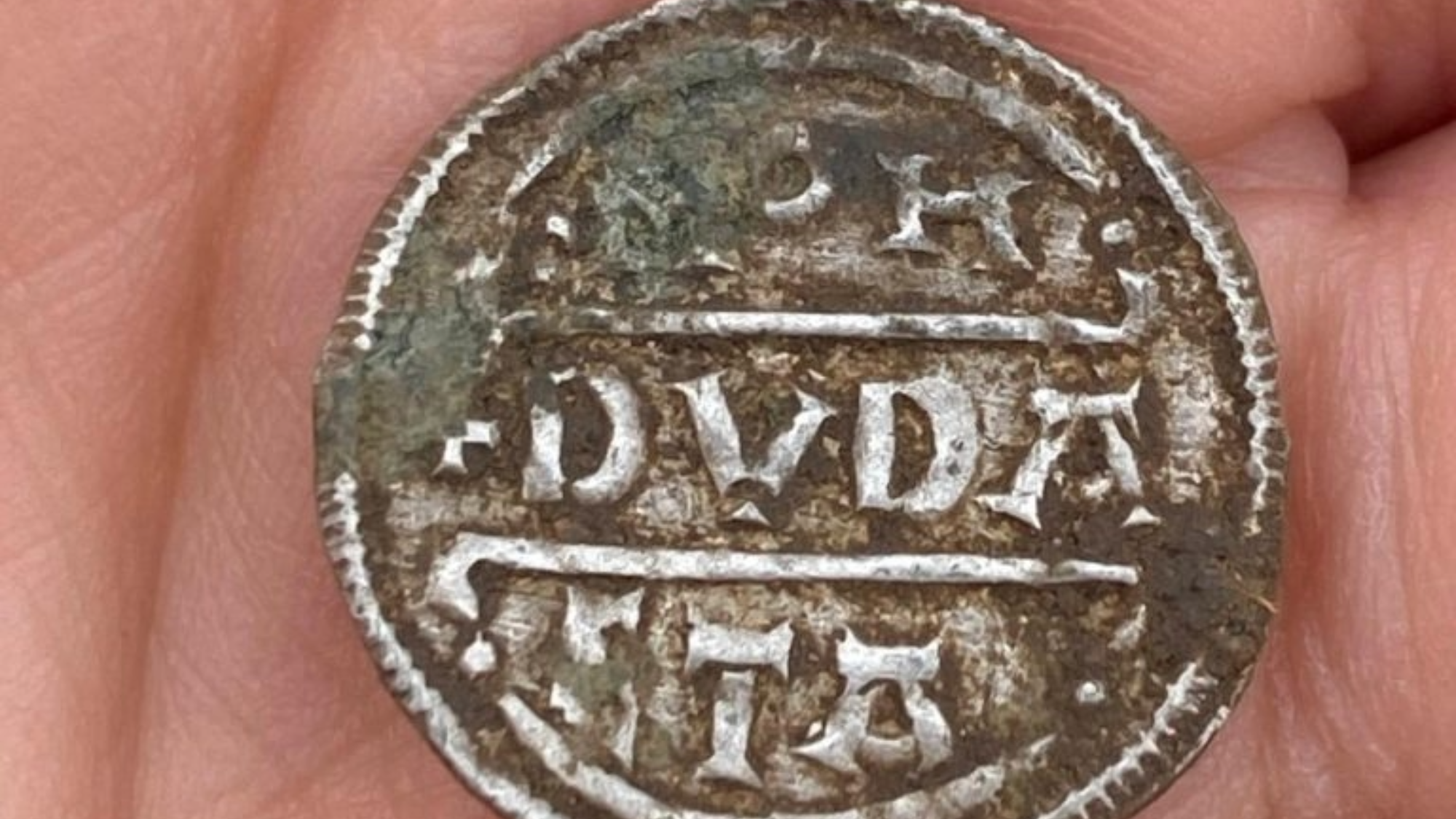
The rural parish of Bickmarsh, situated on the border of Worcestershire and Warwickshire, has become the site of one of the most significant early medieval archaeological discoveries in recent regional history. A hoard of 63 silver coins, dating back to the late ninth century, was recovered through a collaborative effort between amateur metal detectorists and professional archaeologists. The find, now officially designated as the Bickmarsh Hoard, provides a rare window into the turbulent period of the Anglo-Saxon era when the Kingdom of Mercia faced existential threats from Viking incursions.
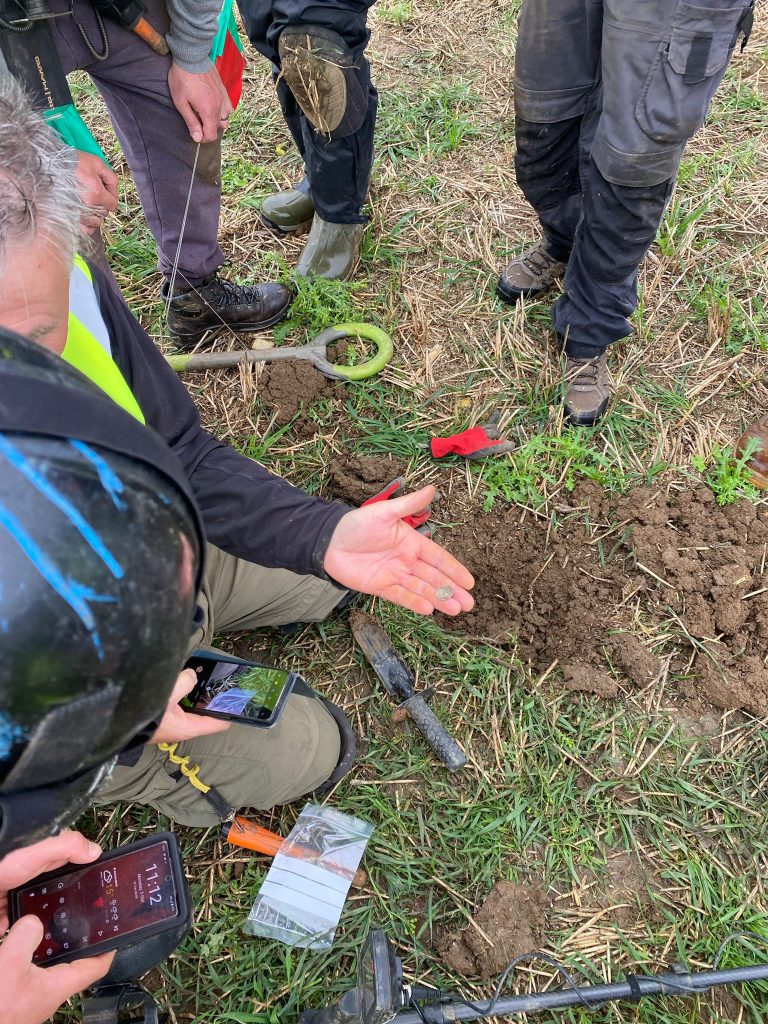
The discovery began when members of the hobbyist group Go Detecting (Midlands) Ltd identified a concentration of silver coins while surveying a field in the Bickmarsh area. Recognizing the potential historical importance of the items, the group promptly notified the local authorities and the Portable Antiquities Scheme (PAS). This responsible reporting triggered a formal investigation led by Worcestershire Archaeology, with support from Historic England. The subsequent professional intervention involved a multi-phased approach, including secondary metal-detector surveys, geophysical analysis, and a targeted archaeological excavation to recover any remaining artifacts and document the site’s stratigraphy.
The Chronology of the Bickmarsh Hoard
To understand the significance of the Bickmarsh Hoard, it is necessary to place it within the chronological framework of the late Anglo-Saxon period. The majority of the 63 silver coins were issued under the authority of King Burgred, who reigned over the Kingdom of Mercia from 852 to 874 AD. Based on the specific minting styles and the absence of later coinage types, experts have estimated that the hoard was deposited between 871 and 874 AD.
This narrow window of three years is historically significant. During this time, the "Great Heathen Army"—a large coalition of Norse warriors—was moving aggressively across the English landscape. By 871 AD, the Vikings had already secured a foothold in East Anglia and parts of Northumbria and were turning their sights toward the heart of Mercia. The year 874 AD marked the end of Burgred’s reign; facing overwhelming pressure from Viking forces, he fled to Rome, where he eventually died. The Vikings subsequently installed a "client king," Ceolwulf II, effectively ending the era of an independent Mercian monarchy.
The burial of the Bickmarsh Hoard likely represents a desperate attempt by an individual to safeguard their wealth during this period of extreme social and military instability. In the absence of modern banking systems, burying precious metals was a common practice during times of war. The fact that the owner never returned to retrieve the silver suggests that they may have fallen victim to the conflict or were permanently displaced by the shifting political boundaries of the time.
Archaeological Methodology and Site Findings
The recovery of the Bickmarsh Hoard was not limited to the initial surface finds. Following the notification by Go Detecting (Midlands) Ltd, Worcestershire Archaeology conducted a geophysical survey to identify sub-surface anomalies that might indicate human habitation or burial pits. While the survey did not reveal any permanent structures or defensive earthworks directly associated with the coins, it provided a clearer picture of the landscape’s historical use.
During the excavation phase, archaeologists identified two additional concentrations of coins. This distribution suggested that the hoard had been disturbed over the centuries. Evidence of "ridge and furrow" farming—a method of ploughing common in the Middle Ages—was visible in the soil profiles. Furthermore, modern agricultural machinery has continued to churn the topsoil in the area. These combined factors likely caught the original deposit, scattering the coins from their primary burial spot into the upper layers of the earth.
In addition to the 63 silver coins, the team recovered 35 fragments of lead sheeting. While researchers cannot definitively prove a link, lead was frequently used in the Anglo-Saxon period to wrap or containerize coin hoards to protect them from the elements. The presence of these fragments in the same vicinity as the coins supports the theory that the silver was originally buried in a protective leaden parcel.
Beyond the ninth-century finds, the excavation also yielded artifacts from the Roman period. These items appear to be unrelated to the Anglo-Saxon hoard, indicating that the Bickmarsh site has been a locus of human activity for nearly two millennia. The layering of these different eras highlights the complexity of the British landscape, where multiple periods of history often occupy the same geographical space.
Numismatic Significance and Supporting Data
In the context of Worcestershire’s archaeological record, the Bickmarsh Hoard is an extraordinary anomaly. Prior to this discovery, the county had documented fewer than 100 coins dating from the fifth century to the early 11th century. Of those, 18 coins belonged to the Severn Stoke Hoard, which was previously the only recorded hoard from the ninth century in the county.
The addition of 63 coins from a single site more than doubles the known corpus of Burgred-era coinage in Worcestershire. The coins are "pennies," the primary denomination of the time, struck from high-quality silver. During the reign of King Burgred, the Mercian mints (likely located in London or Canterbury) produced vast quantities of these coins to pay for the kingdom’s defense and to facilitate trade. However, the silver content of Mercian coinage began to fluctuate during the latter half of the ninth century as the economic pressures of the Viking wars mounted.
The Bickmarsh Hoard allows numismatists to study the specific dies and minting marks of the Burgred period in greater detail. By analyzing the wear and tear on the coins, researchers can also gain insights into how long the money was in circulation before it was hidden. Preliminary assessments suggest the coins were in relatively good condition, reinforcing the idea that they were buried shortly after they were acquired.
Official Responses and Preservation
The discovery has been met with enthusiasm from both the local government and the heritage sector. Councillor Ian Cresswell, Cabinet Member for Environment and Communities for Worcestershire, emphasized the importance of the find for the region’s identity.
"This is a fascinating discovery that provides a new glimpse into Worcestershire’s past," Cresswell stated. "It’s a great example of how the work of our archaeology team and partners helps bring our history to life and connect us to our heritage. The collaboration between the metal detecting community and professional archaeologists is vital for ensuring that these treasures are recorded and preserved for future generations."
Under the Treasure Act 1996, the coins have been processed through the legal channels required for such finds in the United Kingdom. This process involves an independent valuation by the Treasure Valuation Committee. Local museums are typically given the first opportunity to acquire the hoard, ensuring that the artifacts remain in the public domain rather than disappearing into private collections.
Broader Impact and Implications
The Bickmarsh Hoard contributes to a broader understanding of the "Viking Age" in the English Midlands. For many years, historical narratives focused heavily on the kingdoms of Wessex and Northumbria. However, recent finds like the Bickmarsh Hoard and the Watlington Hoard (found in Oxfordshire in 2015) are shifting the focus back to Mercia.
The discovery suggests that the rural areas of Worcestershire were more integrated into the monetary economy of the ninth century than previously thought. It also underscores the sheer scale of the disruption caused by the Viking "Great Heathen Army." The burial of such a significant amount of silver—representing a substantial sum of money for the time—indicates a high level of fear and a breakdown of social order in the 870s.
Furthermore, the Bickmarsh find highlights the evolving relationship between amateur detectorists and the archaeological establishment. In decades past, these groups were often at odds. Today, the success of the Bickmarsh excavation serves as a model for "best practice" in heritage management. By reporting their find immediately and avoiding further excavation until professionals arrived, the members of Go Detecting (Midlands) Ltd preserved the archaeological context, allowing for the recovery of the lead fragments and the analysis of the ploughing patterns.
As the coins undergo further cleaning and conservation, researchers expect to glean even more information about the minting techniques and economic health of King Burgred’s Mercia. For now, the Bickmarsh Hoard stands as a silent witness to a king’s exile and a kingdom’s struggle for survival, reminding modern observers of the fragile nature of power and wealth in the early medieval world.