




The long-standing cultural narrative surrounding oral hygiene has frequently centered on a single, primary antagonist: sugar. From elementary school science experiments involving eggshells and soda to parental warnings about "sugar bugs" eating away at teeth, the message has remained remarkably consistent for generations. However, modern dental science reveals that the relationship between sugar and tooth decay is significantly more complex than the traditional "corrosive" model suggests. While sugar is undeniably a catalyst in the development of dental caries, it is not the direct cause of the physical erosion of tooth enamel. Understanding the nuances of the oral microbiome, the biochemistry of acid production, and the critical role of timing in oral hygiene is essential for maintaining long-term dental health in an era of processed foods and frequent snacking.
The Biochemical Mechanism of Dental Decay
To understand why sugar is not the direct culprit of tooth rot, one must first examine the environment of the human mouth. The oral cavity is a complex ecosystem, hosting hundreds of species of bacteria. Most of these microorganisms are harmless or even beneficial, but specific strains, most notably Streptococcus mutans and various species of Lactobacillus, are the primary drivers of dental decay. These bacteria do not "eat" the teeth directly; rather, they utilize fermentable carbohydrates—including sucrose (table sugar), fructose, and even starches from bread or crackers—as an energy source.
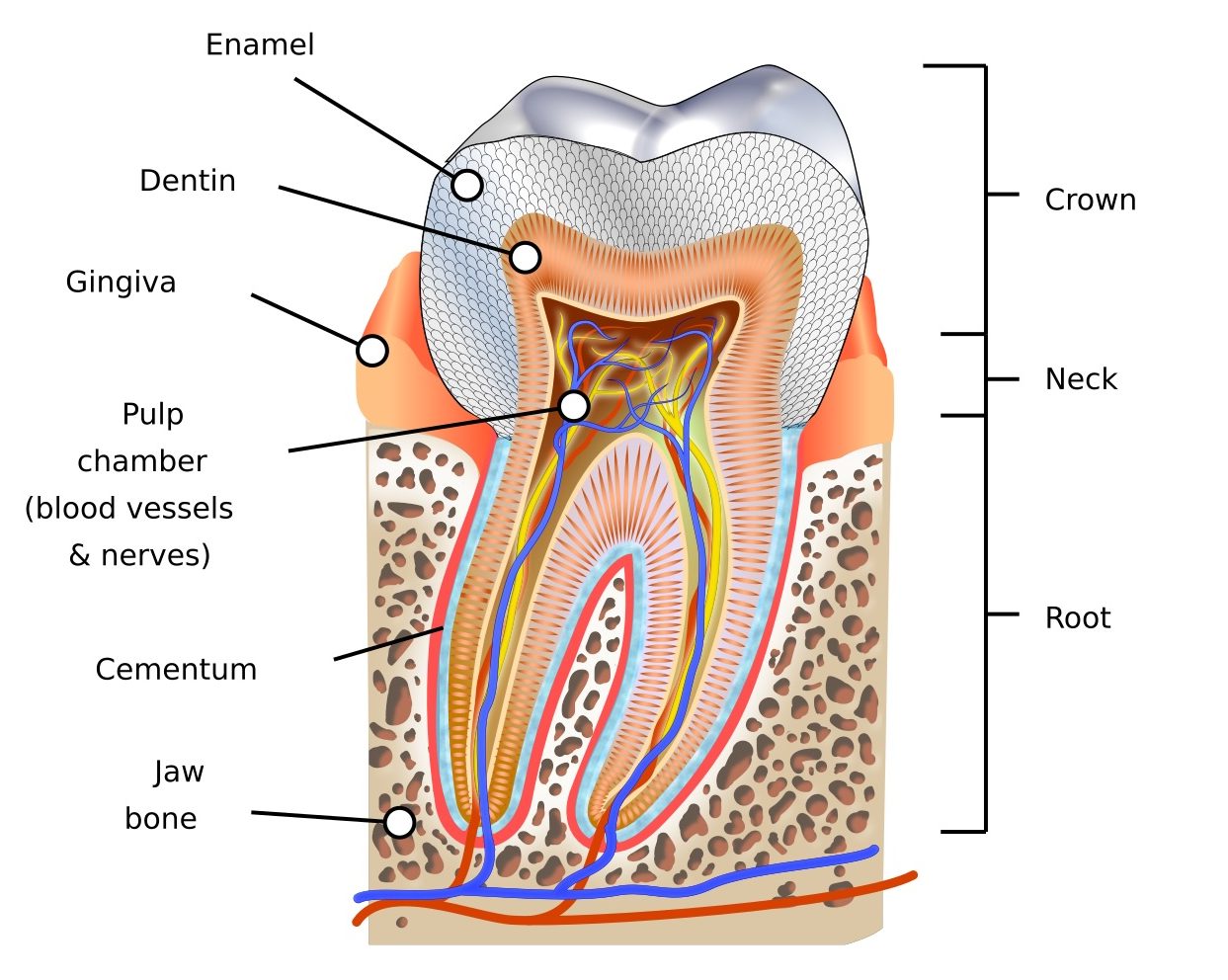
When these carbohydrates are introduced into the mouth, the bacteria metabolize them through fermentation. The byproduct of this metabolic process is lactic acid. It is this acid, rather than the sugar itself, that poses the threat to dental structures. Tooth enamel, the hardest substance in the human body, is composed primarily of a crystalline calcium phosphate called hydroxyapatite. When the pH level in the mouth drops below a critical threshold—typically cited as 5.5—the acid begins to dissolve the minerals within the enamel. This process, known as demineralization, creates microscopic pores in the tooth structure. If the cycle of acid production continues without interruption, these pores eventually coalesce into a visible hole, or cavity.
Dr. Diana Nguyen, the chief of General Clinical Dentistry and an associate professor at the University of California, San Francisco School of Dentistry, emphasizes that the "sugar rots teeth" experiment often shown in schools is slightly misleading. In the classic experiment where an eggshell softens in a cup of soda, it is the phosphoric or citric acid already present in the beverage that dissolves the calcium carbonate shell, not the sugar content. In the mouth, the process is a two-step biological reaction: the consumption of carbohydrates followed by the bacterial excretion of acid.
A Chronology of Dental Health: From Ancient Diets to Modern Refinement
The prevalence of dental caries has shifted dramatically throughout human history, following the evolution of the human diet. Archaeological evidence suggests that hunter-gatherer societies experienced relatively low rates of tooth decay. The primary shift occurred during the Neolithic Revolution, approximately 10,000 to 12,000 years ago, as humans transitioned to agriculture. The introduction of farmed grains—rich in fermentable carbohydrates—correlated with a measurable increase in the frequency of cavities found in skeletal remains.
The second major turning point occurred during the Industrial Revolution with the mass production of refined sugar. As sucrose became a cheap, ubiquitous commodity, the "caries epidemic" began in earnest. By the mid-20th century, dental decay had become one of the most widespread chronic diseases in the developed world. This historical context illustrates that while humans have always lived with oral bacteria, the modern frequency and volume of carbohydrate intake have overwhelmed the mouth’s natural defense mechanisms.

The Role of Saliva and the Stephan Curve
The human body is equipped with a sophisticated defense system against acid attacks: saliva. Saliva serves several critical functions in oral health. First, it acts as a mechanical cleanser, washing away food particles and diluting the sugars that feed bacteria. Second, it contains bicarbonate buffers that help neutralize the acid produced by bacteria, gradually raising the pH level of the mouth back to a neutral state (approximately pH 7.0). Finally, saliva is rich in calcium and phosphate ions, which can seep back into the enamel to repair minor damage in a process called remineralization.
In the 1940s, dental researcher Robert Stephan developed what is now known as the "Stephan Curve," a graph illustrating the change in dental plaque pH following the consumption of carbohydrates. The curve shows that within minutes of eating sugar, the pH in the mouth drops precipitously. It typically takes between 20 to 60 minutes for saliva to restore the pH to a safe level.
This leads to the most significant factor in modern cavity development: frequency. "People who are at higher risk of cavities are very often those who snack or drink sugary drinks or acidic drinks throughout the day," says Dr. Nguyen. If an individual sips on a soda or snacks on starchy foods every hour, their mouth remains in a constant state of acidity. The "remineralization" phase never has the opportunity to occur because the pH never stays above the 5.5 threshold long enough for the saliva to do its work.
Supporting Data and Global Prevalence
The impact of this biochemical process is reflected in global health statistics. According to the World Health Organization (WHO), oral diseases are among the most common non-communicable diseases worldwide, affecting nearly 3.5 billion people. Dental caries in permanent teeth is the most prevalent condition identified in the Global Burden of Disease study.
In the United States, data from the Centers for Disease Control and Prevention (CDC) indicates that approximately 90% of adults aged 20 and older have had at least one cavity in their lifetime. Furthermore, one in four adults currently has untreated tooth decay. These statistics highlight a persistent public health challenge that persists despite widespread knowledge of the link between sugar and dental health. The data suggests that it is not a lack of awareness, but rather the structural reality of the modern diet—characterized by "hidden" sugars in processed foods and a culture of constant grazing—that fuels the prevalence of decay.
The Brushing Paradox: Timing is Everything
One of the most counterintuitive findings in modern dentistry involves the timing of oral hygiene. While it might seem logical to brush immediately after consuming a sugary or acidic treat to "clean" the teeth, experts warn that this can actually accelerate damage.
When the mouth is in an acidic state, the enamel is temporarily softened. Brushing at this exact moment introduces mechanical abrasion to a structurally compromised surface. "If you then brush your teeth while that acid is hanging out, it can damage your enamel," Dr. Nguyen explains. By brushing too soon, individuals may inadvertently scrub away the very minerals that the saliva is trying to redeposit.
Dental professionals now recommend waiting at least 30 minutes after eating or drinking acidic or sugary substances before brushing. This window allows the saliva to neutralize the acid and begin the hardening process of the enamel. For those who feel the need for immediate action, the most effective intervention is rinsing the mouth with plain water. Water helps dilute the acidity and flush away debris without the abrasive force of a toothbrush.
Official Responses and Preventive Strategies
The American Dental Association (ADA) and other global dental bodies have shifted their focus toward "risk assessment" and "preventive management" rather than just "drilling and filling." This approach emphasizes the balance between pathological factors (acid-producing bacteria, frequent snacking, reduced salivary flow) and protective factors (fluoride, adequate saliva, antibacterial agents).
The use of fluoride remains the cornerstone of public health efforts to combat cavities. Fluoride works by integrating into the enamel structure to create fluorapatite, which is more resistant to acid than the tooth’s original hydroxyapatite. Additionally, the rise of sugar substitutes like xylitol has provided a new tool in prevention. Unlike sucrose, xylitol cannot be fermented by Streptococcus mutans, meaning it provides the sweetness humans crave without the subsequent acid production.
Broader Implications and Analysis
The nuanced reality of tooth decay has significant implications for public health policy and individual behavior. The traditional focus on "sugar reduction" is still valid but incomplete. A more effective strategy involves "carbohydrate management" and "pH regulation."
From a policy perspective, this includes advocating for water fluoridation and clearer labeling of fermentable carbohydrates in processed foods. For the individual, it means rethinking not just what they eat, but how they eat. The habit of "grazing" on healthy-sounding snacks like dried fruit or crackers can be just as damaging as a single candy bar because of the prolonged acid exposure.
Ultimately, the science of cavities reveals that the mouth is a dynamic environment of constant flux between destruction and repair. While sugar provides the fuel for the fire, the true battle for dental health is fought by the protective power of saliva and the discipline of timing. By understanding that cavities are a result of a bacterial process rather than a direct chemical burn, consumers can move beyond the simplistic myths of childhood and adopt more effective, science-based habits for lifelong oral health.