



The nation’s largest teachers union, the National Education Association (NEA), is now the subject of a formal investigation by the U.S. Equal Employment Opportunity Commission (EEOC) concerning allegations of antisemitism. The Louis D. Brandeis Center, a civil rights legal advocacy organization, announced Monday that it has been informed of the EEOC’s decision to proceed with a formal inquiry. This development comes nearly two months after the Brandeis Center, through its Coalition to Combat Anti-Semitism, filed a comprehensive complaint. The core of this complaint centers on accusations that the NEA has fostered a hostile environment for its current and former Jewish members.
EEOC’s Official Stance and Brandeis Center’s Claims
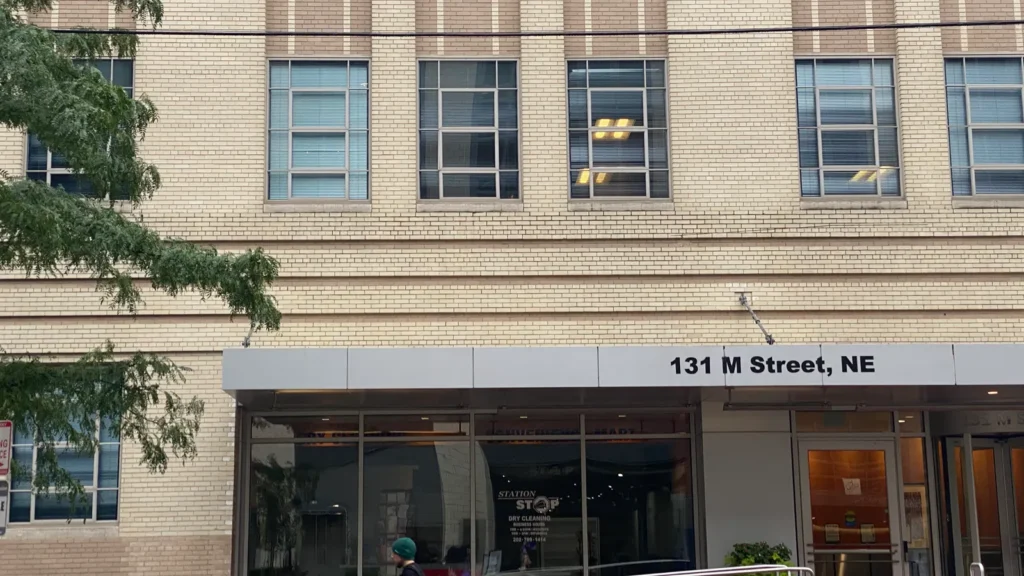
The EEOC, in a statement provided to the Brandeis Center via email on Monday, maintained its standard policy of confidentiality regarding such matters. "We can neither confirm nor deny the existence [of] any charge or charge inquiry," the EEOC stated. "Under federal law, both charges filed with, and charge inquiries made to the EEOC are confidential." Despite this official reticence, the Brandeis Center asserts that the investigation is indeed active and being handled by the federal agency’s Washington, D.C., Field Office. According to the Brandeis Center, investigators have begun the process of collecting pertinent documents, witness testimonies, and other evidence that the organization has provided in support of its allegations.
The complaint filed by the Brandeis Center, a detailed document made available to the public, outlines specific grievances. While the original article did not detail the specific points within the complaint, such complaints typically involve patterns of behavior, alleged discriminatory practices, or failures to address antisemitic incidents within the organization’s purview. These could range from the content disseminated by the union to the handling of member grievances related to antisemitism.
Background of the Allegations
The Louis D. Brandeis Center, a prominent legal entity focused on combating antisemitism, has been a vocal advocate for Jewish civil rights. Kenneth Marcus, the founder and CEO of the Brandeis Center and a former high-ranking official in the U.S. Department of Education’s Office for Civil Rights, underscored the fundamental purpose of labor unions in a statement released on Monday. "Unions exist to advocate for fair wages, protect employee rights, and ensure equal treatment for all members," Marcus stated. "The last thing they should do is to violate the rights of the very people whose rights they exist to protect." His remarks highlight the perceived contradiction between the NEA’s stated mission and the alleged creation of a hostile environment for Jewish members.
The genesis of the EEOC investigation can be traced back to a complaint filed on or around March 2024. The Brandeis Center’s Coalition to Combat Anti-Semitism formally lodged its complaint with the EEOC, initiating the federal agency’s review process. The complaint specifically alleged that the NEA had created a hostile environment, impacting Jewish educators and members. This action by the Brandeis Center followed a period of growing concern and scrutiny regarding antisemitism within educational institutions and labor organizations nationwide.
NEA’s Response and Previous Statements
As of Monday, the National Education Association had not responded to a request for comment from the press. However, the union has previously addressed the allegations. In a statement issued on May 5th to K-12 Dive, in response to the initial complaint, the NEA declared, "We do not tolerate antisemitism in any form and remain committed to ensuring that all members and students, including Jewish members and students, can work and learn in a safe and welcoming environment."
A spokesperson for the NEA further elaborated in an email, stating, "We always ensure our meeting rules and programs serve and support all members, regardless of race, religion, ethnicity, background, sexual orientation, or gender identity." This statement reflects the NEA’s official stance on inclusivity and its commitment to combating discrimination.
The union also addressed a specific incident in October 2025 (likely a typo in the original article, intended to be a more recent year, perhaps 2023 or 2024, given the timeline of the complaint) when an external resource linked on the NEA’s website drew criticism. In a mass email to its members, the NEA acknowledged the issue: "It has come to our attention that an external resource that was linked to on NEA’s website, which has been widely used by many news outlets and organizations for many years, falls well short of our standards." The union stated that upon becoming aware of content on this external website, particularly concerning Israel and Palestine, they conducted a thorough review, including linked third-party content. "Upon that review, we immediately removed this resource from the NEA website," the NEA announced at the time. This action suggests an acknowledgment that certain linked materials were deemed inappropriate or fell below the union’s standards.
Broader Context: Rising Concerns Over Antisemitism in Education
The EEOC’s decision to open an investigation into the NEA comes at a time of heightened national attention on antisemitism, particularly within educational settings. The Brandeis Center characterized the EEOC’s action as "prompt" in its Monday announcement, highlighting the urgency with which such allegations are being addressed by federal authorities.
This inquiry into the NEA aligns with a broader trend of increased scrutiny and action by the Trump administration and subsequent administrations regarding antisemitism allegations at K-12 and higher education institutions. For instance, in April, the U.S. Department of Education launched its own investigation into the New York City Department of Education. This probe was prompted by allegations of discrimination against Jewish students, stemming from a "teaching seminar" series organized by a group of pro-Palestinian teachers. The seminar reportedly focused on "Palestine, Zionism, and Resistance," leading to concerns about biased content and its impact on students.
Furthermore, data indicates that antisemitism remains a significant concern for school leaders across the country. A report released in May by the Anti-Defamation League (ADL) revealed that while antisemitic incidents nationwide saw a significant decline between 2024 and 2025, incidents at non-Jewish K-12 schools remained relatively stable. This persistent level of antisemitic activity in K-12 environments underscores the ongoing challenges faced by educators and administrators in ensuring the safety and inclusivity of Jewish students and staff.
Potential Implications of the EEOC Investigation
The opening of an EEOC investigation into the NEA carries significant implications. Firstly, it signals that the federal agency views the allegations as sufficiently credible to warrant a formal inquiry. This process will involve a detailed examination of the NEA’s internal policies, practices, and any documented instances of alleged discrimination or harassment. The investigation could lead to findings of violations of federal anti-discrimination laws, potentially resulting in mandated changes to the NEA’s operations, training programs, or disciplinary procedures.
Secondly, the investigation places the NEA, a powerful union representing millions of educators, under a public spotlight. This scrutiny could impact its reputation and its ability to advocate effectively on behalf of its members. For Jewish educators, the investigation offers a potential avenue for redress and a validation of their concerns.
The timeline of the investigation remains uncertain, as EEOC inquiries can be lengthy and complex. However, the active involvement of the EEOC underscores the seriousness with which these allegations are being treated by federal authorities. The outcome of this investigation will likely have a ripple effect across the broader landscape of labor relations and educational policy, particularly concerning the ongoing efforts to combat antisemitism and ensure equitable treatment for all members within professional organizations. The NEA’s response and cooperation throughout this process will be closely watched by stakeholders within the education sector and civil rights communities.