





When the time arrives to replace a daily-driver smartphone, tablet, or laptop, consumers are routinely confronted with escalating retail prices that frequently push flagship devices past the four-figure threshold. However, market trends indicate a shifting consumer consciousness toward more economical and environmentally sustainable alternatives. Going the refurbished route has rapidly transitioned from a niche compromise into a mainstream procurement strategy for savvy technology buyers.
Far from the unregulated, second-hand marketplace transactions of the past, contemporary refurbished technology operates within a structured, highly scrutinized commercial ecosystem. Understanding how this market functions, which device categories offer the best value, and where to source reliable hardware can yield significant financial savings without sacrificing performance or longevity.
Defining Refurbished Technology: What Buyers Actually Receive
The nomenclature surrounding pre-owned electronics can often cause confusion, as the line between "used," "open-box," and "refurbished" is frequently blurred by casual retail terminology. In a strict commercial sense, refurbished tech occupies a distinct middle ground between brand-new merchandise and unverified second-hand goods.
Typically, these devices originate from customer returns, trade-in programs, carrier overstock, or corporate lease rotations. Regardless of their origin, certified refurbished devices undergo a rigorous diagnostic, restoration, and sanitization process before returning to the market. Professional technicians inspect hardware integrity, test battery health, erase previous user data to military-grade standards, and replace worn-out components—such as cracked screens or degraded batteries—with OEM or high-grade equivalent parts.
Crucially, reputable refurbished devices are sold with explicit grading systems that detail their cosmetic condition, alongside a mandatory warranty ranging from 90 days to a full year. This structural safety net distinguishes professional refurbishers from private peer-to-peer marketplaces, providing consumers with legal and financial recourse should a technical defect manifest shortly after purchase.
The Evolution of the Refurbishment Market: A Brief Chronology
The market for certified pre-owned electronics has matured substantially over the past decade, evolving from an underground economy of hobbyist repairs into a multi-billion-dollar global industry.
During the early 2010s, purchasing a pre-owned gadget meant navigating unvetted auction sites like eBay or classified listings like Craigslist, where the risk of receiving malfunctioning hardware, carrier-blacklisted phones, or iCloud-locked devices was remarkably high. The onus was entirely on the buyer to verify the integrity of the transaction.
By the mid-2010s, major manufacturers recognized both the revenue potential and the environmental imperative of reclaiming their hardware. Apple was among the first tier-one OEMs to formalize its Certified Refurbished program, offering factory-reconditioned iPhones, iPads, and MacBooks backed by the same one-year warranty as brand-new hardware. Samsung and Google quickly followed suit, establishing structured trade-in and re-manufacturing pipelines.

Concurrently, specialized third-party marketplaces emerged to scale the refurbishment industry. Platforms such as Back Market and Swappa introduced standardized grading criteria, streamlined warranty administration, and vetted supplier networks. By 2020, regulatory pressures in the European Union and North America regarding electronic waste—commonly referred to as e-waste—further accelerated industry growth, aligning corporate sustainability goals with consumer demand for affordable technology.
Prime Device Categories: Where Refurbished Hardware Excels
Not all electronics are equally suited for the refurbishment lifecycle. Device categories characterized by annual update cycles, high initial retail costs, and robust long-term software support represent the optimal targets for budget-conscious buyers.
Smartphones and Tablets
Smartphones are arguably the ideal candidates for the refurbished market. The consumer electronics industry operates on a predictable, relentless annual release cadence, prompting millions of users to trade in fully functional handsets merely to acquire incremental upgrades.
Furthermore, year-on-year technological advancements in mobile devices have become increasingly iterative. A flagship smartphone released two years ago possesses processing power, camera capabilities, and display technologies that comfortably rival current mid-range offerings.
Major ecosystem architects—including Apple, Google, and Samsung—typically provide software updates, security patches, and operating system upgrades for five to seven years post-release. Consequently, purchasing a certified refurbished phone that is one or two generations old ensures long-term operational relevance without paying the premium associated with day-one adoption. Tablets follow an identical economic and technical trajectory, making them exceptionally safe investments on the pre-owned market.
Laptops and Personal Computers
The laptop market offers an even wider array of specifications, form factors, and price points, making it exceptionally well-suited for secondary buyers. While consumer-grade laptops depreciate rapidly, enterprise-grade business laptops—such as Apple’s MacBook Pro lines or Lenovo’s ThinkPad series—are engineered for durability and modular repairability.
Businesses routinely lease fleets of high-end laptops for three-year intervals before upgrading. These corporate retirements flood the refurbished market with premium machines that feature robust aluminum or carbon-fiber chassis, high-resolution displays, and high-performance processors at a fraction of their original MSRP. Because professional notebooks are built to withstand rigorous office environments, they easily retain functional viability for years following corporate redeployment.
Gaming Consoles and Home Entertainment
Unlike the rapid annual refresh cycles of mobile devices, home gaming consoles adhere to extended generational spans—often lasting six to seven years between major hardware iterations. Devices such as the PlayStation 5 or Xbox Series X maintain their architectural relevance for nearly a decade.
Buying a refurbished console eliminates the scarcity and inflated pricing often plaguing initial product launches, while offering a stable, stress-tested machine. Additionally, retro gaming enthusiasts frequently rely on specialized refurbishment portals to acquire functioning legacy hardware that has long since gone out of production.
Strategic Purchasing: Practical Tips for Navigating the Market
Successfully acquiring a refurbished gadget requires a blend of standard consumer diligence and technical awareness. Because pricing in the pre-owned sector lacks the uniformity of brand-new retail catalogs, buyers must adopt a strategic approach.
-
Vet the Outlet: Prioritize platforms that offer transparent grading metrics, explicit return windows, and standardized warranties. Whether purchasing directly from an OEM store or an aggregated marketplace, the reputation of the seller is the primary safeguard against subpar merchandise.
-
Scrutinize the Fine Print: Always verify the exact grade of the device. Terms like "Mint," "Good," or "Fair" denote cosmetic wear—such as micro-scratches on a casing—but should never imply functional compromise. Ensure the battery health percentage is explicitly stated, particularly for smartphones and laptops, as lithium-ion batteries naturally degrade over time.
-
Monitor Product Launch Cycles: Technology pricing is inherently cyclical. Major smartphone manufacturers generally unveil new flagship handsets during predictable windows—such as autumn or early spring. Anticipating these announcements allows buyers to capitalize on the subsequent influx of trade-ins, which depresses prices and expands the availability of slightly older, high-tier models.
-
Compare Return Policies: A robust return policy—ideally 30 days—is essential. This window permits comprehensive diagnostic testing, allowing the buyer to verify cellular connectivity, screen responsiveness, biometric sensors, and charging ports under normal daily usage.
Evaluating the Leading Refurbished Tech Platforms
Navigating the digital landscape of refurbished hardware requires familiarity with the primary retail destinations currently serving consumers. Each platform operates under distinct business models, offering varying degrees of curation, consumer protection, and inventory depth.
Official OEM Stores

For risk-averse consumers, direct manufacturer channels represent the gold standard of refurbished purchasing.
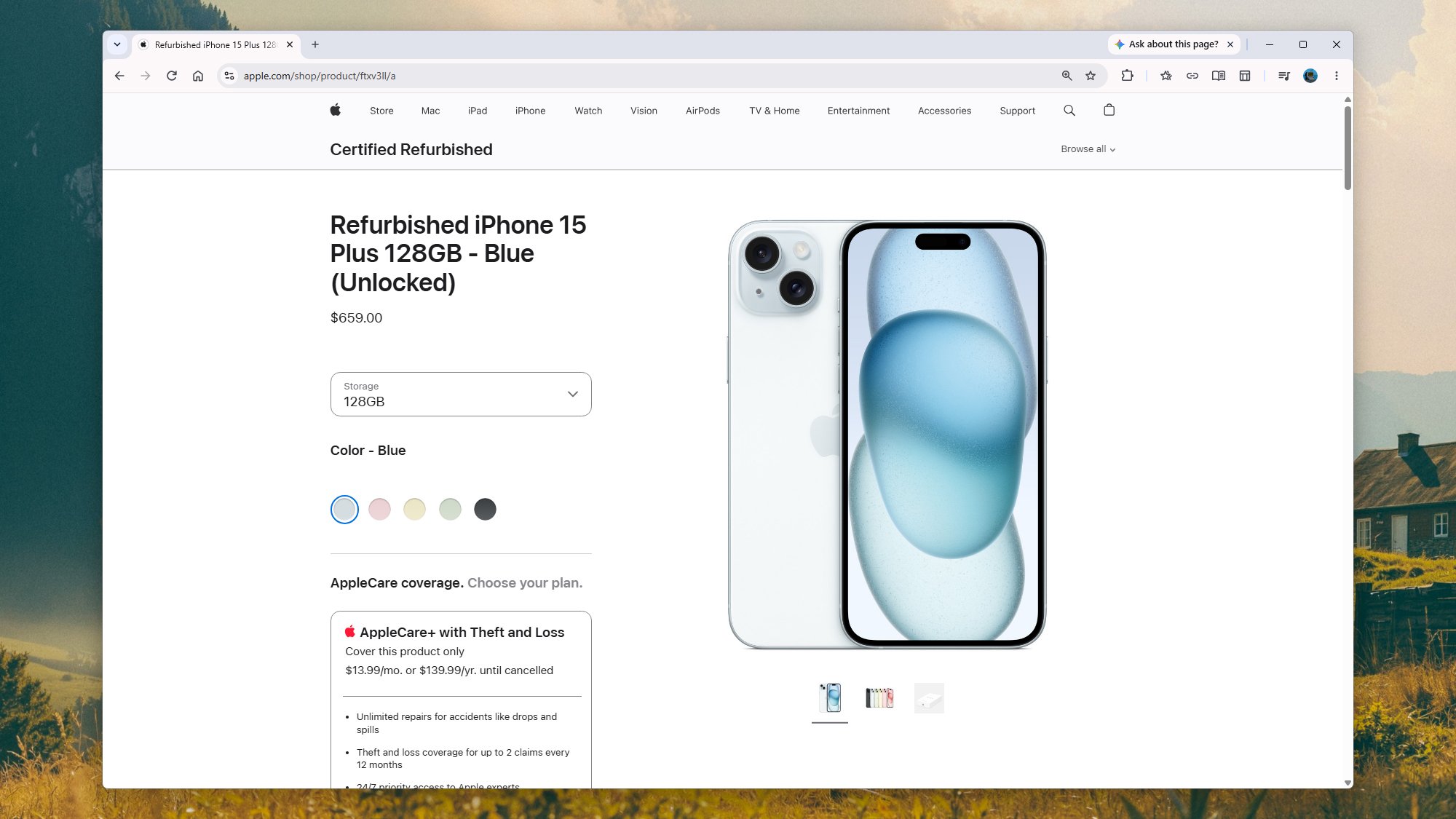
- Apple Certified Refurbished: Apple offers a comprehensive selection of iPhones, iPads, Macs, and Apple Watches. Devices undergo complete functional testing, receive genuine replacement parts where necessary, are housed in new outer packaging with all accessories, and carry the exact same one-year limited warranty as new Apple products.
- Google Certified Re-Newed: Google provides factory-certified refurbished Pixel smartphones, subjected to rigorous diagnostic testing and visual inspections, backed by a standard one-year warranty.
- Samsung Certified Re-Newed: Samsung’s program offers certified pre-owned Galaxy smartphones and tablets, thoroughly tested, repaired with authentic components, and accompanied by a one-year warranty.
Third-Party Marketplaces
For broader inventory selection and aggressive pricing, specialized multi-vendor platforms dominate the landscape.
- Back Market: Operating as a dedicated marketplace exclusively for refurbished electronics, Back Market connects buyers with certified professional refurbishers. The platform enforces strict quality control standards, provides a standardized one-year warranty on all purchases, and features a mandatory 30-day return policy. Inventory spans smartphones, laptops, audio equipment, and home appliances.
- eBay (Brand Outlet & Certified Refurbished): While historically viewed as a peer-to-peer garage sale site, eBay has aggressively expanded its professional retail presence. Through the eBay Certified Refurbished program, top-tier manufacturers and professional vendors sell factory-reconditioned goods backed by a two-year warranty (managed through Allstate in the US) and free returns.
- Swappa: Operating as a human-reviewed marketplace for gently used and refurbished tech, Swappa requires sellers to provide verifiable proof of functionality and clear condition descriptions before listings go live. Its staff actively monitors listings to prevent fraud.
- Amazon Renewed: Integrated directly into the familiar Amazon shopping infrastructure, Amazon Renewed features professionally inspected and tested gadgets. While warranties and return windows can vary depending on the third-party merchant, all items are backed by at least a 90-day Amazon Renewed Guarantee.
Economic and Environmental Implications
The surging popularity of the refurbished technology sector carries profound macroeconomic and environmental ramifications. From an ecological perspective, the global accumulation of electronic waste represents one of the most pressing industrial challenges of the twenty-first century.
Manufacturing a single modern smartphone requires the extraction of dozens of critical minerals—including lithium, cobalt, gold, and rare earth elements—a process often associated with severe environmental degradation and ethical supply chain concerns. By extending the operational lifecycle of existing hardware through professional refurbishment, consumer demand for newly mined raw materials is directly mitigated. Every smartphone or laptop kept in active circulation represents a tangible reduction in manufacturing carbon emissions and toxic landfill accumulation.
Economically, the democratization of high-end technology bridges the digital divide. By lowering the financial barrier of entry to premium communication and computing tools, refurbished gadgets empower lower-income consumers, students, and small businesses to access enterprise-grade productivity suites and communication networks that might otherwise remain economically out of reach.
As supply chains face increasing volatility and consumers grow more environmentally conscious, the refurbished market has transcended its origins as an alternative budget option. It has firmly established itself as a sophisticated, reliable, and necessary pillar of the modern technology economy.