




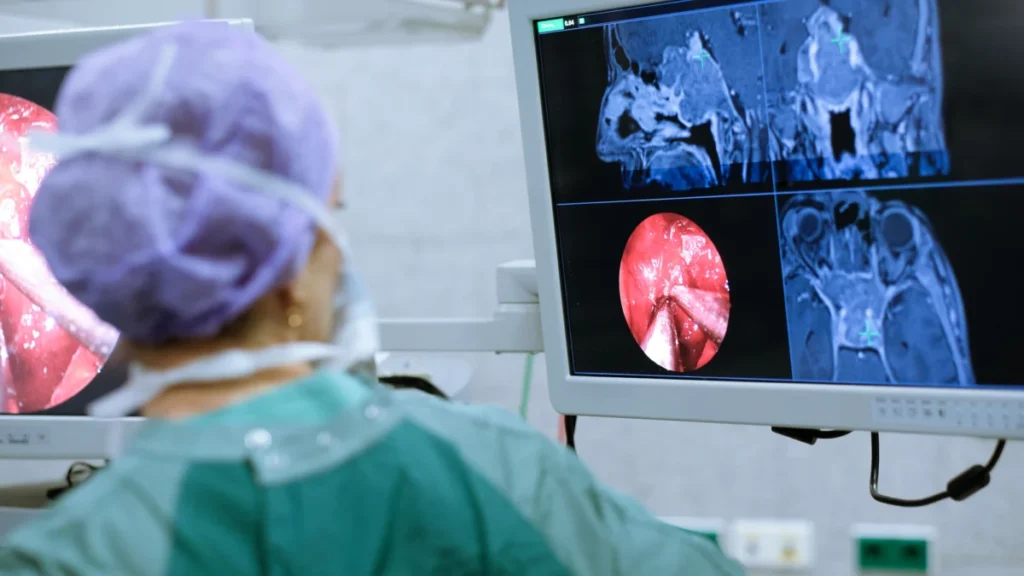
In the high-stakes environment of modern medicine, emergency physicians and neurosurgeons routinely navigate the razor-thin margin between catastrophic failure and miraculous recovery. A compelling new firsthand account from Dr. Barbara Lazio, an experienced neurosurgeon and medical educator with over two decades of clinical practice, sheds light on the profound ethical and emotional burdens carried by surgical teams. Featured in her upcoming memoir, Off the Top of My Head: Stories from the Operating Room That Will Make You Laugh (Or Cry), published by Sourcebooks, Lazio recounts the harrowing case of a patient named Beau—a 60-year-old man who survived a cascade of life-threatening cardiac and neurological events, only to confront a complex and emotionally turbulent recovery.
The case underscores the intricate dilemmas medical professionals face when clinical guidelines fall short, when patient consent is structurally impossible to obtain in real-time, and when the triumph of biological survival clashes with the subsequent quality of a patient’s life.
The Cascading Medical Emergency: From Cardiac Arrest to Brain Trauma
The clinical timeline of Beau’s hospitalization illustrates the cascading vulnerabilities often observed in critical care medicine. The sequence began when Beau was rushed to the hospital in an unconscious state, having been discovered lethargic and vomiting in his room. Medical evaluations revealed he was suffering from a ST-elevation myocardial infarction (STEMI)—a severe heart attack caused by the complete blockage of a major coronary artery.
Timely intervention by the hospital’s cardiology team successfully cleared the obstruction in the catheterization laboratory, stabilizing the patient’s immediate cardiac crisis. To prevent further clotting and ensure proper blood flow, physicians administered powerful blood-thinning medications, a standard and vital protocol following cardiac stent placement.
However, just two days after his initial stabilization, Beau suffered a sudden cardiac arrest, experiencing a dangerous, erratic heart rhythm. He lost consciousness, collapsed, and struck his head hard against the linoleum floor of his hospital room. Medical staff successfully resuscitated him using a defibrillator. While his heart rhythm was restored, the physical trauma of the fall initiated a secondary, catastrophic crisis.
The Neurosurgical Intervention: Weighing Protocols Against Emergency Reality
Following the fall, Beau’s condition deteriorated into unresponsiveness, prompting a neurological evaluation. A computerized tomography (CT) scan of his head revealed an enormous subdural hematoma—a severe accumulation of blood pressing directly against the surface of the brain.
The blood-thinning medications that were actively protecting his heart had tragically become a liability for his brain. The blunt force trauma from his collapse had torn a cerebral blood vessel, allowing blood to leak unchecked beneath the skull over several hours until pressure rendered him comatose.
Faced with a rapidly deteriorating patient, Dr. Lazio evaluated the clinical protocols and institutional guidelines. Standard medical literature suggested a grim prognosis: patients presenting with massive subdural hematomas under similar clinical duress face exceptionally slim statistical chances of functional survival, even with prompt surgical evacuation, and near-zero prospects without it.
Compounding the crisis, Lazio was unable to immediately reach Beau’s next of kin, his brother Lenny, to secure formal surgical consent. Operating under the legal and ethical doctrine of implied consent in a life-or-threatening emergency, Lazio made the unilateral decision to proceed with the craniotomy.
"The studies would give this man a slim chance of functional survival with surgery and slimmer without," Lazio reflects in her memoir. "He was youngish, sixty. Was it my place to decide if today would be his last day? With no other family available, it was up to me to decide. So, I decided."
Inside the Operating Room: The Craniotomy Procedure
The surgical procedure itself is a foundational neurosurgical competency, executed with rapid precision by specialized hospital teams. Lazio and her surgical staff performed an emergency craniotomy—drilling an opening into the skull, retracting the protective dural membrane, and irrigating the large, clotted mass of accumulated blood from the cranial vault.
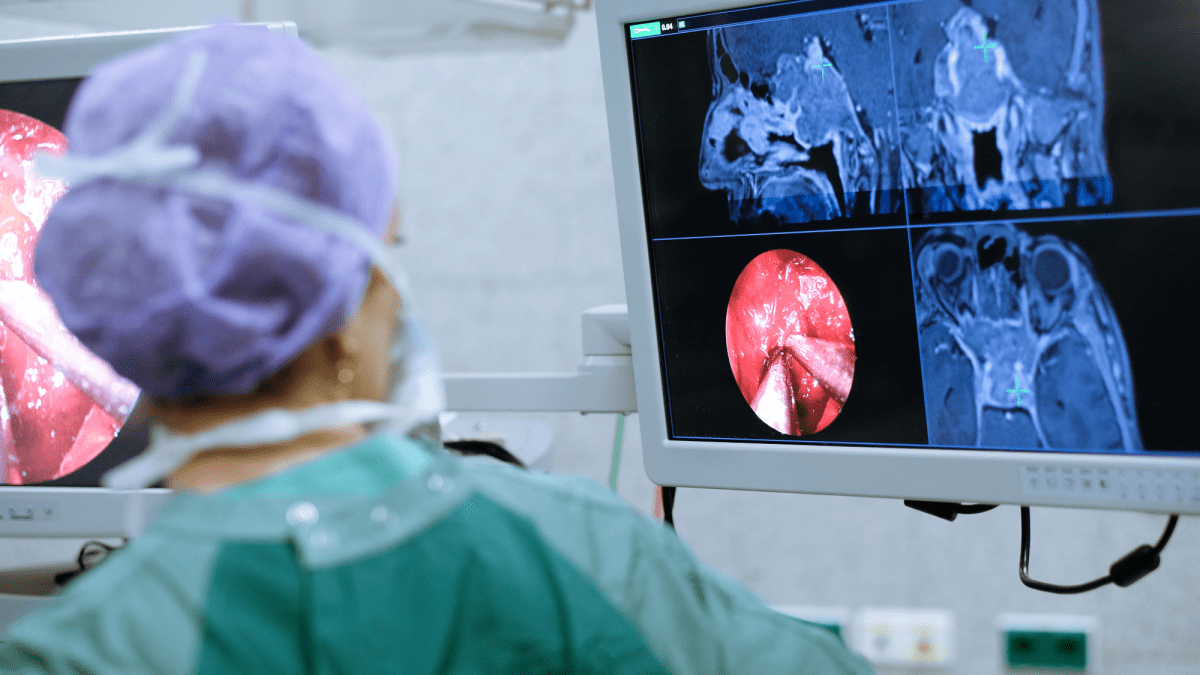
From a technical standpoint, the intervention was immediately successful. The localized intracranial pressure was relieved, allowing the compressed brain tissue to expand naturally back into its anatomical space. Following the evacuation of the hematoma, Lazio sutured the dura and secured the cranial bone flap using specialized titanium fixation plates before applying a protective sterile dressing. Beau was subsequently transferred to the intensive care unit (ICU) for round-the-clock postoperative monitoring.
Post-Operative Complications and the Ethical Dilemma of Survival
Despite the technical success of the surgery, Beau’s recovery was neither linear nor straightforward. Weeks of intensive care exposed the broader systemic challenges facing critical care patients, including insurance-related hurdles that delayed his transfer to specialized rehabilitation and skilled nursing facilities. He remained confined to a hospital room for six weeks, dependent on mechanical ventilation and battling profound physical weakness.
During a routine morning round, while communicating via a whiteboard because a breathing tube still restricted his vocal cords, Beau conveyed a sentiment that deeply affected his surgical team: "I want to die."
This poignant moment captures a frequently underreported psychological reality in critical care medicine: the profound existential distress experienced by patients navigating severe trauma, prolonged mechanical ventilation, and ICU-induced delirium. For Dr. Lazio, the interaction triggered intense introspection regarding the ethics of preservation.
"The words crushed me like a boulder," Lazio writes. "I did not have my crystal ball to see how this scene would play out when I decided, perhaps cavalierly, to operate on his brain… Had I saved his life only to deliver him to this strange purgatory of tubes and needles?"
Recovery, Rehabilitation, and Long-Term Outcomes
Despite the early psychological lows, Beau’s physiological resilience ultimately prevailed. Four weeks after the brain surgery, his breathing tube was successfully removed. He regained speech, recovered partial mobility in his left hand, and—in a testament to the unpredictable nature of human recovery—was eventually able to play simplified passages of music on a guitar brought to his bedside by visitors.
Six weeks after his initial admission, Beau was discharged to continue his recovery outside the acute care setting. Several weeks later, accompanied by his brother Lenny, he returned to Dr. Lazio’s office for a follow-up evaluation. While he retained little memory of the agonizing weeks spent in the intensive care unit, he had regained a degree of independence—capable of driving, living on his own, though not yet cleared to return to formal employment.
When Lazio directly asked Beau during the follow-up visit whether he was ultimately glad she had performed the emergency brain surgery, the patient paused before offering a reassuring response.
"Yeah. I’ve been meaning to thank you," Beau smiled.
The Broader Implications for Critical Care and Medical Ethics
Dr. Lazio’s published account highlights enduring, systemic questions within modern healthcare. As emergency medicine and neurosurgical techniques advance, the capacity of medical teams to preserve biological life continues to outpace our societal frameworks for supporting patients through the psychological and rehabilitative aftermath of severe trauma.
Medical ethicists note that emergency interventions executed without prior consent place a heavy moral weight on physicians, who must balance statistical prognoses against the inherent human drive to preserve life. Cases like Beau’s emphasize the critical importance of holistic post-operative care, mental health support for survivors of major trauma, and ongoing discourse regarding the intersection of clinical intervention, patient autonomy, and long-term quality of life.
Off the Top of My Head: Stories from the Operating Room That Will Make You Laugh (Or Cry) by Dr. Barbara Lazio is scheduled for nationwide release on September 22, offering readers further insight into the human stories behind everyday neurosurgical practice.