



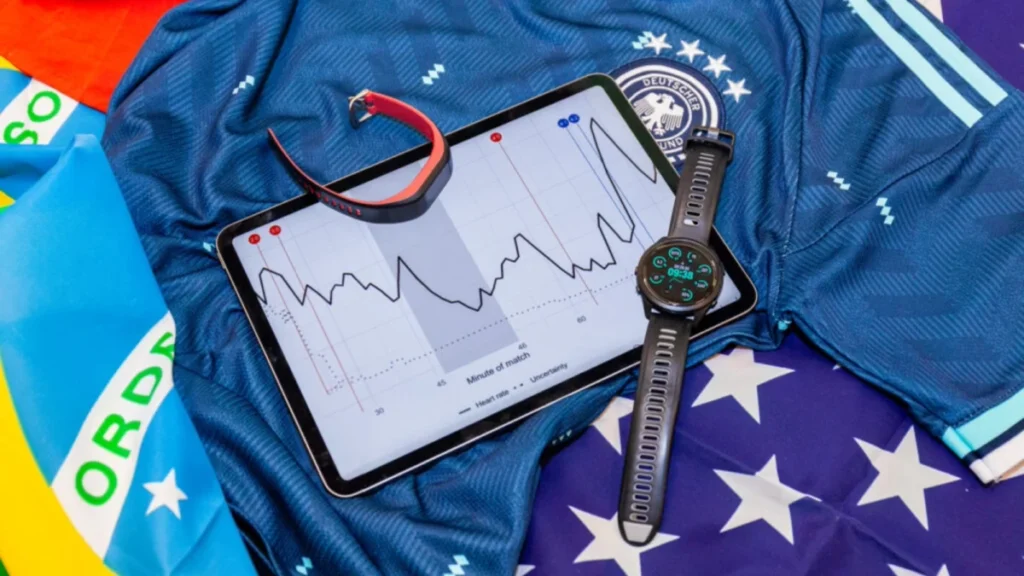
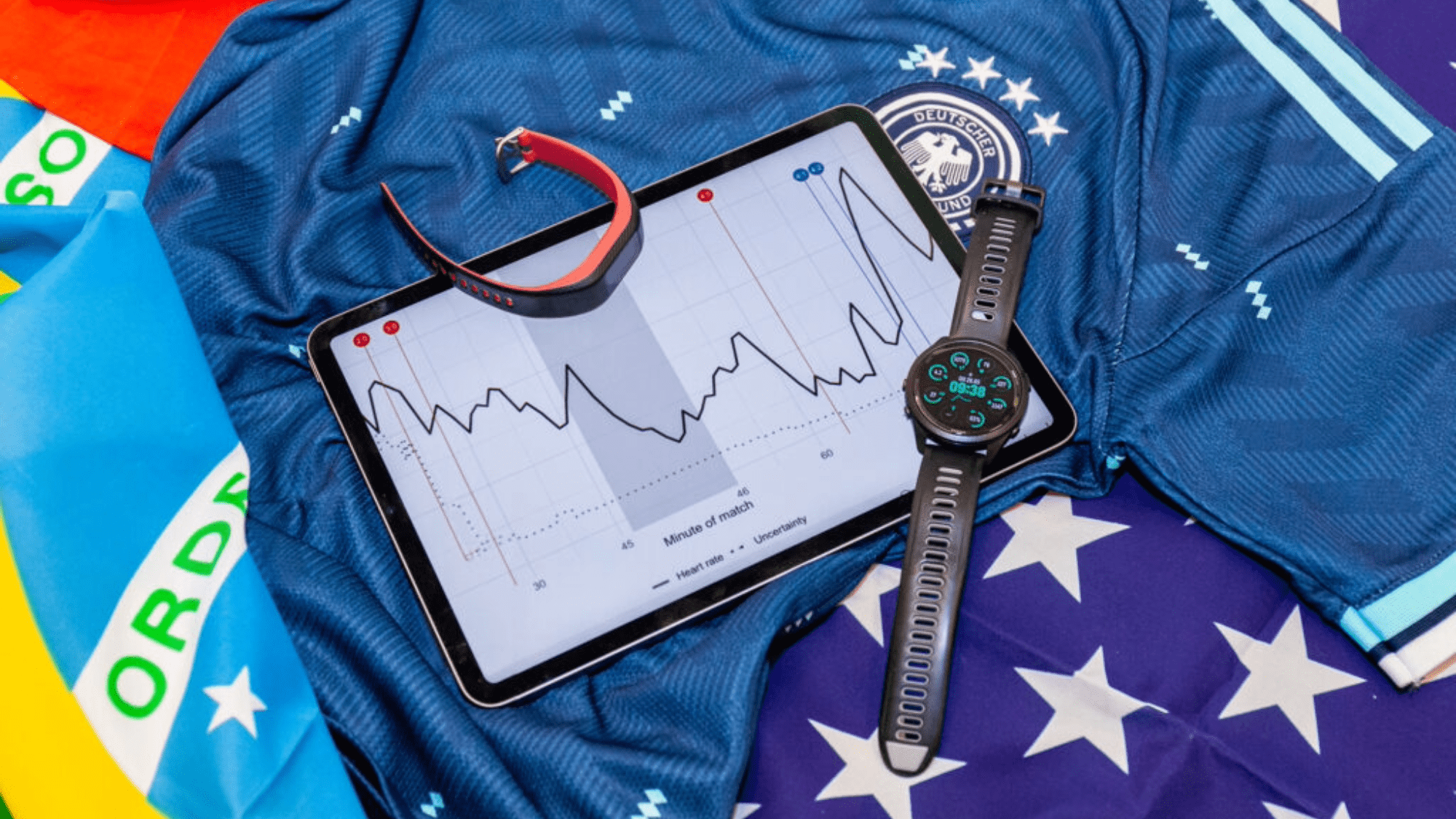
The global spectacle of the World Cup has long been recognized as a period of intense emotional volatility for millions of supporters, but a new scientific initiative is seeking to quantify the physical toll of these emotions. Researchers at Bielefeld University in Germany have launched an expansive study utilizing wearable technology to monitor the cardiac health and stress responses of football fans in real-time. By leveraging the biometric capabilities of modern smartwatches, the research team aims to understand how the highs and lows of international competition manifest in the human body, potentially revealing cultural differences in how various nationalities process the stress of sport.
The project, led by a multidisciplinary team of sports scientists and data analysts, invites supporters from across the globe to contribute their personal health data. The objective is to move beyond anecdotal evidence of "match-day stress" and establish a rigorous, data-driven profile of the football fan’s physiological experience. As fans navigate the tension of penalty shootouts and the jubilation of last-minute goals, their smartwatches serve as mobile laboratories, recording heart rate variability, activity levels, and stress markers that were previously difficult to capture in a naturalistic setting.
Methodology and Technical Framework
To ensure a diverse and statistically significant dataset, the research team at Bielefeld University has opened registration to fans of all participating national teams. The study utilizes a data-protection-compliant interface that allows participants to securely share anonymized information from their wearable devices. The study is inclusive of 13 major smartwatch and fitness tracker brands, including industry leaders such as Apple, Garmin, Samsung, and Google.
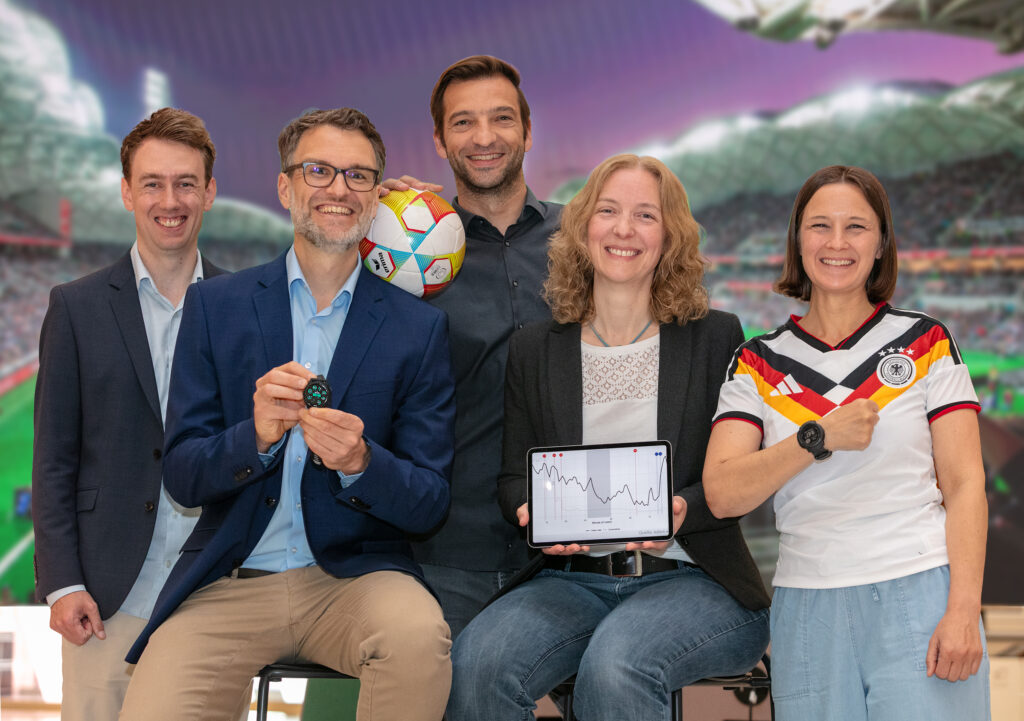
Dr. Christiane Fuchs, a co-project leader and prominent data scientist at the university, emphasized the technical advantages of this approach. According to Dr. Fuchs, the long battery life of contemporary wearables allows for the collection of uninterrupted data series over several days. This continuity is vital for establishing a "baseline" for each participant, allowing researchers to distinguish between normal daily fluctuations and the acute physiological spikes triggered by specific match events.
The registration process requires participants to provide several key demographic and psychological metrics. These include country of residence, gender, nationality, and their preferred team. Crucially, participants are asked to self-assess the intensity of their support, ranging from casual observers to "die-hard" fans. This categorization allows researchers to correlate the physical intensity of a reaction with the psychological importance the fan places on the outcome. Throughout the tournament, participants also provide context for their data by reporting whether they watched matches live on television, followed updates via a live ticker, or attended high-energy public viewing events.
Comparative Analysis of Fan Reactions
One of the primary hypotheses driving the study is that cultural and national identity may influence the physiological response to match events. Dr. Christian Deutscher, a sports scientist and co-leader of the project, explained that the World Cup provides a unique "natural experiment" because it subjects fans from vastly different backgrounds to identical stimuli simultaneously.
"We are interested in whether fans of different national teams react with differing intensity to the same match event," Dr. Deutscher stated. He posited that a goal scored against a rival might elicit a measurably different cardiac response in a German fan compared to a Brazilian or Turkish supporter. By analyzing these variances, the team hopes to determine if certain football cultures are predisposed to higher levels of physiological "investment" or if the human response to sporting drama is universal regardless of geography.
This comparative approach also extends to the viewing environment. Previous data suggests that the social setting of a match—whether a fan is alone on their sofa or surrounded by thousands in a fan zone—significantly alters the body’s reaction. The current study seeks to codify these differences on a global scale, providing insight into the "contagion" of emotion in large crowds.
Lessons from the 2025 DFB Cup Pilot Study
The current World Cup initiative is built upon the foundations of a successful pilot study conducted by the same team during the 2025 German Football Association (DFB Cup) final. That match, which saw first-division club VfB Stuttgart face off against third-division side Arminia Bielefeld, provided a localized test case for the researchers’ methodology.
In the 2025 study, the team monitored 229 Arminia Bielefeld supporters over a 12-week period. The results, published in the journal Scientific Reports in February, offered a startling look at the physical demands of fandom. The findings included:
- Average Heart Rate: Fans attending the match in person at the stadium reached an average heart rate of 94 beats per minute (bpm). In contrast, those watching the broadcast from home averaged a significantly lower 79 bpm.
- Goal-Induced Spikes: The moment a goal was scored, heart rates in the stadium spiked by up to 36 percent more than the heart rates of fans watching via other media.
- Anticipatory Stress: One of the most significant findings was that stress levels in fans began to rise as early as 14 hours before the opening whistle. This suggests that the "physiological match" begins long before the physical one, as the sympathetic nervous system prepares for the upcoming emotional stakes.
The 2025 study demonstrated that the "stadium experience" creates a unique physiological state characterized by sustained elevated heart rates and heightened cortisol production, effectively placing the fan in a state of physical exertion similar to light exercise or high-intensity cognitive stress.
The Physiology of Sporting Stress
The research at Bielefeld University contributes to a growing body of literature in the field of sports cardiology. When a fan watches a high-stakes match, the brain’s amygdala—the center for processing emotions—triggers the hypothalamus to activate the sympathetic nervous system. This results in the release of adrenaline and cortisol, the body’s primary stress hormones.
These hormones increase the heart rate and blood pressure, preparing the body for a "fight or flight" response. In the context of a football match, where the spectator has no physical outlet for this energy, the sustained elevation of these markers can be taxing. For individuals with underlying cardiovascular conditions, the "positive stress" (eustress) of a victory and the "negative stress" (distress) of a defeat can both pose legitimate health risks.
By using smartwatches to track these fluctuations, the Bielefeld researchers are providing a roadmap for how the body recovers from these episodes. Understanding the "cool-down" period after a match is just as important as monitoring the peaks, as a heart that remains in a state of high stress long after the final whistle may indicate a higher risk of sports-related cardiac events.
Chronology of the Research Project
The evolution of this research reflects the rapid advancement of wearable technology and data science over the last decade.
- Late 2024: The research team at Bielefeld University begins developing a data-compliant interface capable of aggregating biometric data from multiple proprietary smartwatch platforms.
- Early 2025: The pilot study involving Arminia Bielefeld fans is launched, focusing on a 12-week window surrounding the DFB Cup final.
- February 2026: Findings from the pilot study are published in Scientific Reports, establishing the validity of using consumer-grade wearables for large-scale sports science research.
- June 2026: With the commencement of the World Cup, the study is scaled globally. The team opens the registration portal to international fans, aiming for a participant pool in the thousands.
- Present Day: The study is actively collecting data across all time zones, tracking fans through the group stages and into the knockout rounds.
Broader Implications and Future Applications
The implications of this study extend beyond the realm of sports science. The data collected could have significant applications in public health, urban planning, and even broadcasting. For instance, if the data consistently shows that certain types of match events (such as VAR reviews or penalty shootouts) cause dangerous spikes in heart rates, sports organizations may consider how these elements are integrated into the game.
Furthermore, the study highlights the role of "citizen science" in modern research. By allowing fans to volunteer their own data, the university is fostering a collaborative relationship between academia and the public. This model of data collection could be applied to other high-stress public events, such as elections or major cultural festivals, to understand how collective experiences shape human physiology.
Medical professionals may also use the findings to better advise patients with heart conditions. If the study confirms that stress levels rise 14 hours before a match, doctors could recommend specific relaxation techniques or medication adjustments for at-risk patients during tournament windows.
As the World Cup progresses toward its final match, the researchers at Bielefeld University continue to monitor the digital pulses of the global fan base. Their work stands as a testament to the idea that while football is often described as a game of passion, it is also, fundamentally, a game of the heart—measured in beats, spikes, and the enduring physical resilience of those who watch from the stands and the sidelines.