



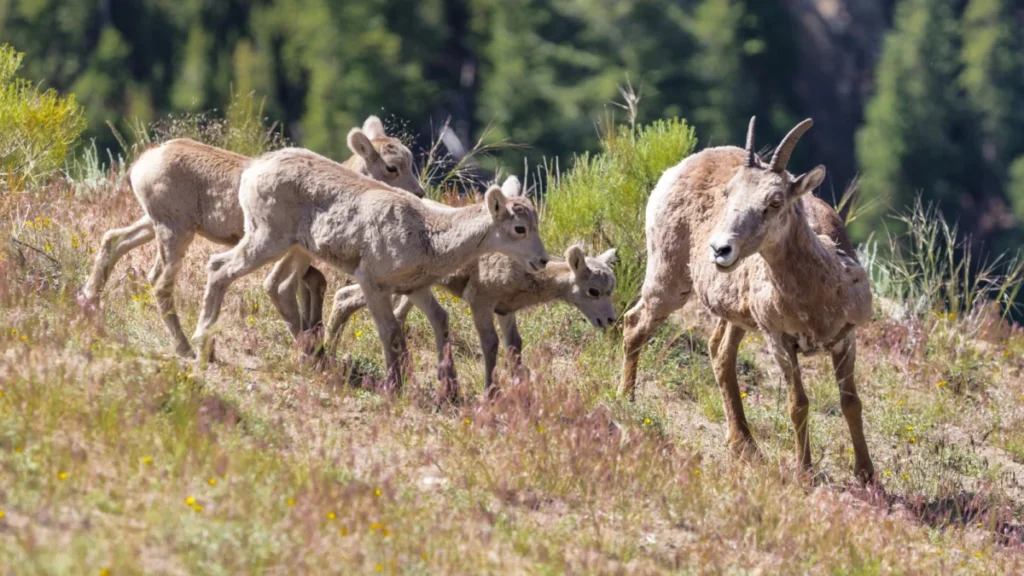
Spring in the Northern Hemisphere marks a period of profound transformation within the Greater Yellowstone Ecosystem, as the melting snowpack gives way to lush grasslands and a significant surge in wildlife births. Yellowstone National Park, an expansive 2.2-million-acre wilderness spanning Wyoming, Montana, and Idaho, has officially entered its most delicate and vibrant season. Park officials recently highlighted a diverse array of new arrivals, including bison calves, black bear cubs, yellow-bellied marmot pups, bighorn sheep lambs, elk calves, and pronghorn fawns. While these sightings draw thousands of tourists eager to witness the "Serengeti of North America" in its most maternal state, the National Park Service (NPS) has issued critical directives to ensure the safety of both the animals and the public.
The Seasonal Chronology of Birth in the Greater Yellowstone Ecosystem
The timing of births in Yellowstone is a finely tuned biological clock, synchronized with the "green-up" of vegetation. As high-protein grasses emerge from the receding frost, they provide the necessary nutrition for lactating mothers and their developing offspring. This window of abundance is narrow, making the spring months of April, May, and June the primary "birthing season" for the park’s iconic megafauna.
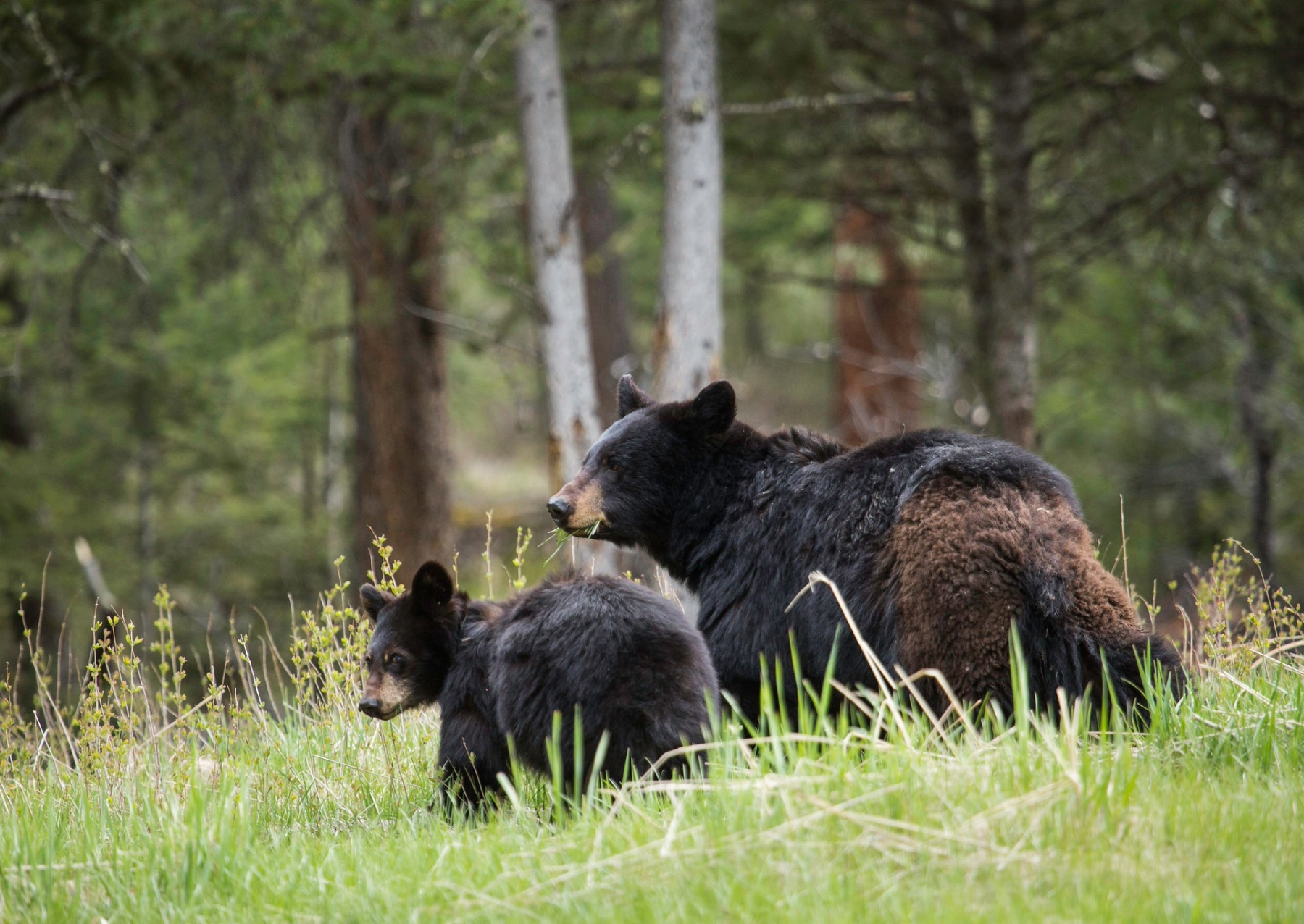
Bison are typically the first to usher in the new generation. Known as "red dogs" due to their bright orange-red coats, bison calves are often seen as early as mid-April. Their distinctive coloring helps them blend into the dried grasses of the valley floors, though they eventually transition to the dark brown hue of adults within a few months. Following the bison, black bears and grizzly bears emerge from their winter dens. While bear cubs are actually born in the mid-winter during the mother’s hibernation, spring marks their first foray into the outside world, where they must quickly learn to forage and climb under the sow’s watchful eye.
By late May and early June, the park sees an influx of ungulate births. Elk calves and pronghorn fawns are born with spotted coats or neutral coloring designed for camouflage. Unlike bison, which keep their calves within the protective circle of the herd, elk and pronghorn often "park" their young in tall grass, leaving them alone for hours while the mothers graze nearby to avoid drawing predators to the nursery site.
A Profile of Yellowstone’s Newest Residents
The diversity of life in Yellowstone is unparalleled in the lower 48 states. The recent social media updates from the park highlighted several specific species currently navigating their first weeks of life:
- Bison (Bison bison): As the national mammal of the United States, the bison is a symbol of successful conservation. The current calves represent the continued resilience of a population that was nearly extinct in the late 19th century.
- Black Bears (Ursus americanus): These cubs are highly vulnerable to predators, including wolves and even male bears. They depend entirely on their mother’s fierce protection and guidance for the first two years of life.
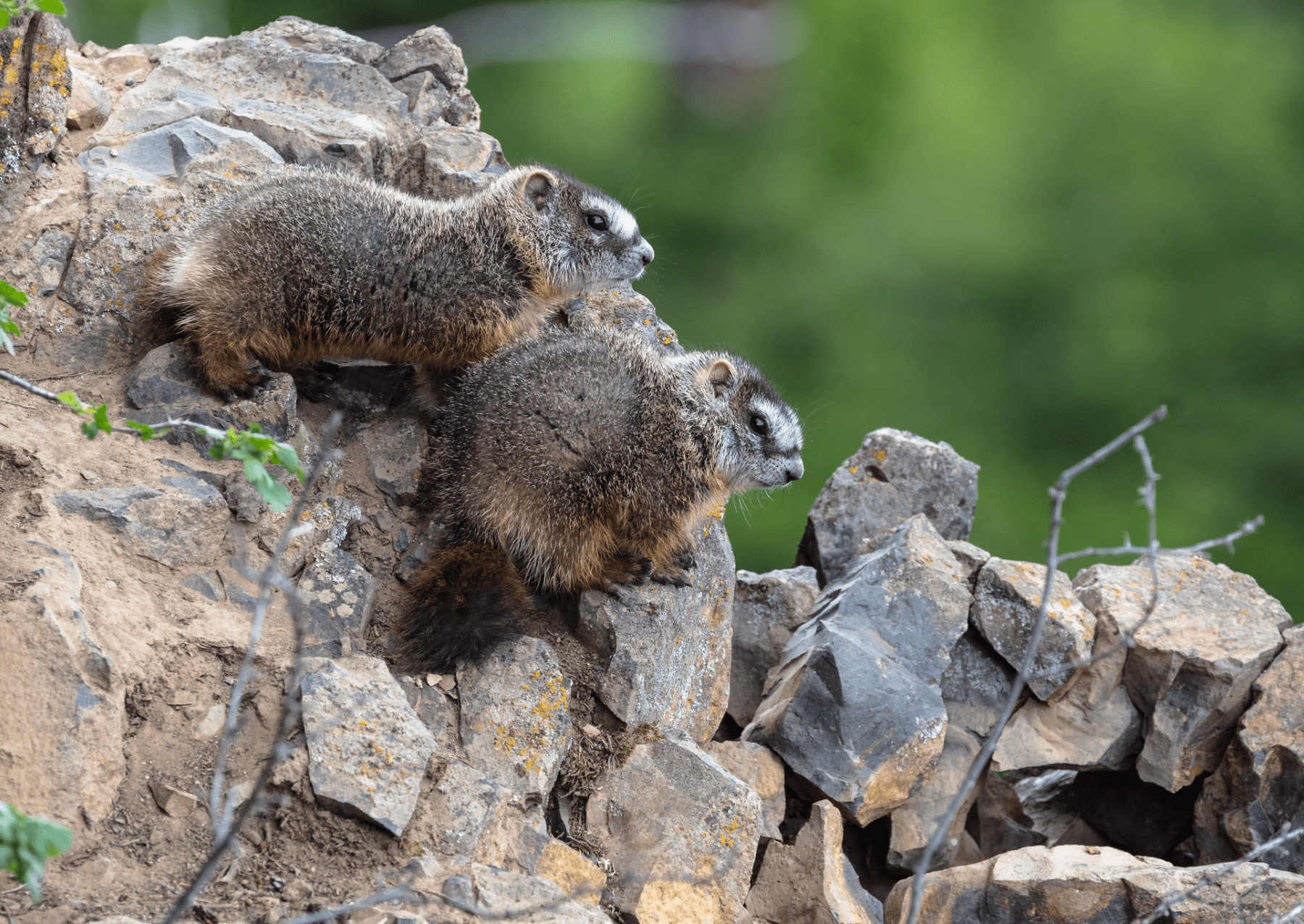
- Yellow-bellied Marmots (Marmota flaviventris): One of the park’s largest rodents, these "rock chucks" are often seen sunning themselves on granite outcrops. Their pups emerge from underground burrows in late spring to begin the frantic process of gaining enough weight to survive the next winter’s hibernation.
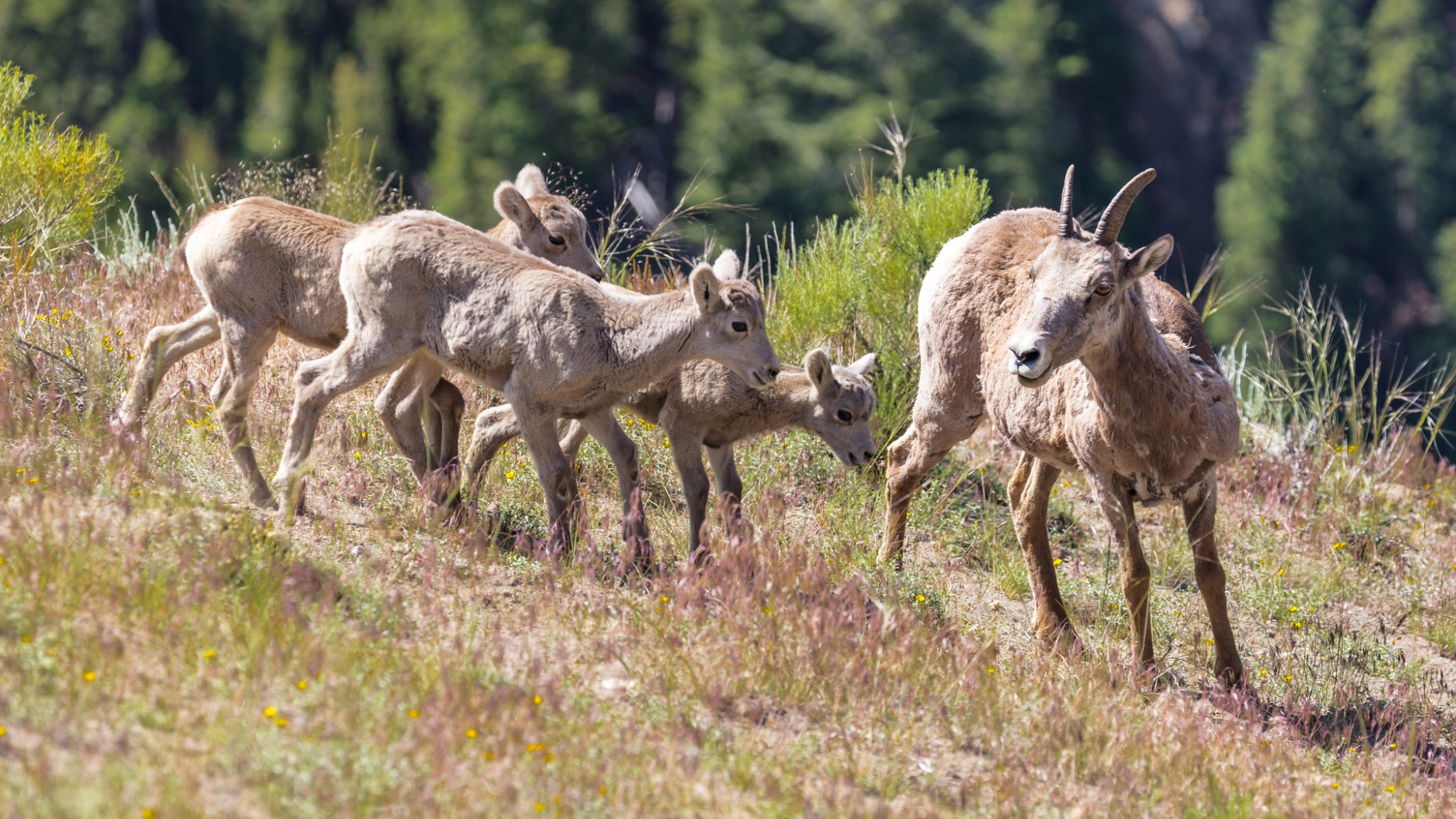
- Bighorn Sheep (Ovis canadensis): Lambs are born on steep, inaccessible cliffs to protect them from terrestrial predators. Within hours of birth, these lambs are capable of navigating precarious ledges.
- Pronghorns (Antilocapra americana): Often mistakenly called antelope, pronghorns are the fastest land mammals in the Western Hemisphere. Their fawns can outrun most predators within just a few days of birth.
Safety Protocols and the "100-Yard Rule"
The influx of young animals brings a heightened risk of human-wildlife conflict. Maternal instincts are among the most powerful forces in nature; a mother elk or bear that perceives a threat to her offspring can become unpredictably aggressive. To mitigate these risks, the NPS enforces strict distance regulations.
Visitors are legally required to maintain a distance of at least 100 yards (91 meters) from "apex" predators, specifically bears and wolves. For all other wildlife, including bison, elk, and bighorn sheep, a minimum distance of 25 yards (23 meters) is mandatory. Park rangers emphasize that these distances are not merely suggestions but are essential for the biological health of the animals. When humans approach too closely, they can cause "habituation," where animals lose their natural fear of people, or "displacement," where mothers abandon their young due to stress.
"As cute and fuzzy as they are, remember to give wildlife room and use a zoom," the park stated in its recent public service announcement. The use of binoculars, spotting scopes, and telephoto lenses is recommended as the only ethical way to observe these animals.
The Tragic Consequences of Human Interference
History serves as a somber reminder of why these rules exist. In 2016, a well-intentioned but ill-informed tourist placed a bison calf in the back of an SUV, claiming they were worried the animal was cold. Despite efforts by park rangers to reunite the calf with its herd, the mother rejected the offspring due to human interference. The calf eventually had to be euthanized because it was causing dangerous situations by approaching people and cars along the roadway.
Similarly, in May 2023, a man pleaded guilty to a federal charge after he intentionally touched a bison calf in the Lamar Valley. The calf was later rejected by its herd and had to be euthanized. These incidents underscore a hard reality: in the wild, human "help" is often a death sentence for young animals.
Navigating Wildlife Encounters in Suburban and Urban Settings
While Yellowstone’s residents require a hands-off approach, the rules for wildlife in suburban or urban environments—such as baby opossums and squirrels—can differ significantly. In these settings, human intervention is sometimes necessary due to the unique biological traits of the species involved.
The Case of the Baby Opossum (Didelphis virginiana):
Opossums are North America’s only marsupials. Unlike most mammals, they do not have a strong "retrieval" instinct. Opossums carry their young in a pouch and later on their backs. If a joey falls off the mother’s back, she often continues moving, unaware that a baby has been lost. Because she will not return for it, a lone baby opossum smaller than seven inches (excluding the tail) is unlikely to survive. Experts suggest that if a citizen finds a stranded joey, the best course of action is to contact a licensed wildlife rehabilitator immediately, as the animal cannot be "reunited" in the traditional sense.
The Case of the Baby Squirrel:
In contrast, baby squirrels that fall from their nests (dreys) often have a chance at reunification. Greg Mertz, a founder at the New England Wildlife Center, notes that squirrel mothers are highly attentive. If a baby is found on the ground, it may have fallen during a storm or a botched leap. The recommended protocol is to place the baby in a shallow basket and hang it from the tree it fell from. This protects the infant from ground predators like cats or snakes while allowing the mother to hear its distress calls. Interestingly, some wildlife experts suggest playing "baby squirrel distress calls" from a smartphone to help the mother locate her offspring more quickly. However, if the mother does not return within 12 hours, professional intervention is required.
The Broader Ecological Impact of the Spring Birth Pulse
The "birth pulse" in Yellowstone is not just a spectacle for tourists; it is the engine that drives the entire ecosystem. The survival of these young animals dictates the population trends of the park’s predators. For wolves and grizzly bears, the availability of elk calves and bison "red dogs" provides a critical caloric boost following the lean winter months.
This predator-prey dynamic is a cornerstone of Yellowstone’s "trophic cascade." By keeping ungulate populations in check, predators prevent overgrazing, which in turn allows willow and aspen groves to flourish. These trees provide habitat for songbirds and materials for beavers, demonstrating how a single bison calf born in April is connected to the health of a river system in July.
Conclusion: A Delicate Balance
As Yellowstone National Park continues to see record-breaking visitation numbers, the pressure on its wildlife increases. The current spring season serves as a reminder of the park’s primary mission: the preservation of natural resources and wildlife "unimpaired for the enjoyment of future generations."
For the casual observer, the sight of a black bear cub tumbling through the tall grass or a bighorn lamb testing its legs on a cliffside is a profound experience. However, the National Park Service maintains that the highest form of respect a visitor can show is distance. By adhering to the 100-yard and 25-yard rules, and by understanding when to intervene in suburban settings versus when to remain a distant observer in the wild, the public plays an active role in the conservation of North America’s most storied wilderness. The "cute and fuzzy" arrivals of today are the majestic bulls and sows of tomorrow, provided they are given the space to grow up wild.