



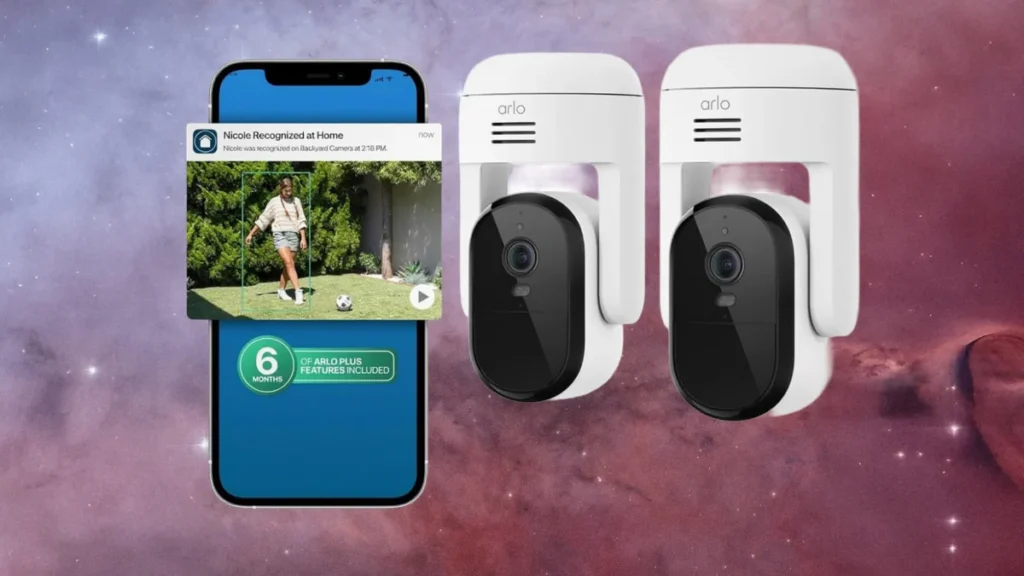
The global retail landscape witnessed a significant shift this week as Amazon launched its annual Prime Day event for 2026, running from June 23 through June 26. This year’s event has distinguished itself not merely through the volume of transactions, but through unprecedented price reductions in the home security and smart automation sectors. Industry analysts report that the 2026 discounts represent a strategic push by major manufacturers—including Arlo, Ring, Blink, and eufy—to achieve total market saturation in a residential security sector that has become increasingly reliant on high-definition video and artificial intelligence-driven detection. For the duration of this 72-hour window, the barrier to entry for a comprehensive, multi-point home surveillance system has reached its lowest financial threshold in the history of the smart home industry.
The 2026 Prime Day event follows a decade of evolution for the mid-summer sales period. Originally launched in 2015 to celebrate Amazon’s 20th anniversary, the event has transitioned from a general inventory clearance to a sophisticated launchpad for the latest consumer technologies. This year, the focus has pivoted sharply toward "prosumer" grade security equipment. Historically, high-resolution 4K cameras and pan-tilt-zoom (PTZ) hardware were reserved for commercial installations or wealthy early adopters. However, the data from the June 2026 sale indicates that these technologies are now being positioned as standard household utilities.
The Shift Toward High-Resolution Surveillance
One of the most notable developments in the 2026 sale is the aggressive pricing of 2K and 4K hardware. The Arlo Essential Pan Tilt Security Camera 2K, which debuted at a suggested retail price of $199.99, has been reduced to $59.00. This 70% reduction signals a broader industry trend where hardware is increasingly viewed as a loss leader to encourage long-term participation in cloud-based subscription ecosystems. The Pan Tilt 2K model represents a significant leap in residential hardware, offering a 360-degree field of view that allows a single unit to monitor expansive open-concept living areas that previously required three or more fixed-lens cameras.
Similarly, the Arlo Ultra 4K HDR (3rd Gen) has seen a price correction from $749.99 down to $314.00. This 58% discount targets property owners who require forensic-level detail. The integration of High Dynamic Range (HDR) and 4K resolution allows for the identification of license plates and facial features at distances exceeding 30 feet—capabilities that were considered enterprise-level only five years ago. This democratization of high-fidelity surveillance is expected to have a measurable impact on neighborhood watch programs and law enforcement evidence gathering.
Ecosystem Rivalries: Subscription vs. Local Storage
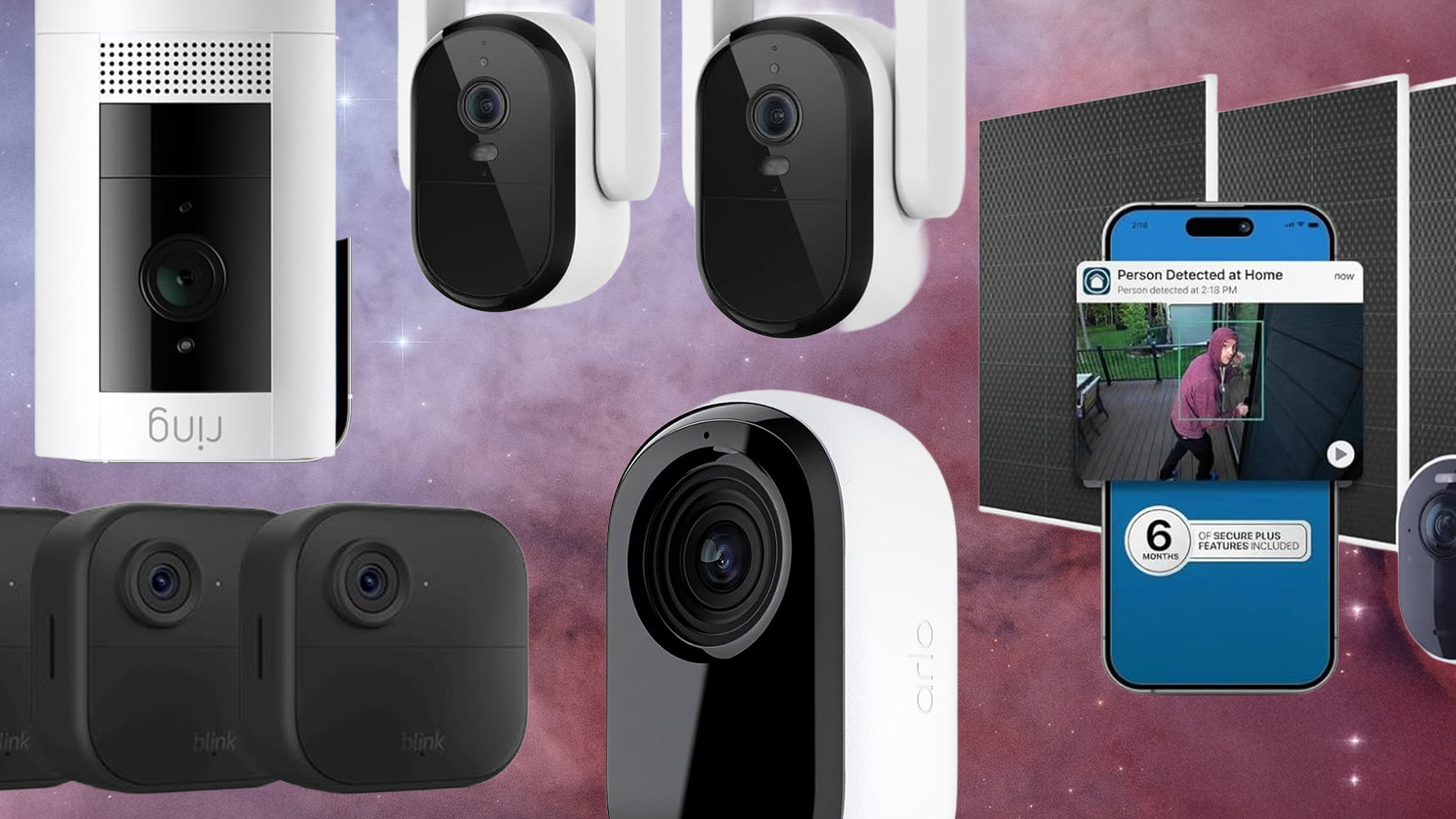
The 2026 Prime Day event has also highlighted the ongoing philosophical divide in the smart home market: the battle between subscription-heavy models and local storage alternatives. Amazon’s proprietary brands, Ring and Blink, have dominated the high-volume, low-cost segment. The Blink Outdoor 4 four-camera system, a staple for wireless outdoor coverage, reached an all-time low of $119.99, a 70% reduction from its $399.99 MSRP. These units, known for their two-year battery life and ease of installation, are designed to integrate seamlessly with the Alexa voice-control ecosystem.
Conversely, eufy—a brand under the Anker Innovations umbrella—has solidified its position as the primary choice for privacy-conscious consumers who wish to avoid monthly fees. The eufy Video Doorbell E340 and the wired PoE NVR S4 Max system (currently priced at $999.99) utilize local storage hubs, allowing users to keep their footage on physical drives within their own homes. Market analysts suggest that eufy’s growth in 2026 is driven by "subscription fatigue," as consumers push back against the cumulative cost of monthly cloud storage plans required by Ring and Arlo.
Entry-Level Accessibility and Impulse Adoption
Perhaps the most startling data point from the 2026 event is the pricing of entry-level indoor cameras. The Arlo Essential Indoor Camera 2K (2nd Gen) has been priced at $14.00, down from its original $79.99. This 82% discount effectively moves home security into the "impulse buy" category. At this price point, the cost of a high-definition camera with a physical privacy shutter is comparable to a single meal, making it feasible for renters and students to secure individual rooms or apartments.
In the video doorbell segment, the Arlo Video Doorbell HD has dropped to $24.00, while the high-end Ring Wired Doorbell Pro is being offered at $179.99. These price points suggest that manufacturers are prioritizing "front-door dominance." Once a consumer installs a specific brand’s doorbell, they are statistically 65% more likely to purchase additional cameras and sensors from the same ecosystem to maintain a unified user interface.
Beyond Cameras: The Expansion of the Smart Perimeter
The 2026 sale has not been limited to video surveillance. Smart locks and environmental controls have also seen significant downward price pressure. The Lockly Secure Pro Smart Lock Wi-Fi, featuring biometric fingerprint scanning, has been reduced to $237.49. Meanwhile, budget-friendly options like the ULTRALOQ U-Bolt WiFi Smart Lock have hit $75.97, making keyless entry accessible to a wider demographic.
The integration of these devices is facilitated by the maturation of the "Matter" smart home standard, which by 2026 has largely resolved the interoperability issues that plagued the industry in the early 2020s. This allows a Ring camera to trigger an Amazon Smart Plug (now $12.99) or adjust an Arlo Home Security System ($186.00) without the need for complex third-party bridges.
Industry Implications and Market Analysis
Economists specializing in the tech sector view the 2026 Prime Day discounts as a response to several converging factors. First, there is a clear effort to clear out inventory ahead of the late-2026 release of AI-native hardware that features on-device generative processing. Second, the cost of 2K and 4K sensors has plummeted due to advancements in semiconductor manufacturing, allowing brands to maintain margins even at lower retail prices.
"What we are seeing in June 2026 is the ‘utility-fication’ of home security," says Dr. Elena Vance, a senior analyst at TechMetrics International. "These devices are no longer considered gadgets; they are being marketed as essential infrastructure, much like smoke detectors or Wi-Fi routers. The aggressive pricing we see today is a land grab for the data and the loyalty of the modern household."
However, this rapid expansion of residential surveillance has not been without controversy. Privacy advocates have raised concerns regarding the "Ring-ification" of neighborhoods, where the density of cameras creates a de facto private surveillance network. The 2026 models from Arlo and Ring have attempted to address these concerns by including more robust privacy shutters and end-to-end encryption as standard features, rather than premium add-ons.
Chronology of the 2026 Sales Event
The timeline of the event shows a strategic rollout of "Lightning Deals" to maintain consumer engagement over the four-day period:
- June 23 (Launch Day): Focus on flagship outdoor bundles. The Blink Outdoor 4 four-camera kits sold out their initial allocation within six hours.
- June 24 (The Smart Door Day): Major discounts on Ring and Arlo doorbells were introduced, alongside smart lock pairings.
- June 25 (Internal Security & Pet Tech): Prices for indoor cameras, such as the Arlo Essential Pan Tilt and Blink Mini 2, were slashed to their lowest points.
- June 26 (The Final Push): Remaining inventory of high-end 4K systems and NVR (Network Video Recorder) setups were discounted further to clear warehouse space for Q3 shipments.
Looking Ahead: The Future of the Smart Home
As the June 2026 Prime Day event concludes, the long-term impact on the consumer market will become clearer. With millions of new cameras entering homes this week, the demand for high-bandwidth home internet and robust mesh Wi-Fi systems is expected to see a corresponding spike. Furthermore, the 2026 event confirms that the DIY security market has officially eclipsed the traditional professional installation market in terms of total units moved.
For the consumer, the 2026 sale represents a unique opportunity to build a sophisticated security net for a fraction of the historical cost. Whether through a $14 indoor camera or a $314 4K property monitor, the message from the 2026 retail landscape is clear: total home awareness is no longer a luxury—it is a commodity. As hardware prices continue to deflate, the true value for companies will lie in the software services, AI alerts, and integrated ecosystems that keep users connected to their homes long after the Prime Day boxes have been recycled.