


The digital landscape of home entertainment is undergoing a significant transformation as YouTube, the world’s largest video-sharing platform, continues to expand its library of full-length, studio-sanctioned feature films available at no cost to the viewer. While the platform has long been associated with user-generated content, DIY tutorials, and short-form media, its "Movies & TV" segment has quietly evolved into a formidable competitor for established subscription-based video-on-demand (SVOD) services like Netflix, Disney+, and Max. This shift marks a strategic pivot by both Alphabet Inc. and major Hollywood distributors to capitalize on the burgeoning Advertising Video On Demand (AVOD) and Free Ad-Supported Streaming TV (FAST) markets.
For consumers, the availability of these titles represents a legal and high-quality alternative to digital piracy. Unlike the illicit "bootleg" uploads that frequently appear and are subsequently removed from the platform due to copyright strikes, these films are uploaded via official partnerships with studios such as Paramount Pictures, Warner Bros. Discovery, and Lionsgate. The trade-off for viewers is the inclusion of unskippable commercial breaks, a model that mirrors traditional broadcast television but is optimized for the digital age through targeted advertising algorithms.
The Strategic Shift Toward Ad-Supported Distribution
The inclusion of free movies on YouTube is not a random occurrence but a calculated response to the current economic climate of the streaming industry. As subscription fatigue sets in—driven by rising monthly fees and the fragmentation of content across dozens of different platforms—consumers are increasingly seeking "free-to-view" options. According to recent industry reports, the FAST and AVOD sectors are among the fastest-growing segments in digital media, with revenues projected to reach tens of billions of dollars globally by the end of the decade.
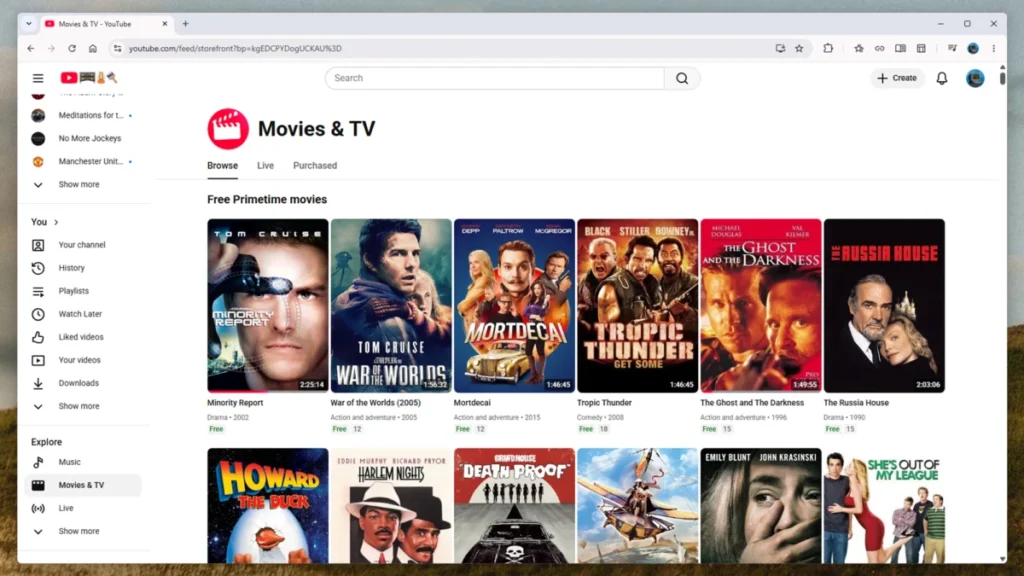
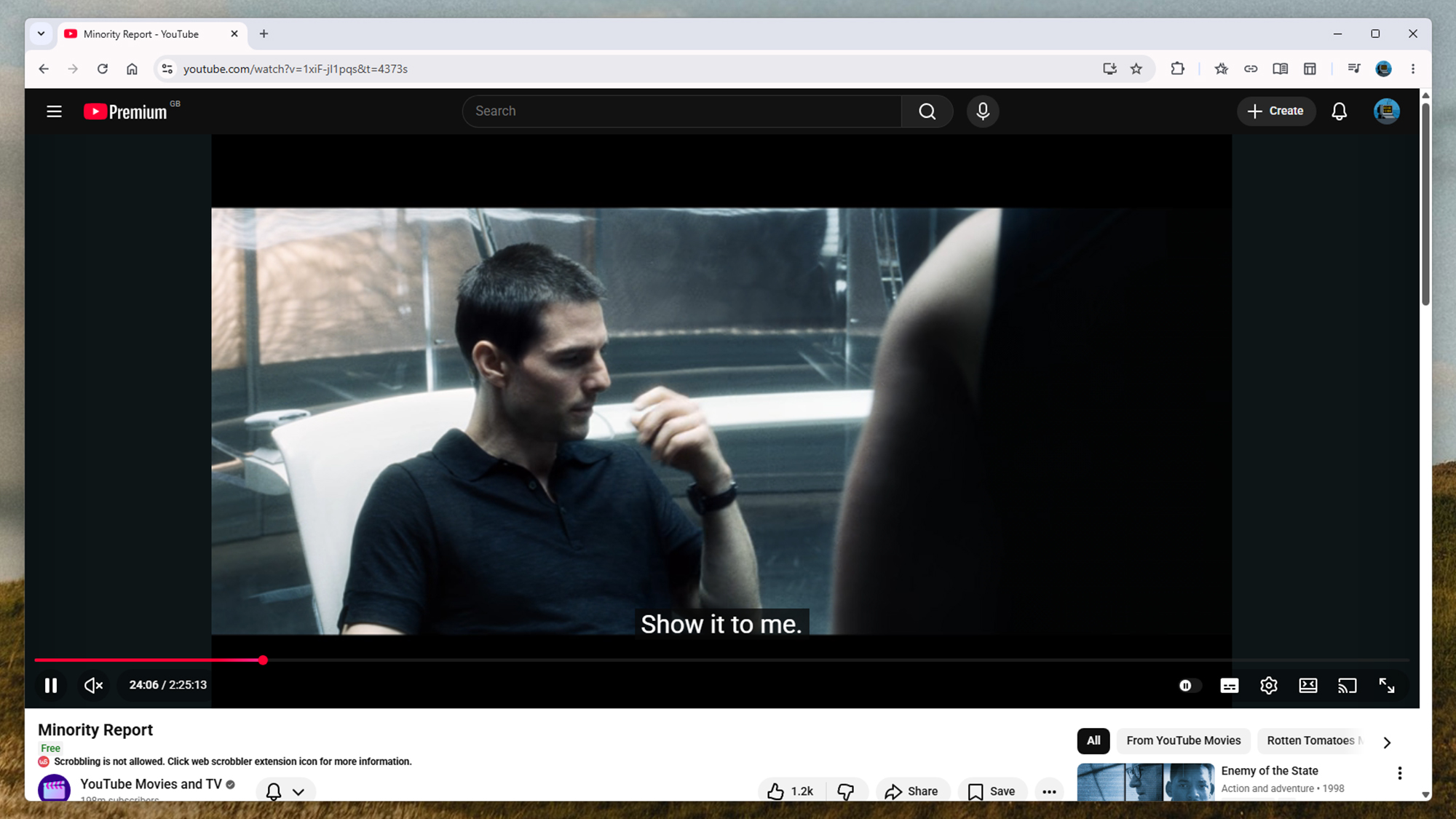
Major movie studios have historically guarded their libraries, prioritizing theatrical releases followed by a strict "windowing" process that included physical media sales (DVD/Blu-ray) and premium cable licensing. However, the "long tail" theory of media consumption suggests that older titles, while no longer generating significant revenue through direct sales, retain immense value as ad-supported assets. By placing films like The Aviator, A Quiet Place, or Minority Report on YouTube, studios can monetize their back catalogs indefinitely. Every view generates incremental ad revenue from YouTube’s sophisticated Google Ads integration, providing a steady stream of income from assets that might otherwise sit dormant in a digital vault.
A Chronology of YouTube’s Entertainment Evolution
The journey of YouTube from a repository for amateur clips to a major film distributor has spanned nearly two decades. Understanding this timeline is essential to grasping the platform’s current dominance in the streaming space.
- 2005–2009: The Wild West Era. In its infancy, YouTube was primarily a platform for short, low-resolution user uploads. Full-length movies were often uploaded illegally in ten-minute segments to bypass file size limits, leading to frequent legal battles with media conglomerates.
- 2010–2011: The Birth of Rentals. Google began testing a movie rental service, initially launching with a small selection of independent films from the Sundance Film Festival. This eventually evolved into the "YouTube Movies" store, allowing users to rent or buy blockbusters.
- 2018: The AVOD Pivot. Recognizing the success of platforms like Tubi and Pluto TV, YouTube introduced its "Free to Watch" category. This allowed users to view ad-supported Hollywood films without a transaction fee, starting with a modest selection of roughly 100 titles from MGM.
- 2022–2024: Massive Expansion and Primetime Channels. YouTube significantly ramped up its library, adding thousands of titles and introducing "Primetime Channels," which allows users to subscribe to other streaming services directly through the YouTube interface. This solidified YouTube’s role as a "hub" for all types of video content.
Analyzing the Economic Incentive for Major Studios
The decision for a studio to offer a film for free on YouTube is rarely about altruism; it is a sophisticated data-driven business move. When a distributor like Paramount or Warner Bros. licenses a film for YouTube’s free tier, they are often looking to revitalize a franchise or gather data on viewer demographics.
For example, if a studio is preparing to release a sequel to a classic thriller, making the original film available for free on YouTube can serve as a massive marketing campaign. It reintroduces the intellectual property (IP) to a younger audience that may not have seen the original during its initial run. Furthermore, the data gathered—such as which age groups are watching, how long they stay engaged, and what other content they consume—is invaluable for future marketing and production decisions.
Industry analysts note that this model also solves the "discovery problem." In a crowded marketplace, consumers are often hesitant to pay for a film they are unfamiliar with. Removing the price barrier encourages "sampling," which can lead to increased brand loyalty and interest in the studio’s paid offerings.
Technical Accessibility and Navigational Tools
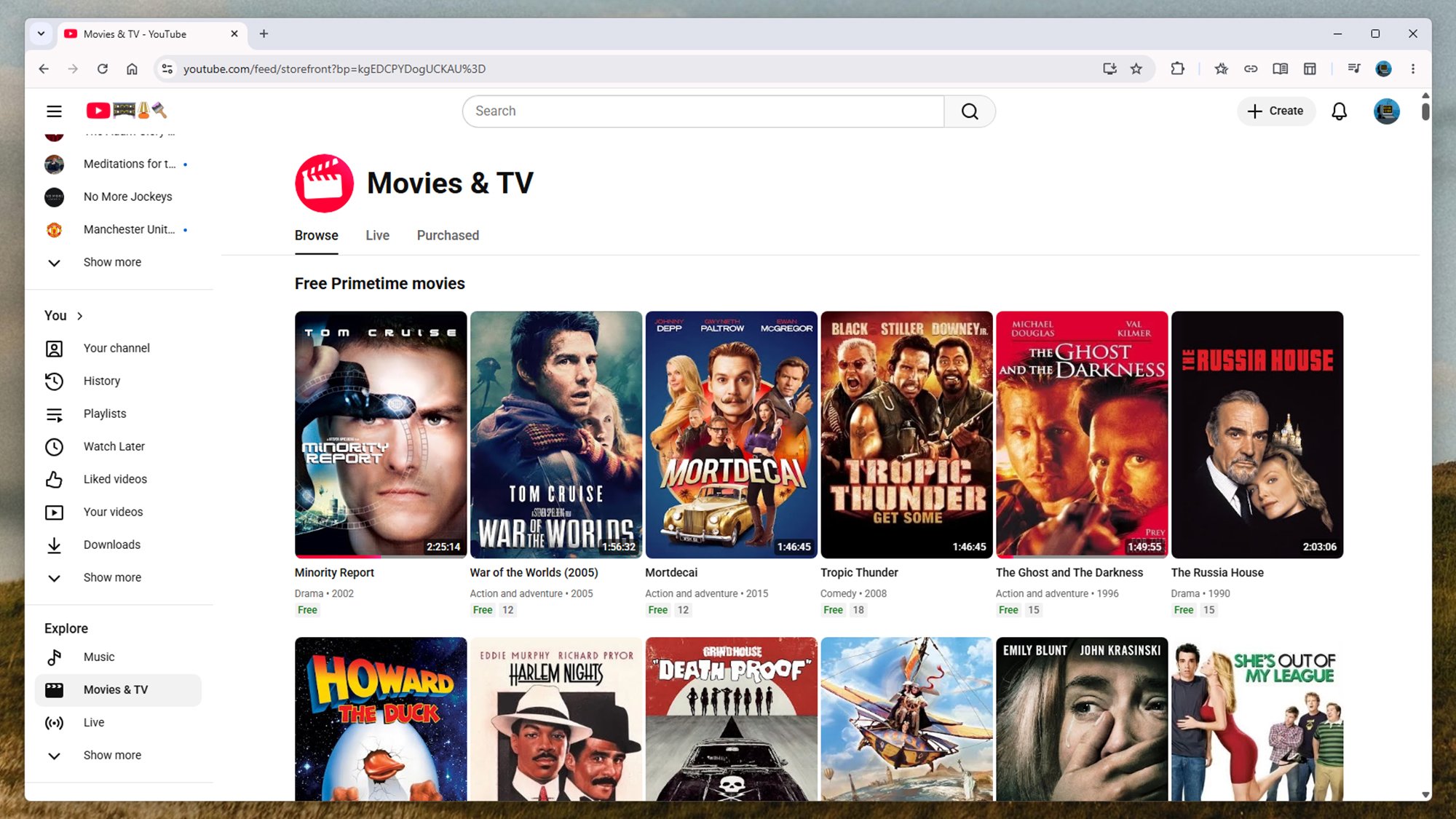
Navigating YouTube’s vast ecosystem to find these free offerings requires an understanding of the platform’s specific UI elements. The official portal is located within the "Movies & TV" section, accessible via the sidebar on both desktop and mobile applications. Within this section, a dedicated "Free movies" row aggregates all currently available ad-supported titles.
A key indicator of legitimacy is the "Free" badge located next to the movie title. This badge distinguishes authorized studio releases from unauthorized uploads. Authorized films also feature standard professional features, including:
- Closed Captioning (CC): High-quality, synchronized subtitles that meet accessibility standards.
- Cross-Device Syncing: The ability to start a movie on a smart TV and finish it on a smartphone, with the platform remembering the exact timestamp.
- Premium Benefits: For subscribers of YouTube Premium, these "free" movies are typically available without the interruptions of advertisements, effectively turning the AVOD library into an SVOD benefit.
However, unlike standard YouTube videos, many free-to-watch movies are restricted in terms of resolution settings. While most are available in High Definition (1080p), the platform occasionally limits the bitrate or resolution for the free tier to encourage users to purchase the 4K UHD version of the film.
The Competitive Landscape: YouTube vs. The FAST Giants
While YouTube is a dominant force, it is part of a broader ecosystem of free streaming. Competition from platforms like Tubi (owned by Fox Corporation), Pluto TV (owned by Paramount Global), and Amazon’s Freevee has forced YouTube to remain aggressive in its content acquisition.
Tubi, for instance, has gained a "cult" following for its massive library of niche horror, exploitation, and independent films. Pluto TV excels at the "linear" experience, offering hundreds of channels that play content on a set schedule. YouTube’s advantage lies in its search engine and integration. Because YouTube is the second most visited website in the world, its "searchability" gives it an edge. A user searching for "best sci-fi movies" is likely to be directed to a free-to-watch title on YouTube via Google’s search results, creating a seamless funnel from query to consumption.
Consumer Trends and the Impact of Subscription Fatigue
The rise of free movie libraries on YouTube coincides with a period of significant economic pressure on households. As the "streaming wars" have matured, the cumulative cost of maintaining subscriptions to multiple platforms has, in many cases, exceeded the cost of traditional cable packages. This has led to a "churn" culture, where users subscribe to a service for a single month to watch a specific show and then cancel.
Free, ad-supported content provides a "baseline" of entertainment that requires no financial commitment. This is particularly impactful for younger demographics—Gen Z and Alpha—who are already accustomed to the ad-supported model of social media. For these users, the presence of a few 30-second ads is a negligible price to pay for access to high-budget cinematic experiences.
Future Outlook and Implications for the Industry
Looking ahead, the boundary between "social media" and "traditional cinema" will likely continue to blur. As YouTube improves its "Big Screen" interface for smart TVs—which now accounts for a significant portion of its total watch time—it is positioning itself as a direct replacement for linear television.
We can expect to see more "day-and-date" experiments, where smaller independent films might debut on YouTube’s free tier simultaneously with a limited theatrical run. Additionally, the integration of "shoppable ads" during movies—where a viewer could potentially buy merchandise or the soundtrack of a film directly from the video player—represents the next frontier of monetization.
In conclusion, YouTube’s free movie library is more than just a collection of older films; it is a cornerstone of the modern digital economy. By leveraging its massive user base and Google’s advertising prowess, YouTube has created a sustainable ecosystem that benefits studios, advertisers, and, most importantly, the audience. As the platform continues to secure higher-profile titles and refine its user experience, the "free movie night" is poised to become a staple of the digital household, proving that in the age of endless subscriptions, there is still immense power in the word "free."