


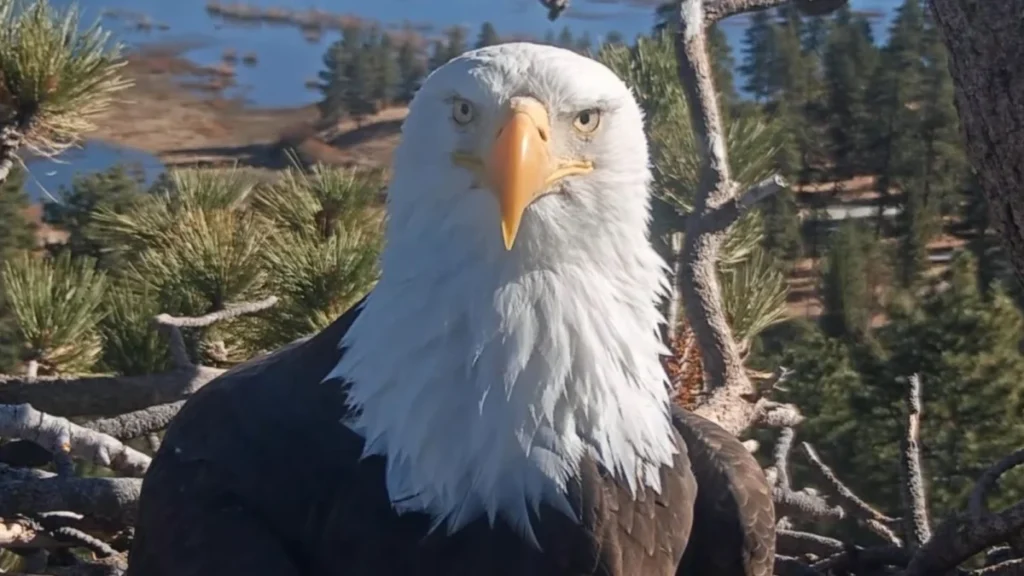
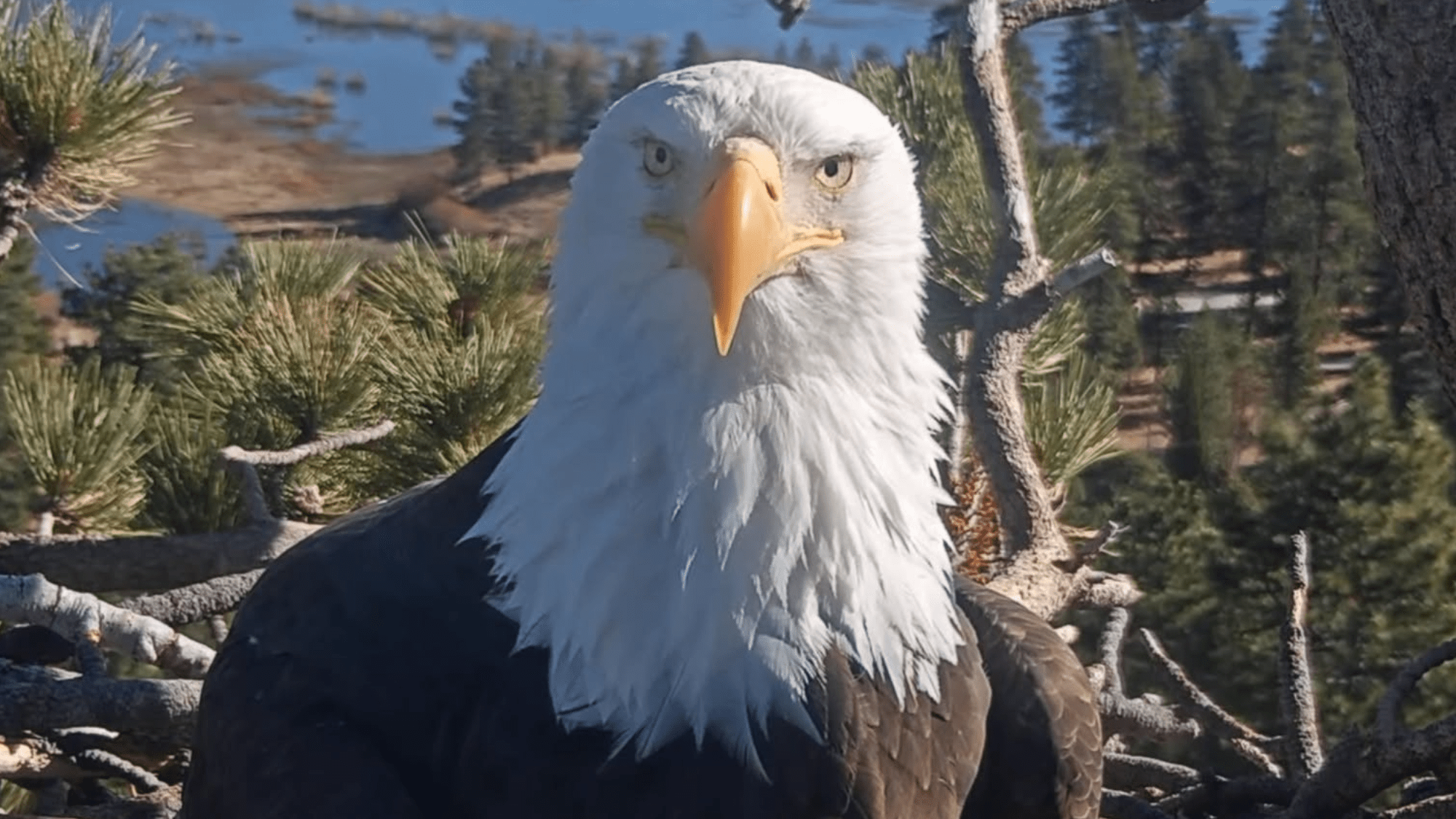
The conservation community and millions of wildlife enthusiasts worldwide are closely monitoring the condition of a rescued adult bald eagle believed to be Jackie, the matriarch of the internet-famous eagle pair from Big Bear Valley. Following a series of events that began in mid-July 2026, the bird is currently undergoing intensive care at a specialized rehabilitation facility after being found grounded and unable to fly near Dana Point Park. While the identity of the eagle has not been officially confirmed through banding, the bird’s absence from the world-renowned Big Bear Lake nest camera coincides with the rescue, prompting a wave of concern for the future of one of the most documented avian families in modern history.
The Rescue Operation at Dana Point Park
The incident began on July 16, 2026, when bystanders at Dana Point Park observed an adult bald eagle on the ground. Initially, observers hoped the bird was simply resting or scavenging, but concerns mounted when the eagle remained in the same general area through the following day. On July 17, witnesses recorded a brief but intense physical altercation between the grounded adult and two subadult bald eagles.
According to reports from the Los Angeles County Department of Parks and Recreation, cell phone footage confirmed that the adult eagle was capable of defensive maneuvers, successfully fending off the younger intruders by rolling onto its back and utilizing its powerful talons. However, despite its ability to defend itself, the bird was unable to achieve lift or sustain flight. Recognizing the bird was in distress, the Los Angeles County Parks San Dimas Raptor Rescue was dispatched to the scene. The rescue team successfully secured the eagle, which was subsequently transferred to a high-level specialty care facility for diagnostic testing and stabilization.
Current Health Status and Diagnostic Outlook
As of the afternoon of Monday, July 20, 2026, the nonprofit organization Friends of Big Bear Valley (FOBBV) confirmed they are in direct communication with the rehabilitation center. In an official statement, the organization noted that the eagle is currently in stable condition. However, a definitive prognosis remains pending as veterinarians await the results of comprehensive diagnostic tests, which include blood work, X-rays, and screenings for potential toxins such as lead or rodenticides—common threats to apex predators in urban-adjacent environments.
The diagnostic process for a raptor of this size and significance is methodical. Results can take several days to process, particularly when screening for underlying infections or neurological impairments that might explain a loss of flight capability without obvious external fractures. FOBBV reassured the public that the bird is receiving the highest standard of care available, emphasizing that "Jackie is a strong eagle" and expressing hope for a full recovery.
The Mystery of Identification
A primary challenge in confirming the eagle’s identity is the lack of a tracking band. Unlike many bald eagles involved in scientific studies, Jackie was never banded by biologists, making it impossible to identify her with 100% certainty through serial numbers. Identification instead relies on plumage patterns, behavioral traits, and the timing of her disappearance from the Big Bear nest.
FOBBV researchers noted that Jackie had not been seen on the live nest cameras for several days leading up to the Dana Point rescue. While Big Bear Lake is home to various visiting eagles, the timing and the proximity of the rescue site—roughly 70 miles from the nest—fall within the possible range of an adult eagle’s movements, though such a journey during the active chick-rearing season is less common.
Shadow’s Resilience and the 2026 Nesting Season
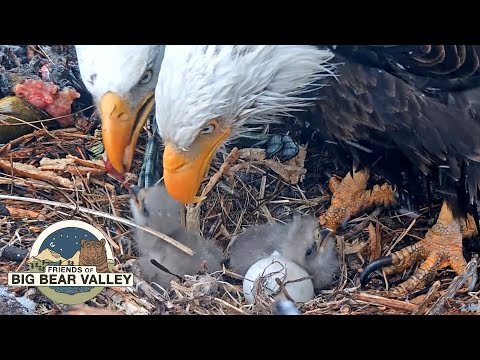
While Jackie remains in rehabilitation, her mate, Shadow, has assumed full responsibility for their current brood. The 2026 nesting season has already been a period of significant drama for the pair. In January, the couple lost their first clutch of the year when ravens breached two eggs. Displaying remarkable resilience, Jackie laid a second clutch, which successfully hatched in early April.
The two chicks, named Sandy and Luna by a public vote in May, are currently in the critical "pre-fledging" stage. At this stage, the eaglets are nearly as large as their parents and are frequently seen "wing-cising"—flapping their wings to build the pectoral muscle strength required for their first flight. Shadow has been observed via the 24/7 livestream continuing to hunt and deliver fish to the nest, as well as maintaining a vigilant watch against predators.
Ornithologists note that while it is challenging for a single parent to raise two large chicks, it is not impossible, provided the local food supply remains abundant. Shadow is a seasoned father, having successfully raised chicks with Jackie in 2019 and 2022.
A History of High Stakes in Big Bear Valley
The Big Bear bald eagles have become a global phenomenon, with their livestreamed nest providing a rare window into the harsh realities of nature. The pair first gained international attention in 2018. Since then, their journey has been marked by both triumph and tragedy, reflecting the broader struggles of the species.
In 2025, the pair faced one of their most difficult seasons when a severe March snowstorm buried the nest under two feet of snow. Despite Jackie’s efforts to keep the chicks warm, one of the three eaglets succumbed to the freezing temperatures and high winds. The surviving chicks, Sunny and Gizmo, eventually fledged, but the event highlighted the extreme environmental pressures faced by eagles nesting at high altitudes in the San Bernardino National Forest.
Statistically, the survival of bald eagles is a game of odds. Only about 50% of eagle eggs successfully hatch, and among those that do, only about 70% of fledglings survive their first year. The greatest threats to young eagles include collisions with vehicles, lead poisoning from scavenging carcasses containing lead shot, and territorial disputes with older, more established eagles.
Territorial Dynamics and the Risks of Grounding
The altercation witnessed at Dana Point between the grounded adult and two subadults is a classic example of the territorial nature of bald eagles. As the bald eagle population has recovered across North America following the ban on DDT in 1972, competition for prime nesting sites and foraging territories has increased.
Subadult eagles, characterized by their mottled brown and white plumage, often challenge older adults for territory. If an adult eagle is weakened by illness or injury, these younger birds may move in to claim the area. The fact that the grounded eagle was able to defend itself using the "talons-up" posture suggests that its predatory instincts and motor functions remain partially intact, which is a positive sign for its eventual rehabilitation.
Broader Environmental Context and Conservation Efforts
The plight of Jackie and Shadow has catalyzed a significant conservation movement in Southern California. Environmental groups are currently working to raise $10 million to purchase and protect the foraging areas surrounding Big Bear Lake from commercial and residential development. The "Save Moon Camp" initiative aims to ensure that future generations of eagles have access to the undisturbed shoreline and tall pines necessary for hunting and nesting.
The loss of habitat is the single greatest long-term threat to the bald eagle population in California. As urban sprawl continues, the buffer zones between human activity and eagle territories shrink, leading to more frequent interactions with power lines, vehicles, and environmental toxins.
Implications for the Big Bear Nest
The potential long-term absence of Jackie poses significant questions for the Big Bear nest. If Jackie is unable to return to the wild, Shadow may eventually seek a new mate. In the world of raptors, pair bonds are strong, but the biological drive to reproduce often leads widowed or separated eagles to find new partners within one or two seasons.
However, the immediate focus remains on the survival of Sandy and Luna. The chicks are expected to fledge—take their first flight—within the next few weeks, typically between 10 and 14 weeks of age. Once they leave the nest, they will remain dependent on Shadow for several more weeks as they learn the complex skills required to hunt for themselves.
Conclusion and Continued Monitoring
The story of the Big Bear bald eagles continues to evolve in real-time. The rescue of the adult eagle at Dana Point serves as a reminder of the fragility of even the most powerful symbols of nature. While the community waits for diagnostic results, the global audience remains glued to the livestream, watching Shadow navigate the challenges of solo parenting in the wild.
Friends of Big Bear Valley has pledged to provide updates as soon as the rehabilitation facility releases new information. For now, the focus is on Jackie’s recovery and the successful fledging of Sandy and Luna, marking yet another chapter in the ongoing saga of the Big Bear Valley eagles. The resilience shown by these birds continues to inspire millions, underscoring the importance of wildlife conservation and the profound connection between humans and the natural world.