


The launch of Moodle Marketplace signifies a pivotal moment in the evolution of digital learning platforms, moving beyond a simple repository of plugins to become a strategic cornerstone for organizations seeking to continuously adapt and enhance their educational offerings. This initiative underscores Moodle’s core philosophy of flexibility and extensibility, recognizing that learning environments are not static entities but dynamic spaces that must grow and transform alongside the institutions and individuals they serve.
The Evolving Landscape of Digital Learning
The digital learning landscape is in a constant state of flux, driven by a confluence of factors. New compliance mandates, evolving pedagogical approaches, and rapidly changing learner expectations necessitate that educational institutions and corporate training departments remain agile. Technologies that were novel just a few years ago can quickly become indispensable, while established tools must integrate seamlessly with emerging platforms. This dynamic environment demands a learning management system (LMS) that is not only feature-rich but fundamentally adaptable.
"You can tell a lot about an organisation by its Moodle site," observes Setara Singh, Moodle Marketplace Senior Product Manager. "And I don’t mean by the logo, the custom login page, or the colour scheme. I’m talking about how, if you look closely, you can see its history. Decisions layered into the platform over time, an evolving record of where that organisation has been, and where it’s going." This historical perspective highlights how Moodle installations become living repositories of an organization’s learning journey. The activity types introduced reflect shifts in instructional design, integrations signify the adoption of new tools, and custom plugins emerge from innovative ideas that prove valuable enough to implement.
The inherent variability of Moodle sites, with no two platforms looking or functioning identically, is a testament to their ability to evolve. Those that have served organizations effectively for years, even decades, often bear little resemblance to their initial configurations. This transformation is a direct consequence of the organizations themselves changing, adapting to new challenges and opportunities. Consequently, the Moodle ecosystem must evolve in tandem with these institutional shifts.

Moodle as a "Learning Home": Foundation and Customization
Moodle’s conceptualization as a "learning home" effectively encapsulates its adaptable nature. Every home begins with a fundamental structure – the foundation, walls, and roof. However, what truly defines a home and makes it unique is the subsequent personalization: the furnishings, décor, and modifications made over time to accommodate changing lifestyles and needs.
Similarly, a Moodle platform provides the essential framework for digital learning. Organizations then shape this framework, infusing it with elements that reflect their specific priorities, learner demographics, and overarching educational or training objectives. This organic customization process results in the distinctiveness of each Moodle site.
The extensibility of Moodle, a key factor in this personalization, is largely facilitated by its robust ecosystem. This ecosystem comprises a vast array of plugins, integrations, themes, and extensions. Each of these components exists because an individual or group identified a specific challenge and developed a solution. Collectively, these contributions have empowered thousands of organizations to tailor their Moodle environments to achieve goals that a standard LMS installation might not be able to accommodate.
"If Moodle is your learning home, then plugins and integrations are everything that make it your own," explains Singh. "It’s the furniture, the lighting, the art on the walls. They reflect who you are, what your goals are, and the kind of experience you want to create for your learners." This analogy effectively illustrates how these extensions transform a generic platform into a bespoke learning environment. The approach to adapting a learning environment mirrors how individuals modify their living spaces: rather than relocating for every new need, they adapt and enhance their existing space.
The Genesis and Evolution of Moodle Marketplace
The development and launch of Moodle Marketplace represent a strategic response to the growing complexity and scale of the Moodle ecosystem. While the Moodle Plugins Directory has long served as a valuable resource, the sheer volume of available extensions has presented challenges for users seeking the most suitable solutions. Administrators, educators, and developers have consistently voiced the need for a more streamlined and intuitive discovery process.

"Every year, new ideas emerge from developers, partners, institutions, and community contributors around the world. That’s the upside of a thriving ecosystem," notes Marie Achour, Chief Product Officer at Moodle. "The challenge is that thriving ecosystems eventually become large ones – and the question stops being ‘can this be done?’ and becomes ‘how do I find the right solution?’" This sentiment captures the core problem Moodle Marketplace aims to solve: navigating a rich but potentially overwhelming landscape of available tools.
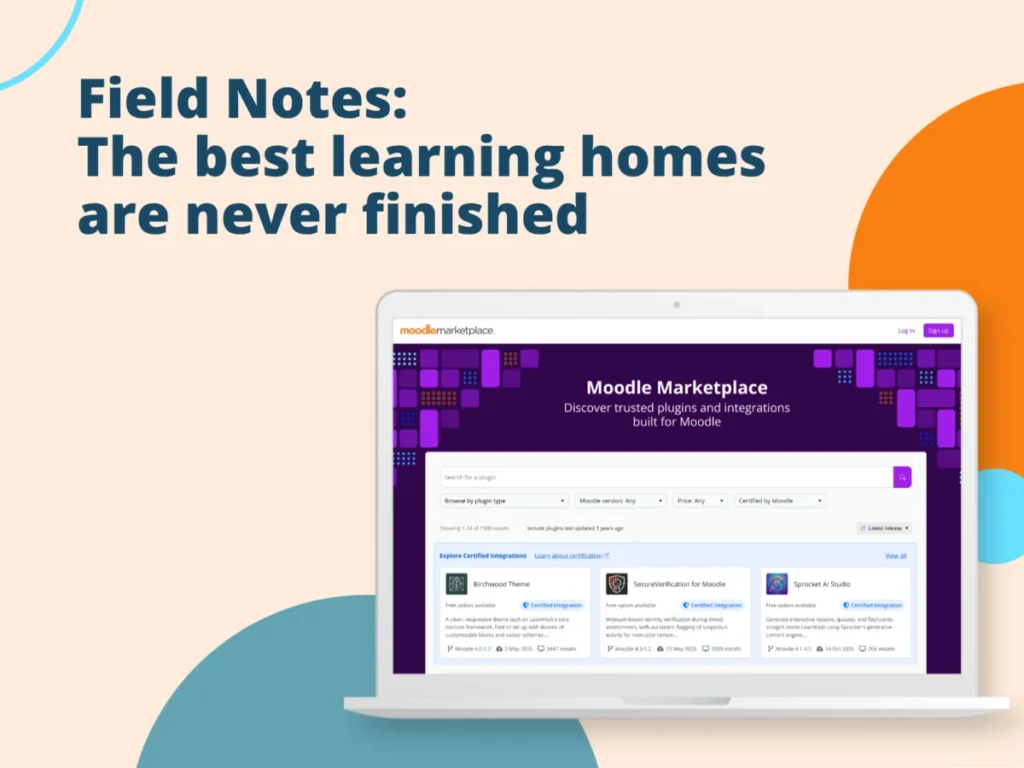
The Moodle team has actively listened to this feedback, recognizing that the power of the ecosystem could be further amplified by improving accessibility. Moodle Marketplace is the culmination of this effort, designed not merely as a replacement for the Plugins Directory but as a more sophisticated platform for discovering, evaluating, and integrating third-party solutions.
"Moodle Marketplace is more than just a new platform. It’s a commitment," Singh stated in a MoodleMoot Global 2025 talk. This commitment extends to several key areas:
- Facilitating Discovery: Helping users uncover solutions they might not have otherwise found.
- Empowering Decision-Making: Providing resources and a structured environment to make informed choices about integrations.
- Supporting Maintainers: Ensuring that developers of essential plugins have a stable and supported platform to showcase and maintain their work.
Strategic Implications of Moodle Marketplace
The introduction of Moodle Marketplace signifies a shift from viewing extensions as mere add-ons to understanding them as integral components of a strategic learning ecosystem. This platform encourages organizations to think proactively about how future innovations and evolving needs can be met through thoughtful selection and integration of available tools.
"Moodle Marketplace solves the finding problem – it helps you locate the piece that fits," explains Achour. "But knowing what to add, when, and how it sits alongside everything you’ve already built is a different kind of question. That’s not a browsing decision. It’s a strategic one." This distinction is crucial. Moodle Marketplace provides the tools for discovery, but the ultimate decision-making process requires a strategic understanding of an organization’s long-term learning objectives.

The unpredictable nature of future educational trends, including the continued advancement of AI, shifting learner expectations, and the emergence of unforeseen challenges, underscores the paramount importance of adaptability. "What won’t change is the value of being able to change," Achour emphasizes. This principle forms the bedrock of Moodle’s philosophy and is further reinforced by the strategic capabilities offered through the Marketplace.
Moodle’s commitment to an open, community-driven approach is central to the Marketplace’s ethos. "We want to do this the Moodle way, which is the open way," states Achour. "Moodle has always evolved through the ideas and contributions of its community. Moodle Marketplace is about supporting that spirit – connecting organisations with solutions, helping developers showcase their work, and making it easier for everyone to benefit from the strength of the Moodle ecosystem."
Designing for the Future of Learning
The long-term vision articulated by Moodle leadership positions learning environments not as finished products but as continuously evolving entities. The organizations best positioned for future success will be those that cultivate learning environments capable of ongoing development and adaptation.
"The best learning homes are never finished. That’s exactly what makes them powerful," concludes the article’s author, Lauren Foss Goodman, Head of Solutions Marketing at Moodle. This perspective underscores that the true strength of a learning platform lies in its capacity for sustained evolution, driven by the collective contributions, innovative ideas, and diverse experiences of its user community.
To support organizations in this strategic endeavor, Moodle offers resources such as "Design for Change," a practical guide and worksheet designed to help map and build adaptable learning ecosystems. This initiative reinforces Moodle’s ongoing dedication to evolving alongside its users, providing the tools and support necessary to navigate the ever-changing landscape of digital education. The launch of Moodle Marketplace is not merely a product update; it is a strategic investment in the future of learning, empowering organizations to build and refine their unique "learning homes" for years to come.