

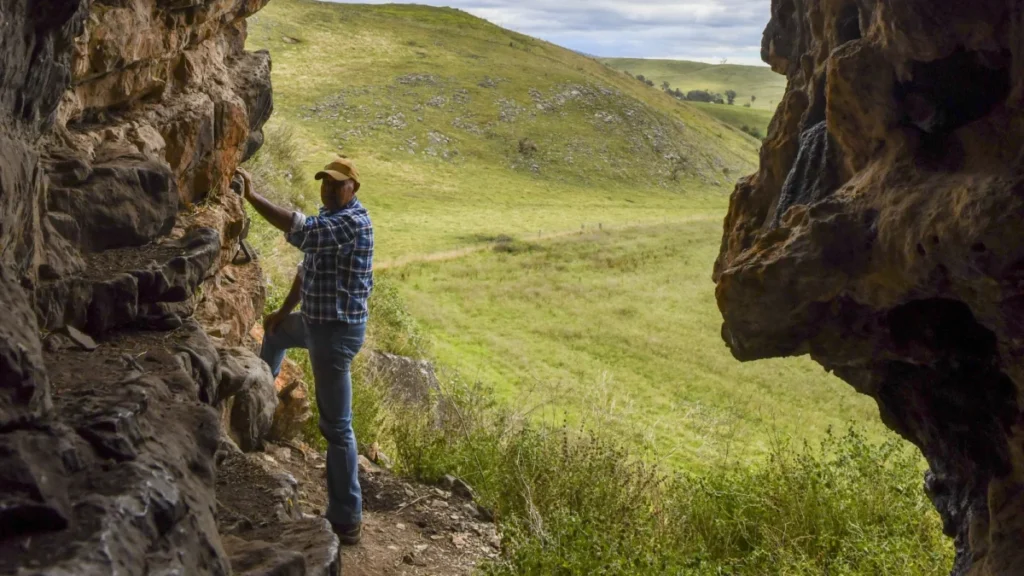
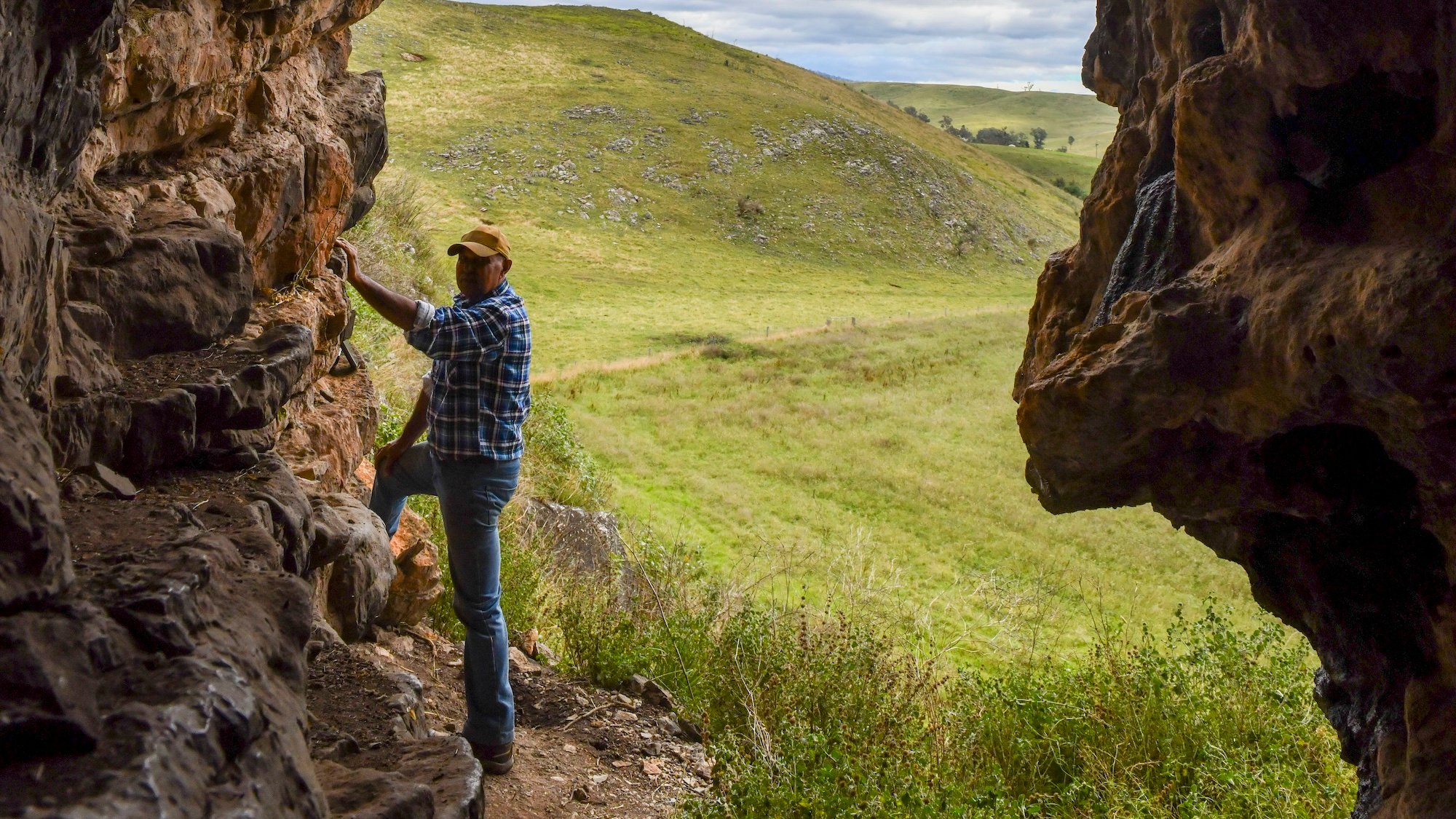
The entrance to Cloggs Cave, a limestone formation situated on a dramatic bluff near Buchan in eastern Victoria, Australia, presents a striking silhouette reminiscent of a cathedral doorway. For the GunaiKurnai people, the traditional custodians of this land, the cave is far more than a geological curiosity; it is a sacred repository of ancestral history and spiritual practice. New research published in the journal Frontiers in Environmental Archaeology has confirmed that this site has been a focal point for ritual activity for at least 25,000 years, providing a rare and scientifically validated link between modern Aboriginal oral traditions and the deep archaeological record of the Pleistocene epoch.
The study, led by archaeologists from the Australian National University (ANU) and Monash University in close collaboration with the GunaiKurnai Land and Waters Aboriginal Corporation (GLaWAC), utilized advanced microscopic analysis to identify the remnants of ancient fires. These findings corroborate long-held cultural narratives regarding the mulla-mullung—highly respected spiritual leaders and healers who utilized the secluded environment of the cave for rituals involving medicine, magic, and social arbitration.
The Legacy of the Mulla-Mullung
In GunaiKurnai culture, the mulla-mullung served as intermediaries between the physical and spiritual realms. Nineteenth-century ethnographic accounts, often recorded by European settlers and anthropologists, described these individuals as "Old Ancestors" who possessed profound knowledge of the natural world and the supernatural forces governing it. According to these records, the mulla-mullung would retreat to caves like Cloggs Cave to perform ceremonies that could heal the sick, protect the community, or, in some instances, cast curses upon enemies.
A central element of these rituals was the controlled burning of specific organic materials. Oral traditions describe the use of fire not merely for warmth or cooking, but as a tool for spiritual communication and the tracking of "spirit-beings." The smoke from these fires, which has blackened the cave’s ceiling over millennia, served as a physical testament to the continuity of these practices. By analyzing the microscopic remains left behind by these fires, researchers have been able to map the frequency and nature of these rituals with unprecedented precision.
Scientific Methodology: The Power of Phytoliths
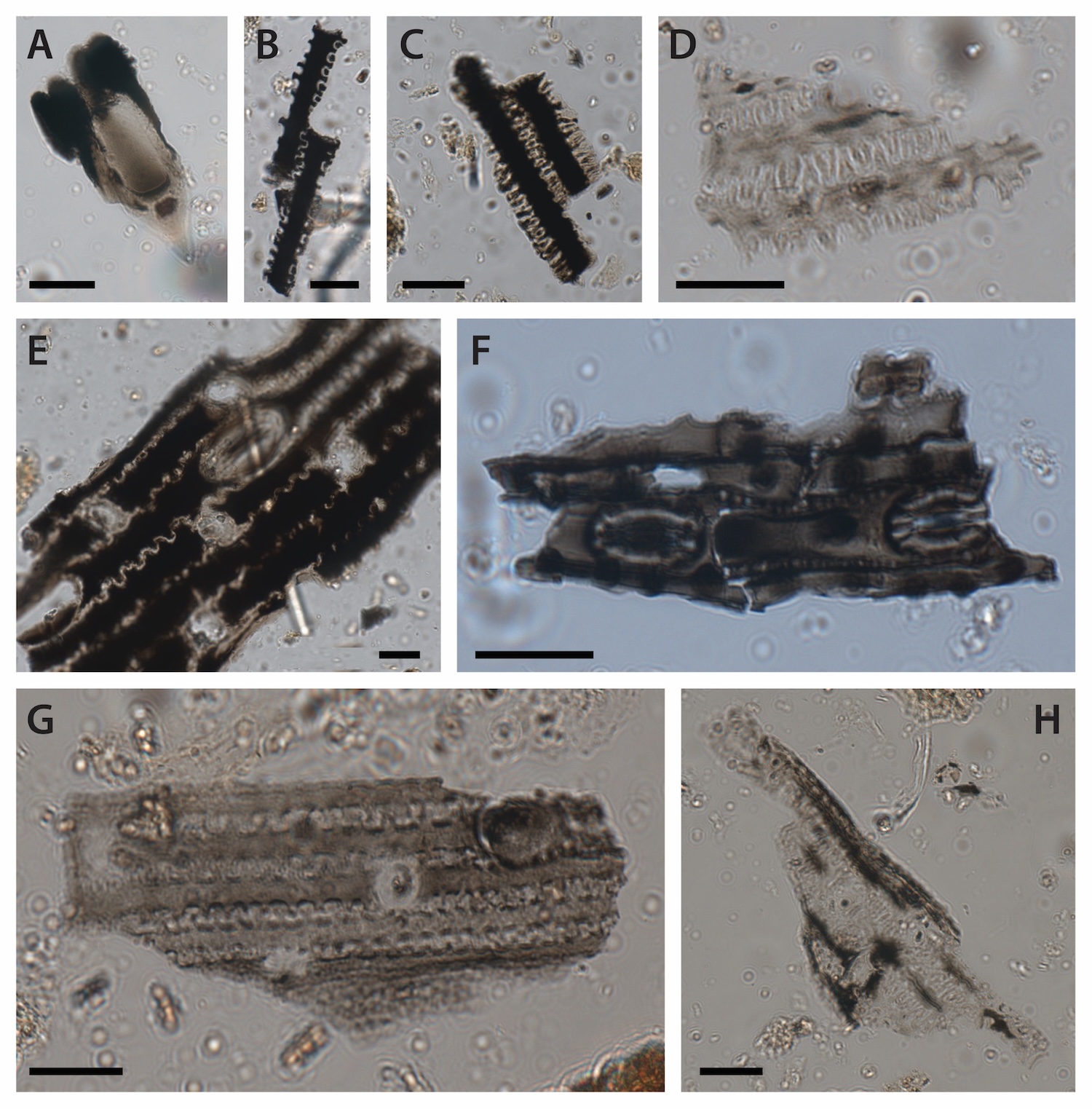
The primary evidence for this extended timeline comes from the study of phytoliths—microscopic silica structures that form within plant tissues. Unlike pollen, which is light and easily dispersed by wind, water, or animals, phytoliths are heavy and typically remain in the exact location where a plant decays or is burned. Because Cloggs Cave is a deep limestone environment where sunlight does not penetrate, plants cannot grow naturally within its interior. Therefore, any botanical remains found deep within the cave’s stratigraphic layers must have been transported there by external agents.
Lead author Elle Grono, an archaeologist at ANU, explained that the team focused specifically on half-burnt phytoliths found within distinct ashy layers. "The presence of partially incinerated plant matter in a dark cave environment is a clear indicator of human agency," Grono stated. "These were not accidental deposits; they were the result of people intentionally selecting whole grasses from the surrounding landscape, carrying them into the cave, and burning them in thin, deliberate layers."
The researchers identified 29 different types of vegetation within the cave’s sediments, ranging from woody plants to various herbs. However, the most prevalent remains belonged to the Pooideae and Panicoideae grass subfamilies. These grasses are known for their resilience and were likely chosen for their specific burning properties or symbolic significance. The analysis revealed that nearly 20 percent of the phytoliths showed signs of extreme heat, including melting and total incineration, consistent with high-temperature ritual fires rather than low-heat domestic hearths.
A Chronology of Sacred Use
The excavation targeted two specific pits within the cave, uncovering a sequence of 73 distinct ash layers. Radiocarbon dating of the organic material within these layers provided a clear timeline of human activity. The most concentrated period of ritual burning identified in the topmost layers occurred between 4,400 and 1,600 years ago. However, deeper excavations revealed burnt plant evidence dating back 25,000 years, placing the origins of these practices in the heart of the last Ice Age.
This timeline is significant for several reasons. First, it demonstrates that the GunaiKurnai ancestors maintained a connection to this specific site through massive environmental shifts, including the peak of the Last Glacial Maximum when much of southern Australia was significantly colder and more arid than it is today. Second, it suggests that the spiritual frameworks described in 19th-century ethnographic records are not relatively recent developments but are instead rooted in tens of thousands of years of cultural evolution.
Chronological Highlights of Cloggs Cave:
- 25,000 Years Ago: Earliest evidence of intentional plant burning, marking the beginning of ritual use during the Pleistocene.
- 10,000 – 5,000 Years Ago: Continued intermittent use as the climate stabilized during the early Holocene.
- 4,400 – 1,600 Years Ago: A period of intensified activity, characterized by the deposition of 73 distinct ash layers and the use of the cave as a primary ritual space.
- 19th Century: Ethnographic recording of mulla-mullung practices, confirming the survival of these traditions into the modern era.
The Discovery of the Standing Stone
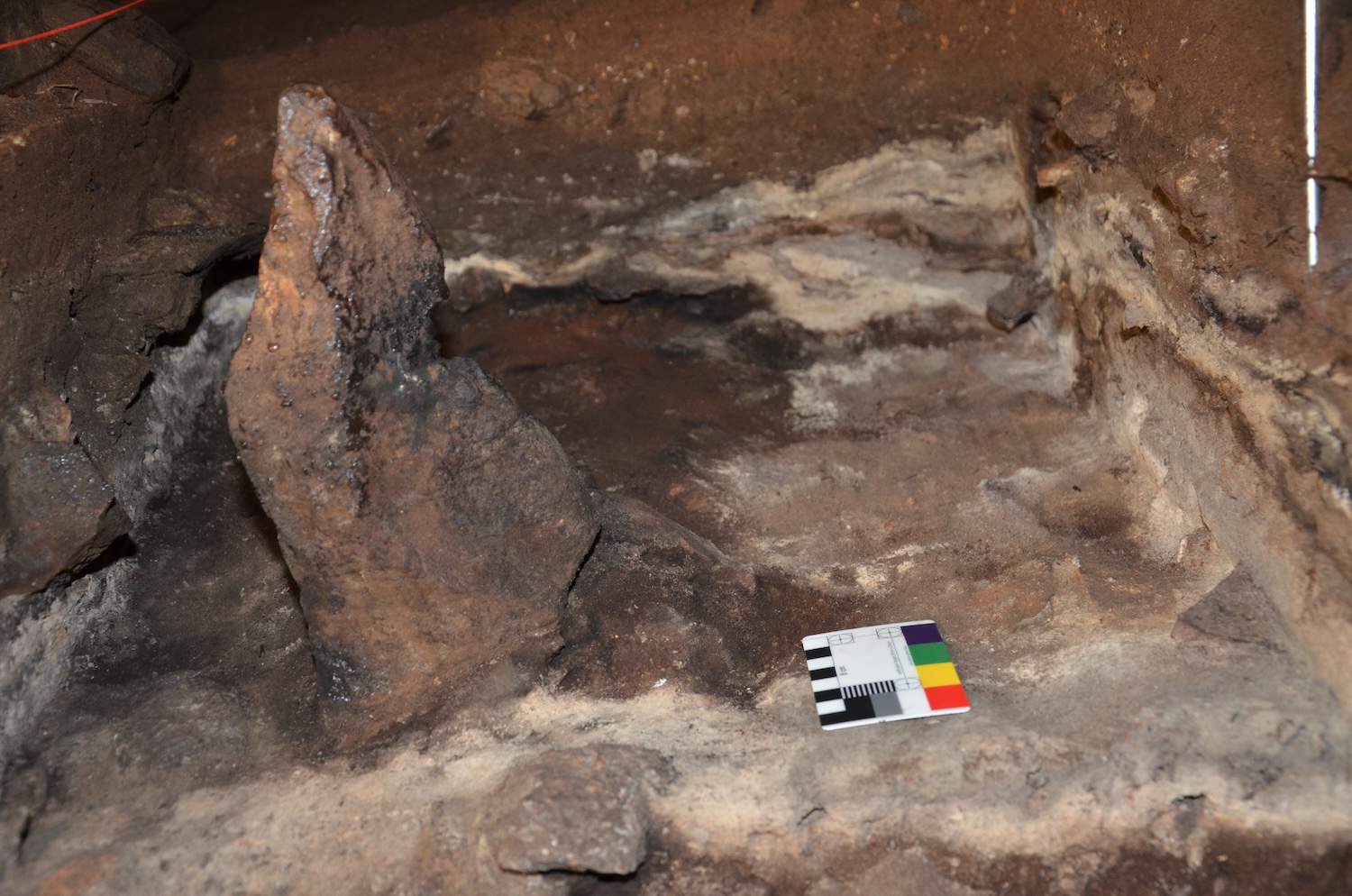
While the botanical evidence provided the timeline, a physical artifact found within one of the excavation pits provided a tangible link to the ceremonies themselves. Archaeologists discovered a standing stone, approximately one foot in height, placed vertically within the sediment. This stone was not a natural feature of the cave’s floor; it had been intentionally shaped and positioned.
Crucially, the standing stone was surrounded by the same types of phytolith-rich ash layers found throughout the site. According to Bruno David, a Monash University archaeologist and co-author of the study, the placement of the stone is highly significant. "The burning of grasses around a standing stone is consistent with GunaiKurnai traditional practices," David noted. "Ash was often used to perform magic and to create a surface that could track the footsteps of anyone entering the space—including the movements of spirits."
The standing stone, dated to approximately 2,000 years ago, serves as a "smoking gun" for ritual activity, distinguishing the site from a standard residential occupation. In many other Australian cave sites, archaeologists find evidence of tool-making, food processing, and long-term habitation. At Cloggs Cave, the absence of domestic debris in these specific layers suggests the space was reserved for specialized, sacred purposes.
Collaborative Archaeology and Indigenous Sovereignty
A defining feature of the research at Cloggs Cave is the partnership between the scientific community and the GunaiKurnai people. The project was conducted under the guidance of the GLaWAC, ensuring that the excavation and subsequent analysis respected cultural protocols. GunaiKurnai Elder Uncle Russell Mullett played a pivotal role in the process, offering traditional knowledge that helped the archaeologists interpret their findings.
"For us, this isn’t just about dates and chemistry," Uncle Russell Mullett remarked. "It’s about confirming what our Old People have always told us. Our connection to this land doesn’t have a start date that we can remember; it has always been there. Seeing the science back up our stories is a powerful thing for our community and for our young people."
This collaborative model represents a shift in Australian archaeology, moving away from a purely Western academic approach toward one that recognizes Indigenous Australians as the primary authorities on their own history. The inclusion of GunaiKurnai representatives in the authorship of the study ensures that the cultural significance of the site is given as much weight as the empirical data.
Broader Implications and Analysis
The findings at Cloggs Cave have profound implications for our understanding of human history, both in Australia and globally. Most archaeological narratives regarding the development of complex ritual behavior focus on the "Neolithic Revolution" in the Near East or the cave paintings of Upper Paleolithic Europe. The evidence from Cloggs Cave suggests that Australian Aboriginal societies were engaging in sophisticated, symbolic, and geographically persistent ritual practices at the same time—if not earlier.
Furthermore, the study highlights the resilience of oral traditions. In many parts of the world, a gap of 25,000 years would be considered far too long for a specific cultural practice to survive through word of mouth. However, the alignment between the mulla-mullung traditions and the 25,000-year-old ash layers suggests a remarkable degree of cultural stability and transmission.
From a methodological standpoint, the use of phytolith analysis in a cave setting opens new doors for researchers. Traditionally, caves are difficult to date because of the way sediments can shift or be disturbed by animals. By focusing on microscopic silica that remains "in situ," Grono and her team have demonstrated a way to extract high-resolution data from sites that might otherwise be considered too "messy" for precise dating.
As the GunaiKurnai Land and Waters Corporation continues to manage the site, Cloggs Cave stands as a monument to one of the world’s oldest living cultures. The research not only enriches the national heritage of Australia but also serves as a reminder of the deep, spiritual intelligence that has guided human interaction with the Australian landscape since the depths of the Ice Age. The smoke may have long since cleared, but the story written in the ash remains indelible.