



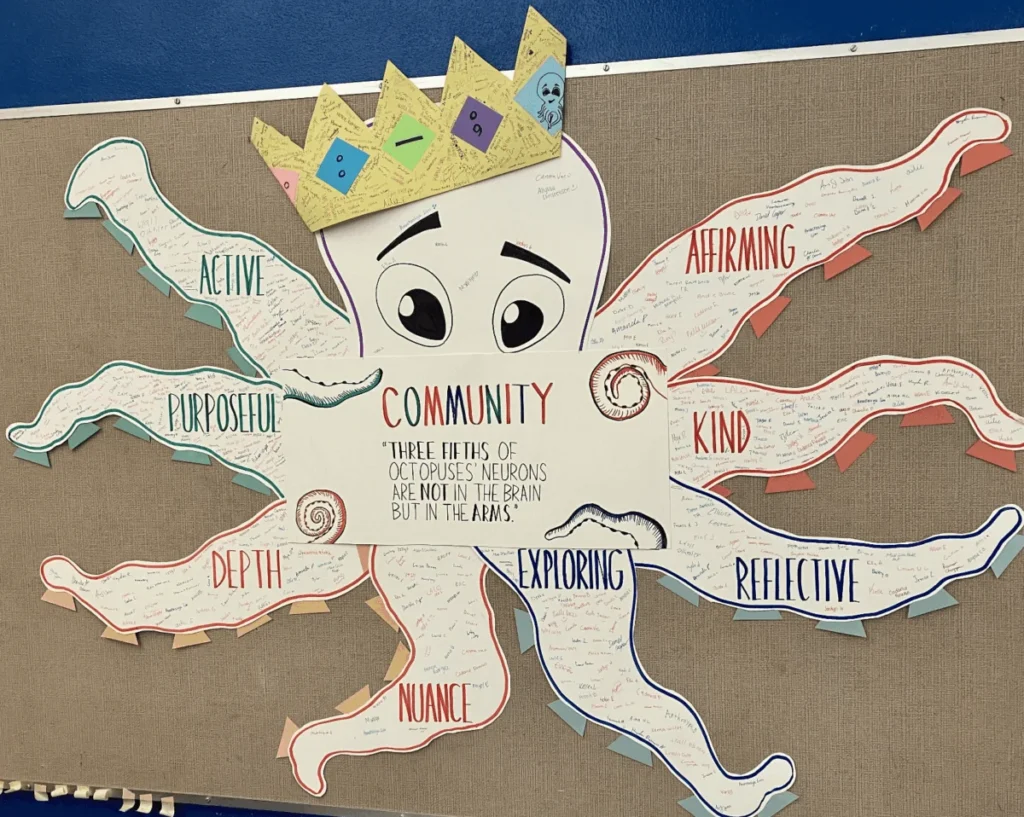
In modern educational environments, where academic rigor and standardized testing frequently dominate the discourse, high school teacher Marcus Luther has implemented a longitudinal classroom strategy centered on intentional peer recognition. Known as the "Octopus Initiative," this pedagogical system utilizes a visual wall display to track student-led affirmations based on specific classroom values. The practice, which has evolved over more than a decade of classroom experimentation, is designed to systematically foster social-emotional learning, improve student retention of core values, and provide tangible data for holistic student assessment.
The Origins and Chronological Evolution of the System

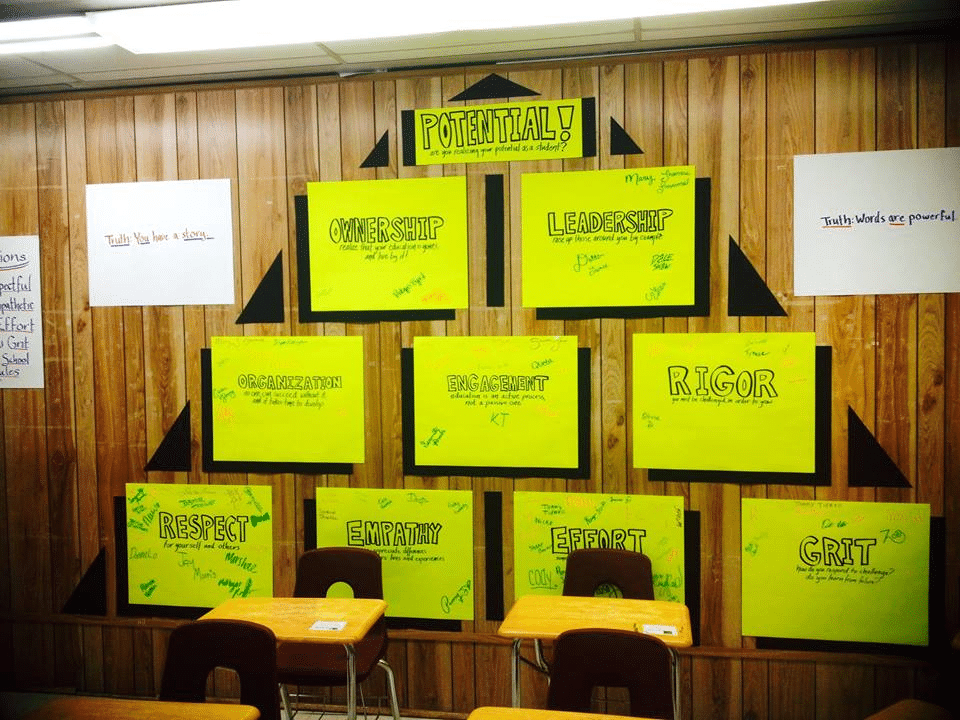
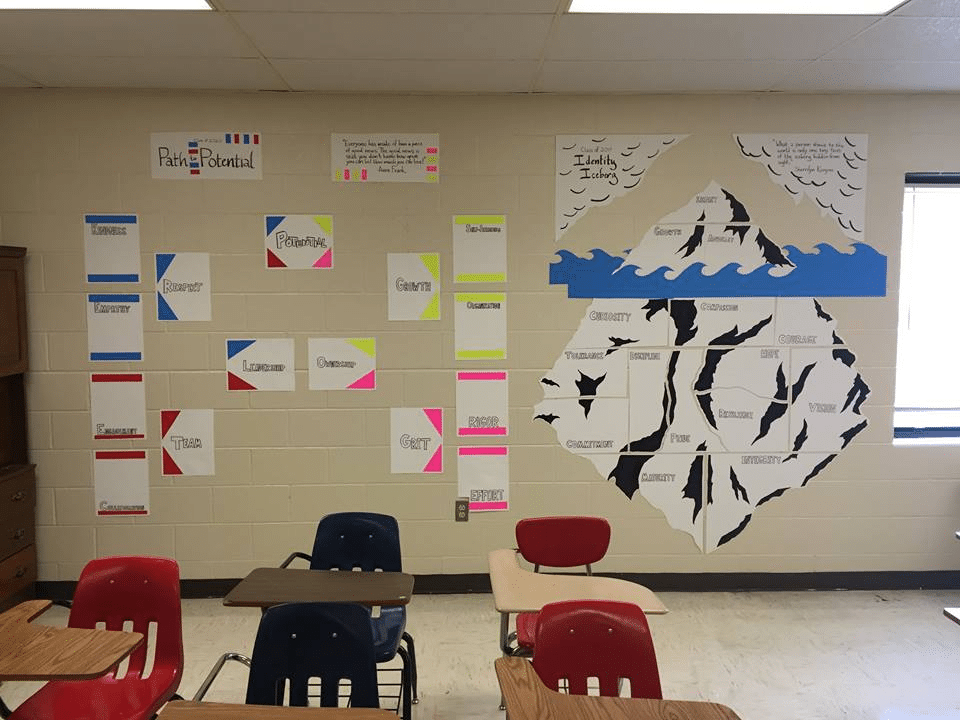
The methodology originated from observations made in elementary school settings, specifically within classrooms that prioritized intentional community building. Luther, an admirer of the late UCLA basketball coach John Wooden and his famous "Pyramid of Success," sought to translate these philosophical frameworks into a high school setting. In its initial iteration, the system functioned as a hierarchical pyramid graphic. Over time, as the classroom culture matured and the need for a more inclusive, multi-faceted representation of values became apparent, the structure transitioned into the current "octopus" model.
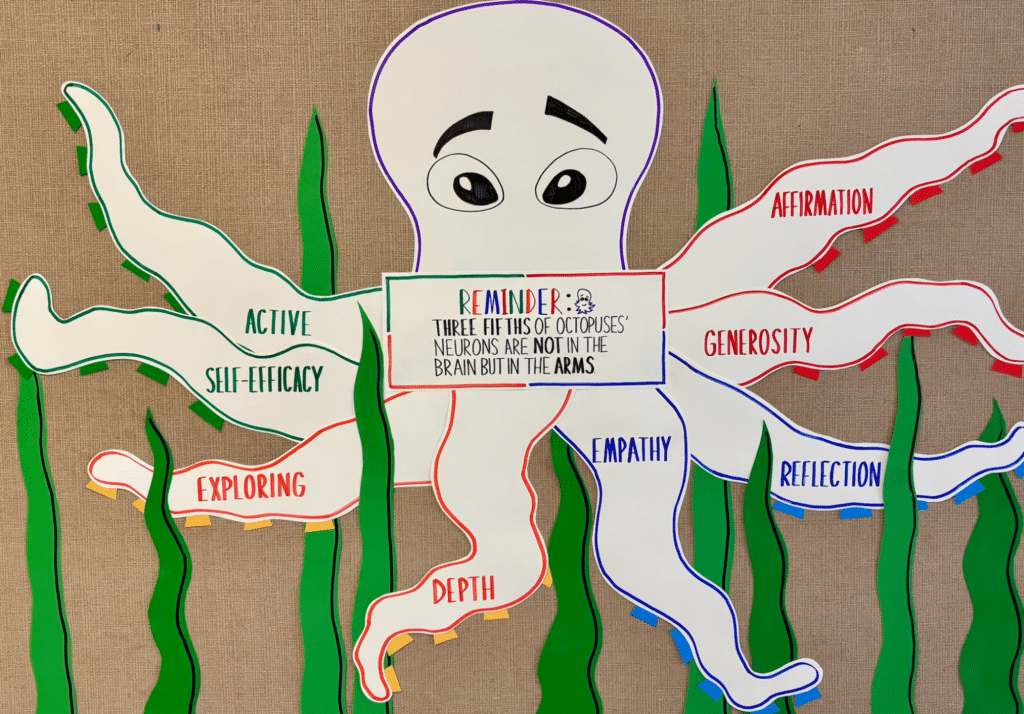
The current iteration features an octopus illustration on a prominent classroom wall. Each of the creature’s eight appendages represents a core classroom value—such as active participation, intellectual depth, or community support. Throughout the academic year, students are invited to anonymously nominate peers who demonstrate these values. These nominations are processed through a centralized digital management system, allowing the instructor to track individual contributions and frequency of recognition. This evolution from a static, physical pyramid to a dynamic, data-driven visual artifact reflects a broader trend in K-12 education toward utilizing visual management tools to reinforce social norms.
Data-Driven Peer Recognition and Implementation
The implementation of the system is structured into three primary phases: the definition of values, the nomination process, and the public ritual of recognition. To manage a typical caseload of 150 to 180 students across six sections, the teacher utilizes digital infrastructure, specifically Google Forms and spreadsheets, to collect and categorize peer-submitted affirmations.
Data from the system reveals that the process serves multiple functions beyond simple praise. By requiring students to articulate specific examples of how a peer has lived out a value—such as "always going deeper to see the underlying message in a text"—the system encourages critical thinking and observation skills. According to classroom records, this process creates a longitudinal dataset that serves as a valuable resource for drafting letters of recommendation and conducting parent-teacher conferences. Providing parents with concrete, peer-sourced evidence of their student’s positive impact on the classroom environment often bridges the gap between home and school, shifting the focus from grades alone to character development.
The Psychology of Ritual and Sustained Engagement
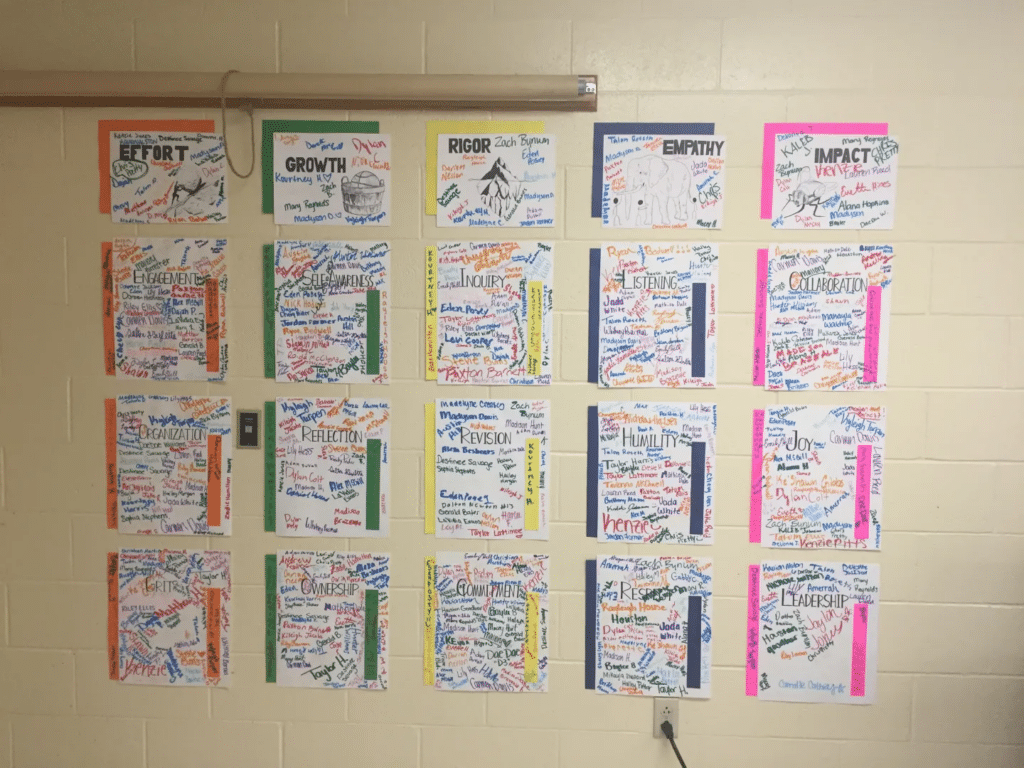
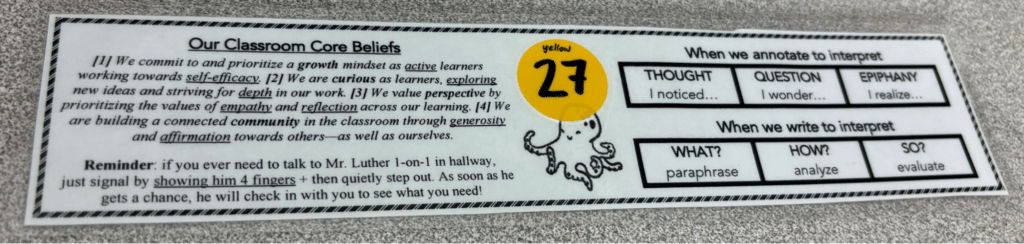
The "signing of the wall" serves as the culminating ritual of the system. Once nominations are processed, the teacher announces the recognitions, often utilizing a color-coded pen system unique to each class period to signify the distinct community of that hour. The ritual involves reading the nomination anonymously, followed by the revelation of the student’s name and the specific value they embodied.
Psychological research into classroom climate suggests that such rituals satisfy the fundamental human need for belonging and recognition. Despite the common assumption that high school students might view such displays as performative or juvenile, evidence from these classrooms indicates a high level of student "buy-in." The inclusion of "eye-roll" moments—the occasional, typical adolescent resistance to public affirmation—does not appear to diminish the long-term impact. Instead, the data suggests that these moments of hesitation are often replaced by a sense of ownership, with even disengaged students eventually participating in the process or tracking their own progress on the wall.
Supporting Pedagogical Frameworks and Teacher Efficacy
The Octopus Initiative aligns with current educational research regarding the impact of classroom environment on student performance. Studies in educational psychology, such as those conducted by the Collaborative for Academic, Social, and Emotional Learning (CASEL), have consistently shown that students perform better in environments where they feel seen and valued. By shifting the locus of control from the teacher to the students, the system democratizes the classroom and promotes a culture of mutual accountability.
For the educator, the system provides a pragmatic solution to the "too-many-students" challenge. By utilizing digital tools to track nominations, the teacher transforms an overwhelming amount of daily social interactions into a manageable archive. This archival data serves as a diagnostic tool, allowing the instructor to identify which students may be overlooked and which values are being successfully internalized by the student body. The system also offers a mechanism for teachers to "pay forward" feedback, where students reflect at the end of the year on which values were most impactful, thereby informing the curriculum for the following cohort.
Broader Implications for Secondary Education
The implications of this system extend beyond the walls of a single classroom. As schools nationwide grapple with declining student engagement and rising rates of social isolation, the need for scalable, low-cost interventions is critical. The Octopus Initiative offers a replicable model that does not require significant financial investment or district-level policy changes.
The primary barrier to implementation, according to educators, is the initial time investment required to establish the culture and the organizational discipline to maintain the digital records. However, the benefits—documented improvements in classroom cohesion, increased student-to-student empathy, and a reduction in behavioral issues—suggest a high return on investment. Furthermore, the system provides a robust answer to the question of how to measure "soft skills." While standardized tests measure proficiency in specific subjects, this system provides qualitative data regarding a student’s contribution to the collective, a metric increasingly valued by higher education institutions and employers.
Analysis of Institutional Impact
In analyzing the success of the initiative, it is clear that the efficacy lies not in the "octopus" itself, but in the underlying consistency of the system. By making the act of affirmation a high-visibility, frequent, and organized event, the teacher signals to students that social-emotional character is an academic priority equal to, or perhaps greater than, the subject matter content.
The transition from the initial, often skeptical, reception by students to the final, end-of-year urgency—where students demand to finish their final "signing of the wall"—indicates that the system effectively embeds itself into the identity of the class. This, in turn, creates a legacy effect; students who have experienced the system often carry the vocabulary of those values into their subsequent years.
Conclusion: Scaling Human Connection
As the education sector continues to integrate technology into every facet of the classroom, the Octopus Initiative stands as a testament to the power of using digital tools to amplify, rather than replace, human connection. By combining the high-tech efficiency of Google Suite with the high-touch, low-tech ritual of physically signing a wall, the system provides a blueprint for teachers at all levels.
The ultimate takeaway from this pedagogical experiment is a simple yet profound truth: students value what the educator makes space for. When that space is dedicated to the public, peer-to-peer recognition of positive behavior, the resulting classroom culture is not only more productive but more resilient. Whether through an octopus, a pyramid, or a simple bulletin board, the creation of a dedicated infrastructure for affirmation remains a vital strategy for fostering a learning environment where every student can be recognized for the specific, unique contributions they bring to their community. As the academic year draws to a close, the filled posters remain as a testament to the fact that, in a world of standardized metrics, the most important work often happens in the margins of social interaction, waiting only for an educator to give it a name and a place on the wall.