

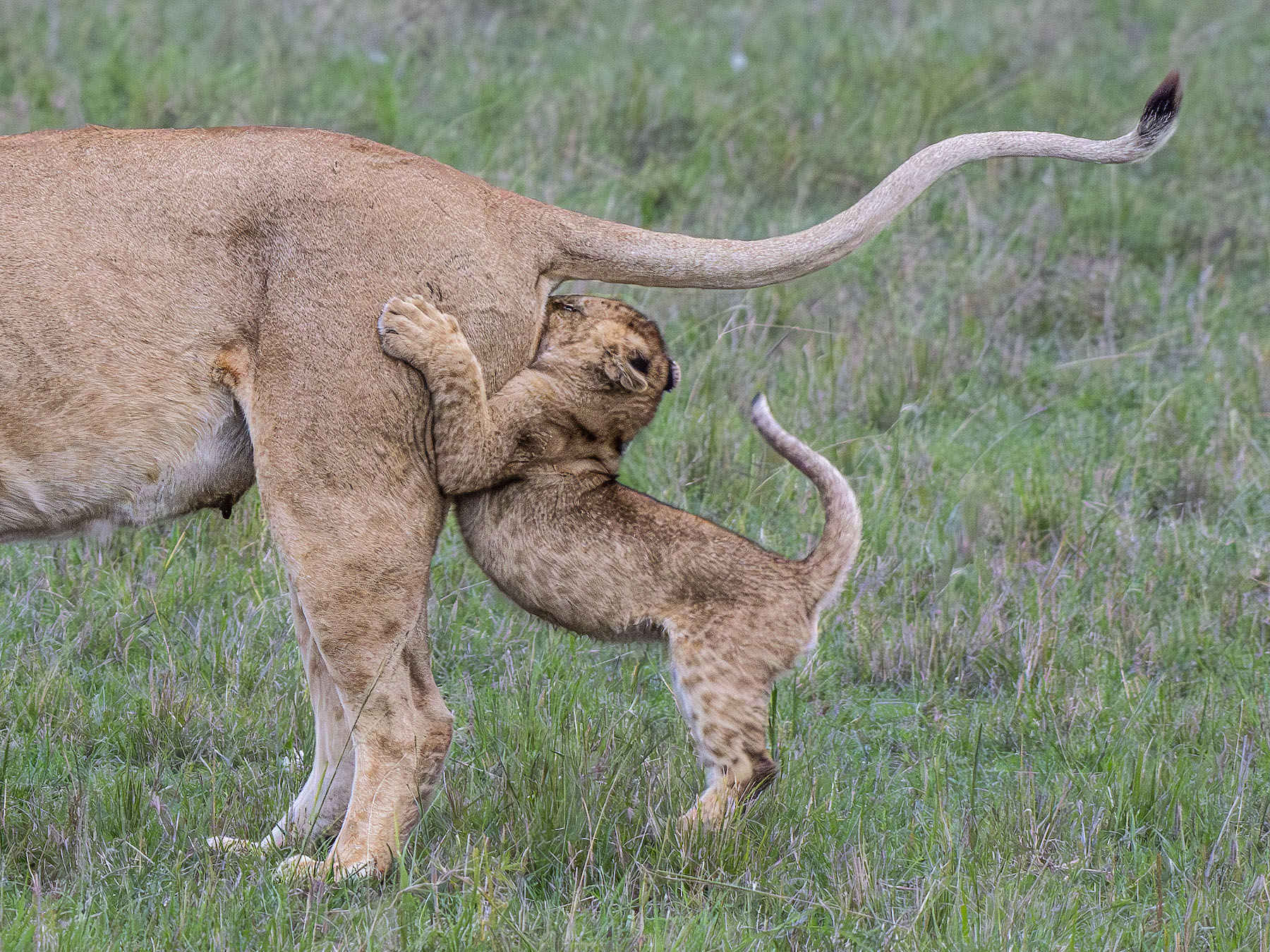
The Nikon Comedy Wildlife Photography Awards officially opened for entries this week, marking the commencement of the 2026 cycle of what has become one of the most anticipated events in the global photographic calendar. To celebrate the launch and encourage participation from both professional and amateur photographers, the competition organizers have released a series of "outtakes" and highly commended entries from the previous year. These images, ranging from a lion cub’s ungraceful collision to a caiman adorned with butterfly "accessories," highlight the competition’s unique mission: to promote wildlife conservation through the universal language of humor.
Since its inception, the awards have sought to showcase the lighter side of the natural world, moving away from the often somber or stark imagery associated with environmental reportage. By capturing animals in candid, incongruous, or seemingly "human" moments, the competition aims to foster a deeper emotional connection between the public and the diverse species that inhabit the planet. The 2026 competition continues this tradition, inviting submissions from across the globe until the closing date of June 30, 2026.
The 2026 Competition Framework and Timeline
The Nikon Comedy Wildlife Photography Awards are free to enter, a policy designed to ensure the widest possible participation. Photographers are permitted to use any brand of equipment, reflecting the organizers’ focus on timing, narrative, and character over purely technical specifications. The competition is structured into several categories, typically including Land, Air, Junior (for photographers under 18), Portfolio, and Underwater.
The timeline for the current cycle is as follows:
- Call for Entries: Open as of March 2025.
- Submission Deadline: June 30, 2026.
- Shortlist Announcement: Scheduled for October 2026.
- Winners Announcement: December 2026.
Last year’s competition saw over 10,000 individual entries from more than 85 countries, underscoring the massive global reach of the event. The 2025 grand prize was awarded to UK-based photographer Mark Meth-Cohn, whose work stood out among a field of high-quality submissions. The 2026 winner will receive a variety of prizes, historically including a week-long safari in Kenya and top-tier Nikon camera equipment.
Analysis of Recently Released Highlights
The images released to hype the 2026 launch provide a cross-section of the variety and geographical breadth of the competition. One of the most prominent images, titled "Head to Tail" by Bernard Beaune, was captured in the Maasai Mara National Reserve in Kenya. The photograph depicts a young lion cub accidentally running face-first into its mother’s hindquarters during a period of play. This image exemplifies the "situational irony" that the judges frequently look for—moments where the majesty of a predator is momentarily undercut by youthful clumsiness.
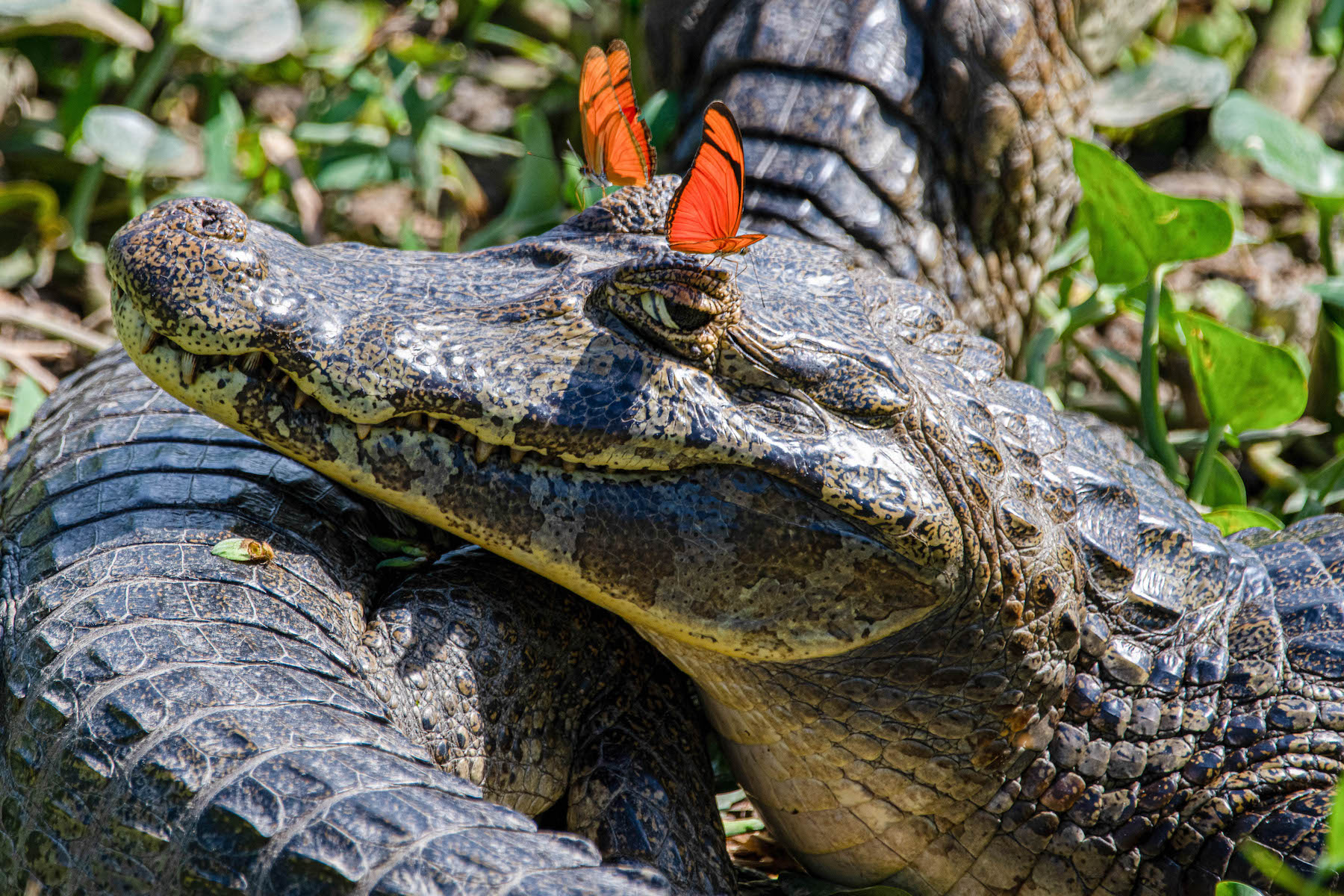
In South America, Morris Hersko captured a Spectacled Caiman in Brazil’s Pantanal region in a shot titled "Feeling cute, might delete later." The image shows Julia Butterflies landing on the caiman’s eyes. While the visual is humorous, it also captures a fascinating biological interaction known as lachryphagy, where butterflies drink the mineral-rich tears of reptiles to supplement their diet.
Other notable highlights include:
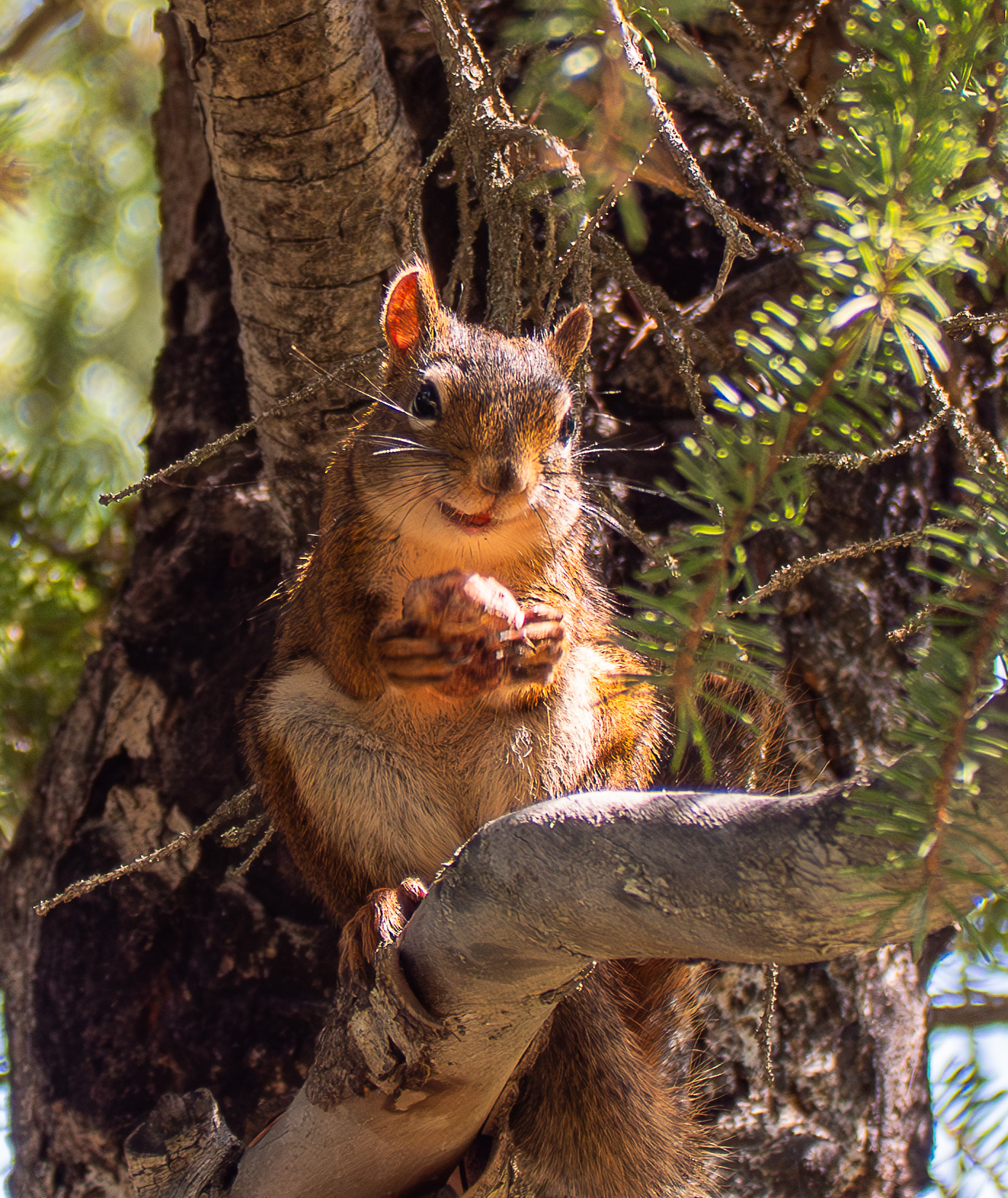
- "Flying Elephant Seal" by Stefan Botha: Taken in South Africa, this image features a well-known seal named Buffel. The photographer spent eight hours waiting to capture the seal in a pose that suggests it is attempting flight while molting on the beach.
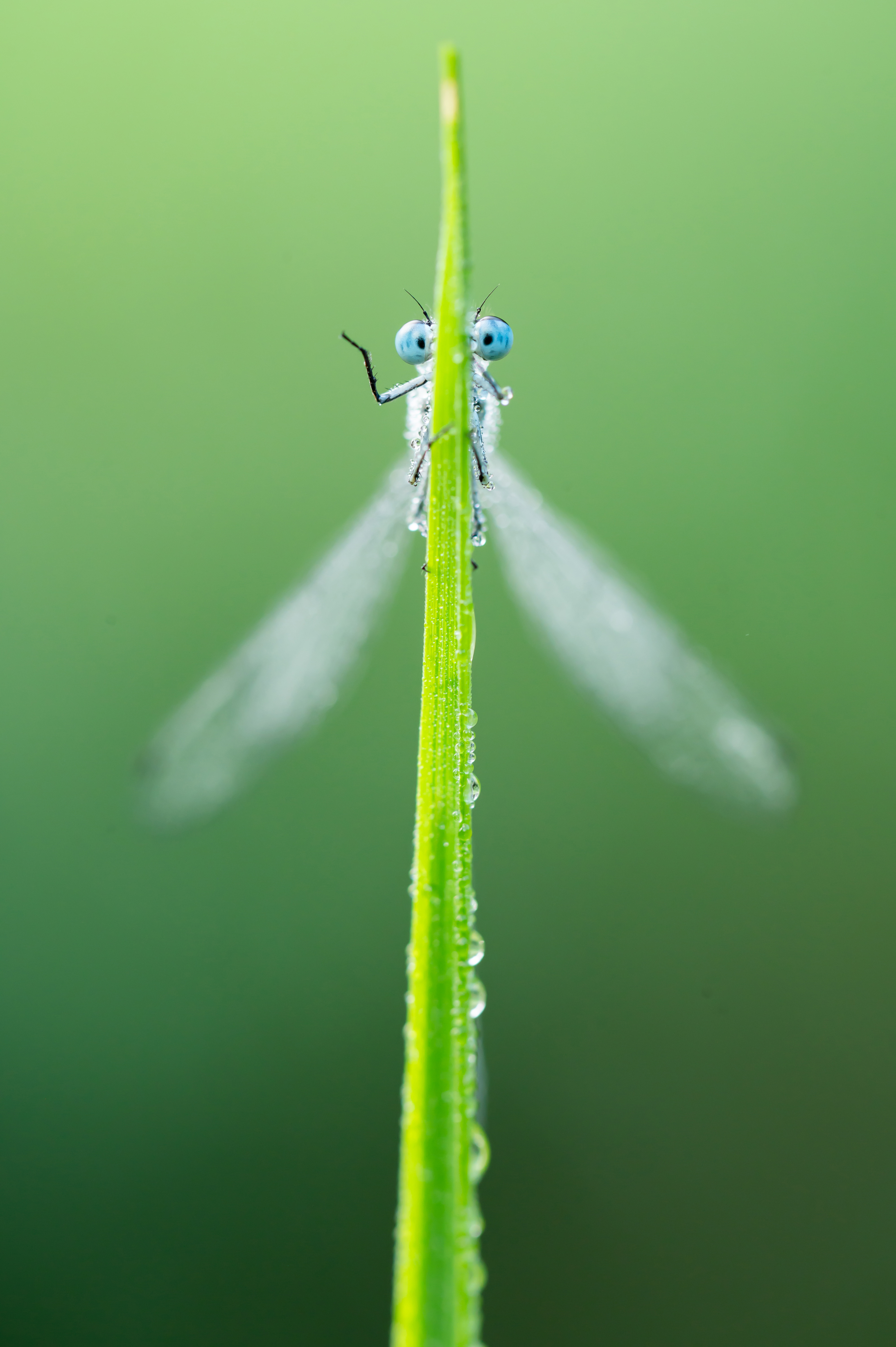
- "Hide and Seek" by Mignon van den Wittenboer: A macro shot of a blue-tailed damselfly appearing to peek from behind a blade of grass.
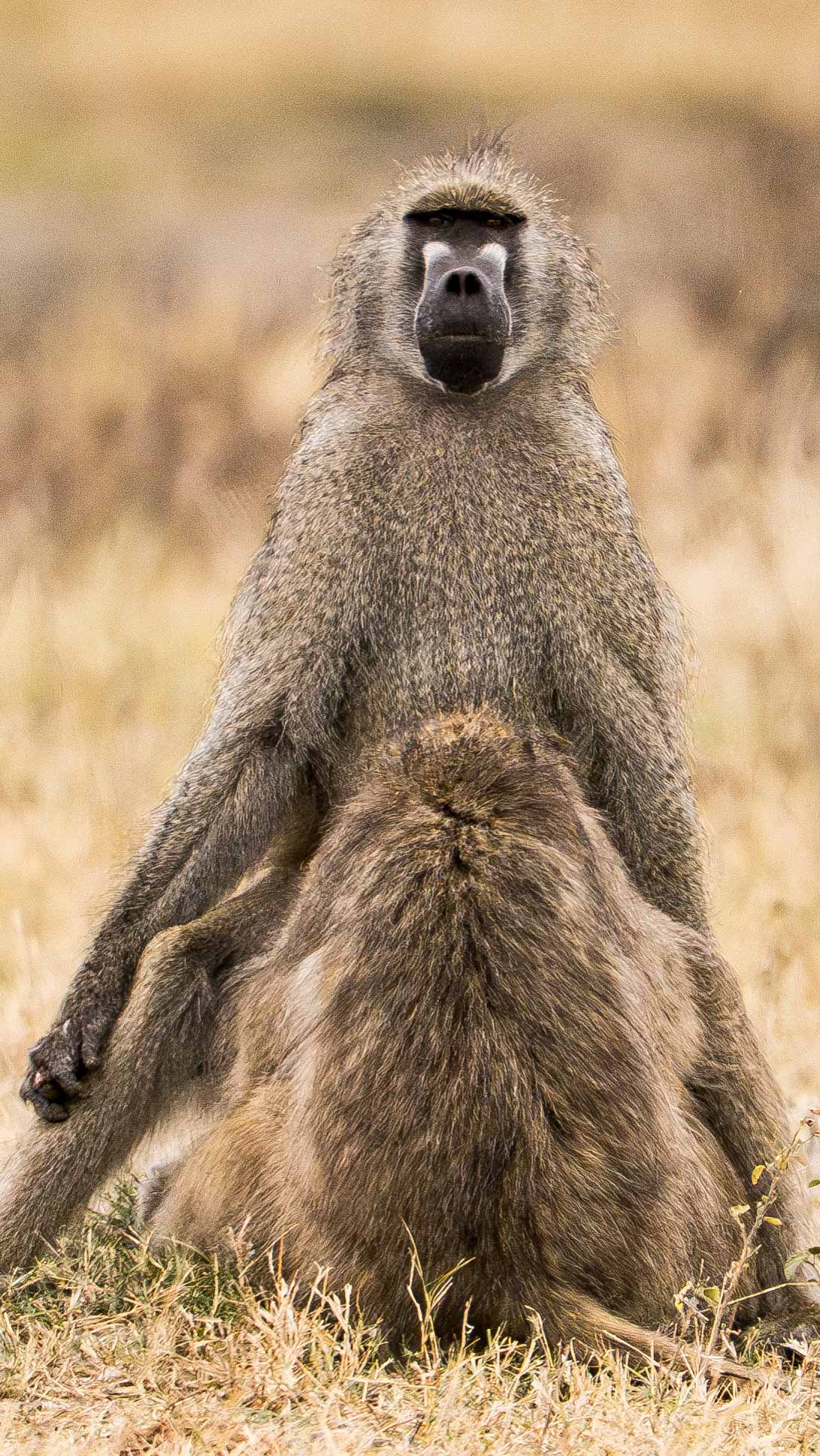
- "Explicit Monkey Business" by Timothy Parrant: A perfectly timed shot of two baboons in a compromising and comical position, highlighting the lack of inhibition in the wild.
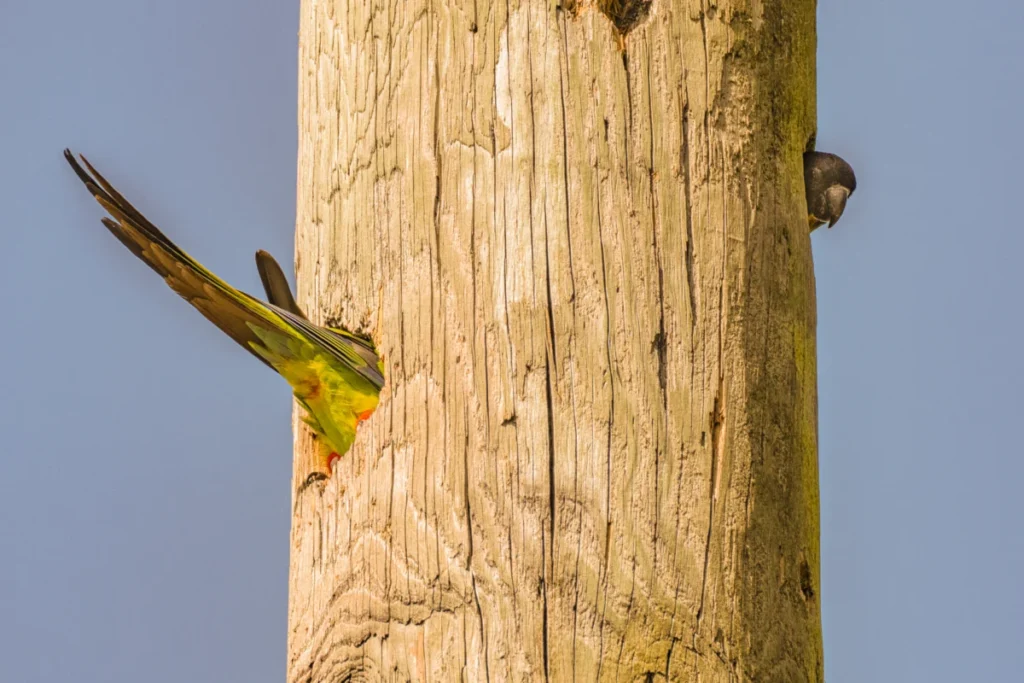
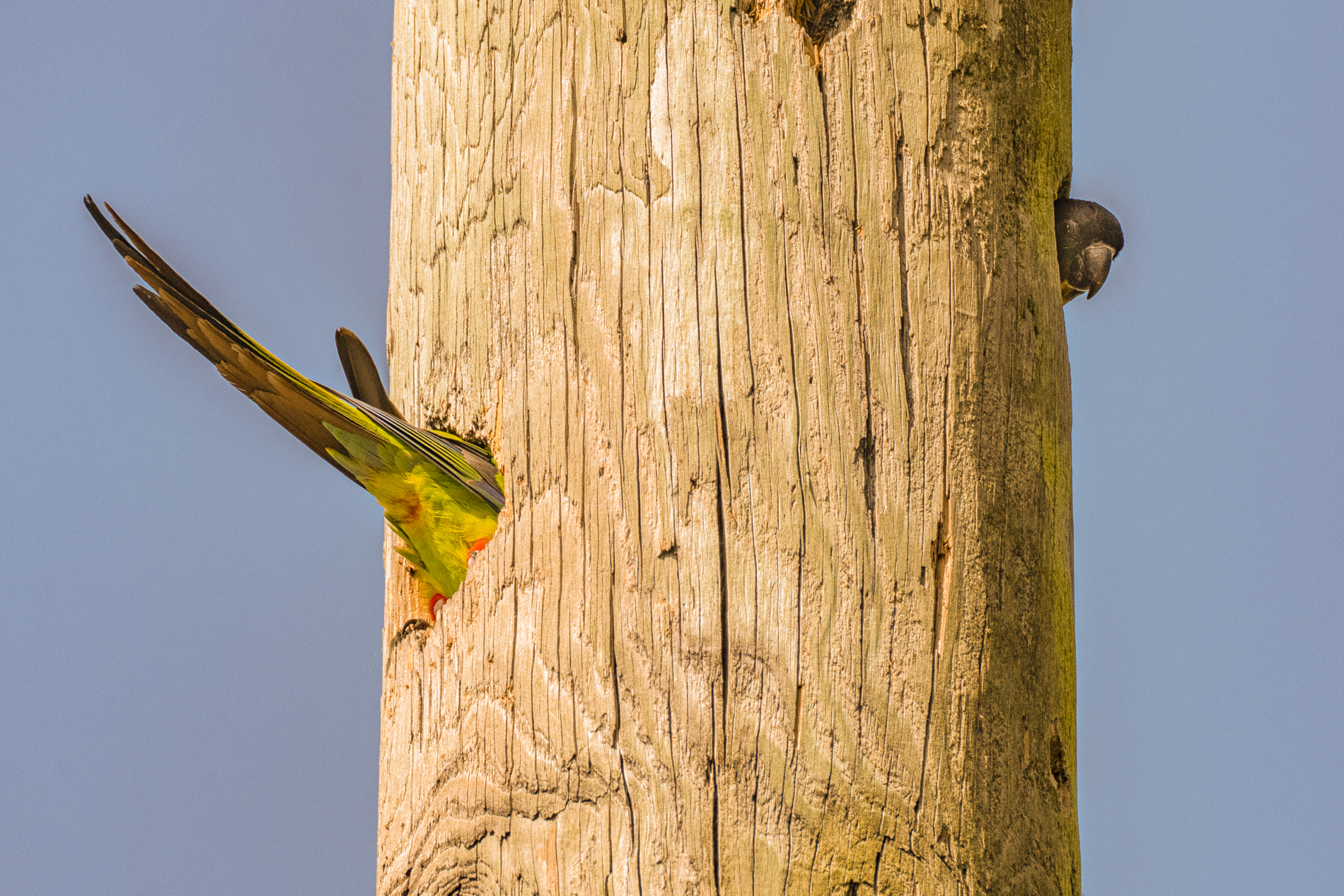
- "World’s Longest Parrot" by Elizabeth Sanjuan: A clever use of perspective where multiple parrots in a pole create the illusion of a single, impossibly long bird.
The Intersection of Humor and Global Conservation
Beyond the laughter, the Nikon Comedy Wildlife Photography Awards serve a serious environmental purpose. The competition is a primary partner of the Born Free Foundation, an international wildlife charity founded by Bill Travers and Virginia McKenna. Born Free has spent over 40 years advocating for "compassionate conservation," a philosophy that emphasizes the welfare of individual animals alongside the preservation of entire species and habitats.
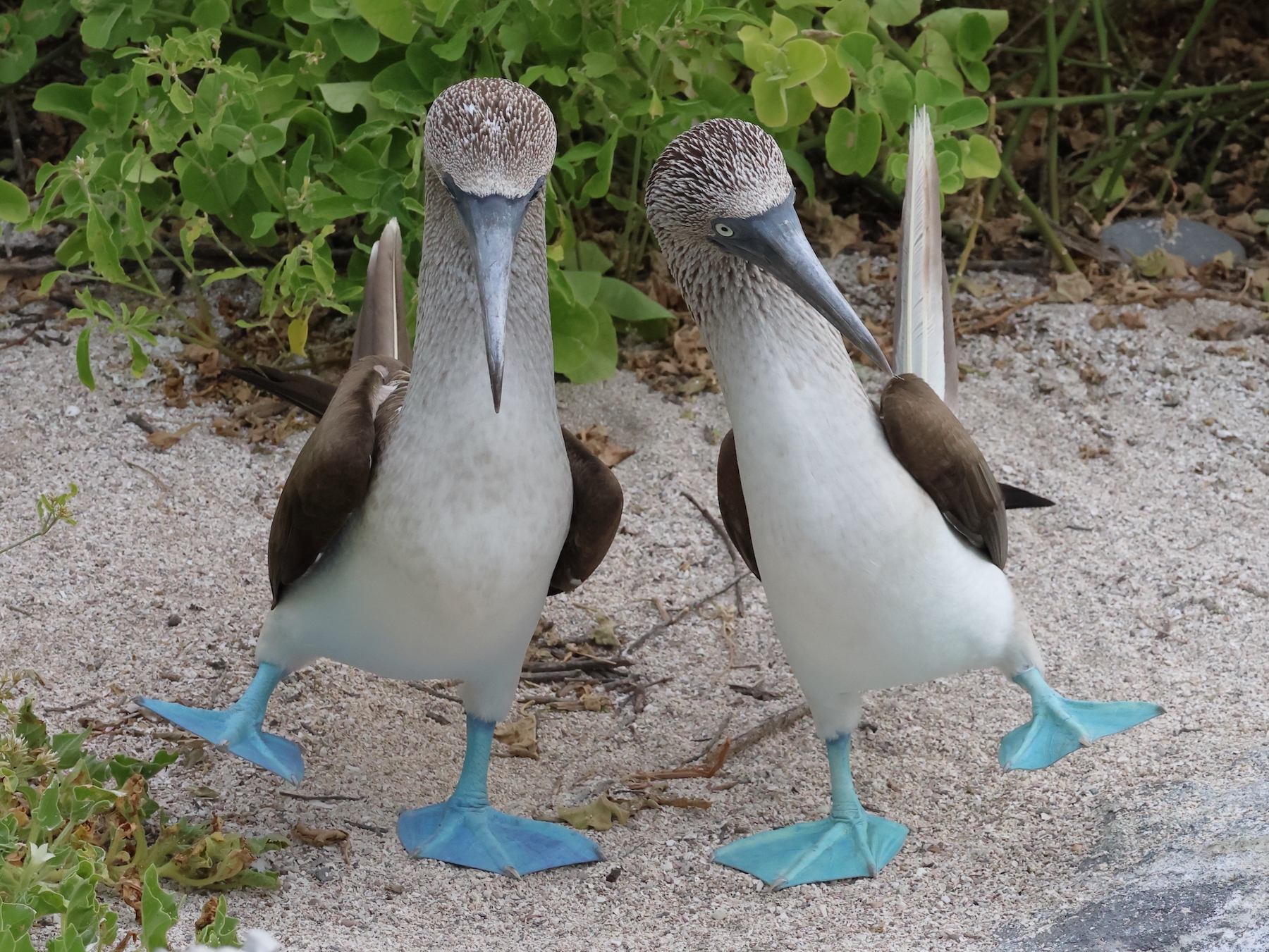
The logic behind using humor for conservation is supported by psychological data suggesting that "doom and gloom" messaging can lead to environmental fatigue or apathy among the general public. By contrast, humorous imagery increases engagement and shareability on social media platforms, allowing conservation messages to reach demographics that might not otherwise consume environmental news.
Supporting data from recent biodiversity reports highlights the urgency of this mission. According to the World Wildlife Fund’s (WWF) Living Planet Report, monitored wildlife populations have seen an average decline of 69% since 1970. In this context, the awards act as a "soft" entry point for a global audience to become aware of the Born Free Foundation’s work in areas such as:
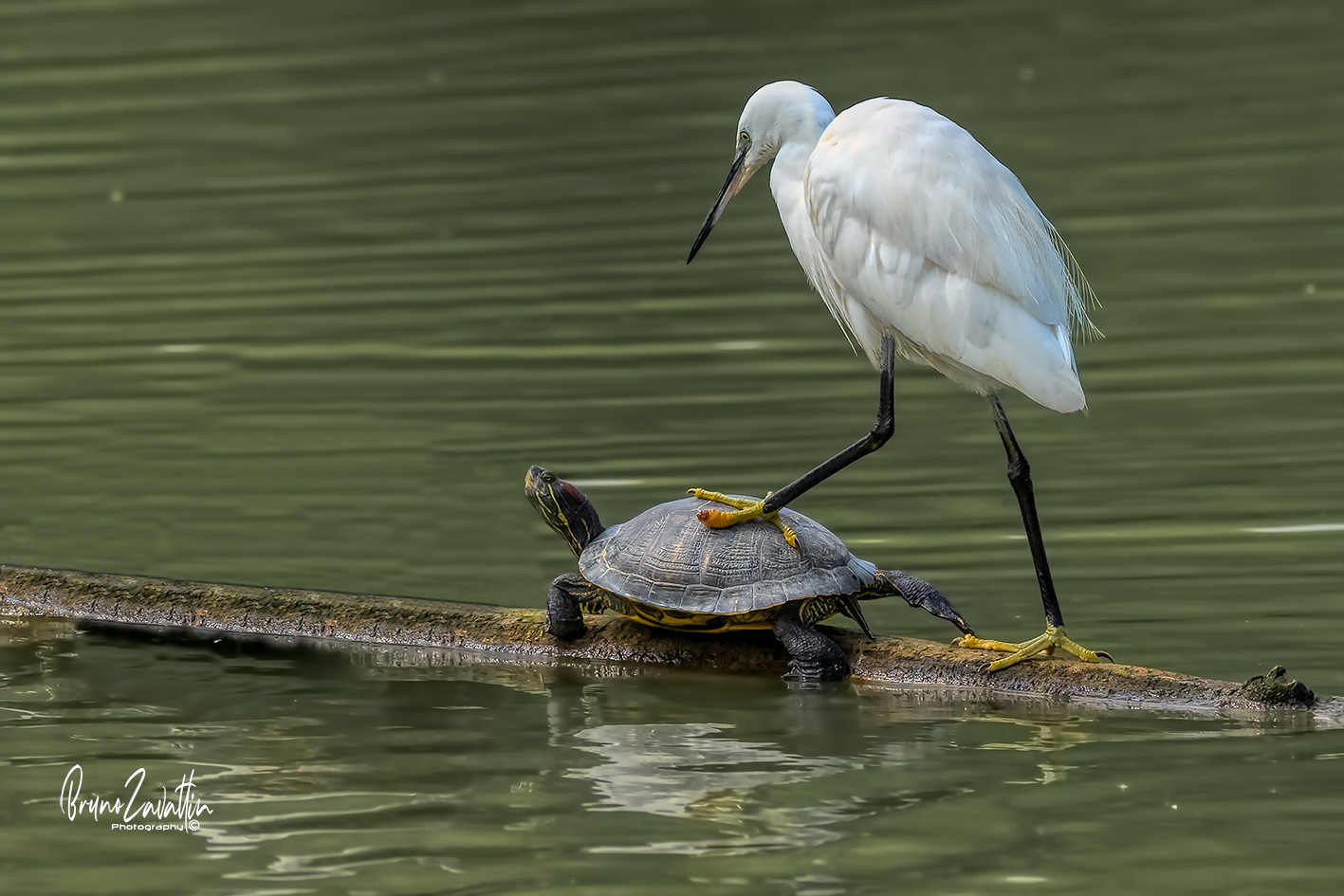
- Ending the captive exploitation of wild animals.
- Protecting endangered species in their natural habitats.
- Promoting co-existence between human populations and local wildlife.
The Evolution of Wildlife Photography Technology
The 2026 competition also reflects the rapid evolution of photographic technology. The transition from DSLR to mirrorless systems has allowed wildlife photographers to work more silently and with greater precision. Features such as animal-eye autofocus—standard in many of Nikon’s recent Z-series cameras—have made it easier for photographers to capture the sharp, expressive "facial expressions" that are a hallmark of the Comedy Wildlife Awards.
Furthermore, the democratization of high-quality camera technology means that impactful shots are increasingly coming from non-professionals. The "Junior" category, in particular, has seen a surge in entries as younger generations utilize both entry-level cameras and advanced smartphone optics to document the nature in their immediate surroundings. Organizers have noted that some of the most "human" moments are captured not in remote wildernesses, but in local parks and backyards, proving that wildlife comedy is a global phenomenon accessible to anyone with a lens and patience.
Official Reactions and Judging Criteria
While the competition is "not-so-serious" in its subject matter, the judging process is rigorous. The panel typically includes professional photographers, naturalists, and celebrities who evaluate entries based on three primary criteria: technical excellence, comedic timing, and the potential of the image to support conservation awareness.
In official statements, the founders of the awards, Paul Joynson-Hicks and Tom Sullam, have emphasized that the competition is as much about the photographers’ ethics as their results. "We want to see amazing images, but we also want to ensure that no animals were disturbed or harmed in the making of these photos," Sullam has noted in previous cycles. This commitment to ethical photography is a cornerstone of the competition’s reputation.
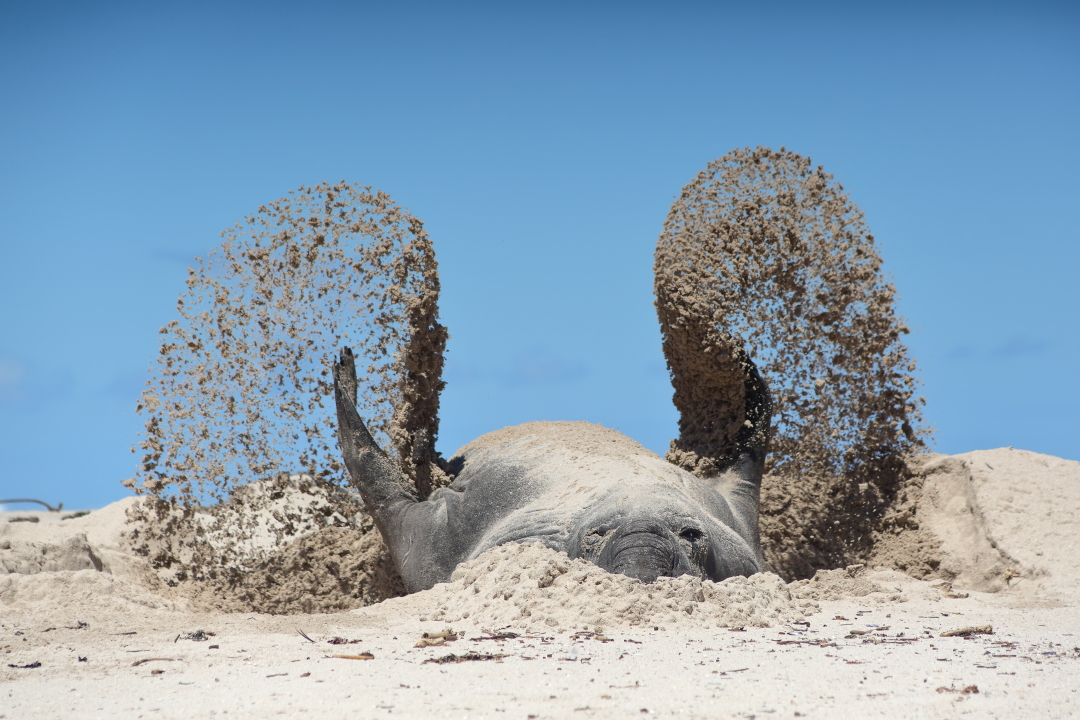
The judges often look for "anthropomorphism"—the attribution of human traits or emotions to animals. Whether it is a squirrel looking "happy" while holding a nut or a bird appearing to "complain" to a rival, these images bridge the gap between humans and the natural world.
Broader Impact and Future Outlook
As the 2026 competition gets underway, its influence extends beyond the digital sphere. The winning images are frequently featured in global touring exhibitions and high-quality coffee table books, with a portion of the proceeds directly benefiting wildlife charities. The "People’s Choice Award," a category voted on by the public, consistently draws hundreds of thousands of votes, making it one of the most interactive photography contests in existence.
The 2026 Nikon Comedy Wildlife Photography Awards represent more than just a collection of funny pictures; they are a testament to the resilience and character of the natural world in an era of unprecedented environmental challenges. By inviting the world to laugh with nature, the competition ensures that the world remains invested in protecting it. As the June 2026 deadline approaches, the global community of photographers—from those trekking through the Himalayas to those watching squirrels in suburban gardens—is expected to contribute to what will likely be the most diverse and humorous collection of wildlife imagery to date.