




For nearly four decades, microbiologists and epidemiologists have been confounded by the biological mechanisms that allow the parasite responsible for sleeping sickness to remain undetected within the human body for extended periods. A landmark study published on March 30 in the journal Nature Microbiology has finally unmasked the secret weapon of Trypanosoma brucei: a sophisticated "invisibility cloak" maintained by a newly identified protein called ESB2. This protein acts as a "molecular shredder," selectively editing the parasite’s genetic output to ensure it remains invisible to the host’s immune system, potentially for years, before delivering a fatal neurological blow.
The discovery, led by researchers at the University of York, provides a definitive answer to a biological "cold case" that has persisted since the 1980s. By understanding how the parasite redacts its own genetic manual in real-time, scientists are now positioned to develop more effective treatments for a disease that continues to threaten approximately 70 million people across 36 sub-Saharan African countries.
The Pathogen and Its Vector: A Continental Health Crisis
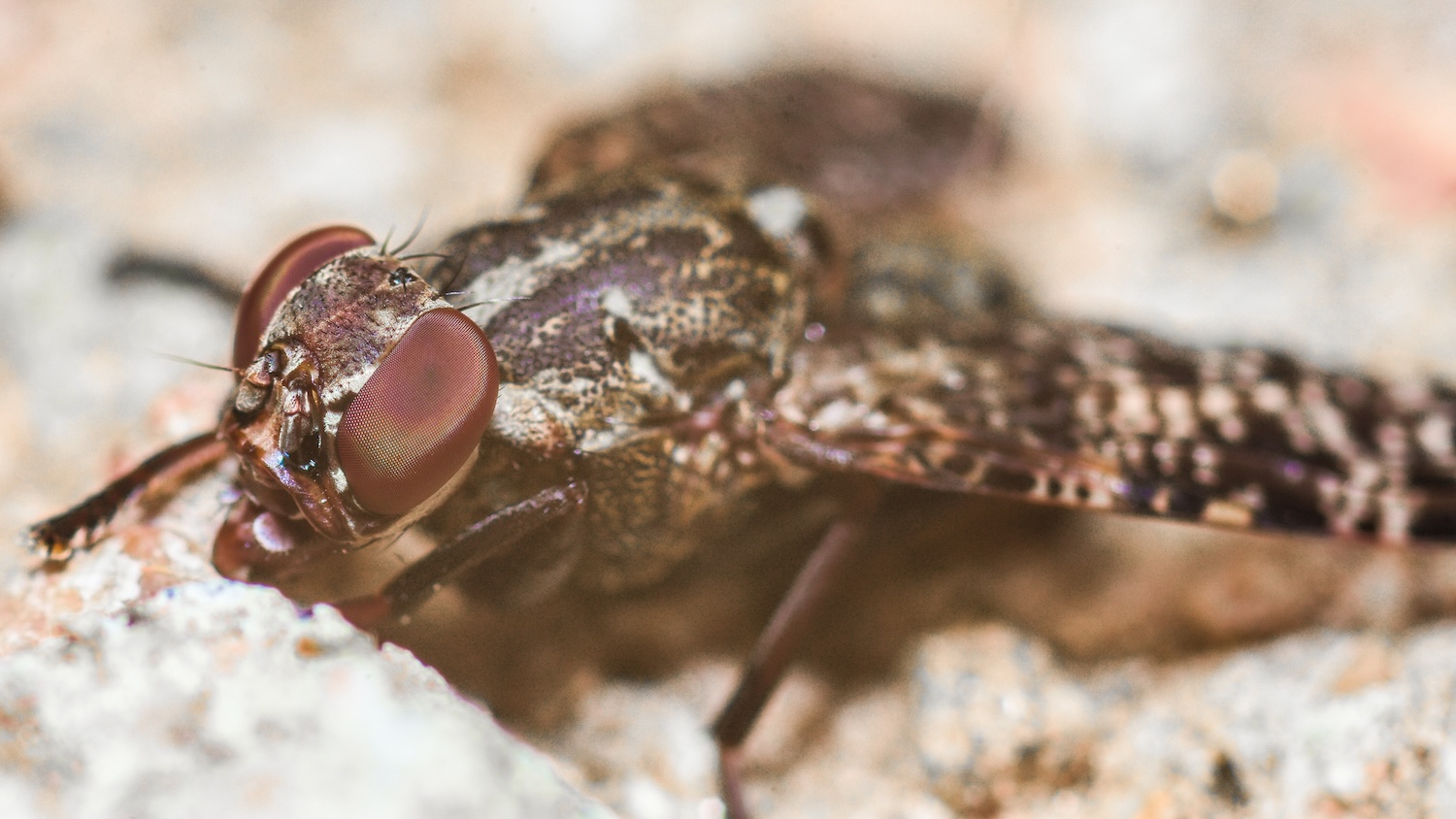
Sleeping sickness, formally known as Human African Trypanosomiasis (HAT), is caused by microscopic parasites of the genus Trypanosoma. The most prevalent form in West and Central Africa is Trypanosoma brucei gambiense, which accounts for over 90 percent of reported cases. The disease is transmitted to humans through the bite of an infected tsetse fly (Glossina genus), a bloodsucking insect found only in sub-Saharan Africa.
Unlike many other tropical diseases that manifest rapidly, sleeping sickness is notoriously stealthy. The parasite is a master of antigenic variation—a process where it constantly changes the proteins on its surface to stay one step ahead of the host’s antibodies. While scientists have long known that the parasite uses Variant Surface Glycoproteins (VSGs) to coat itself, the exact mechanism that allowed the parasite to coordinate this "cloaking" without alerting the immune system remained a mystery until the identification of the ESB2 protein.
The Discovery of the Molecular Shredder
The research team, co-authored by University of York biologists Joana Faria and Lianne Lansink, focused on a specific region within the parasite known as the Expression Site Body (ESB). The ESB is essentially the "protein factory" where the parasite’s protective coat is manufactured.
The study revealed that T. brucei possesses a vast library of genes, including both VSG genes (which form the cloak) and various "helper genes" required for cellular function. Under normal biological circumstances, the transcription process should produce equal amounts of genetic material for both types. However, the researchers observed a curious asymmetry: the parasite produced an abundance of VSG proteins but very few helper proteins.

The identification of ESB2 explained this discrepancy. ESB2 functions as a cellular scalpel or "molecular shredder." As the parasite manufactures its genetic instructions, the ESB2 protein localizes within the Expression Site Body and immediately destroys the sections of genetic code associated with the helper genes while leaving the VSG instructions intact.
"We’ve discovered that the parasite’s secret to staying invisible isn’t just what it prints, but what it chooses to redact," explained Joana Faria. By placing this shredder directly inside the protein factory, the parasite can edit its genetic manual in real-time, ensuring that the immune system only sees a constantly shifting, non-identifiable surface.
A Chronology of the Disease and Scientific Efforts
The battle against sleeping sickness has spanned over a century, marked by devastating outbreaks and significant public health milestones.
- Late 19th – Early 20th Century: Massive epidemics swept across the African continent, particularly in the Congo Basin and East Africa, killing hundreds of thousands. Colonial administrations began the first systematic efforts to control tsetse fly populations.
- 1960s: Following a period of successful control, cases dropped to near-extinction levels. However, as surveillance programs waned in several newly independent nations, the disease began a slow resurgence.
- 1990s: The disease reached a modern peak. In 1998 alone, an estimated 40,000 cases were reported, though the World Health Organization (WHO) suspected the actual number of infections was closer to 300,000, many of which went undiagnosed and untreated.
- 2000-2020: Intensified international efforts, led by the WHO and various NGOs, saw a dramatic 95 percent decline in cases. By 2020, fewer than 1,000 cases were recorded annually.
- 2026: The discovery of the ESB2 protein provides the molecular blueprint for how the parasite survived the host’s immune response during the "latent" phase of the disease.
The Two-Stage Progression: From Infection to Fatality
The clinical progression of sleeping sickness is divided into two distinct stages, making early diagnosis both difficult and critical.
Stage 1: The Haemolymphatic Phase
One to three weeks after the tsetse fly bite, the parasites begin to multiply in the subcutaneous tissues, blood, and lymph. Patients typically experience bouts of fever, severe headaches, joint pains, and extreme itchiness (pruritus). Because these symptoms are common to many tropical ailments, including malaria and influenza, sleeping sickness is often overlooked in its early, most treatable stage.
Stage 2: The Meningo-encephalitic Phase
In the second stage, the parasite crosses the blood-brain barrier and invades the central nervous system. This is where the disease earns its name. The patient’s sleep-wake cycle becomes severely disrupted; they experience intense lethargy during the day and insomnia at night. Other neurological symptoms include confusion, sensory disturbances, poor coordination, and personality changes. Without treatment, the disease is almost invariably fatal, leading to a coma and death.
Supporting Data and Global Health Context
Despite the decline in cases, sleeping sickness remains a "neglected tropical disease" (NTD), primarily affecting impoverished rural populations. The WHO has set a goal for the total elimination of HAT as a public health problem by 2030.
Current data highlights the challenges:
- At-Risk Population: Approximately 70 million people live in areas where transmission is possible.
- Geographic Concentration: The Democratic Republic of the Congo (DRC) accounts for over 70 percent of all reported gambiense cases.
- Economic Impact: The disease primarily affects working-age adults, devastating the agricultural productivity of rural communities and trapping families in cycles of poverty.
The discovery of ESB2 is significant because current treatments, while improved by the introduction of oral medications like fexinidazole, still face hurdles regarding drug resistance and the difficulty of treating stage-two infections. A drug that could inhibit the ESB2 "shredder" would effectively "unmask" the parasite, allowing the human immune system to identify and destroy it naturally before it reaches the brain.
Expert Analysis and Implications for Future Research
The implications of the University of York study extend far beyond T. brucei. The concept of a "molecular shredder" that performs real-time genetic redaction suggests a fundamental shift in how scientists view infectious diseases.
"The mystery of how this parasite manages the asymmetric expression of its genetic manual has been a cold case in the back of my mind since my days as a postdoc," said Faria. "It’s a testament to what a fresh lab and a diverse group of scientists can achieve when they look at an old problem from a completely new angle."
Biologists now suspect that other pathogens—including those responsible for malaria or certain fungal infections—might employ similar mechanisms to silence "telltale" genes that would otherwise alert the host’s defenses. If ESB2-like proteins are found in other species, it could open a new frontier in antimicrobial and antiparasitic drug development focused on "genetic unmasking."
Conclusion: Toward Eradication
The identification of the ESB2 protein marks a turning point in the century-long effort to eradicate sleeping sickness. By stripping away the parasite’s "invisibility cloak," researchers have provided the global health community with a new target for intervention. While the decline in cases over the last two decades is a triumph of public health policy and field-work, the "last mile" of eradication requires the kind of high-level molecular understanding demonstrated in this study.
As the WHO moves toward its 2030 elimination goal, the ability to neutralize the parasite’s primary defense mechanism offers hope that sleeping sickness will eventually transition from a persistent threat to a footnote in medical history. The success of the University of York team underscores the necessity of continued investment in basic biological research, even for diseases that are currently on the decline. In the war against pathogens, understanding the enemy’s most guarded secrets is the only way to ensure a permanent victory.