


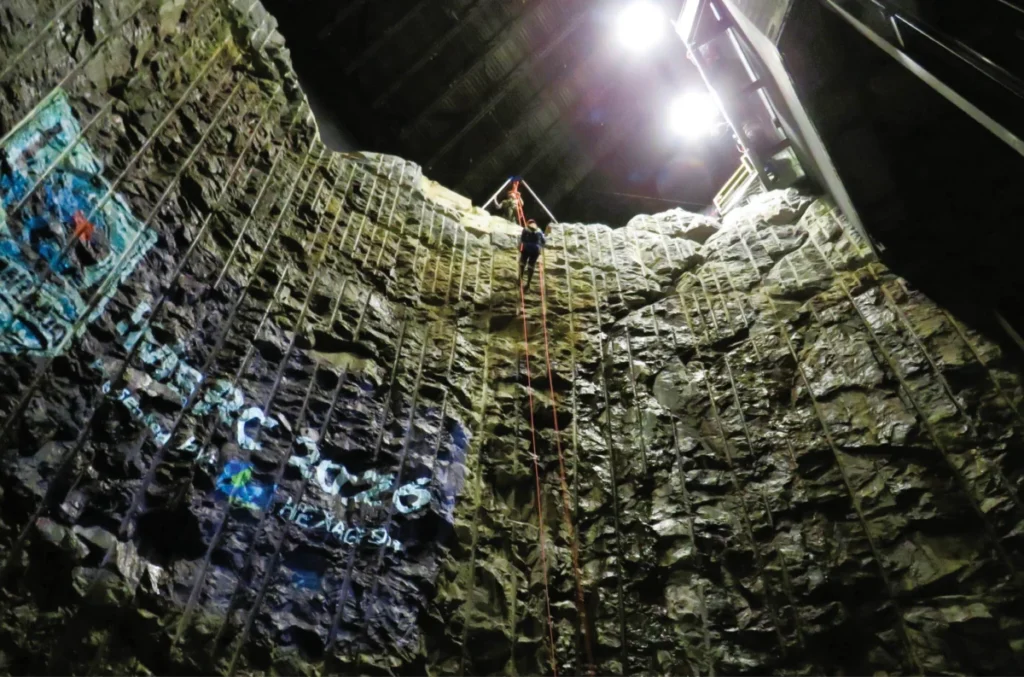
The annual Intercollegiate Mine Emergency Response Competition (IMERC) recently concluded its rigorous training and evaluation period at Laurentian University in Sudbury, Ontario, bringing together nine teams of aspiring mining professionals from across North America. Held from February 6th to February 21st, the competition served as a crucial proving ground for students to demonstrate their skills in simulated mine emergency scenarios, fostering a culture of safety and preparedness vital to the mining industry. This year’s event, hosted in collaboration with Dynamic Earth, Science North’s underground mine museum, presented a comprehensive series of challenges designed to replicate the high-stakes environment faced by mine rescue teams.
A Crucible of Competence: The IMERC Experience
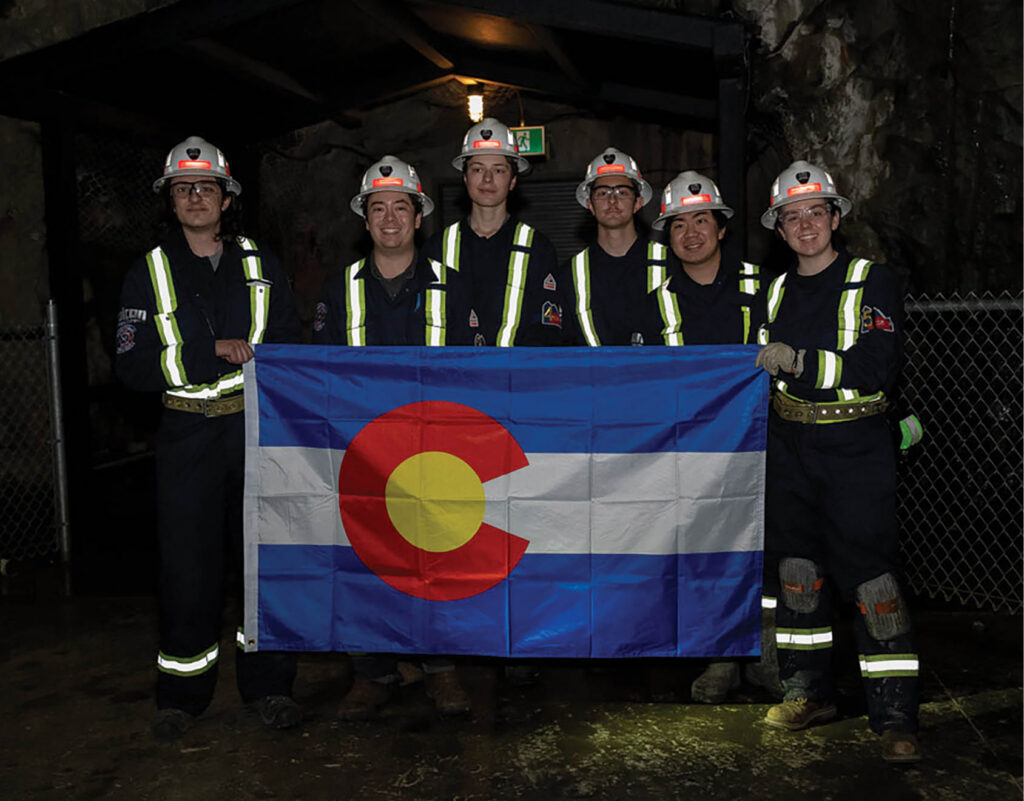
The IMERC is more than just a competition; it is a vital training initiative designed to bridge the gap between academic learning and the practical demands of real-world mine safety. The event aims to equip future mining leaders with the critical thinking, teamwork, and technical proficiency necessary to respond effectively to emergencies. This year’s edition saw participation from student teams representing institutions in Colorado, South Dakota, British Columbia, Alberta, and Ontario, underscoring the continental scope of the mining sector and the shared commitment to safety.
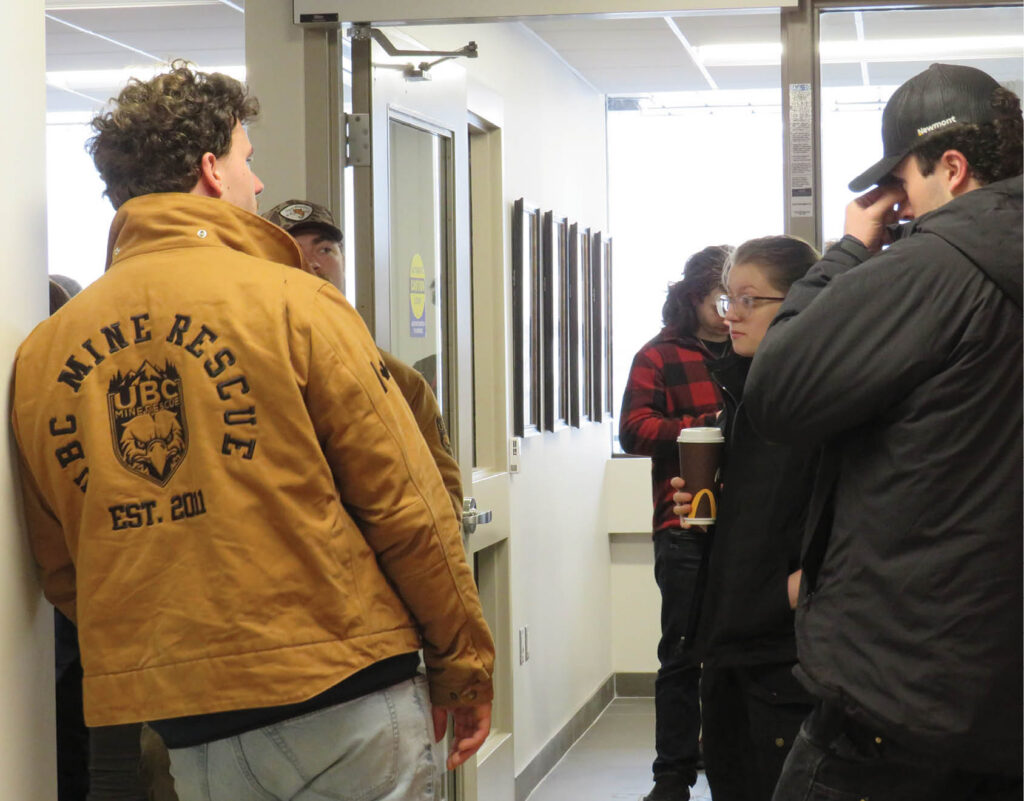
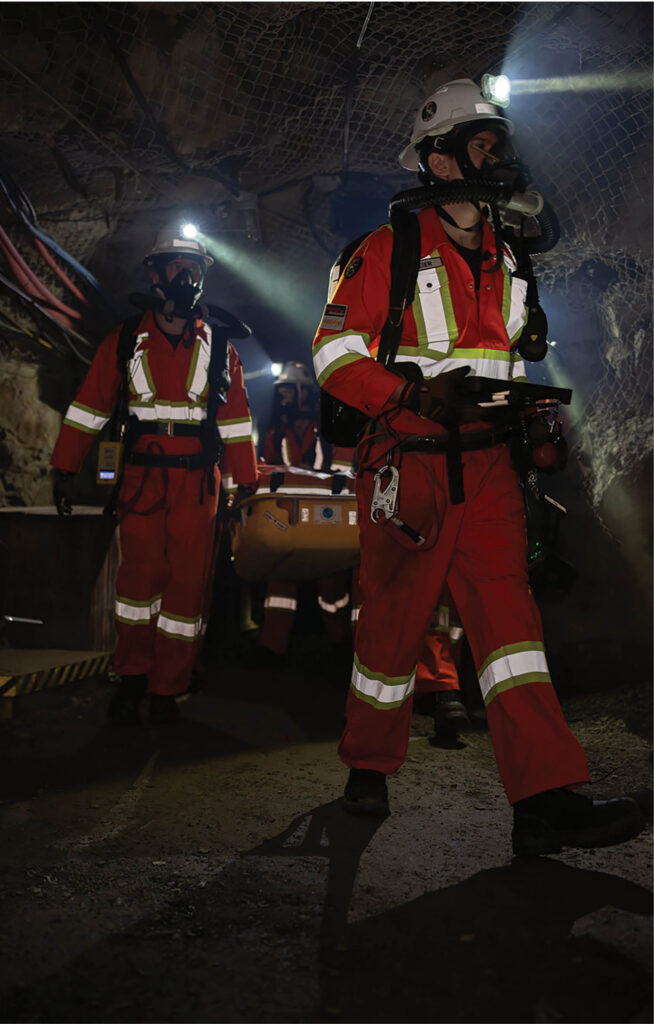
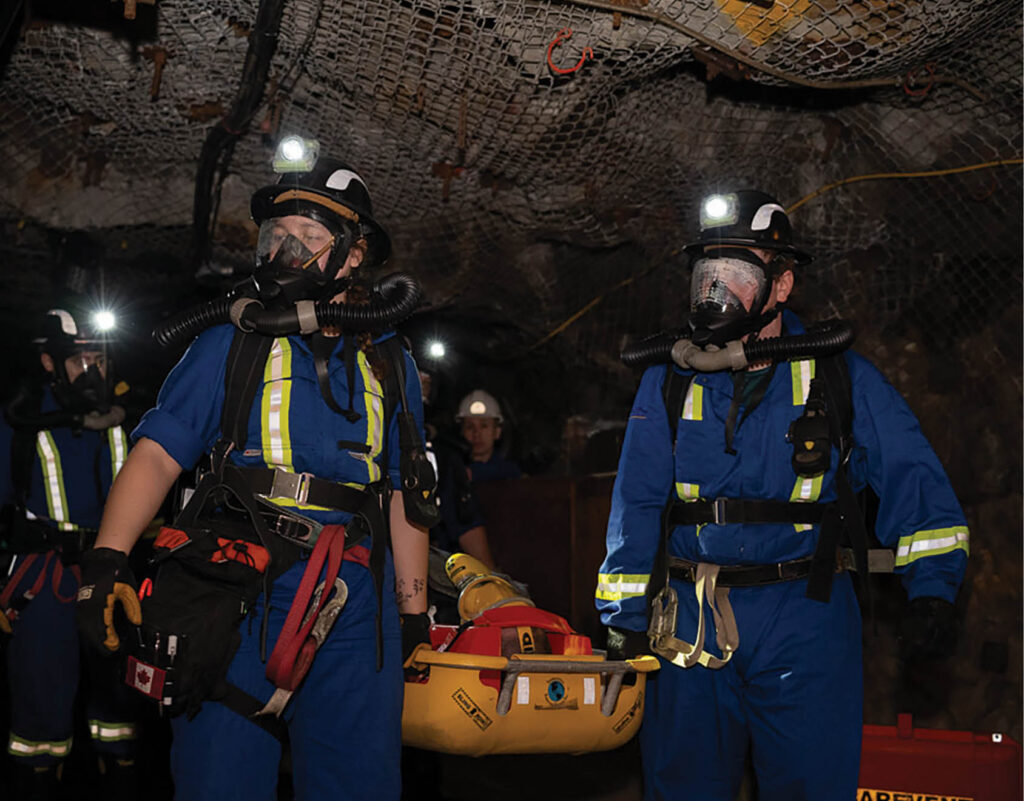
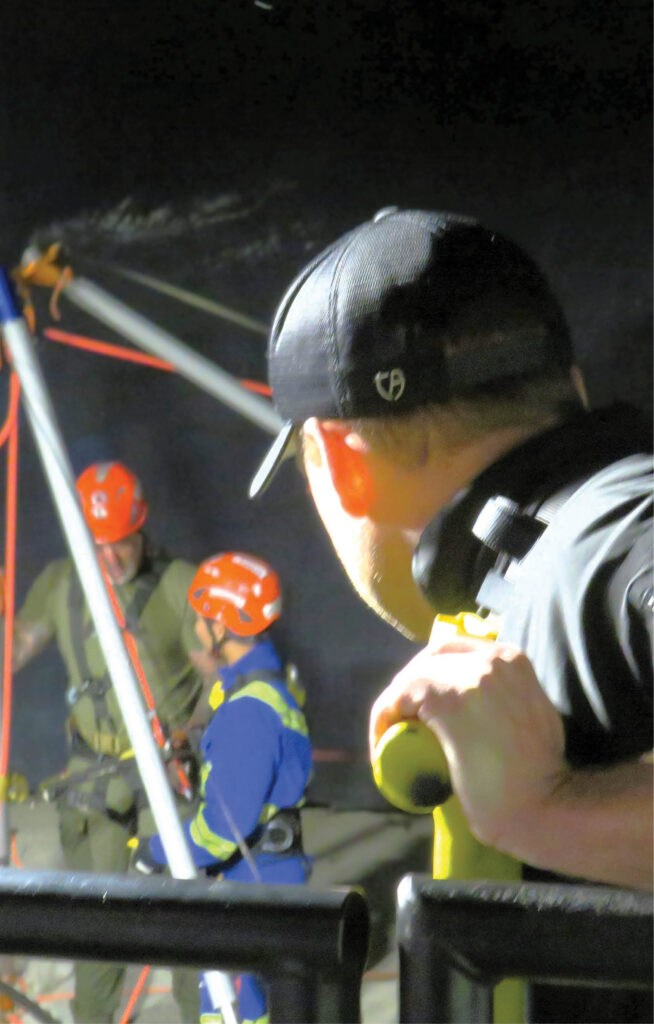
The core of the IMERC experience lies in its realistic simulation of mine emergencies. Teams were tasked with navigating complex scenarios that tested their ability to assess situations, coordinate efforts, and execute rescue protocols under pressure. These simulations included a full underground response scenario, requiring participants to manage a multifaceted emergency deep within a mine environment. This challenge typically involves elements such as ventilation control, victim extrication, and communication under hazardous conditions.
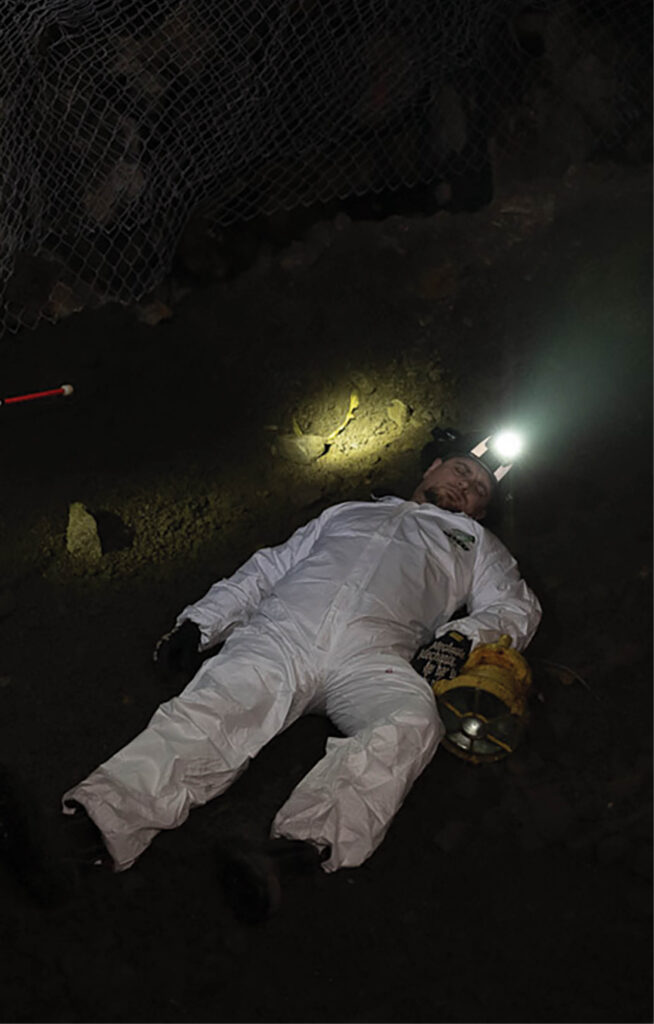
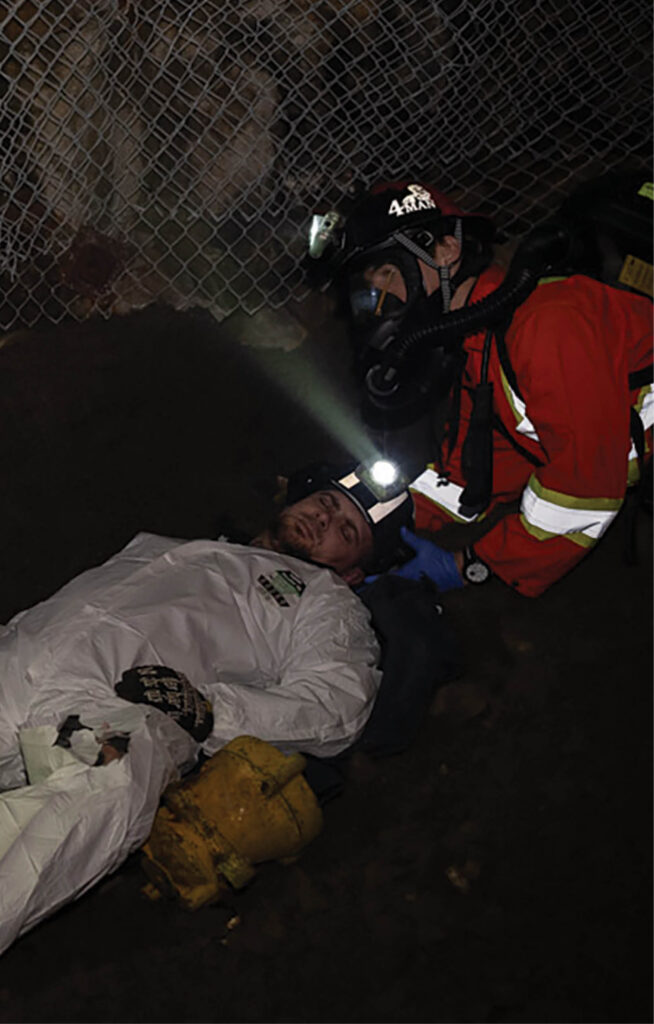
In addition to the primary underground scenario, the competition featured a critical mass-casualty first aid exercise. This component rigorously evaluated the teams’ medical response capabilities, focusing on triage, stabilization, and transport of injured individuals, mirroring the immediate actions required in a serious mining accident. Furthermore, a technical skills challenge allowed students to showcase their proficiency in specific mining-related tasks, such as equipment operation, ventilation techniques, and hazard identification.
Preparing for the Unforeseen: Pre-Competition Protocols
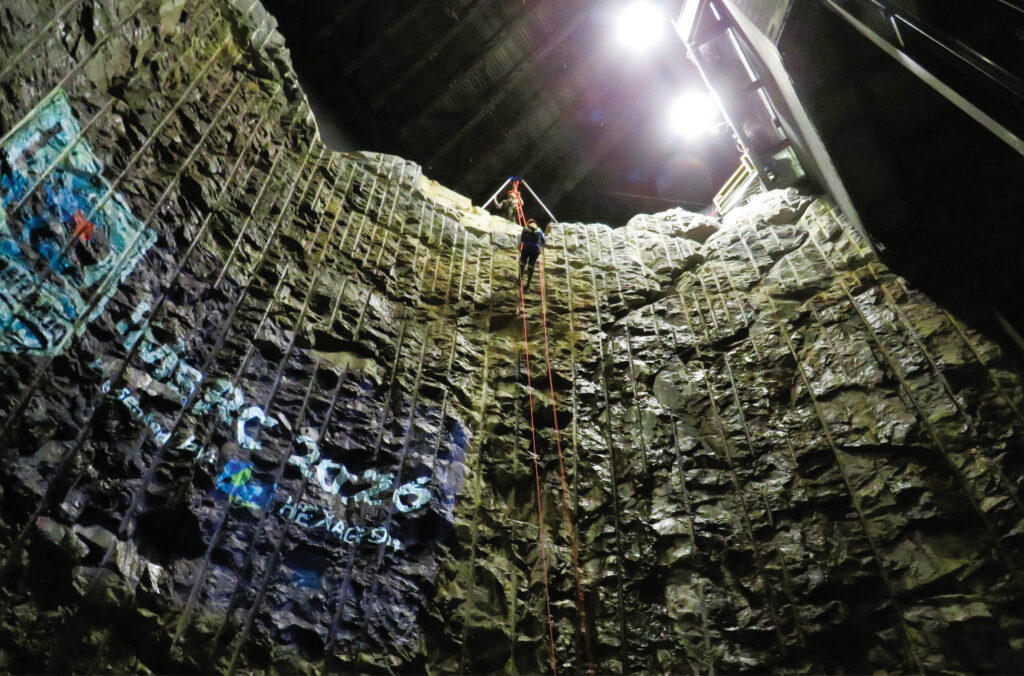
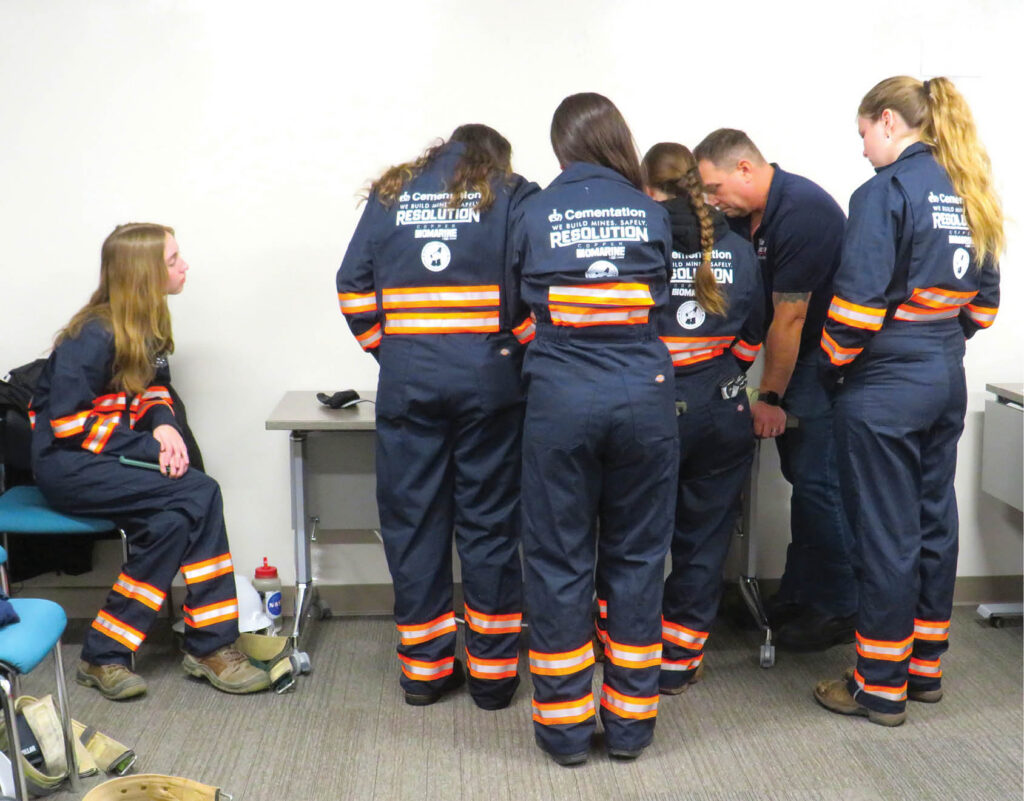
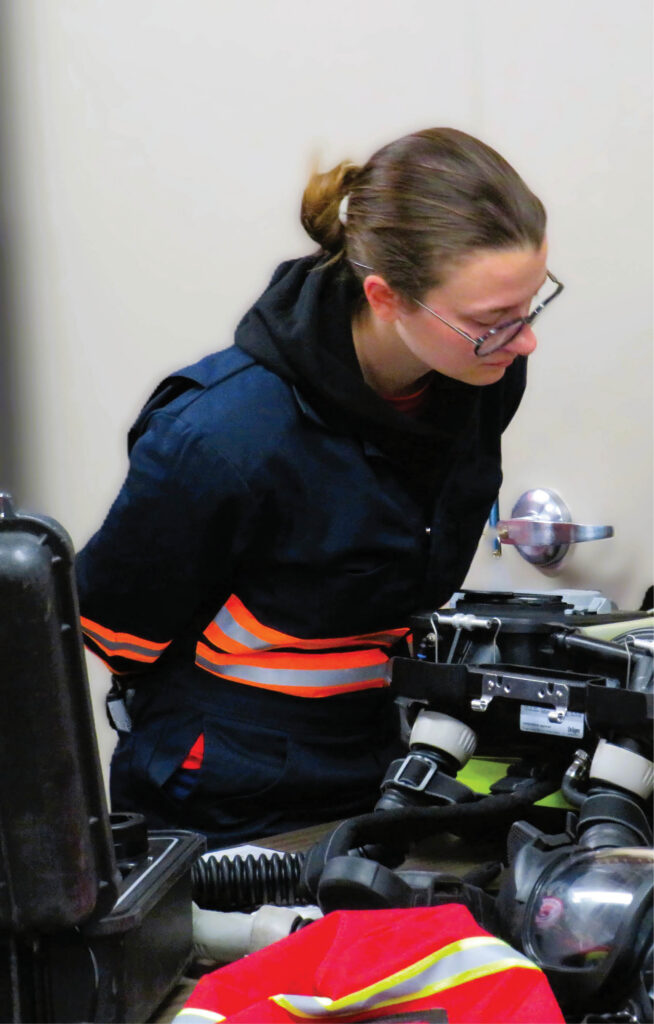
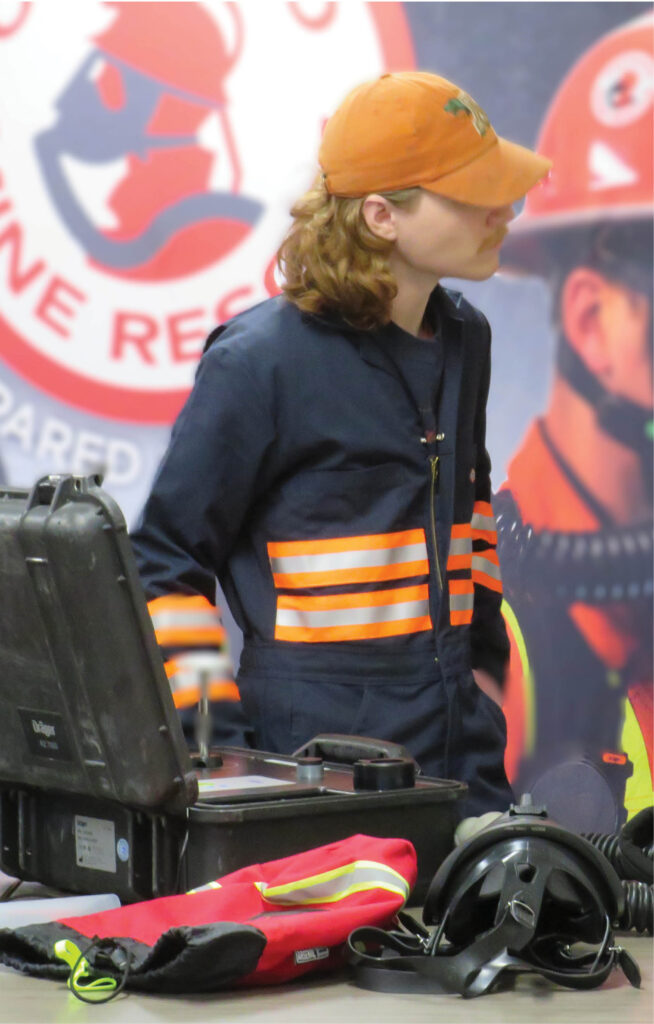
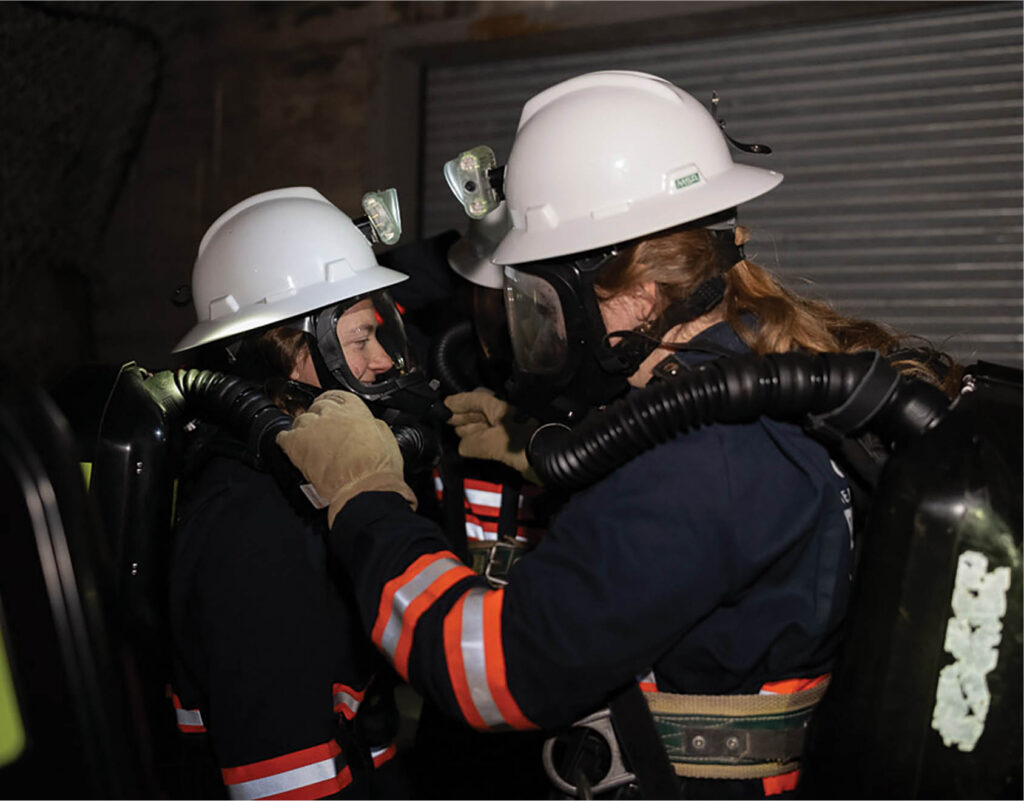
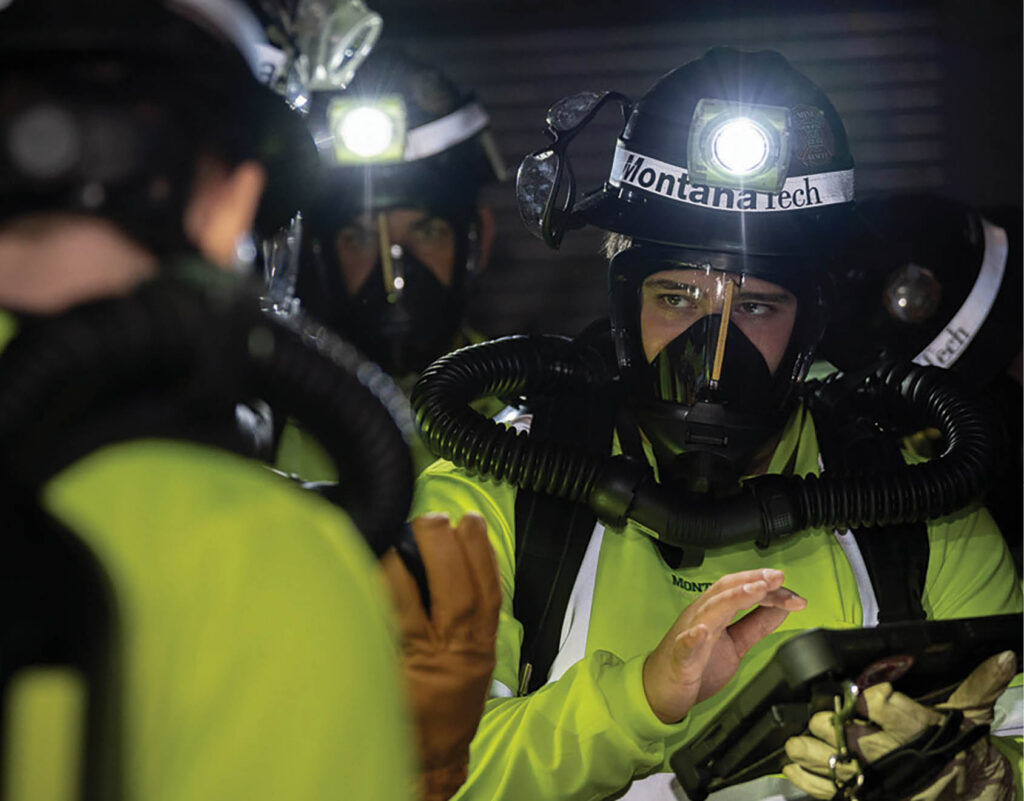
Prior to the intense simulations, a significant portion of the IMERC was dedicated to preparation and familiarization. Teams engaged in a crucial phase where they were able to thoroughly acquaint themselves with the simulated underground environment at Dynamic Earth. This preparatory period was essential for understanding the layout of the simulated tunnels, the specific rescue equipment available, and the detailed response tools and protocols that would govern each challenge. This phase underscores the competition’s emphasis on structured and informed decision-making, rather than on-the-spot improvisation alone. Industry experts were present to guide students, ensuring they understood the nuances of the equipment and the expected standards of performance. This hands-on approach allows students to build confidence and refine their strategies before the critical evaluation begins.
A Look at the Challenges and Skills Tested
The IMERC’s multifaceted approach ensures a holistic evaluation of a team’s preparedness. The underground response scenario, often the most demanding aspect of the competition, requires teams to function as a cohesive unit under duress. This involves deploying specialized equipment for atmospheric monitoring, managing underground fires or gas leaks, and safely extracting simulated casualties. The complexity of these scenarios is amplified by factors such as limited visibility, confined spaces, and the psychological stress inherent in emergency response.

The mass-casualty first aid exercise tests the teams’ ability to apply their medical knowledge in a chaotic environment. Rapid assessment, effective communication with emergency medical services, and the ability to prioritize care are paramount. This element is particularly important given the potential for significant injuries in mining accidents.
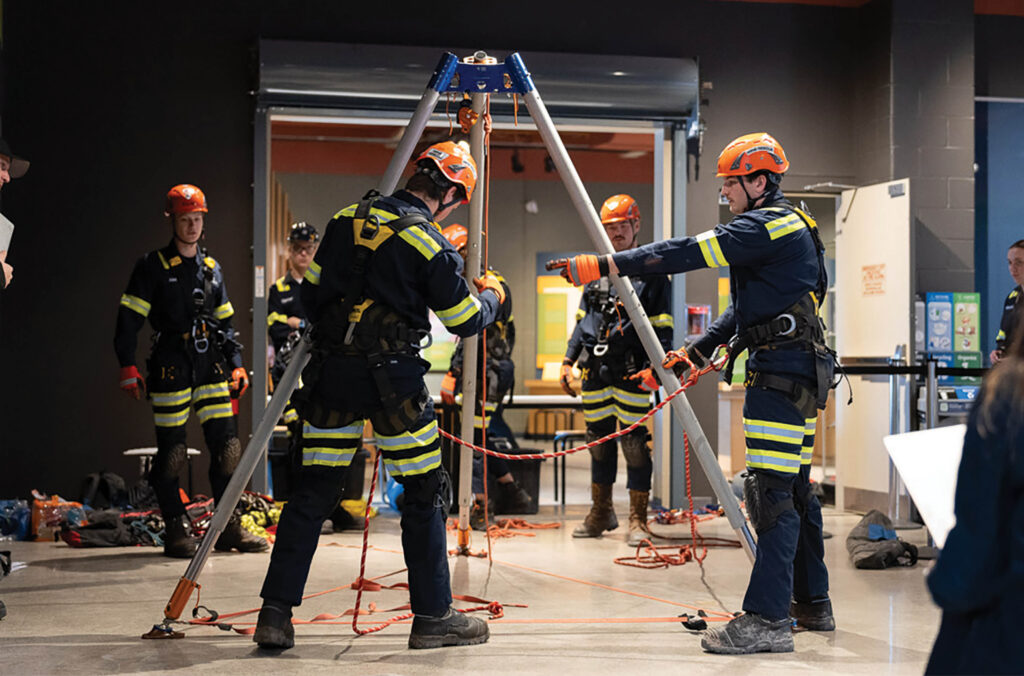
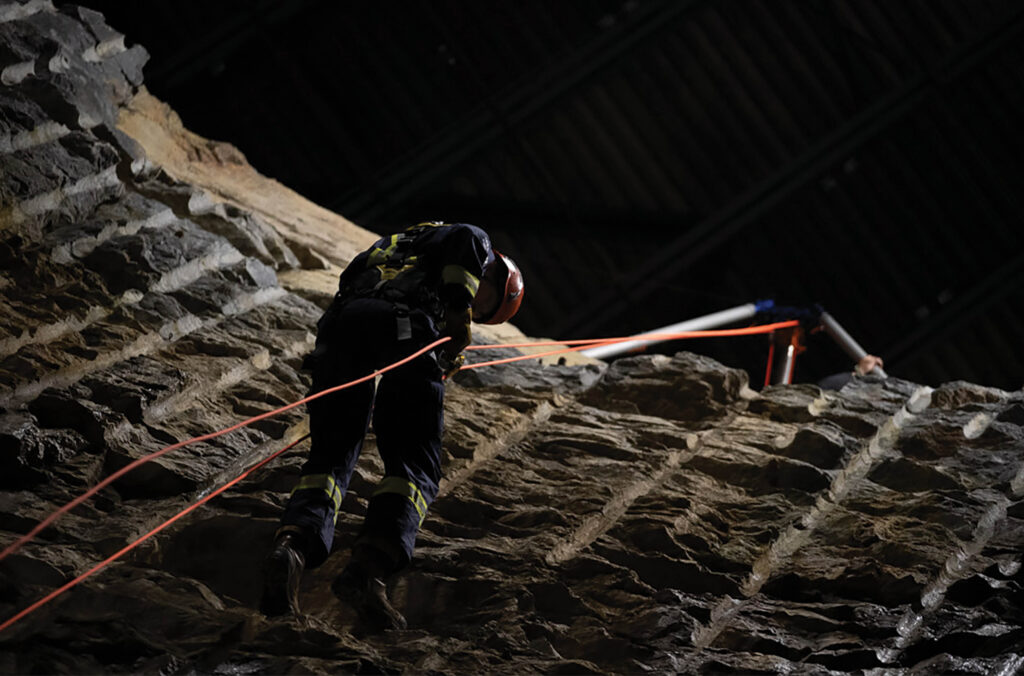
The technical skills challenge provides a platform for students to demonstrate mastery of specific operational competencies. This could include tasks such as operating pumps for dewatering, setting up temporary ventilation systems, or conducting geological surveys under simulated hazardous conditions. These skills are fundamental to the safe and efficient operation of any mine.
Expert Supervision and Real-World Relevance
Throughout the competition, participants were closely supervised by seasoned industry experts and experienced mine rescue professionals. These mentors provided invaluable real-time feedback, ensuring that the students’ actions adhered to best practices and safety standards. This direct oversight is critical for reinforcing learning and for identifying areas where further development might be needed. The scenarios themselves were meticulously crafted to reflect the types of emergencies that can occur in operational mines, making the competition a highly relevant training experience. This focus on realism ensures that the skills honed during IMERC are directly transferable to future professional roles.
The Significance of IMERC for the Mining Industry
The Intercollegiate Mine Emergency Response Competition plays a pivotal role in shaping the future of mine safety. By providing a realistic and challenging environment for students, IMERC cultivates a generation of mining professionals who are not only technically skilled but also deeply committed to safety protocols. The mining industry, by its very nature, carries inherent risks, and the ability to respond swiftly and effectively to emergencies can be the difference between a minor incident and a major disaster.
Data and Statistics: The Imperative for Preparedness
While specific accident rates vary by region and commodity, the mining sector globally faces ongoing challenges related to safety. For instance, statistics from the U.S. Mine Safety and Health Administration (MSHA) consistently highlight the importance of emergency preparedness. In 2022, for example, while the number of mining-related fatalities remained relatively low, the potential for catastrophic events, such as underground collapses or gas ignitions, necessitates continuous training and readiness. Events like IMERC directly contribute to reducing the likelihood and impact of such incidents by fostering a proactive safety mindset among future industry leaders. The competition instills a culture where safety is not an afterthought but a core operational principle.
Fostering Collaboration and Innovation
Beyond the individual skill development, IMERC serves as a valuable platform for inter-university collaboration and knowledge exchange. Teams from different institutions, often with diverse approaches and training methodologies, have the opportunity to learn from one another. This cross-pollination of ideas can lead to innovative solutions and improved safety practices across the broader mining community. The shared experience of facing challenging scenarios also builds camaraderie and a sense of professional solidarity among the students.
Laurentian University Mine Rescue: A Triumphant Performance
This year’s competition culminated in a decisive victory for the Laurentian University Mine Rescue team. Their performance demonstrated exceptional teamwork, technical proficiency, and a deep understanding of emergency response protocols. The win is a testament to the rigorous training programs at Laurentian University and the dedication of its students. As the host institution, Laurentian’s success also highlights the quality of its facilities and its commitment to advancing mine safety education.
The victory of the Laurentian University team underscores the importance of local expertise and the value of hosting such events in regions with a strong mining heritage. Sudbury, with its deep history in mineral extraction, provides a unique and authentic backdrop for the competition, allowing participants to connect with the industry’s past, present, and future.
Broader Implications for Sudbury and the Mining Sector
The hosting of IMERC in Sudbury not only benefits the participating students but also reinforces the city’s position as a global leader in mining innovation and safety. The event brings together students, academics, industry professionals, and the public, fostering dialogue and raising awareness about the critical importance of mine safety. The presence of Dynamic Earth as a venue further enhances the educational and experiential aspects of the competition, offering a glimpse into the challenging conditions faced by miners.
The success of IMERC has several broader implications for the mining sector. Firstly, it ensures a pipeline of well-trained and safety-conscious graduates entering the workforce. This is crucial for maintaining and improving safety standards in an industry that is constantly evolving. Secondly, it promotes a culture of continuous learning and improvement in emergency preparedness. By simulating realistic scenarios, the competition helps identify potential gaps in training and highlights areas where new technologies or methodologies could be beneficial.
Finally, events like IMERC foster a stronger connection between academic institutions and the mining industry. This collaboration is essential for developing relevant curricula, conducting cutting-edge research, and ensuring that the industry has access to the talent it needs to thrive responsibly. The skills and experiences gained at IMERC are invaluable, preparing students not just for careers in mining, but for leadership roles in ensuring the safety and sustainability of the industry. The commitment shown by the participating universities and the mining community in supporting such initiatives is a clear indicator of the sector’s dedication to prioritizing the well-being of its workforce and the communities it operates within.