



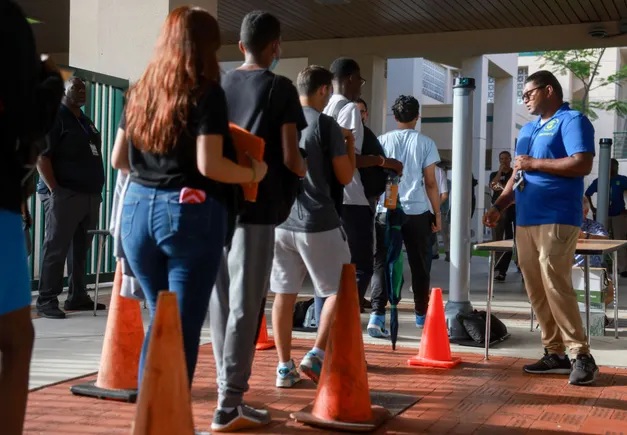
The escalating challenges of insufficient staffing and inadequate physical security in K-12 educational facilities are creating significant vulnerabilities, a situation that a prominent technology company claims can be effectively addressed through innovative software solutions. However, a leading school policy organization counters this perspective, asserting that an excessive focus on security measures, particularly technological ones, can be misguided and carries its own set of detrimental consequences for the school community. This dichotomy in approach highlights a critical debate shaping the future of school safety in the United States.
The Growing Security Landscape: A Report’s Findings
A recent report released by Singlewire, a company specializing in school security software, underscores the pervasive nature of these issues. According to the "Safety Operational Readiness Report: K-12," staffing shortages have emerged as the most frequently cited security challenge for schools across the nation. This concern has seen a dramatic increase, with the percentage of schools reporting insufficient security staff jumping from 30% in the previous year to a concerning 46% in the current assessment. The survey, which polled 500 full-time school staff members throughout the U.S., paints a stark picture of resource strain.
Beyond staffing, school officials also identified access control as a significant area of concern. The report reveals that nearly a third of respondents indicated an inability to limit access to a single point of entry, a lack of clear entry procedures, or a complete absence of methods for verifying the identities of visitors. These shortcomings create potential breaches in security, leaving schools vulnerable to unauthorized individuals and undetected threats.
In response to these identified vulnerabilities, Singlewire offers a suite of software solutions designed to streamline school operations and enhance safety. Their product offerings include systems for visitor management and student dismissal, digital hall passes, advanced security communication platforms, and tools for managing safety drills. The company argues that reliance on outdated, analog processes for tasks such as issuing hall passes and managing student dismissals results in a "concerning" lack of real-time visibility into student movements. This opacity, coupled with inconsistencies in emergency preparedness among administrators and teachers, highlights, in Singlewire’s view, an urgent need for more accessible and reliable methods to request assistance during critical incidents.
"These findings suggest that current reactive measures are insufficient and hindering schools’ abilities to identify issues and respond quickly," stated a representative from Singlewire in an accompanying press release. "To address these vulnerabilities, schools must transition toward integrated digital ecosystems that enhance both safety and efficiency. Implementing digital visitor management systems and digital hall passes can automate identity verification and provide centralized tracking of student locations." The company advocates for a proactive, technology-driven approach to fortify school environments and improve response times.
The "Hardening" Trend: A Costly and Questionable Investment
While technology companies like Singlewire propose software-driven solutions, a contrasting perspective is offered by the nonprofit Learning Policy Institute (LPI). According to LPI, there has been a significant and growing trend among schools to invest heavily in physical security infrastructure and technological solutions, a practice often referred to as "hardening" school facilities. This trend has transformed school safety into a substantial industry, with estimates suggesting that schools are now spending approximately $4 billion annually on these physical security measures.
However, Jennifer DePaoli, a senior researcher at the Learning Policy Institute, has expressed strong reservations about the efficacy of these investments. In a blog post published by LPI, DePaoli argued that "evidence that these investments work is thin." She pointed to a lack of empirical data demonstrating that increased physical security measures directly translate to improved safety for students and staff.
Furthermore, DePaoli highlighted a more troubling consequence: the potential for these intensified security measures to cause greater harm. "Districts can invest in technologies that monitor and sometimes criminalize students, but these measures often come with significant psychological costs for the school community," she stated. The constant presence of surveillance, metal detectors, and other security tools can create an environment that feels more like a correctional facility than a place of learning, potentially impacting students’ mental well-being and their sense of security.
The intensity of these heightened security measures can be difficult for students to process. DePaoli cited examples such as visitor management systems, advanced weapons scanners, the consideration of drones for security surveillance, and software that continuously monitors student activity on school-issued devices. These technologies, while ostensibly designed for safety, can contribute to an atmosphere of distrust and anxiety.
"It is critical that leaders understand the potential harms these tools can pose to school communities," DePaoli emphasized. "Several [of these technologies] have already led to damaging outcomes for students, including suspensions, expulsions, arrests, and wrongful police confrontations." She provided a specific, albeit anonymized, example of a school in Florida that reportedly shut down operations after a surveillance system mistakenly identified a clarinet as a suspected weapon, leading to significant disruption and fear.
Concerns have also been raised about the repurposing of school surveillance technology. DePaoli pointed to instances where license plate data collected by school district security cameras has been shared with federal immigration enforcement agencies. This practice raises serious questions about whether technology purchased for student safety is being utilized in ways that could target students and their families, potentially creating a climate of fear and discouraging parental engagement.
Rethinking School Safety: A Focus on Psychological Well-being
In light of these concerns, the Learning Policy Institute advocates for a more holistic approach to school safety, one that prioritizes not only physical security but also the psychological sense of safety within the school community. DePaoli’s research suggests that effective safety plans should be grounded in the development of environments where students feel a strong sense of belonging. This involves fostering positive relationships between students and staff, creating supportive learning environments, and ensuring that school climates are conducive to emotional well-being.
"Districts should make informed investments in school security while maintaining a focus on the relationships, supports, and school climates that research consistently shows keep students safe," DePaoli concluded. This perspective shifts the emphasis from solely technological fixes and physical barriers to addressing the underlying factors that contribute to a secure and nurturing educational setting. The implication is that investing in mental health support, restorative justice practices, and robust student-teacher relationships may prove to be more effective in the long run than an arms race of security technology.
The Ongoing Debate and Future Implications
The contrasting viewpoints presented by Singlewire and the Learning Policy Institute highlight a critical juncture in the discourse surrounding school safety. While the need to protect students from potential threats is undeniable, the means by which this protection is achieved are subject to intense debate.
Singlewire’s emphasis on technological integration offers a vision of a more efficient and responsive school security system, capable of addressing immediate operational challenges like visitor management and real-time tracking. Their solutions aim to bring a level of digital sophistication to school safety protocols that have historically lagged behind other sectors. The data from their report indicates a clear demand from school officials for such tools, driven by palpable anxieties about existing security gaps.
Conversely, the Learning Policy Institute raises a red flag about the potential unintended consequences of an overreliance on what they term "hardening" measures. Their concerns resonate with a growing body of research suggesting that environments characterized by pervasive surveillance and control can negatively impact student development, academic performance, and overall school climate. The financial implications are also significant, with billions of dollars being allocated to security measures that may not yield demonstrable improvements in safety.
The future of school safety likely lies in finding a balanced approach that integrates effective technological solutions with a deep understanding of the psychological and social dynamics of a school community. This requires careful consideration of which technologies are truly necessary and evidence-based, and how they can be implemented in a way that complements, rather than undermines, efforts to foster a positive and inclusive school environment. The ongoing dialogue between technology providers, policy organizations, educators, and parents will be crucial in navigating this complex landscape and ensuring that the pursuit of safety does not inadvertently compromise the core mission of education: to nurture well-rounded, resilient, and engaged individuals. The challenge is to build schools that are not only physically secure but also emotionally supportive and conducive to learning.