


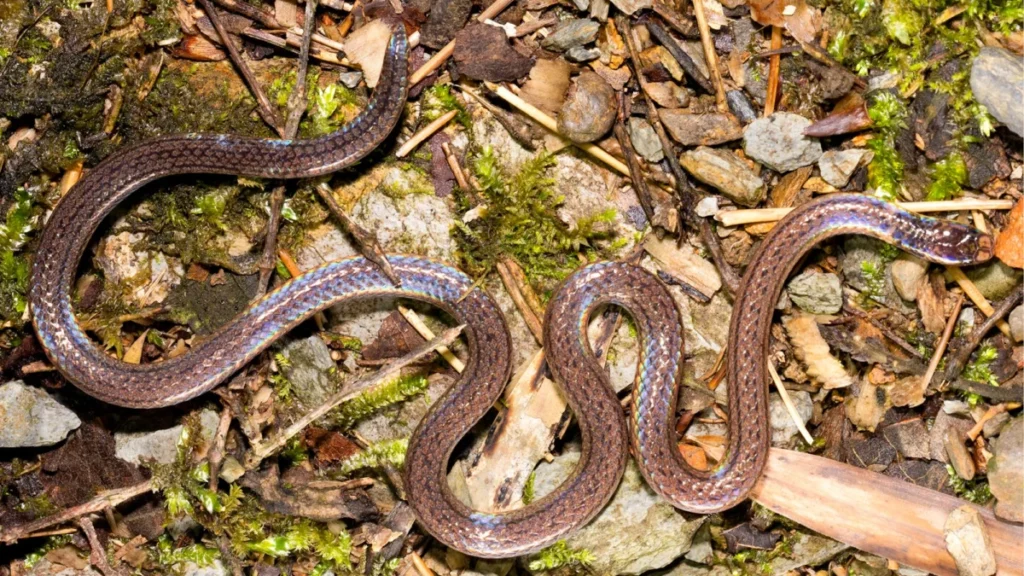
The recent discovery of the Guangxi reed snake, scientifically classified as Calamaria incredibilis, has provided researchers with a profound look into the complex evolutionary adaptations of small, non-venomous reptiles. Identified by a team of biologists from the Natural History Museum of Guangxi, this new species, found within the dense undergrowth of the Huaping National Nature Reserve, utilizes a remarkable form of defensive mimicry. While the majority of the world’s nearly 4,000 snake species rely on speed, camouflage, or potent venom for survival, the Guangxi reed snake employs a morphological bluff, using its tail to impersonate a second head. This behavior, designed to disorient and deter predators, highlights the hidden biological diversity residing in the border regions of southern China and Vietnam.
Morphological Characteristics and Identification
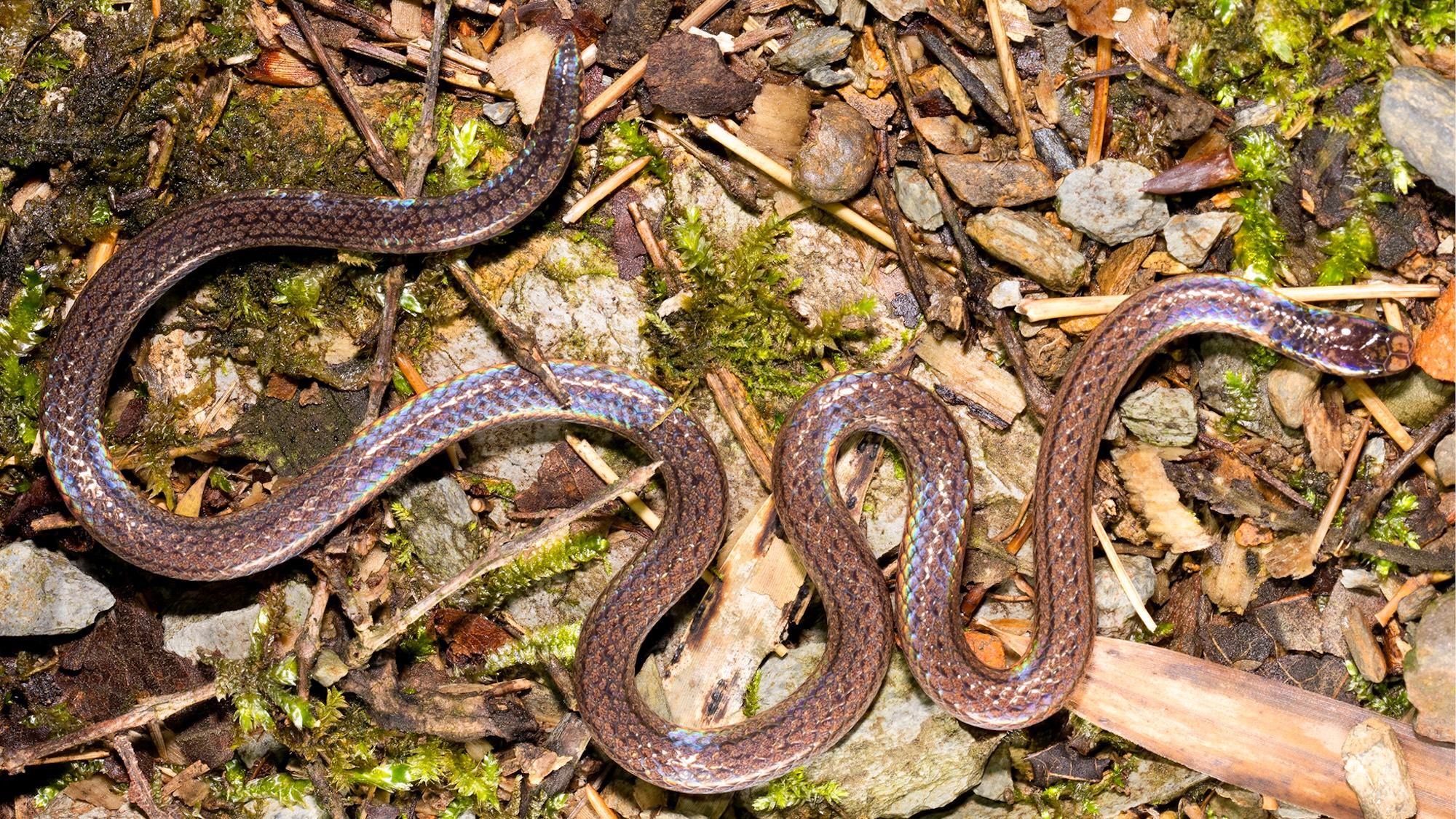
The Guangxi reed snake is a diminutive reptile, measuring approximately eight inches (20 centimeters) in length. Its physical appearance is characterized by smooth, iridescent brown scales that provide effective camouflage against the damp leaf litter and soil of its forest habitat. A defining feature of the species is the presence of seven distinct dark longitudinal stripes running the length of its body, a trait that helped researchers distinguish it from other members of the Calamaria genus.
Unlike many of its more aggressive relatives, C. incredibilis is a docile, nocturnal creature. Its diet consists primarily of soft-bodied invertebrates, such as earthworms and various insect larvae found beneath rocks and fallen logs. Because it lacks venom and significant size, the snake is highly vulnerable to avian predators, larger reptiles, and small mammals. This vulnerability has necessitated the development of its unique "two-headed" defensive posture.
The Evolutionary Strategy of Tail Mimicry
The most striking aspect of the Guangxi reed snake is its use of batesian mimicry or defensive display. When the snake perceives a threat, it does not immediately flee. Instead, it elevates its wide, stubby tail and waves it in a rhythmic motion that mimics the movement of a head. This illusion is enhanced by the tail’s markings, which closely resemble the facial patterns and scale arrangements found on the snake’s actual head.
In the wild, this behavior serves a dual purpose. First, it creates a "head-tails" confusion for the predator. Most predators are programmed to strike at the head of their prey to ensure a quick kill and minimize the chance of retaliation. By presenting the tail as a head, the snake diverts the initial strike toward a less vital part of its anatomy. Second, the sudden appearance of what looks like a second head can startle a predator long enough for the snake to retreat into the safety of the substrate. This type of adaptation is a testament to the specialized evolutionary pressures found in the subtropical forests of Guangxi, where survival often depends on deception rather than force.
Chronology of the Discovery
The identification of C. incredibilis was the result of a multi-year biodiversity assessment aimed at cataloging the micro-fauna of the Huaping National Nature Reserve. The timeline of the discovery and subsequent classification is as follows:
- Initial Survey Phase (2024-2025): Biologists conducted a series of nocturnal field surveys in the mountainous regions of Guangxi. During these excursions, several specimens of an unidentified reed snake were collected from the forest floor.
- Morphological Analysis: Researchers at the Natural History Museum of Guangxi began a detailed comparison of the collected specimens against known species in the Calamaria genus. They noted the unique stripe count and the specific bluntness of the tail.
- Genetic Sequencing: To confirm the discovery, the team performed molecular analysis. The DNA results indicated a significant genetic divergence from known reed snakes in China and Vietnam, confirming that the specimens represented a previously unknown species.
- Formal Publication (Early 2026): The findings were officially peer-reviewed and published in the journal Zoosystematics and Evolution. The authors chose the name incredibilis (Latin for "incredible") to reflect the surprising nature of its defensive display.
Regional Context and Biological Significance
The discovery of the Guangxi reed snake occurs within a broader context of intense herpetological activity in Southeast Asia. The year 2026 has been particularly productive for researchers in the region. Earlier this year, separate teams in Cambodia identified a vibrant turquoise pit viper and a specialized "flying" snake within isolated cave systems. These findings, alongside the discovery of new gecko and millipede species, suggest that the Indo-Burma biodiversity hotspot remains one of the most under-explored and biologically rich areas on Earth.
Guangxi, located near the southern border of China, serves as a critical transition zone between different ecological realms. The Huaping National Nature Reserve, where the reed snake was found, is characterized by its rugged karst topography and ancient forest remnants. These environments act as "evolutionary laboratories" where isolated populations can develop unique traits over millennia.
Supporting Data on Snake Diversity
To understand the significance of C. incredibilis, it is helpful to look at the broader statistics regarding global snake populations:
- Total Species: Approximately 3,900 to 4,000 recognized species worldwide.
- Venomous Species: Roughly 600 species (approximately 15%) possess venom capable of incapacitating prey or harming humans.
- The Genus Calamaria: This genus currently contains over 60 species, most of which are found in Southeast Asia. They are colloquially known as "reed snakes" due to their slender, cylindrical bodies.
- Conservation Status: While the Guangxi reed snake has just been discovered, many of its relatives are considered "Data Deficient" or "Threatened" due to habitat loss and the expansion of agricultural land.
Official Responses and Scientific Implications
The authors of the study emphasized that the discovery of the Guangxi reed snake "highlights the underestimated diversity" within the Calamaria family. In a statement following the publication, lead researchers noted that while large, charismatic megafauna often receive the bulk of conservation funding, small reptiles like the reed snake are essential indicators of ecosystem health.
"The presence of a specialized species like Calamaria incredibilis tells us that the leaf-litter ecosystem in Huaping is intact and functioning," one researcher stated. "These snakes play a vital role in controlling invertebrate populations and serving as a food source for higher-order predators. Protecting their habitat is not just about one snake; it is about preserving the entire biological web of the region."
The Natural History Museum of Guangxi has called for increased protections for the Huaping National Nature Reserve, citing the high likelihood that other unknown species reside within its borders. They argue that the "two-headed" snake is a prime example of why taxonomic research is crucial for modern conservation efforts.
Broader Impact and Future Research
The discovery of the Guangxi reed snake is expected to trigger further studies into the defensive behaviors of fossorial (burrowing) reptiles. Scientists are particularly interested in how the snake’s brain coordinates the movement of its tail to mimic the "searching" motion of a head. This involves complex neuromuscular pathways that are not yet fully understood in such small organisms.
Furthermore, the discovery underscores the importance of cross-border scientific collaboration. Because many of these species inhabit the dense forests spanning the China-Vietnam border, joint conservation initiatives are necessary to ensure their survival. The Guangxi reed snake serves as a reminder that even in the 21st century, the natural world holds secrets that challenge our understanding of biology and evolution.
As urban expansion and climate change continue to pressure wild habitats, the documentation of species like C. incredibilis becomes a race against time. For now, the "incredible" two-headed snake of Guangxi remains a symbol of the resilience and ingenuity of nature, thriving in the shadows of the forest floor through a clever blend of anatomy and artifice.