


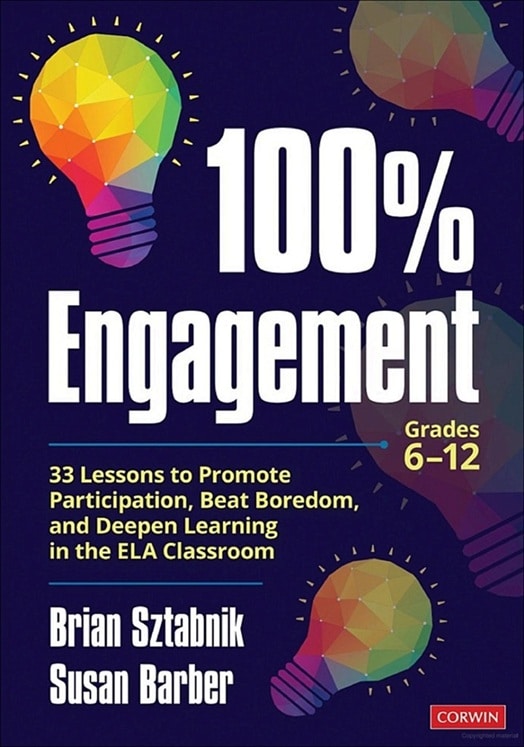
The landscape of modern education, particularly within English Language Arts (ELA) classrooms, is undergoing a significant re-evaluation as educators grapple with persistent challenges in student engagement. At the heart of academic endeavor across all disciplines, reading and interacting with texts – be they novels, poems, articles, or textbooks – form the foundational pillars of knowledge acquisition. Yet, for many students, this essential process can often devolve into a dry, uninspiring routine, leading to disinterest and hindering deeper learning. Addressing this critical issue, veteran high school English teachers Brian Sztabnik and Susan Barber have channeled their decade-long experience and extensive professional collaboration into a new resource designed to revitalize text-based instruction. Their recently published book, 100% Engagement: 33 Lessons to Promote Participation, Beat Boredom, and Deepen Learning in the ELA Classroom, offers a comprehensive toolkit of practical, low-tech strategies aimed at transforming passive readers into active, enthusiastic learners. The insights from their work, including a discussion of three key strategies, were recently highlighted in an interview on the popular educational platform, Cult of Pedagogy.
The Persistent Challenge of Text Engagement in Modern Classrooms
For centuries, the written word has served as the primary conduit for transmitting knowledge and fostering critical thought. In ELA classes, literature remains an indispensable component of the curriculum, shaping students’ understanding of culture, history, and the human condition. However, contemporary classrooms face unique pressures that can make sustained engagement with complex texts particularly difficult. The ubiquity of digital media, with its instant gratification and short-form content, often competes fiercely with the sustained focus required for in-depth textual analysis. Studies consistently indicate a trend of declining reading enjoyment among adolescents, with national assessments revealing stagnant or declining reading proficiency scores in various age groups. For instance, data from the National Assessment of Educational Progress (NAEP) frequently points to a significant percentage of high school students performing below proficiency levels in reading comprehension, suggesting a disconnect between instructional methods and student needs.

Educators like Sztabnik and Barber have observed firsthand that while texts are central to learning, the methods of engaging with them can often fall short. Traditional approaches, heavily reliant on individual silent reading followed by rote comprehension questions or lengthy analytical essays, can fail to ignite curiosity or foster a sense of purpose. This can result in students merely "going through the motions," completing assignments without internalizing content or developing genuine analytical skills. The problem extends beyond ELA, affecting history, social studies, and even science classes where complex scientific articles or historical documents are integral to understanding. The common thread is a struggle to make textual interaction dynamic, relevant, and personally meaningful for students.
The Genesis of "100% Engagement": A Decade of Collaborative Innovation
Sztabnik and Barber’s journey to authoring 100% Engagement is rooted in a decade of active participation and leadership within the online educational community. Recognizing the isolation often felt by teachers and the universal nature of classroom challenges, they established a vibrant professional learning network. Their blog, "Much Ado About Teaching," became a hub for sharing pedagogical insights, practical tips, and reflective pieces on the craft of teaching. Concurrently, they cultivated a robust community through social media chats, fostering an environment where ELA teachers could openly discuss struggles, exchange ideas, and collaboratively seek solutions. This sustained engagement with their peers provided invaluable qualitative data, revealing a consistent and pressing need among ELA teachers: effective strategies to combat student apathy towards texts.
Over these ten years, Sztabnik and Barber meticulously curated and refined a collection of teaching strategies that consistently yielded positive results in their own classrooms and those of their networked colleagues. They understood that mere "activity" was not enough; the strategies had to genuinely promote participation, alleviate boredom, and, most importantly, deepen learning. The culmination of this extensive work is 100% Engagement, a practical guide designed to equip teachers with ready-to-implement lessons that transform the learning experience. The book’s focus on low-tech, active, and often kinesthetic approaches is a deliberate response to both the constraints of limited resources in many schools and the need to break away from screen-centric learning.
Spotlight on Key Engagement Strategies
During their interview on Cult of Pedagogy, Sztabnik and Barber elaborated on three particularly effective strategies from their book, each demonstrating how simple, hands-on activities can dramatically increase student interaction and analytical depth.
1. Cutting Up Poems: Reconstructing Meaning Through Deconstruction
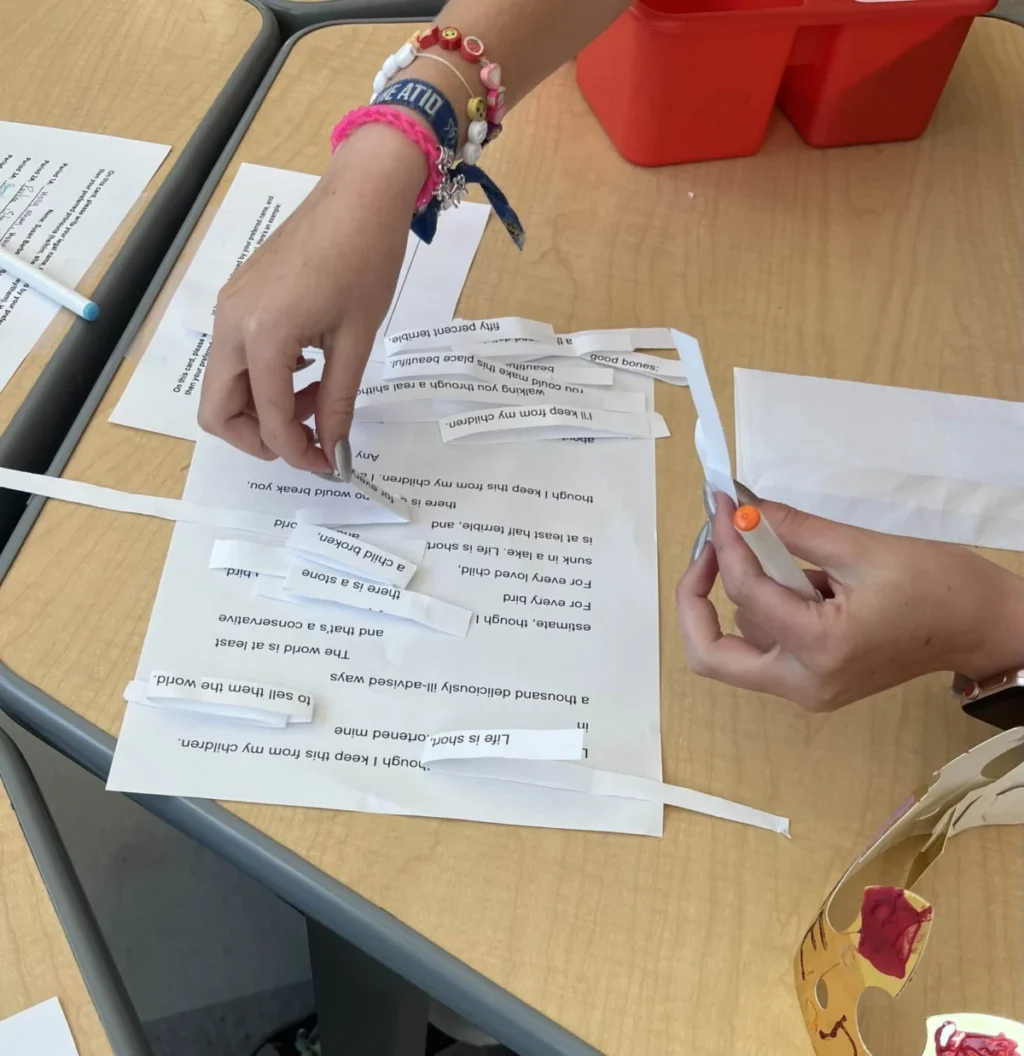
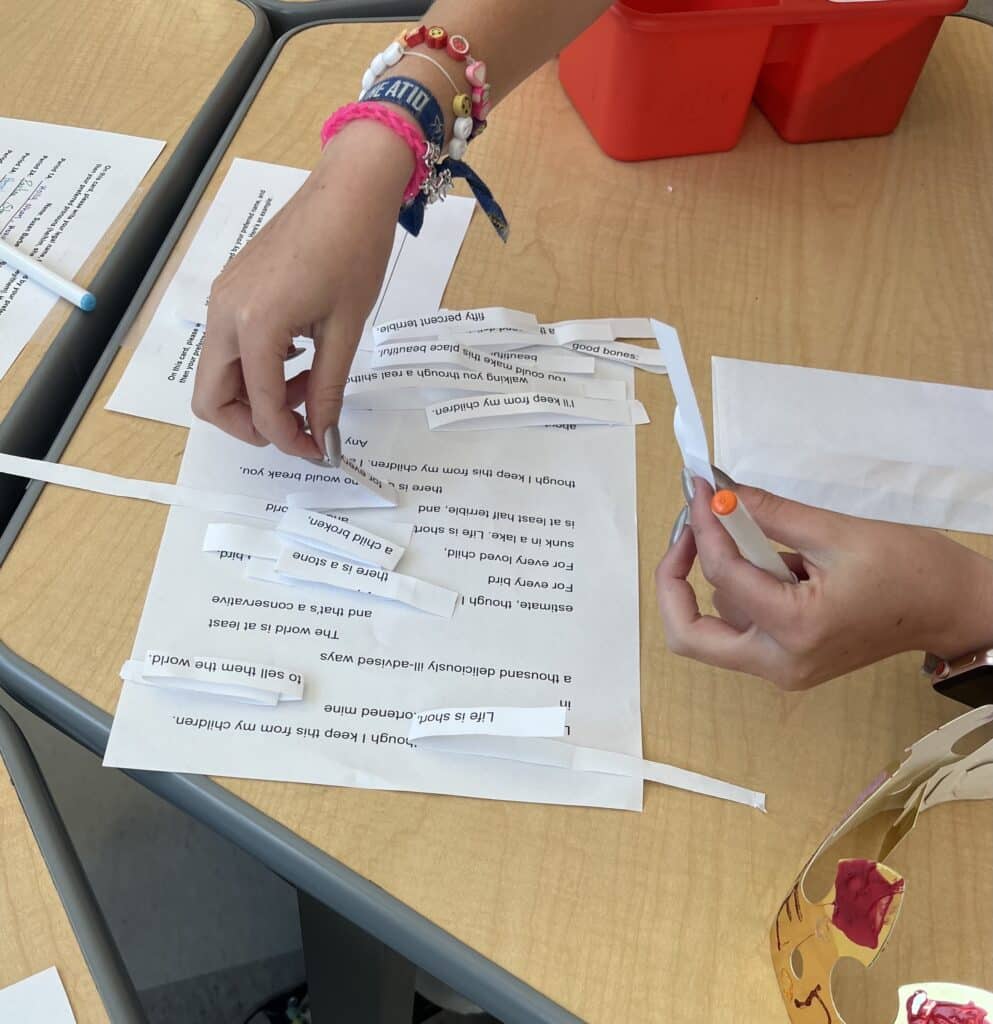
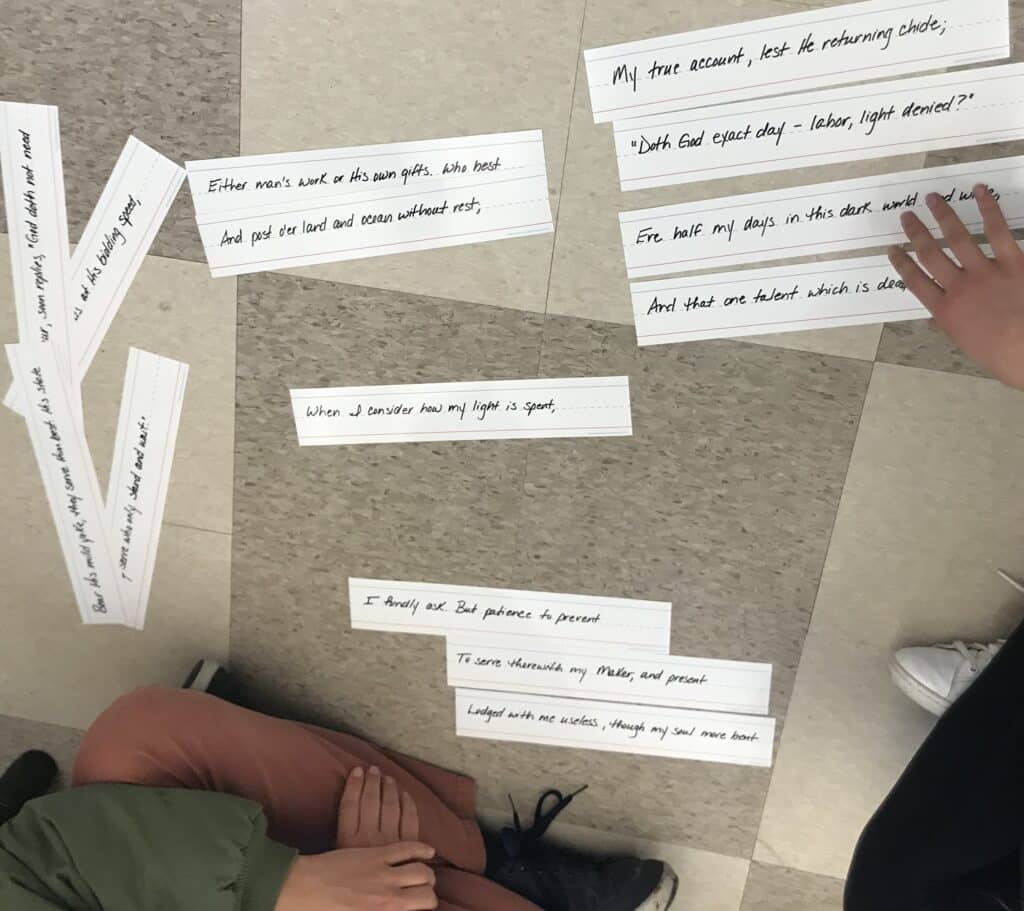
This innovative strategy challenges students to engage with poetry not as a static, intimidating text, but as a puzzle to be solved and understood from its constituent parts. The process involves taking a poem, printing it, and then cutting it into individual words, phrases, or lines. Students are then tasked with reconstructing the poem to the best of their ability, often working in pairs or small groups. Once their version is assembled, they annotate it, explaining their choices and interpretations, before finally comparing it to the original text.
Barber describes this as a "teacher trick" that effectively bypasses the initial resistance many students have to traditional close reading. Instead of simply being told to "do a close reading," students are compelled by the physical act of reconstruction to scrutinize every element of the poem. "They’re having to consider, Does this make sense if it goes here? Well, this is a capital letter, so it may not go in the middle of those sentences, or this is a comma here, that may not fit right there," Barber explains. This granular attention to punctuation, capitalization, syntax, and semantics forces students into an inherently analytical mode. The discussions that naturally arise as students debate the placement of each strip are rich with inferential reasoning and textual evidence, laying a strong foundation for deeper understanding. It transforms a potentially passive reading exercise into an active, collaborative investigation, making the "why" behind textual structure immediately apparent. This strategy can be readily adapted to prose passages, historical documents, or even scientific explanations, where understanding the precise sequencing of ideas or arguments is crucial.
2. Inferential Timeline: Mapping Narrative and Uncovering Significance
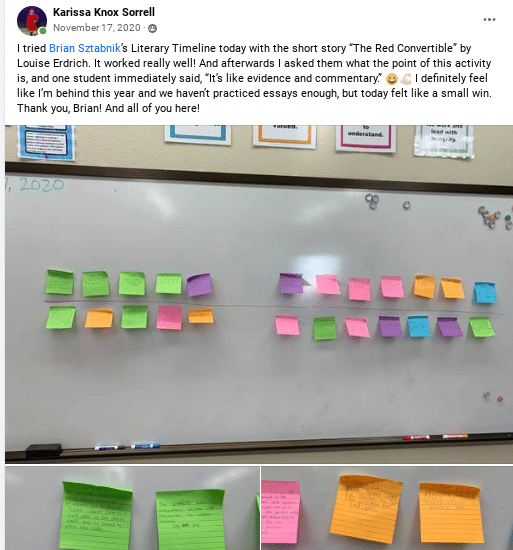
Designed primarily for longer narrative texts like novels, the Inferential Timeline strategy provides a dynamic, collaborative way for students to track plot development and, more importantly, to infer the significance of key events. The lesson begins by dividing a section of a novel among students, assigning each student a few pages. Each student then receives an index card or post-it note. On this card, they must identify the single most important event or development from their assigned pages and include a direct quote that illustrates it. These cards form the top tier of a classroom-wide timeline, physically arranged in chronological order.
Sztabnik emphasizes that this initial step is about "decision-making and cutting out the extraneous details and just focusing on what’s really important." Students learn to summarize effectively, identifying crucial elements like character development, escalating conflict, or the emergence of symbolism. The physical placement of their card on a shared timeline gives them a sense of ownership and contribution to the collective understanding of the narrative arc.
The second tier of the timeline introduces the "inferential" aspect. Once the top row is complete, students select a classmate’s card and, beneath it, add their own card explaining why that particular event is significant within the broader context of the chapters. This step moves beyond mere plot summary into higher-order thinking. "It’s collaborative mentally: They have to look at their classmate’s card, determine what happened, and make an inference about why that event was so important in the grand scheme of those chapters," Sztabnik elaborates. The activity culminates in a "gallery walk," where students move along the complete two-tiered timeline, taking notes on the inferences made by their peers. This fosters a shared understanding of the text’s deeper meanings, encourages peer learning, and models the process of drawing conclusions from textual evidence, a critical skill for academic success.
3. Text Rendering: Precision in Analysis from Broad to Specific
Text Rendering is a powerful strategy aimed at honing students’ ability to extract precise meaning and identify textual evidence, addressing a common challenge Barber observed in her classroom: students struggling to narrow their focus when making meaning. "They talk in these really big, general ideas, and I would be like, Where did this come from? And they’re like, You know, it’s just there," she recounts. This strategy forces students to connect their broad interpretations to specific textual anchors.
The process begins with a given passage of text. Students are first tasked with identifying the single most important sentence or line within that passage. From that chosen sentence, they then select the most crucial phrase or clause. Finally, from that phrase, they pinpoint the single most important word. This systematic narrowing from a larger unit (sentence) to a smaller one (word) compels deep analytical thought.
After making their selections, students defend their choices to their classmates, articulating the rationale behind each step. This defense mechanism is crucial, as it forces them to articulate why a particular word, phrase, or sentence holds the most weight in conveying the passage’s central meaning. Following individual defense, small groups work collaboratively to synthesize their findings and draw broader conclusions about the passage, grounded in the specific textual elements they identified. This rigorous exercise directly combats vague interpretations, training students to ground their analyses in concrete evidence and to appreciate the precise impact of authorial choices at the word and phrase level. It is an invaluable tool for developing sophisticated close reading skills and preparing students for more advanced literary analysis.
Broader Impact and Implications for Modern Education
The strategies championed by Sztabnik and Barber carry significant implications for the broader educational landscape. In an era increasingly dominated by digital learning tools, these low-tech, hands-on approaches offer a refreshing counter-balance. They emphasize kinesthetic learning, peer interaction, and critical thinking that extends beyond passive consumption of information on a screen. This is particularly relevant given concerns about the impact of excessive screen time on cognitive development and attention spans. By getting students out of their seats, manipulating physical materials, and engaging in face-to-face discussions, these strategies foster a more dynamic and embodied learning experience.
Moreover, while conceived within the ELA context, the principles underpinning these strategies are highly adaptable across disciplines. The "Cutting Up Poems" method could be used with historical documents or scientific explanations to analyze the structure of arguments or processes. The "Inferential Timeline" is a natural fit for history classes to map events and their causes/effects, or in science to track experimental procedures or biological processes. "Text Rendering" can sharpen the analytical skills needed to dissect complex arguments in philosophy, legal texts, or scientific papers.
From an institutional perspective, the emphasis on practical, ready-to-use lessons makes 100% Engagement a valuable resource for professional development. School districts and department heads seeking to boost student engagement and improve analytical skills can look to these strategies as tangible, implementable solutions that do not require significant financial investment in new technology. The positive feedback from teachers already utilizing these methods suggests a high level of efficacy and teacher satisfaction.
Fostering a Community of Engaged Educators
Recognizing that effective pedagogy thrives in a collaborative environment, Sztabnik and Barber have extended their work beyond the book. They have established a dedicated Facebook group, "100% Engagement," serving as a vibrant online community where educators interested in these practices can connect, share experiences, and learn from one another. This platform allows for ongoing dialogue, troubleshooting, and the collective refinement of strategies, embodying the spirit of continuous professional growth. Their blog, "Much Ado About Teaching," also continues to serve as a resource for ELA teachers seeking inspiration and practical advice. These professional learning networks are critical in empowering teachers, reducing feelings of isolation, and collectively elevating the quality of instruction.
In conclusion, Brian Sztabnik and Susan Barber’s work, encapsulated in 100% Engagement, represents a timely and effective response to the challenge of student disengagement with academic texts. By providing concrete, actionable, and innovative strategies, they are empowering educators to transform their classrooms into dynamic spaces where reading is not just a requirement, but an active, analytical, and genuinely engaging pursuit. Their decade-long commitment to fostering a collaborative teaching community underscores a belief that shared knowledge and practical tools are key to cultivating a new generation of enthusiastic and proficient learners.