


A groundbreaking study published in the Proceedings of the National Academy of Sciences (PNAS) has fundamentally challenged the long-standing "cognitive gap" theory between Neanderthals and modern humans. For decades, the prevailing narrative in paleoanthropology suggested that Neanderthals (Homo neanderthalensis) lacked the intellectual flexibility and technological sophistication to exploit coastal resources, a trait previously thought to be exclusive to early Homo sapiens. However, new evidence from the Los Aviones Cave in Cartagena, Spain, reveals that Neanderthals were not only harvesting shellfish as early as 115,000 years ago but were doing so with a sophisticated understanding of seasonal cycles, food safety, and nutritional optimization.
This discovery places Neanderthal maritime activity tens of thousands of years before the arrival of modern humans in Europe. By analyzing the remains of ancient mollusks, including various species of gastropods and limpets, researchers have reconstructed a portrait of a hominin species that was deeply attuned to its environment. The findings suggest that the ancestors of modern humans were not the only ones to recognize the brain-boosting benefits of marine proteins, such as Omega-3 fatty acids and zinc, which are critical for cognitive development and reproductive health.
The Archaeological Site: Los Aviones Cave
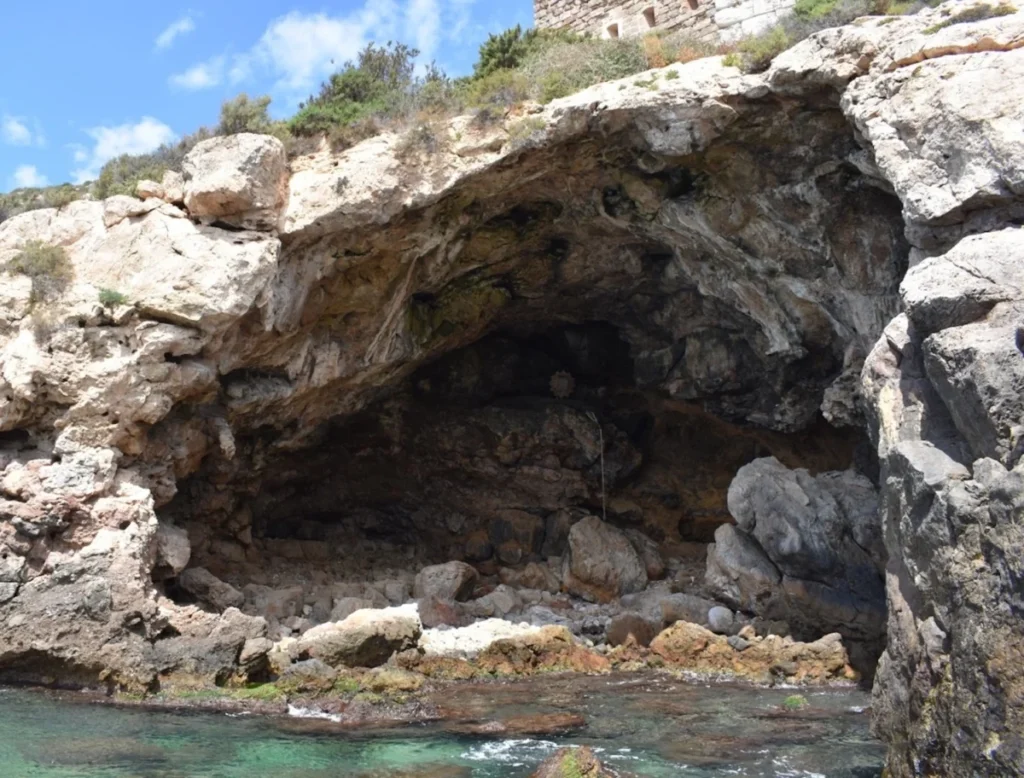
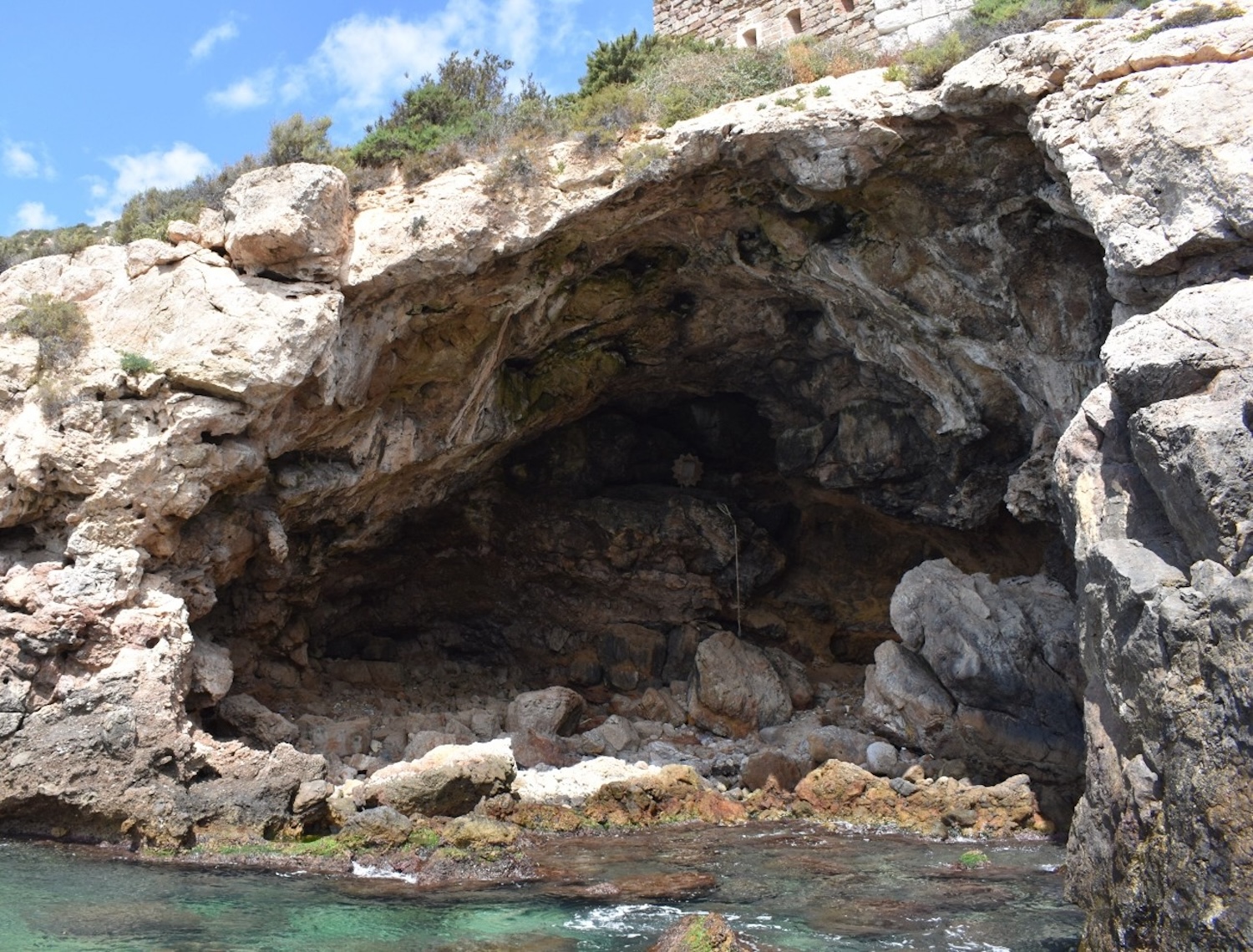
Los Aviones Cave, situated on the Mediterranean coast of present-day Murcia, Spain, has long been a focal point for researchers seeking to understand the behavioral complexity of Neanderthals. The site is notable for its well-preserved stratigraphic layers that date back to the Middle Paleolithic. Previous excavations at the site had already yielded evidence of symbolic behavior, including the discovery of perforated and pigment-stained seashells, which many scientists interpret as early jewelry or ritual objects.
The latest research, led by Asier García-Escárzaga of the Universitat Autònoma de Barcelona’s Institute of Environmental Science and Technology (ICTA-UAB), shifts the focus from symbolic use to subsistence strategies. The team recovered a significant assemblage of mollusk shells that showed clear signs of being harvested for consumption. Unlike shells washed up by the tide, these specimens were collected alive from the intertidal zone, brought back to the cave, and processed for their meat.
Sophisticated Seasonal Harvesting Patterns
The most striking revelation of the study is the evidence of intentional seasonality. Through the use of advanced geochemical analysis, the research team determined that the Neanderthals at Los Aviones did not consume shellfish randomly throughout the year. Instead, there was a pronounced preference for harvesting between November and April—the colder months of the year.
"They consumed marine resources throughout the year, but with a very clear preference for winter and autumn months," explained García-Escárzaga. This timing is significant for several biological and safety reasons. During the winter months, many species of mollusks enter a reproductive cycle that results in higher meat yields and improved caloric density. From a culinary perspective, the flavor and texture of these organisms are also at their peak during these periods.
Perhaps more importantly, the seasonal choice suggests an awareness of the risks associated with "red tides" or harmful algal blooms, which are more frequent in the warmer summer months. These blooms can make shellfish highly toxic to humans and other primates. Furthermore, in an era before refrigeration, the rapid spoiling of seafood in the summer heat would have posed a significant health risk. By focusing their harvesting in the winter, Neanderthals demonstrated a sophisticated understanding of food safety and resource management that mirrors the subsistence strategies of much later human populations.
Methodology: The Prehistoric Thermometer
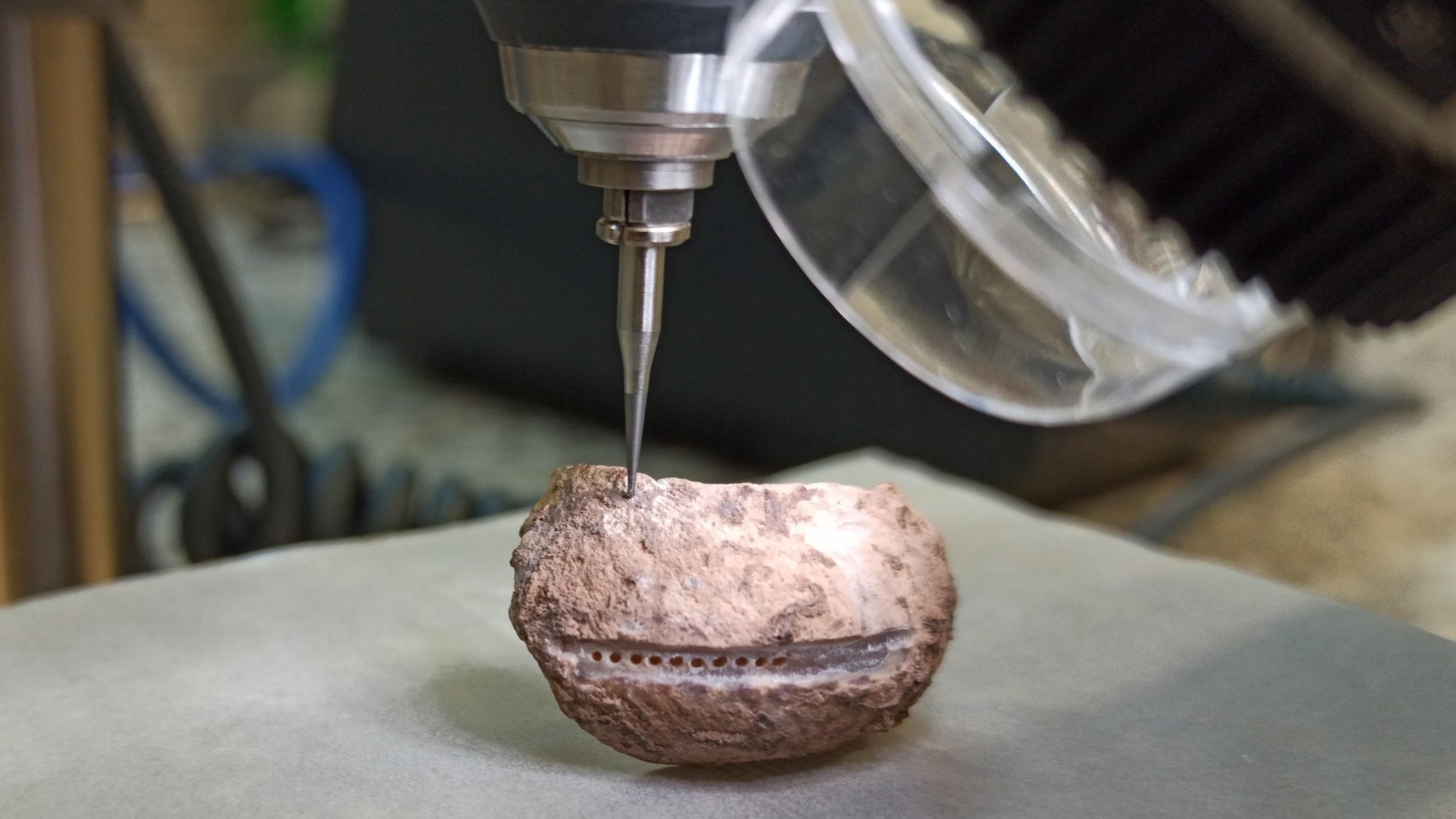
To reach these conclusions, the researchers employed a technique known as oxygen isotope analysis. This method involves drilling tiny samples from the growth rings of the mollusk shells to measure the ratio of oxygen-18 to oxygen-16 isotopes within the calcium carbonate.
The levels of these isotopes fluctuate in a predictable manner based on the temperature of the seawater at the time the shell was formed. Because mollusks grow their shells incrementally—much like the rings of a tree—the edge of the shell (the part formed just before the animal was harvested) acts as a chemical snapshot of the water temperature.
By comparing these isotopic "signatures" with known historical climate data, the scientists were able to function as "prehistoric thermometers," identifying the exact season of death for each specimen. The data consistently pointed to a winter and early spring harvesting schedule, providing empirical proof of a planned, non-accidental subsistence strategy.
A Chronology of Neanderthal Capability
The timeline of Neanderthal discoveries has seen a dramatic shift over the last twenty years. To understand the impact of the Los Aviones discovery, it is necessary to view it within the broader context of recent archaeological milestones:
- 150,000–120,000 Years Ago: Neanderthals established complex social structures across Europe and Western Asia, utilizing fire and sophisticated stone tool kits known as the Mousterian industry.
- 115,000 Years Ago: The Los Aviones evidence shows Neanderthals in Iberia mastering coastal subsistence and potentially symbolic art, using marine resources for both food and decoration.
- 65,000 Years Ago: Evidence from caves in Spain suggests Neanderthals were creating cave paintings, a behavior once thought to be the "Great Leap Forward" exclusive to Homo sapiens.
- 50,000 Years Ago: Discoveries in Germany’s "Unicorn Cave" reveal engraved giant deer phalanges, indicating an appreciation for abstract aesthetics.
- 40,000 Years Ago: Neanderthals began to disappear from the fossil record, roughly coinciding with the expansion of modern humans into Europe, though genetic evidence proves they interbred with H. sapiens.
The Los Aviones findings effectively push back the date for complex marine resource management by nearly 50,000 years, showing that Neanderthals were engaging in "modern" behaviors long before the Middle-to-Upper Paleolithic transition.
Nutritional Science and Cognitive Evolution
The inclusion of shellfish in the Neanderthal diet is more than just a matter of culinary variety; it has profound implications for the evolution of the hominin brain. Marine resources are uniquely rich in docosahexaenoic acid (DHA), an Omega-3 fatty acid that is a primary structural component of the human brain, cerebral cortex, and retina. They are also high in iodine and zinc.
Paleoanthropologists have long argued that the move to coastal environments and the subsequent consumption of seafood was a primary driver for the "encephalization" (brain growth) seen in early modern humans in Africa. The discovery that Neanderthals were also tapping into these "brain foods" suggests that their cognitive trajectory may have been very similar to our own.
"What we see at Los Aviones is a fully modern subsistence strategy," the researchers noted. If Neanderthals were consuming high-quality proteins that aid in brain development and reproductive health, it further narrows the perceived gap between the two species. It suggests that the eventual extinction of the Neanderthals was likely not due to a lack of intelligence or an inability to feed themselves, but rather a complex combination of climate shifts, smaller population densities, and perhaps competitive pressure from the sheer number of migrating H. sapiens.
Reactions from the Scientific Community
The study has been met with significant interest from the broader archaeological community. While some skeptics in the past argued that shell deposits in Neanderthal sites were the result of animal scavengers or natural flooding, the precision of the isotopic data at Los Aviones makes such dismissals difficult to maintain.
Dr. João Zilhão, a co-author of the study and a prominent researcher in Neanderthal behavior, has long argued that the differences between Neanderthals and early modern humans have been exaggerated. This latest data provides the empirical foundation for that argument. Independent experts suggest that this study should prompt a re-examination of other coastal Neanderthal sites across the Mediterranean and Atlantic coasts, where similar evidence may have been overlooked or misinterpreted.
The consensus is shifting toward a "multiregional" view of behavioral modernity, where complex traits like seasonal planning and maritime exploitation emerged in different hominin lineages simultaneously, rather than being a single "lightbulb moment" for Homo sapiens alone.
Broader Impact and Future Research
The implications of this study extend beyond the field of archaeology. It challenges the fundamental way we define "humanity" and "modernity." If a different species of human was capable of the same strategic planning and environmental mastery as our own ancestors, our understanding of evolutionary success must be redefined.
Furthermore, the research highlights the importance of environmental conservation and the long-term history of human interaction with the ocean. It shows that for over 100,000 years, the Mediterranean coast has provided a stable and vital source of nutrition for inhabitants of the Iberian Peninsula.
Future research will likely focus on whether this seasonal harvesting was a localized adaptation unique to the Iberian Neanderthals or a widespread practice across the species’ range. As archaeological techniques continue to advance, the "dumb caveman" stereotype is being replaced by a more accurate image: a resilient, intelligent, and highly adaptable cousin who understood the rhythms of the earth and the bounty of the sea long before we did.