
The quintessential American landscape, long defined by a perfectly manicured, emerald-green monoculture of turfgrass, is undergoing a fundamental transformation as homeowners across the country pivot toward "no-mow" alternatives. Driven by intensifying climate pressures, rising utility costs, and a growing awareness of biodiversity loss, the movement to replace traditional lawns with sustainable ground covers, native meadows, and nitrogen-fixing legumes has moved from the fringes of environmental activism into the mainstream of residential urban planning. This shift represents not merely a change in aesthetic preference but a significant reconsidering of the ecological and economic role of private land in the 21st century.
The Ecological Cost of the Traditional Lawn
For decades, the standard grass lawn has been the most widely irrigated crop in the United States, occupying more land than corn or wheat. However, the environmental maintenance required to keep these non-native grasses in a state of perpetual "neatness" is substantial. According to data from the Environmental Protection Agency (EPA), outdoor water use accounts for roughly 30 percent of total residential water consumption, a figure that can spike to 60 percent in arid regions. Across the nation, an estimated 9 billion gallons of water are used daily for landscape irrigation, much of which is lost to evaporation or inefficient runoff.
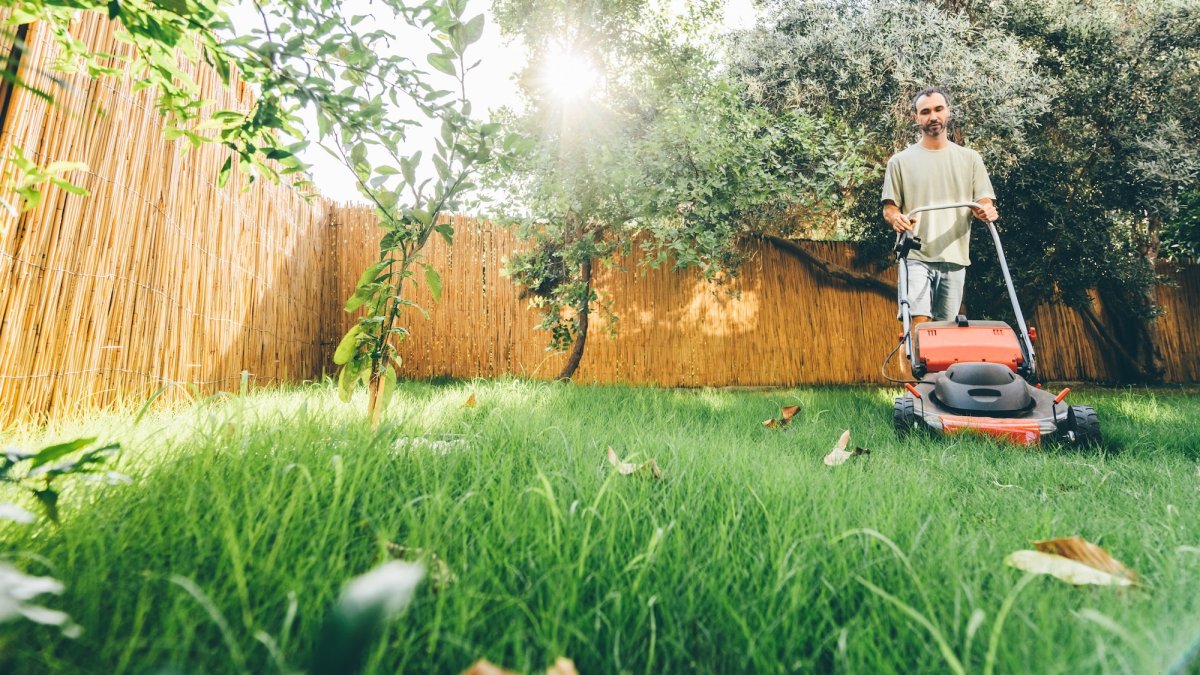
Beyond water consumption, the chemical inputs required for a pristine lawn pose significant risks to local watersheds. The over-application of synthetic fertilizers leads to nutrient runoff, which fuels toxic algal blooms in rivers and lakes through a process known as eutrophication. Furthermore, the EPA estimates that gas-powered lawn equipment accounts for approximately 5 percent of the United States’ total air pollution. A single hour of operating a conventional gas mower can emit as much pollution as driving a modern car for 100 miles. When combined with the "biological desert" created by monoculture grass—which provides virtually no habitat or sustenance for pollinators—the traditional lawn has become an increasingly difficult model to justify.
A Chronology of the American Lawn: From Aristocracy to Crisis
The history of the American lawn is rooted in 17th-century European aristocracy, where vast expanses of closely shorn grass were symbols of wealth, indicating that the landowner had the resources to maintain land that produced no food. This aesthetic was imported to North America, but it did not become a middle-class staple until the post-World War II suburban boom.
- The 1940s-1950s: The rise of Levittown and similar planned communities codified the lawn as a civic duty. Homeowner agreements often mandated grass height and appearance, cementing the lawn as a symbol of suburban stability.
- The 1960s-1970s: The introduction of automated sprinkler systems and advanced chemical herbicides made the "perfect" lawn more achievable for the average homeowner, leading to the birth of a multi-billion dollar lawn care industry.
- The 1990s: The term "xeriscaping" gained traction in the American West as prolonged droughts forced municipalities to reconsider water-intensive landscaping.
- The 2020s: A confluence of factors—including the "No Mow May" movement originating in the United Kingdom, the global collapse of insect populations, and record-breaking heat waves—accelerated the transition to no-mow alternatives.
Analyzing the No-Mow Alternatives
The "no-mow" label encompasses several distinct landscaping strategies, each tailored to specific climatic conditions and aesthetic goals.
Nitrogen-Fixing Clover Lawns
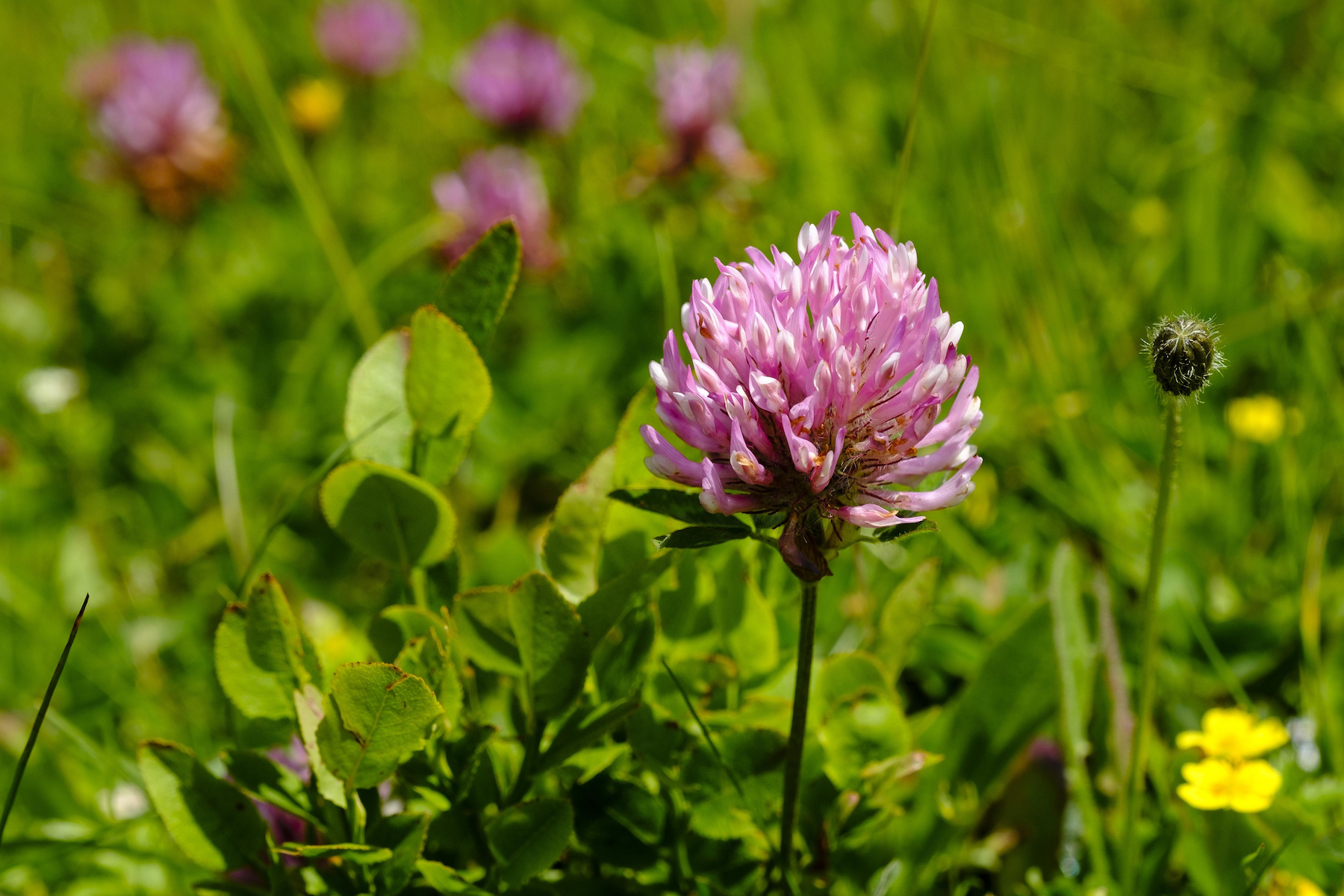
Once considered a weed by herbicide manufacturers, white clover (Trifolium repens) is seeing a resurgence as a primary lawn replacement. Clover is a legume, meaning it possesses a symbiotic relationship with Rhizobium bacteria in its root nodules to "fix" atmospheric nitrogen into the soil. This process naturally fertilizes the lawn, eliminating the need for synthetic additives. Clover stays green during periods of drought when traditional turfgrass turns brown, and its flowers provide a critical food source for honeybees and native pollinators.
Native Meadows and Rewilding
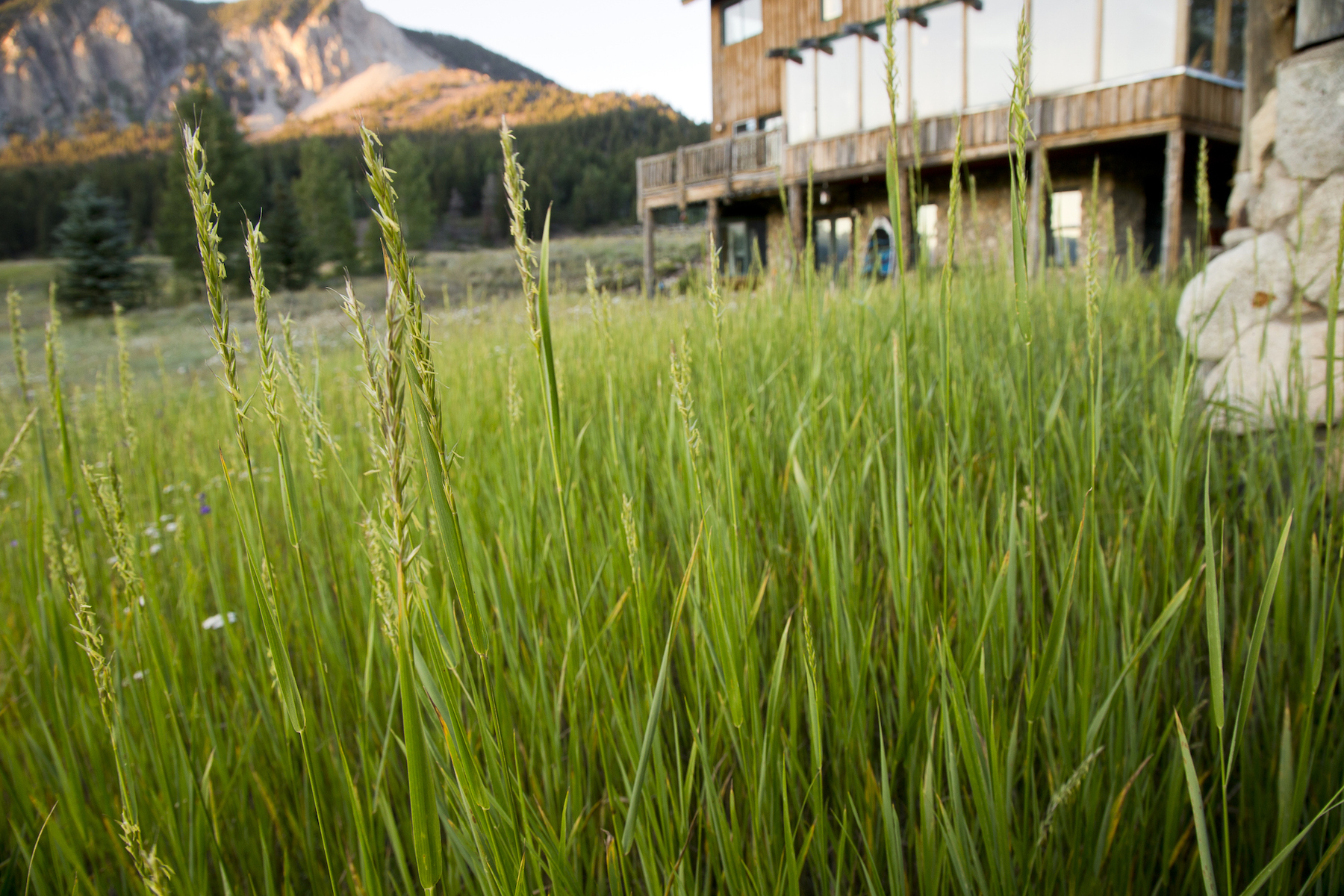
For larger properties, the transition to native meadows offers the highest ecological return. By planting a mix of indigenous grasses and wildflowers, homeowners create "pollinator highways" that support birds, butterflies, and beneficial insects. These landscapes require mowing only once or twice a year to prevent woody stalks from taking over. This approach aligns with the "rewilding" philosophy, which seeks to restore natural ecosystem functions in human-dominated spaces.
Creeping Ground Covers
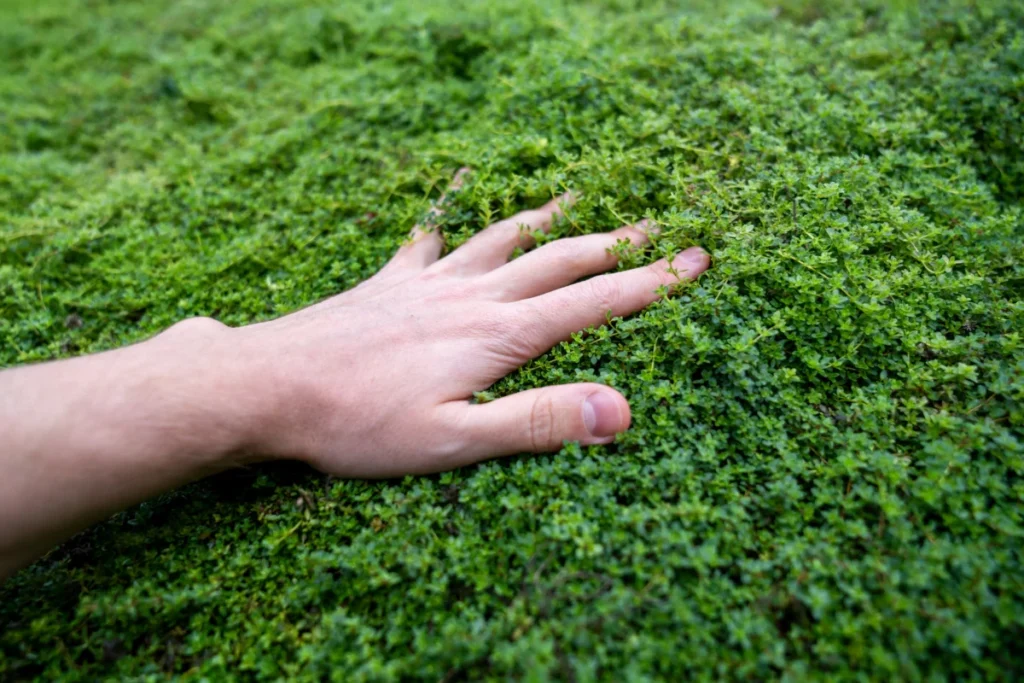
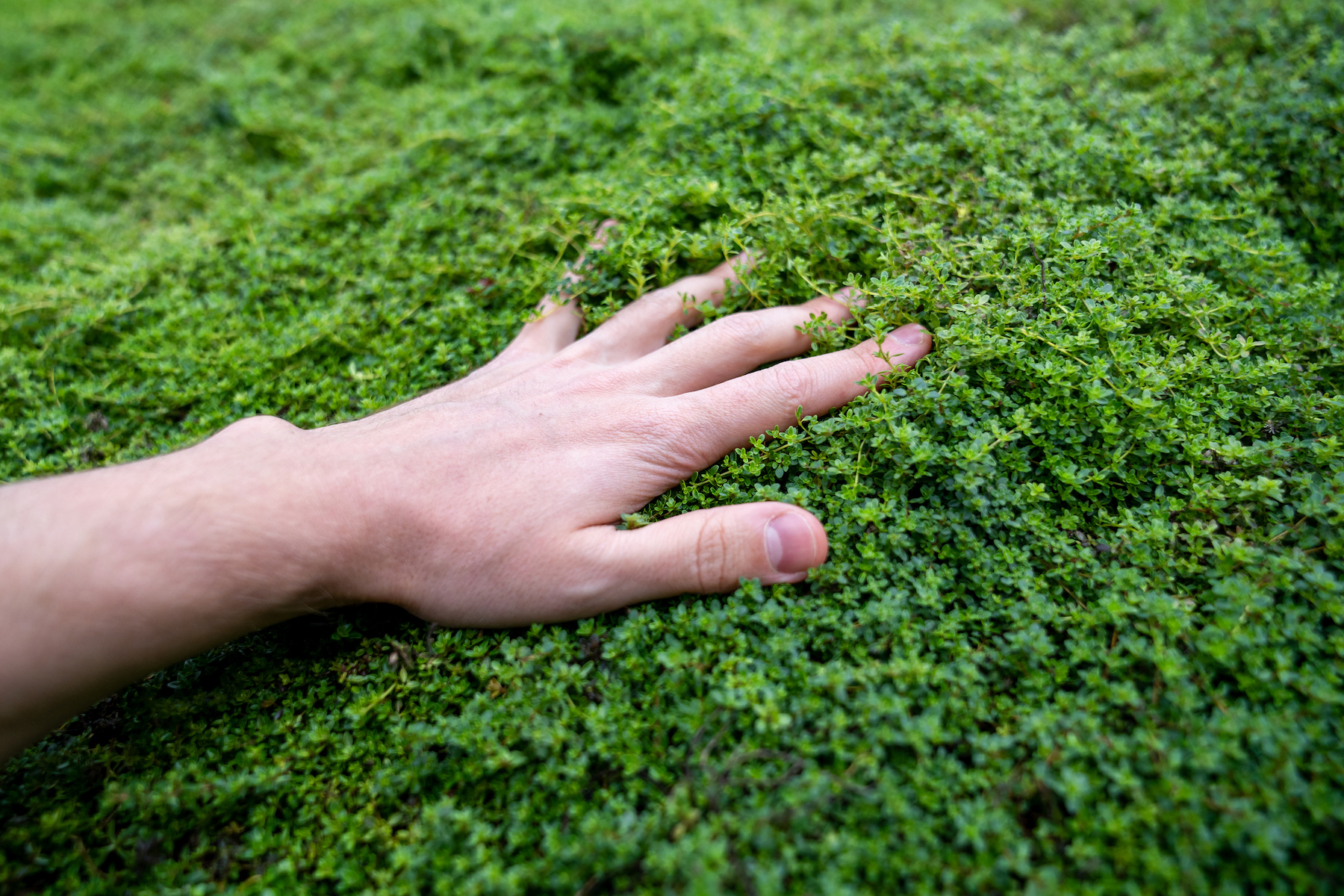
In high-traffic or shaded areas, creeping ground covers such as creeping thyme, Irish moss, or sedum provide a low-profile alternative to grass. These plants spread horizontally and rarely exceed two to three inches in height. Creeping thyme, in particular, has gained popularity for its drought tolerance and the pleasant fragrance it releases when stepped upon. While some varieties are more delicate than turfgrass, they are increasingly used in combination with stone pathways to create durable, water-wise "living carpets."
Low-Input and Slow-Grow Fescues
For homeowners bound by strict aesthetic guidelines or those who prefer the look of a traditional lawn, "No-Mow" seed blends—typically consisting of fine fescues—offer a compromise. These grasses grow slowly and tend to "flop over" into a soft, meadow-like texture if left unmowed. They possess deep root systems that require significantly less water than standard Kentucky Bluegrass and can thrive in poor soil conditions.
Policy Shifts and Official Responses
The transition away from traditional lawns is no longer just a grassroots movement; it is increasingly reflected in legislative and institutional policy. In recent years, several states have passed "Right to Garden" or "Native Plant" laws that limit the power of Homeowners Associations (HOAs) to prohibit sustainable landscaping.
In Maryland, for example, House Bill 322 was signed into law in 2021, preventing HOAs from requiring turfgrass and protecting homeowners who choose to install pollinator gardens or xeriscaping. Similar legislative efforts are underway in California and Colorado, where "cash for grass" programs offer financial incentives for residents who remove turf in favor of drought-tolerant plants.
University extension services have also shifted their guidance. Historically focused on helping homeowners achieve the perfect lawn, institutions like the University of Minnesota and Oregon State University now provide extensive resources on "bee lawns" and native plant selection. These institutions argue that the diversification of residential landscapes is a critical component of climate resilience, helping to mitigate the "urban heat island" effect and improve groundwater recharge.
Economic and Social Implications
While the initial cost of converting a lawn to a no-mow alternative can be higher than simply reseeding with grass—due to the cost of native plugs or specialized seed mixes—the long-term economic benefits are clear. Homeowners save significantly on water bills, fertilizer, and professional landscaping services. Furthermore, the reduction in labor hours spent mowing allows for a more passive enjoyment of outdoor spaces.
Socially, the no-mow movement is challenging the long-standing American association between "neatness" and "neighborliness." As the climate crisis intensifies, a perfectly green lawn in a drought-stricken region is increasingly viewed not as a sign of pride, but as a sign of ecological negligence. The new "curb appeal" is defined by vibrancy, movement (from pollinators), and environmental functionality.
Broader Impact and the Future of the American Yard
The implications of the no-mow movement extend far beyond the individual yard. If adopted on a suburban scale, the cumulative effect of these landscapes could significantly bolster local biodiversity and reduce the strain on municipal infrastructure. Urban planners are beginning to view residential yards as a distributed network of green infrastructure that can assist in carbon sequestration and stormwater management.
Looking ahead, the "yard of the future" will likely be a hybrid space. It may feature a small area of slow-grow grass for recreation, bordered by dense pollinator gardens, creeping ground covers in the shade of native trees, and clover-rich soil. By moving away from the rigid, high-maintenance monoculture of the 20th century, homeowners are creating landscapes that are not only easier to maintain but are also capable of surviving and thriving in an era of environmental uncertainty. The end of the traditional lawn may well be the beginning of a more harmonious relationship between the American household and the natural world.