


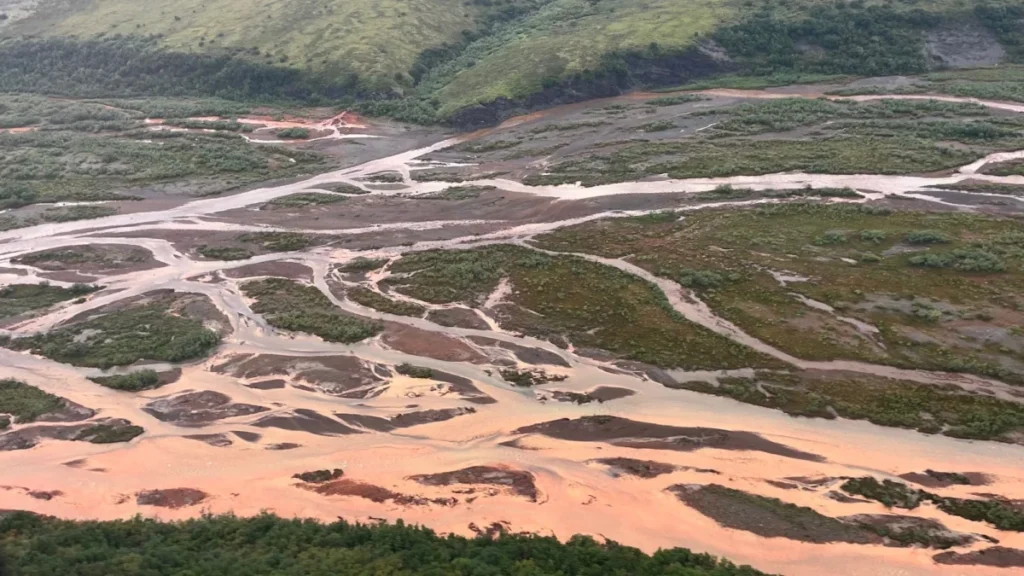
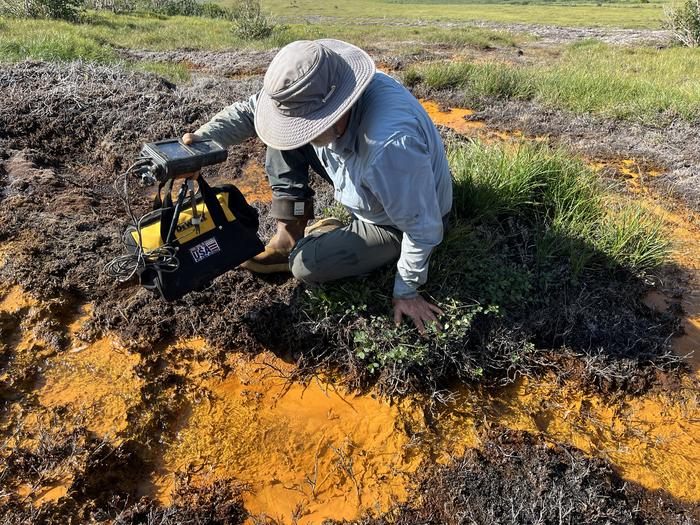
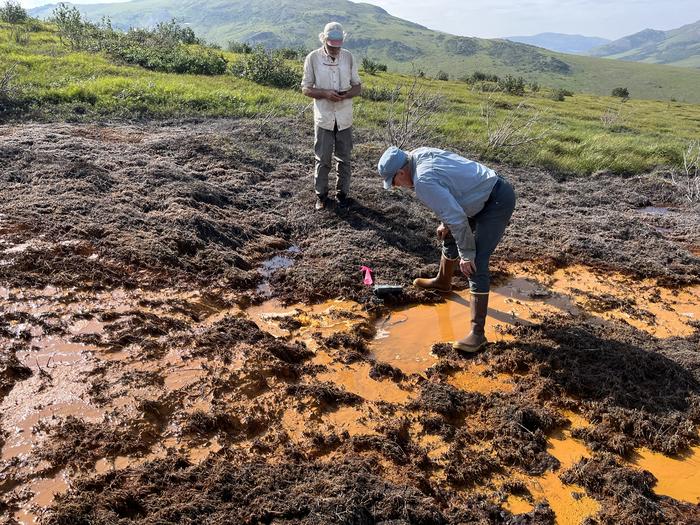
The pristine, crystal-clear waters of Alaska’s Brooks Range, a remote mountain wilderness stretching across the northern reaches of the state, are undergoing a dramatic and troubling transformation. Rivers and streams that have historically served as the lifeblood of the Arctic ecosystem are turning a vivid, opaque orange. This phenomenon, colloquially described as the "rusting" of the Arctic, is the result of iron particles and sulfuric acid leaching into the waterways—a direct consequence of rapidly thawing permafrost driven by global climate change.
A comprehensive study recently published in the journal Communications Earth & Environment has provided the most definitive evidence to date linking this environmental shift to the degradation of frozen soils. The research, led by a multidisciplinary team of biogeochemists, ecologists, and mathematicians, highlights a dual-mechanism process that is poisoning local watersheds, suffocating aquatic life, and signaling a fundamental shift in the chemistry of the northern landscape. Scientists warn that this is not merely an aesthetic concern; it is an ecological crisis with the potential to disrupt the entire food web of the Arctic.
The Scientific Mechanisms of Arctic Rusting
The transformation of these river systems is driven by two distinct processes, depending on the elevation and geological composition of the terrain. The research team, which included experts from the University of California, Riverside, Alaska Pacific University, and the University of Alaska, utilized a "top-down" approach to categorize these changes across the 600-mile Brooks Range.
At higher elevations, the culprit is a process known as acid rock drainage. For millennia, minerals such as pyrite—commonly known as "fool’s gold"—remained locked within the frozen embrace of the permafrost. As temperatures in the Arctic rise at a rate two to three times faster than the global average, this protective ice barrier is vanishing. When permafrost thaws, it exposes these mineral-rich rocks to oxygen and liquid water for the first time in thousands of years.
The resulting chemical reaction is devastating. Pyrite reacts with oxygen and water to break down into iron and sulfur, creating sulfuric acid. This acid further dissolves surrounding rocks, releasing high concentrations of sulfate and toxic heavy metals into the water. As this iron-rich, acidic mixture flows downstream and mixes with more oxygenated surface water, the iron oxidizes, forming rust-like particles that stain the riverbeds and turn the water a cloudy, neon orange.
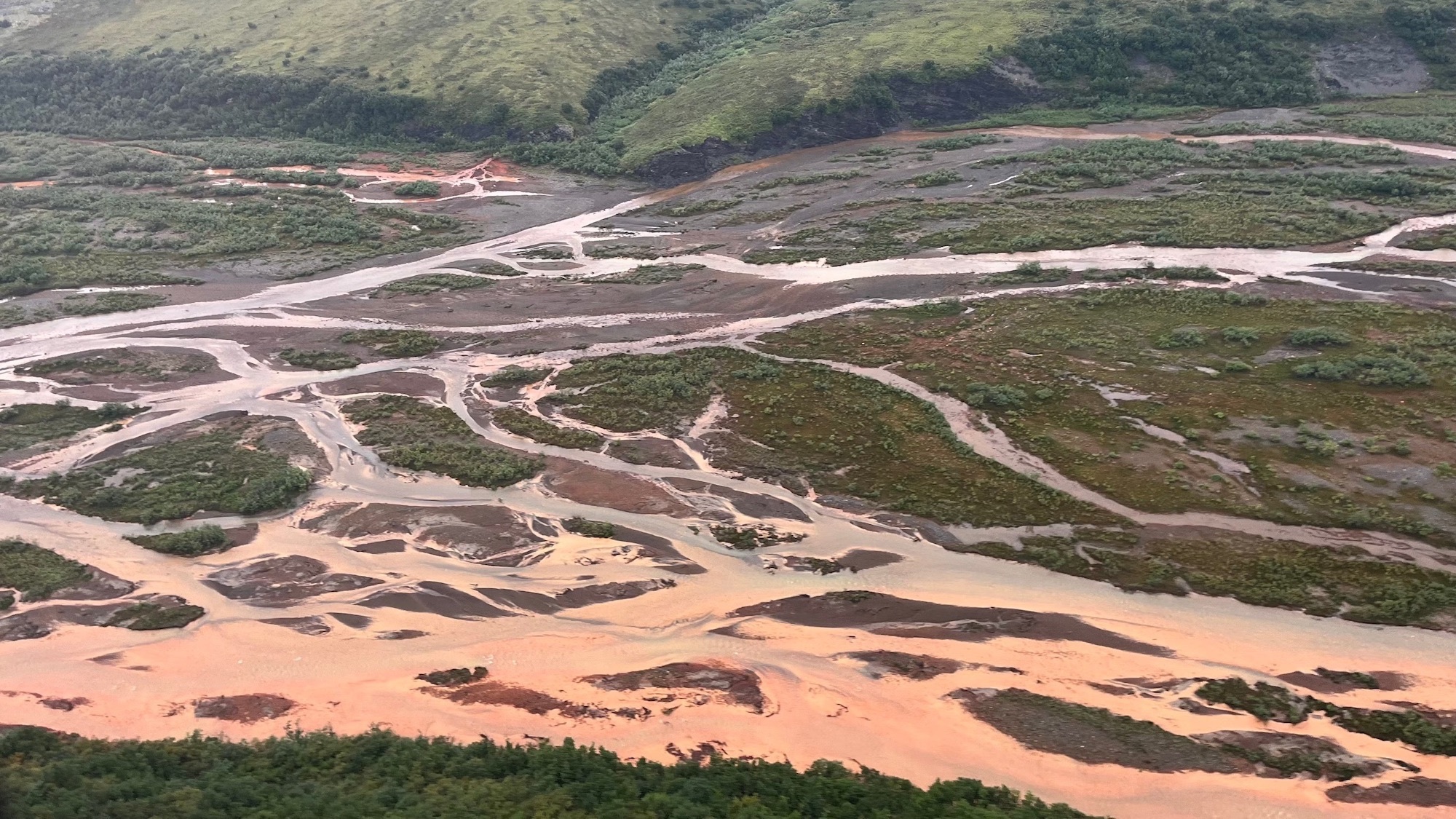
In lower-elevation areas, the mechanism is biological rather than purely chemical. These regions are characterized by vast wetlands and tundra where the soil is often saturated and low in oxygen. In these anaerobic environments, specialized microbes—mostly bacteria—have adapted to "breathe" iron instead of oxygen. As the permafrost beneath these wetlands thaws, the soil becomes increasingly unstable and saturated. The microbes convert the iron in the soil into a water-soluble form. This dissolved iron then seeps into nearby streams. Once it encounters the oxygen-rich environment of a flowing river, it undergoes the same oxidation process seen at higher altitudes, precipitating out as orange sediment.
A Chronology of Discovery
The rapid onset of this phenomenon has caught many researchers by surprise, given the extreme remoteness of the affected areas. The first major alarm was raised in 2019 by Paddy Sullivan, an ecologist at the University of Alaska and a co-author of the recent study. During routine fieldwork in the Brooks Range, Sullivan observed river conditions that he described as looking "like sewage." The water was so turbid and discolored that it was unrecognizable from the clear streams he had documented in previous years.
Satellite imagery analysis has since confirmed that the discoloration began appearing in earnest around a decade ago, coinciding with some of the warmest summers on record for the Alaskan Arctic. Between 2006 and 2022, researchers noted a significant increase in the number of orange-tinted stream segments visible from space. What began as isolated patches has expanded into a regional crisis, affecting dozens of tributaries that feed into major arteries like the Kobuk and Wulik Rivers.
The timeline of these changes suggests a tipping point has been reached. While permafrost has experienced minor seasonal thaws for centuries, the depth of the "active layer"—the portion of soil that thaws in the summer and refreezes in the winter—has increased significantly. This deeper thaw reaches mineral layers that have remained undisturbed since the last Ice Age, effectively "turning on" the chemical and microbial faucets that feed the rusting process.
Ecological Impact and the Threat to Biodiversity
The ecological consequences of orange rivers are profound and multi-layered. The most immediate threat is to the physical health of aquatic organisms. The fine iron-oxide particles do not simply float; they coat everything in their path. For fish, particularly salmon and Dolly Varden trout, these particles can be lethal. The rust-like sediment clogs fish gills, making it difficult for them to extract oxygen from the water.
Furthermore, the "rusting" affects the reproductive success of these species. Salmon rely on clean, gravel-bottomed riverbeds to spawn. When these beds are smothered by a thick layer of orange silt, the eggs can be buried and suffocated, preventing the next generation from hatching. This is particularly concerning for the Indigenous communities of Northern Alaska and Canada, who rely on these fish populations for subsistence and cultural traditions.
The impact extends down to the very base of the food chain. The turbidity of the water blocks sunlight, preventing the growth of algae and periphyton, which serve as the primary food source for aquatic insects. Macroinvertebrates, such as mayflies and stoneflies, are highly sensitive to changes in water chemistry and sediment load. In many of the orange-tinted streams, researchers have found a near-total collapse of insect populations. Without these insects, the birds and smaller fish that feed on them face starvation, creating a trophic cascade that could permanently alter the Arctic wilderness.
Beyond the physical sediment, the chemical composition of the water is becoming increasingly toxic. The presence of sulfuric acid lowers the pH of the rivers, making them more acidic. This acidity can leach additional metals like nickel, copper, and zinc from the soil, creating a toxic cocktail that further stresses the environment.
Data Integration and the Red Dog Mine Partnership
To understand the scope of the problem, the research team sought out long-term data that could correlate soil temperatures with water chemistry. This led to a unique partnership with the Red Dog Mine, one of the world’s largest zinc mines, located in the DeLong Mountains of the Brooks Range.
The mine has maintained extensive records of ground temperatures through boreholes drilled deep into the earth, alongside decades of water quality sampling in nearby streams. By analyzing this data, the researchers were able to establish a direct link between rising subsurface temperatures and the spike in metal concentrations in the water.
One of the most significant findings from this data integration was the identification of a "seasonal lag." The team discovered that iron and metals released during a particularly deep summer thaw often become trapped in the soil as the surface refreezes in the fall. These contaminants are then flushed into the river systems the following spring during the snowmelt, leading to a massive "pulse" of pollution. This discovery is critical for predictive modeling, as it allows scientists to use current ground temperature data to forecast water quality issues for the following year.
Socioeconomic and Cultural Implications
The transformation of Alaska’s rivers is not just a scientific curiosity; it is a threat to the human geography of the North. Many remote villages in the Brooks Range and surrounding areas are disconnected from the state’s main infrastructure and depend entirely on local ecosystems for survival.
For the Iñupiat and other Indigenous groups, the health of the rivers is inextricably linked to food security. The potential loss of salmon runs or the contamination of drinking water sources could force communities to rely more heavily on expensive, imported food, or in extreme cases, necessitate relocation. The presence of toxic metals in the water also raises concerns about long-term bioaccumulation in the food chain, where predators like bears or even humans could ingest dangerous levels of heavy metals over time.
Furthermore, the thawing permafrost that causes the rusting also undermines the stability of the land itself. As the ice melts, the soil can turn into a slurry, leading to thermokarst—land subsidence that can destroy roads, pipelines, and buildings. This dual threat of landscape collapse and water contamination creates a precarious future for Alaskan infrastructure and tourism.
A Permanent Shift in the Global Climate Landscape
The "rusting" of Alaska’s rivers serves as a stark visual indicator of the irreversible changes occurring at the poles. While some environmental pollutants can be mitigated through regulation or cleanup efforts, the scale of permafrost thaw makes this problem nearly impossible to contain. The Brooks Range is a vast, roadless wilderness; there are no "faucets" to turn off and no practical way to neutralize the acidity of hundreds of miles of remote streams.
Biogeochemist Tim Lyons of UC Riverside emphasizes the gravity of the situation: "There’s no fixing this once it starts. But we can give people downstream a heads up and work hard to protect the places that are still safe and less vulnerable to the rusting."
As the planet continues to warm, the lessons learned from the Brooks Range will likely apply to other Arctic regions, including Siberia and Northern Canada. The research highlights the need for expanded monitoring of Arctic water chemistry and a deeper investment in climate adaptation strategies for northern communities. The orange rivers of Alaska are a warning sign—a "canary in the coal mine" for a planet undergoing rapid, fundamental change. The once-hidden minerals of the Earth are now emerging, rewriting the chemistry of the wilderness and challenging our understanding of how ecosystems respond to a warming world.