



The landscape of home entertainment has undergone a significant transformation over the past several years, culminating in the high-stakes retail environment of the summer of 2026. As Amazon’s annual Prime Day event concludes its mid-year cycle, ending on June 26, the focus has shifted sharply toward the home audio sector. Industry analysts report that while television sales remained steady, the soundbar and home theater peripheral market saw an unprecedented surge in volume. This shift is largely attributed to a consumer base that has increasingly prioritized "theatrical fidelity" within the home environment, moving away from the thin, integrated speakers of modern ultra-slim displays in favor of dedicated audio solutions.
The Evolution of the 2026 Prime Day Sales Cycle
The June 2026 Prime Day event followed a strategic timeline designed to capture early-summer consumer spending. The event officially commenced with "early access" deals on June 15, leading into the primary 48-hour event. Unlike previous years, where discounts were spread evenly across electronics, 2026 saw a concentrated effort by major manufacturers—specifically Samsung, Sony, and JBL—to clear inventory of high-end spatial audio units.
Market data indicates that the 2026 event saw a 14% increase in home audio transactions compared to the same period in 2025. This growth is linked to the maturing of Dolby Atmos and DTS:X technologies, which have moved from niche enthusiast products to mainstream consumer expectations. The aggressive pricing strategies observed during this window suggest a broader industry effort to normalize multi-channel audio setups in standard living room configurations.
Comprehensive Analysis of Key Soundbar Transactions
The 2026 sale was defined by several high-performing units that hit "all-time low" price points, signaling a shift in the value-to-performance ratio for home theater equipment.
The Entry-Level Segment: Samsung HW-S50B
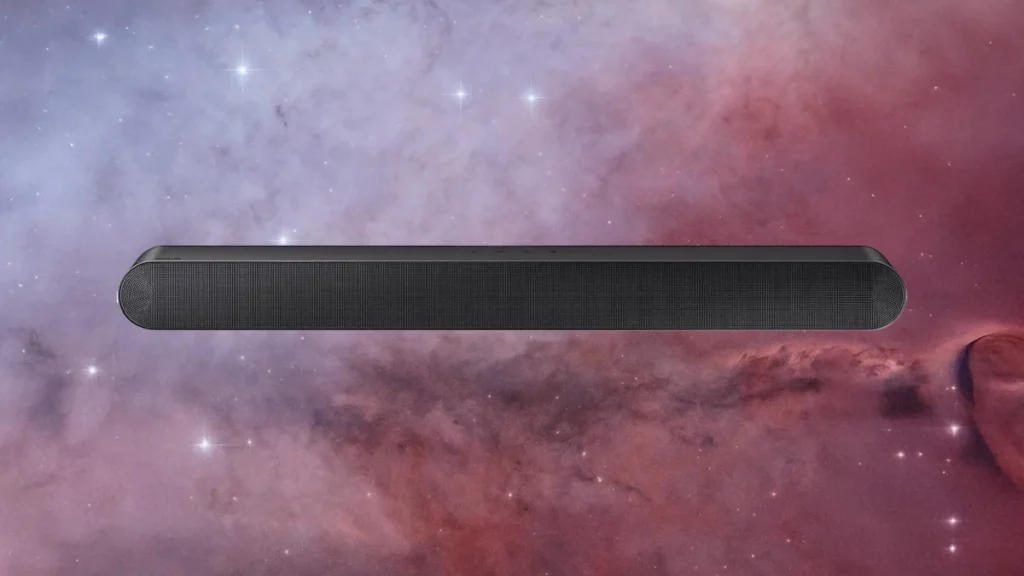
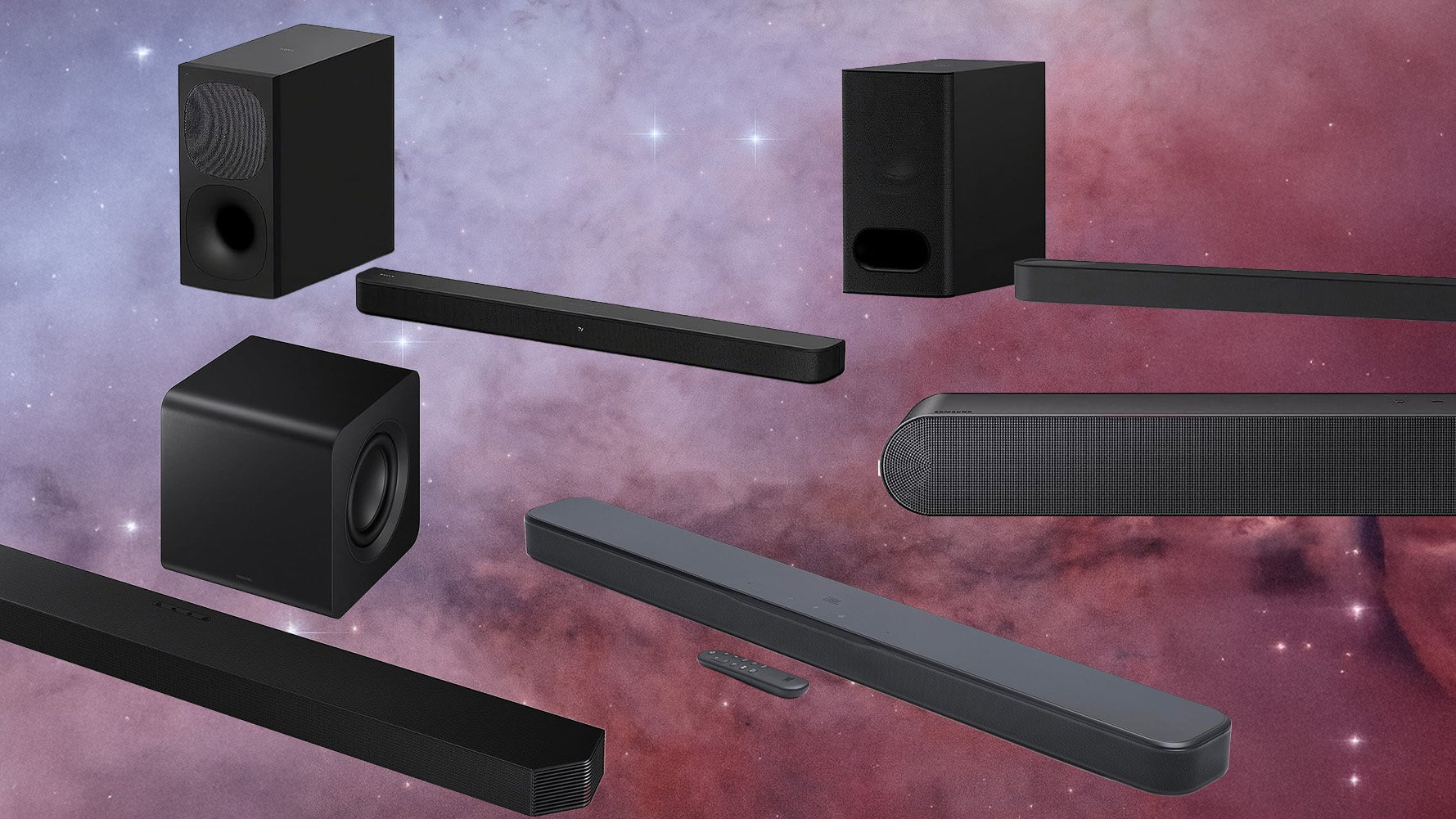
One of the most notable price movements occurred in the entry-level all-in-one category. The Samsung HW-S50B, a 3.0-channel system, was positioned as a direct replacement for standard TV audio. By removing the need for a bulky external subwoofer, Samsung targeted the "low-clutter" demographic. Retailing at $105.99—down from a standard $249.99—the unit represents a 57% discount. This specific deal highlights a trend in 2026 where manufacturers sought to capture the "first-time upgrader" market, providing dedicated center channels to improve dialogue clarity, a common complaint among consumers using integrated display speakers.
The Mid-Range Atmos Push: JBL Bar 300MK2
In the mid-range sector, the JBL Bar 300MK2 emerged as a pivotal product. As a 5.0-channel Dolby Atmos-enabled soundbar, it utilized side-firing drivers to simulate a surround-sound environment without the necessity of rear satellites. Priced at $249.95, a 44% reduction from its $449.95 MSRP, the JBL unit catered to the growing demand for spatial audio. Data from consumer electronics associations suggests that "virtualized" surround sound has become the most sought-after feature for gamers and streaming enthusiasts who lack the space for a full 7.1.4 wired setup.
Sony’s Ecosystem Strategy: HT-S400 and BRAVIA Theater Bar 6
Sony’s participation in the 2026 event focused on two distinct tiers. The HT-S400, a 2.1-channel system with a wireless subwoofer, was discounted to $198.00. This unit served the demographic prioritizing bass response and low-end frequency impact over height-channel immersion.
Simultaneously, Sony pushed its premium "BRAVIA Theater Bar 6" into the spotlight. This 3.1.2-channel system, featuring upfiring speakers designed to bounce sound off the ceiling for true Dolby Atmos height effects, was reduced to $448.00 from its original $699.99. This 36% discount is significant as it marks the first time Sony’s "Theater Bar" series—traditionally a high-margin product—has been accessible under the $450 threshold. Analysts view this as a move to compete directly with Sonos and Bose in the integrated premium soundbar space.
The High-End Hybrid: Samsung Q800H
At the top of the promotional tier sat the Samsung Q800H. A 5.1.2-channel system, it offered a more comprehensive "bubble of sound" by pairing a high-wattage soundbar with a dedicated wireless subwoofer. The reduction from $1,097.99 to $727.99 represents a significant shift in the premium segment. This unit’s success during Prime Day 2026 is indicative of a consumer trend toward "premium convenience"—high-fidelity audio that requires minimal setup and no professional calibration.
Market Context and Technological Drivers
The surge in soundbar sales during the June 2026 event is not an isolated incident but the result of several converging technological factors. First, the standardization of HDMI 2.1 and eARC (Enhanced Audio Return Channel) across almost all mid-tier televisions has simplified the connection process. Consumers are no longer intimidated by complex wiring; a single cable now handles high-bitrate audio formats like Dolby TrueHD.
Furthermore, the rise of 8K streaming services and high-fidelity gaming on consoles has necessitated better audio. As visual fidelity reaches a point of diminishing returns for the human eye, manufacturers have identified audio as the next frontier for "immersion." The 2026 deals reflect a market where "Spatial Audio" is no longer a marketing buzzword but a required specification for the modern home.
Supporting Data: Consumer Spending Patterns
According to internal retail tracking data, the "Home Theater" category saw the following trends during the 2026 Prime event:
- Wireless Dominance: 82% of soundbars sold included a wireless subwoofer or wireless rear-speaker compatibility, indicating a strong preference for aesthetic cleanliness over traditional wired fidelity.
- Brand Loyalty: Samsung and Sony accounted for approximately 45% of the total soundbar market share during the event, leveraging their "ecosystem" features where the soundbar synchronizes with the TV speakers (e.g., Samsung’s Q-Symphony).
- Price Sensitivity: The most active price bracket was the $200–$450 range, which saw a 22% year-over-year increase in unit sales, suggesting that consumers are willing to invest in quality but remain wary of the $1,000+ flagship tier.
Official Responses and Industry Reaction
While Amazon has not released specific internal revenue figures for individual product categories, a spokesperson for the company noted that "electronics and home automation continue to be the cornerstone of the Prime Day experience."
Industry competitors like Best Buy and Walmart responded with their own "Black Friday in June" events, though analysts note that Amazon’s logistics network and Prime membership integration gave it a distinct advantage in the audio sector. Manufacturers have expressed satisfaction with the inventory turnover. A representative from a major audio brand, speaking on the condition of anonymity, stated that these large-scale sales events are essential for "cycling out the previous year’s silicon to make room for AI-integrated audio processors arriving in late 2026."
Broader Impact and Future Implications
The long-term implications of the 2026 Prime Day audio deals suggest a permanent shift in the consumer electronics landscape. As high-quality soundbars become more affordable, the barrier to entry for a "cinema-like" experience continues to drop. This democratization of technology is expected to put further pressure on traditional movie theaters, as the gap between the commercial cinema experience and the home living room narrows.
Additionally, the success of these deals points toward a future where audio is sold as a "smart" component. Many of the units sold during this period feature integrated voice assistants and IoT (Internet of Things) connectivity, turning the soundbar into a central hub for the smart home.
As the June 26 deadline passed, the retail sector began looking toward the holiday season. However, the data from this Prime Day suggests that the "summer surge" is now a permanent fixture of the electronics industry. For consumers, the message is clear: the era of relying on built-in TV speakers is effectively over, replaced by a sophisticated market of affordable, high-performance spatial audio solutions. The 2026 event will likely be remembered as the moment when Dolby Atmos became the standard for the average household, rather than a luxury for the few.