



The demanding landscape of modern education often requires an intricate dance of executive functioning, organization, and adaptability—skills that, while seemingly universal, can present significant challenges for neurodivergent individuals. Many educators, particularly those diagnosed later in life with conditions such as ADHD, autism, or dyslexia, find themselves navigating school systems fundamentally designed for a neuronormative majority. This disparity not only impacts their professional well-being but also prevents schools from fully harnessing the unique strengths and perspectives that neurodivergent teachers bring to the classroom, advocating for a profound shift from individual coping mechanisms to systemic institutional support.
The Unseen Struggle: Executive Functioning and Early Career Challenges
For many, the initial foray into teaching reveals an unexpected complexity in day-to-day operations. The constant need to juggle lesson planning, manage diverse student needs, track individual support programs, and contend with an unrelenting stream of administrative tasks can quickly deplete cognitive resources. What appears as seamless multi-tasking for some can be an arduous, improvisational effort for others. This internal struggle, often masked by diligent effort and a deep commitment to students, frequently stems from undiagnosed or misunderstood neurodivergent traits. The author’s personal experience, reflecting on the realization that their ADHD profoundly influenced their early teaching career, is a common narrative among educators from a generation where neurodiversity awareness was nascent. They describe a constant state of "juggling, improvising, and frantically trying to stay above water," a sentiment echoed by countless professionals who grapple with executive dysfunction in high-pressure environments.
The "Lost Generation" and Evolving Understanding

A significant cohort of current educators, often in their 30s, 40s, and 50s, belongs to what is increasingly termed the "lost generation" of neurodivergent adults. This demographic grew up in an era when diagnostic criteria were narrow, often biased, and largely focused on overt presentations in cisgender boys. ADHD, for instance, was predominantly associated with hyperactivity, overlooking subtler manifestations in girls and those who developed sophisticated coping mechanisms. Similarly, autism diagnoses were far less prevalent and often limited to more pronounced presentations, leaving many high-achievers or individuals with "masking" abilities undiagnosed.
The past decade has seen a dramatic increase in public discourse and scientific understanding surrounding neurodiversity, largely fueled by personal narratives shared across social media, podcasts, and community platforms. This expanded awareness has been a revelation for many educators, providing language and context for lifelong patterns of overwhelm, inconsistency, and burnout that were previously attributed to personal failings. For these individuals, the discovery of their own neurodivergence often comes after their children receive diagnoses, or through self-identification prompted by accessible information. This belated recognition brings a complex mix of relief—finally understanding "why things felt harder"—and a profound sense of grief for decades spent in self-blame and exhaustion, striving to conform to expectations misaligned with their neurological profiles. This process of reinterpreting one’s personal and professional history can be both liberating and disorienting, fundamentally altering how they perceive their work, their students, and the educational systems they inhabit.
Despite this growing awareness, societal stigma persists. Admitting challenges with executive functioning, attention regulation, or sensory processing can be perceived as professional weakness in environments that often equate competence with an idealized, neuronormative standard of organization and calm. Consequently, many neurodivergent teachers continue to conceal their authentic selves, fearing negative repercussions on their careers or professional standing.
Neurodiversity in Education: A Source of Strength
Far from being a deficit, neurodiversity offers a rich array of strengths that are invaluable in the dynamic and diverse environment of a school. Neurodivergent educators frequently exhibit qualities that are not just beneficial but often essential for fostering inclusive and innovative learning spaces.
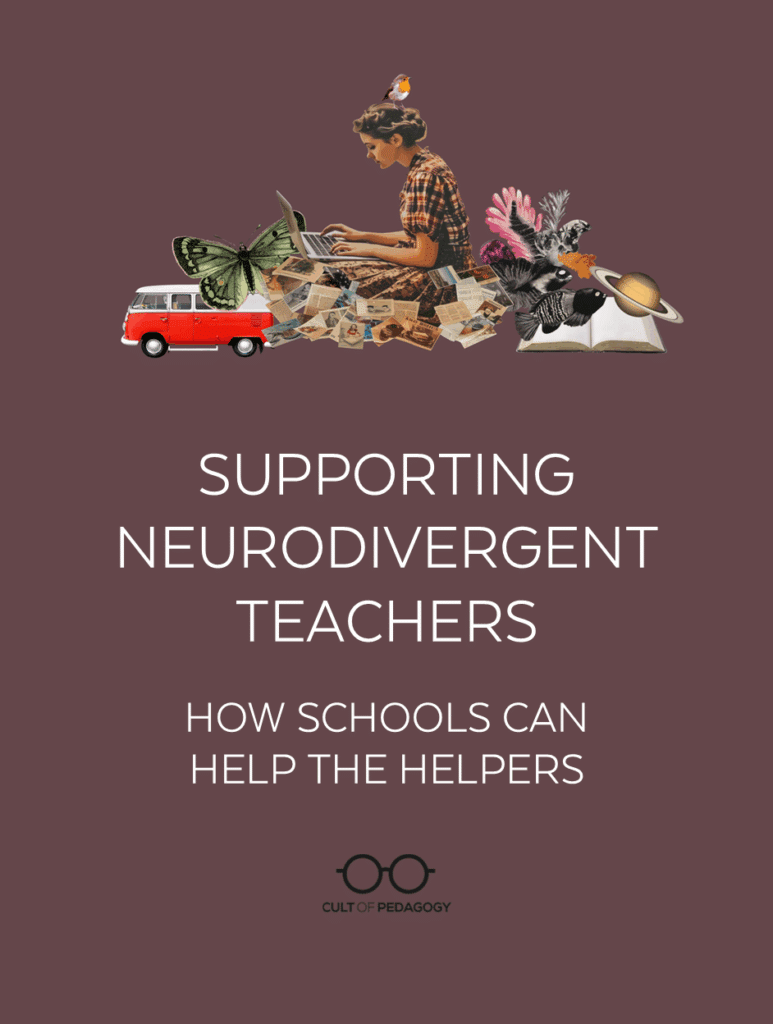
- Empathy and Understanding: Having navigated educational systems with unique cognitive profiles, neurodivergent teachers often possess an innate empathy for students who learn differently. This lived experience translates into a deep understanding of varied learning styles, struggles, and needs, allowing them to connect with and support students in ways that neuronormative teachers might not.
- Creative Problem-Solving: Neurodivergent brains are often wired for divergent thinking, leading to innovative approaches to lesson design, classroom management, and student engagement. They can devise unconventional yet effective solutions to complex pedagogical challenges, enriching the learning experience for all.
- Authenticity and Relatability: When neurodivergent teachers feel safe to be themselves, they model authenticity and self-awareness. This can be profoundly empowering for students, particularly neurodivergent learners, who see adults thriving with similar traits. It reinforces the message that there isn’t one "right" way to think, learn, or teach, fostering a more inclusive classroom culture.
- Specialized Interests and Deep Knowledge: Many neurodivergent individuals develop intense, specialized interests. When these align with their subject matter, it can lead to deeply engaging, passion-driven teaching, sparking curiosity and enthusiasm in students.
- Attention to Detail (Hyperfocus): While ADHD can involve challenges with sustained attention, it also often comes with the ability to "hyperfocus" on tasks of interest. This can be a powerful asset for meticulous lesson planning, in-depth research, or developing highly detailed and engaging educational materials.
- Advocacy and Inclusion: Neurodivergent educators are often passionate advocates for inclusive practices, having personally experienced the gaps in conventional systems. They can champion differentiated instruction, universal design for learning, and accommodations for students and colleagues alike.
A 2022 study published in the Journal of Autism and Developmental Disorders highlighted that autistic employees, when appropriately supported, often demonstrate superior attention to detail, pattern recognition, and loyalty, characteristics highly valuable in educational settings. Similarly, individuals with ADHD can bring unparalleled energy, creativity, and spontaneity. When schools embrace these differences as variations rather than deficits, they unlock a powerful resource, enhancing teaching quality and student outcomes across the board.
Systemic Barriers: When Schools Don’t Accommodate
Despite these evident strengths, neurodivergent educators frequently encounter systemic barriers that undermine their well-being and effectiveness. Schools, often operating under rigid, standardized frameworks, are largely built on expectations suited for the neuronormative majority.
- Sensory Overload: Classrooms and school environments are often highly stimulating, with constant noise, fluorescent lighting, strong smells, and frequent transitions. For teachers with sensory sensitivities (common in autism and ADHD), this can lead to chronic overstimulation, mental fatigue, and burnout.
- Executive Functioning Demands: The sheer volume of administrative tasks, paperwork deadlines, multi-step protocols, and the need for constant organization can overwhelm executive functions. This includes challenges with task initiation, prioritization, time management, and working memory, leading to missed deadlines or feelings of inadequacy.
- Inflexible Communication and Meeting Structures: Traditional staff meetings, with their often unstructured discussions, rapid topic shifts, and reliance on verbal processing, can be difficult for individuals with auditory processing differences or social communication challenges. Similarly, vague instructions or a lack of written follow-up can hinder effective task completion.
- Social and Professional Masking: The pressure to appear "normal" or "professional" leads many neurodivergent educators to engage in extensive masking—suppressing natural behaviors and mimicking neurotypical social cues. This is incredibly draining and can contribute significantly to burnout and mental health struggles.
- Resistance to Flexible Work Arrangements: While some professions are embracing flexible schedules or remote work, teaching remains largely tethered to a rigid daily structure. Limited opportunities for asynchronous work, quiet spaces, or adjusted schedules can exacerbate challenges for neurodivergent individuals.
- Unrealistic Expectations for "Adaptability": Educators are often expected to be infinitely adaptable, capable of switching tasks, managing crises, and maintaining composure under constant pressure. While resilience is important, the expectation can be particularly taxing for neurodivergent teachers whose brains may struggle with rapid transitions or unexpected changes.
These systemic misalignments mean that the very traits that could be celebrated as strengths become sources of stress and exhaustion. The paradox lies not in the teachers themselves, but in environments that, while theoretically valuing diversity, often fail to translate that value into practical, supportive structures.
Empowering Neurodivergent Educators: Practical Strategies for Resilience
While systemic change is paramount, neurodivergent educators can also employ a range of personal strategies to manage their energy, optimize their workflow, and enhance job sustainability. These individualized approaches, often refined through trial and error, aim to reduce friction and leverage natural strengths.
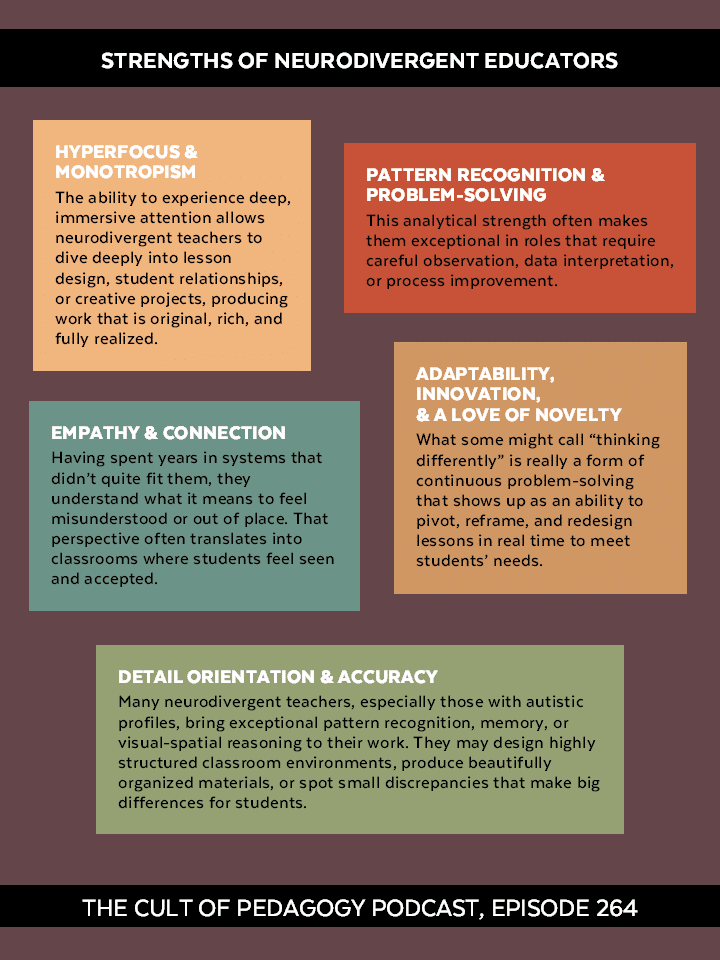
- Externalize Executive Functioning: Rather than relying solely on internal memory, offload cognitive demands onto trusted external systems. This includes using visual task boards, digital calendars with robust reminder systems, specialized apps for note-taking (e.g., voice memos for capturing ideas on the go), and automation tools like IFTTT (If This Then That) to streamline routine digital tasks. The objective is to make the invisible mental workload tangible and manageable, freeing up cognitive space.
- Batch and Bundle Tasks: Minimize the energy drain of task-switching by grouping similar activities. Dedicate specific blocks of time for grading all similar assignments, planning an entire week’s lessons, or handling all communications (emails, parent updates). This allows the brain to remain in a single cognitive mode for longer, improving focus and efficiency.
- Utilize Body Doubling: The presence of another person working nearby can significantly enhance focus and motivation, a phenomenon known as "body doubling." This can be formal, such as co-working with a colleague during planning periods, or informal, like participating in a virtual co-working session. The subtle accountability and shared presence can help initiate and sustain engagement in demanding tasks like grading or report writing.
- Build Sensory-Friendly Routines and Environments: Proactive management of sensory input is crucial. This might involve using noise-reducing earbuds during independent work, opting for softer lighting (lamps over harsh fluorescents), and incorporating brief, intentional sensory breaks (e.g., stepping into a quiet hallway, a quick stretching session, or a few deep breaths). Establishing "reset rituals" can help regulate energy and prevent overload throughout the day.
- Energy Mapping and Rhythm Awareness: Understanding one’s own circadian and cognitive rhythms—identifying peak focus times and periods of lower energy—is a powerful self-management tool. By tracking daily fluctuations, educators can strategically schedule cognitively demanding tasks (like lesson creation or complex feedback) during high-energy windows, reserving lower-focus tasks for times when energy naturally dips.
- Leverage Novelty Strategically: For many neurodivergent brains, novelty acts as a powerful motivator. This can be harnessed by introducing small, controlled variations into routines, such as experimenting with a new teaching methodology, reconfiguring classroom layouts, or trying out new digital tools. The key is to use novelty as a spark for engagement, not a source of distraction, integrating it purposefully within established structures.
- Reframe and Practice Self-Compassion: Internalizing frustration and self-blame due to systemic mismatches is common. Cultivating self-compassion involves reframing challenges like disorganization or fatigue not as personal failures, but as valuable feedback signals that indicate a need for adjusted strategies or environmental accommodations. This mindset shift fosters experimentation without shame and reinforces that true professionalism lies in sustainable practice, not unattainable perfection.
These strategies, when combined, are not about working harder, but about working smarter and more harmoniously with one’s unique cognitive profile. They aim to reduce mental friction, conserve precious energy, and allow neurodivergent teachers to maximize their inherent strengths.
What Schools and Administrators Can Do: Cultivating Inclusive School Environments
Systemic support from school leadership is not merely an act of kindness but a strategic imperative for teacher retention, diversity, and educational excellence. Creating truly inclusive environments for neurodivergent educators involves concrete policy and cultural shifts.
- Promote Neurodiversity Awareness and Training: Implement professional development programs that educate staff and administrators about neurodiversity, its varied presentations, and the strengths it brings. This moves beyond basic disability awareness to foster genuine understanding and appreciation.
- Offer Flexible Work Arrangements and Accommodations: Where feasible, provide flexibility in scheduling, meeting formats (e.g., providing agendas in advance, allowing for quiet spaces, offering remote participation), and administrative task management. This could include allowing for personalized workspace setups or offering options for asynchronous work on certain tasks.
- Review and Adapt Communication Protocols: Standardize clear, written communication for important announcements and tasks. Minimize reliance on verbal instructions in fast-paced meetings. Provide digital templates for common paperwork to streamline administrative burdens.
- Create Sensory-Friendly Spaces: Designate quiet zones or sensory-friendly spaces for staff to decompress. Consider options for adjustable lighting in classrooms or offices. Recognize and respect individual needs regarding environmental stimuli.
- Foster a Culture of Psychological Safety: Leaders must actively cultivate an environment where educators feel safe to disclose their neurodivergence and request accommodations without fear of judgment or professional repercussions. This requires visible leadership commitment to inclusivity and confidentiality.
- Provide Mentorship and Peer Support Networks: Establish programs where neurodivergent educators can connect with peers or mentors who understand their experiences. This can offer invaluable practical advice, emotional support, and a sense of community.
- Focus on Outcomes, Not Just Processes: Shift the emphasis from rigid adherence to specific processes to achieving desired educational outcomes. This allows neurodivergent teachers to utilize their unique problem-solving skills and adapt their methods to best suit their cognitive profiles, as long as student learning is prioritized and effective.
- Regularly Solicit Feedback: Create anonymous channels for educators to provide feedback on school policies and environments. Use this input to identify and address systemic barriers that disproportionately affect neurodivergent staff.
According to a 2023 report by the National Center for Education Statistics, teacher burnout and attrition remain significant concerns, with nearly half of public school teachers considering leaving the profession. Creating supportive, inclusive environments for neurodivergent educators can play a vital role in combating this trend, ensuring a more stable and diverse workforce.
Beyond Accommodation: Fostering a Culture of Neuro-Inclusion
When schools intentionally embrace and support their neurodivergent educators, the benefits ripple throughout the entire community. Teachers who are empowered to work in ways that align with their brains become powerful role models for students. They demonstrate that difference is not a weakness but a natural part of human cognition and a source of strength. Students witness adults who utilize visual schedules, take necessary sensory breaks, or openly discuss their attention patterns, realizing that these are not signs of deficiency but effective tools for success. This normalizes diverse learning and working styles, fostering a classroom environment where every student feels seen, understood, and capable.
Furthermore, school leadership that approaches neurodiversity with empathy and flexibility cultivates deep trust among staff. Clear communication, reasonable expectations, and a genuine openness to adaptive practices make it easier for all educators to remain engaged, innovative, and committed to their profession. A culture that prioritizes sustainability over an idealized, often unattainable, vision of perfection is far more likely to retain its most talented and passionate individuals.
As awareness of neurodiversity continues to grow, the conversation must evolve beyond mere recognition to active implementation of supportive structures. Schools that proactively design for flexibility, clarity, and genuine belonging are not just improving conditions for their neurodivergent staff; they are constructing environments where every teacher and every student can thrive, fully embodying their authentic selves and contributing to a richer, more effective educational ecosystem. The future of education demands not merely fixing individuals to fit the system, but rather, boldly transforming the system to embrace the full spectrum of human neurological diversity.