


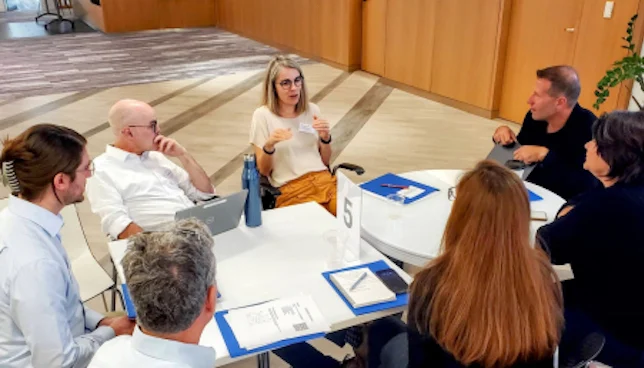
The pivotal study, meticulously documented in the International Journal of Clinical and Health Psychology, was spearheaded by a distinguished team comprising Diletta Barbiani, Alessandro Antonietti, and Francesco Pagnini. This innovative research received crucial backing from PNRR grants, channeled through the Age-IT project, underscoring its relevance to national and international efforts in addressing the challenges of an aging global population. Professor Pagnini, a Full Professor of Clinical Psychology at the Faculty of Psychology of the Università Cattolica, highlighted the study’s foundational role, stating, "The study is part of an established line of research in which we analyze the role of the mind in aging processes, which is very important." His remarks underscore the broader scientific endeavor to unravel the intricate interplay between psychological states and physiological decline in later life.
Unpacking the Placebo Effect: A Historical and Scientific Perspective
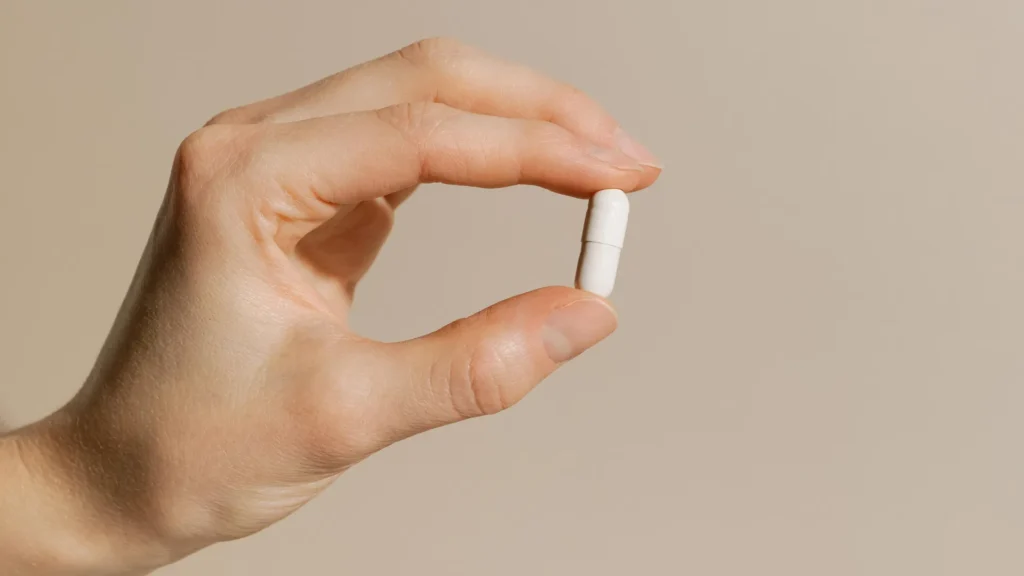
The concept of the placebo effect, derived from the Latin "I shall please," has long been acknowledged in medical science as a fascinating, albeit often enigmatic, phenomenon. Historically, placebos were primarily utilized in clinical trials as control interventions to gauge the true efficacy of new drugs. A "deceptive" placebo involves administering an inert substance, such as a sugar pill, while leading the recipient to believe it is an active treatment. The observed improvements in symptoms or conditions are then attributed to the patient’s expectation of benefit, rather than any pharmacological action. This effect has been documented across a wide spectrum of conditions, from pain management and depression to irritable bowel syndrome, influencing subjective reports of well-being and, in some cases, objective physiological markers.
However, the ethical considerations surrounding deception in healthcare have always been a contentious point for traditional placebo use. Deliberately misleading patients, even for potential therapeutic benefit, raises questions about autonomy and informed consent. This ethical dilemma has historically limited the widespread clinical application of placebos outside of research settings. The emergence of "open-label placebos" (OLPs) represents a paradigm shift. In this approach, patients are explicitly informed that they are receiving an inert substance, yet they are also educated about the mind-body connection and the potential for even inactive treatments to elicit real physiological and psychological responses. Previous research into OLPs, while still nascent, has shown promise in areas like chronic pain and allergic rhinitis, demonstrating that the conscious understanding of the placebo effect can itself be a therapeutic tool. The Milan study extends this frontier by investigating its efficacy in the context of healthy aging, specifically targeting abilities that naturally diminish with time.
The Global Imperative of Healthy Aging
The backdrop to this research is the accelerating demographic shift towards an older global population. According to the World Health Organization, the number of people aged 60 years and older is projected to double by 2050, reaching 2.1 billion. This demographic transformation presents significant societal challenges, particularly concerning public health, healthcare costs, and the quality of life for older adults. A key aspect of "healthy aging" is maintaining cognitive function and physical independence for as long as possible. Natural age-related declines in areas such as short-term memory, selective attention, balance, and motor skills can significantly impair daily living and overall well-being.
The search for effective, safe, and accessible interventions to mitigate these declines is a global health priority. While pharmaceutical approaches, dietary modifications, and physical exercise programs have shown varying degrees of success, there remains a critical need for complementary strategies. The Milan study directly addresses this gap by exploring a non-pharmacological, low-cost intervention that taps into the inherent capacity of the human mind to influence bodily processes. Professor Pagnini’s emphasis on the "role of the mind in aging processes" resonates deeply with the growing recognition that psychological factors—such as self-efficacy, optimism, and even stereotypes about aging—can profoundly impact an individual’s health trajectory in later life. This research provides compelling empirical evidence to support the integration of psychological insights into comprehensive healthy aging strategies.
Designing the Investigation: A Rigorous Methodology
To thoroughly explore the influence of placebos on healthy aging, the researchers at Università Cattolica devised a robust experimental design. They recruited 90 healthy older adults from the community, ensuring a participant pool representative of the target demographic. These individuals were then randomly assigned to one of three distinct groups, a crucial step in minimizing bias and enhancing the study’s internal validity:
- Control Group: This group received no treatment intervention whatsoever, serving as a baseline against which to measure any changes in the other two groups.
- Deceptive Placebo Group: Participants in this group were administered inactive pills but were informed that these pills contained active ingredients specifically formulated to enhance well-being and physical function. This simulated the traditional, "blinded" placebo condition often seen in pharmaceutical trials.
- Open-Label Placebo Group: Members of this innovative group received the same inactive pills, but crucially, they were openly informed that the pills were placebos. Furthermore, they were educated about the potential for placebos to still elicit beneficial mind-body responses, framing the treatment as an opportunity to harness their own intrinsic healing capacities.
The intervention period spanned three weeks, a duration chosen to allow sufficient time for potential effects to manifest without being unduly burdensome to participants. Before the commencement of the study and immediately after the three-week intervention, all participants underwent a comprehensive battery of assessments. These included:
- Subjective Questionnaires: Participants completed detailed questionnaires designed to gauge various psychological states and perceptions, including levels of perceived stress, psychological well-being, sleepiness, fatigue, optimism, self-efficacy (belief in one’s ability to succeed), and their personal stereotypes about aging.
- Objective Cognitive Tests: To measure specific cognitive functions, participants undertook tests assessing short-term memory and selective attention, two domains known to be susceptible to age-related changes.
- Objective Physical Performance Tests: Physical capabilities were objectively measured through standardized tests designed to evaluate aspects such as balance, mobility, and overall physical function, providing a quantitative assessment of motor skills.
This multi-faceted assessment approach allowed the researchers to capture a broad spectrum of potential changes, from subjective feelings to measurable physical and cognitive improvements, providing a holistic view of the placebo effect’s influence.
Empirical Evidence: Significant Gains Across Key Domains
The results of the three-week intervention period yielded compelling evidence of the placebo effect’s power in healthy aging, particularly highlighting the efficacy of the open-label approach. The data revealed distinct and significant improvements across several critical domains, challenging previous assumptions about the necessity of deception for placebo benefits.
Among the most striking findings was the impact on stress levels. Participants in the open-label placebo group experienced a more pronounced reduction in perceived stress compared to both the deceptive placebo group and the control group. This suggests that the conscious understanding and acceptance of the placebo mechanism may empower individuals to better manage psychological stressors, perhaps by fostering a sense of control or positive expectation.
Cognitive function also saw notable improvements. The open-label placebo group demonstrated significant gains in short-term memory when compared with the control group that received no intervention. This is particularly noteworthy given that short-term memory is a cognitive ability that commonly experiences decline with age. The implication here is that the psychological intervention, even without active pharmaceutical ingredients, can actively support cognitive vitality.
Overall, both placebo groups—the deceptive and the open-label—experienced measurable gains in both cognitive and physical performance. However, a crucial distinction emerged: the strongest and most consistent improvements were generally observed among participants who were fully aware they were taking a placebo. This finding serves as a powerful validation of the open-label placebo concept.
Quantifying the Impact: Performance Metrics and Benchmarks
The study provided precise quantitative data to illustrate the magnitude of these improvements, offering a clear picture of the placebo’s impact:
-
Physical Performance:
- The deceptive placebo group showed an increase of 7% in physical performance.
- The open-label placebo group surpassed this, demonstrating an even greater increase of 9.2%.
These figures suggest a robust enhancement in physical capabilities, ranging from improved balance to increased mobility, which can significantly impact an older adult’s independence and quality of life.
-
Cognitive Performance:
- For participants who believed they were taking a real supplement (deceptive placebo group), cognitive performance scores increased by between 12.6% and 14.6%, depending on the specific test.
- Remarkably, those in the open-label placebo group showed an even broader and often higher range of improvement, with scores increasing by between 6.9% and 21.5%. This variability, including the higher peak improvement, further underscores the powerful, individualized responses achievable through the open-label approach.
Professor Pagnini emphasized the practical significance of these improvements, stating, "These are significant effects, comparable to those seen in some experimental studies on physical activity regarding physical performance and cognitive training, especially with regard to memory." This expert commentary provides a crucial benchmark, positioning the placebo effect, particularly the open-label variant, as an intervention whose efficacy rivals established methods for enhancing physical and cognitive health in older adults. Such a comparison elevates the findings beyond mere statistical significance to a level of clinical and practical importance.
Beyond these primary measures, researchers also observed other beneficial effects, including reductions in drowsiness across the placebo groups. The improvement in stress levels, as previously noted, was most pronounced and statistically significant among participants who were aware they were taking a placebo, reinforcing the unique psychological empowerment offered by the open-label approach.
Ethical Innovation: The Promise of Open-Label Interventions
The findings of the Università Cattolica study carry profound implications for the ethical landscape of healthcare and intervention strategies for healthy aging. Traditionally, the use of placebos has been ethically fraught due to the inherent element of deception. The medical principle of informed consent dictates that patients should be fully aware of the nature of their treatment. By demonstrating that placebos can be effective even when their inert nature is disclosed, this research largely circumvents these long-standing ethical concerns.
Open-label placebos present a promising and ethically acceptable strategy for supporting healthy aging. Healthcare providers can now consider discussing the potential benefits of the mind-body connection with their older patients, offering an intervention that is free from pharmacological side effects and does not involve misleading the patient. This approach aligns perfectly with patient autonomy, empowering individuals to harness their own psychological resources for improved health outcomes. The ethical clarity of open-label placebos could pave the way for their integration into various clinical settings, from primary care to specialized geriatric clinics, as a complementary or even standalone intervention.
The Mind-Body Nexus: Reinforcing a Powerful Connection
Professor Pagnini asserts that these results significantly contribute to the growing body of scientific evidence affirming the critical role of the mind in the aging process. The study powerfully illustrates that psychological factors—thoughts, emotions, beliefs, and even self-perception—are not merely peripheral to physical and cognitive health but are deeply intertwined with them. The observed improvements in objective physical performance and cognitive function, driven by a non-pharmacological intervention and amplified by conscious awareness, underscore the profound and bidirectional connection between the mind and the body.
This understanding challenges a purely biomedical model of aging that often focuses solely on physiological and pathological changes. Instead, it advocates for a more holistic perspective where psychological resilience, positive expectations, and a belief in one’s own capacity for improvement can translate into tangible health benefits. For older adults, who may grapple with feelings of declining control or negative stereotypes about aging, this research offers a message of empowerment: their mental state can be a potent tool in maintaining vitality and well-being. It suggests that fostering optimism, self-efficacy, and a positive outlook on aging could be as important as diet and exercise in promoting healthy longevity.
Future Horizons: Expanding the Research and Clinical Applications
While the Milan study provides a compelling initial proof-of-concept, it also opens numerous avenues for future research and clinical development. To solidify these findings and explore their full potential, subsequent investigations will likely need to:
- Expand Cohort Size and Duration: Replicating the study with larger and more diverse cohorts over extended periods would help confirm the long-term efficacy and generalizability of open-label placebos in various older adult populations.
- Investigate Mechanistic Pathways: Future research could delve deeper into the neurobiological and psychological mechanisms underpinning these effects. Understanding how conscious awareness of a placebo translates into physiological and cognitive changes—perhaps via neurotransmitter release, immune system modulation, or altered neural pathways—would enhance our ability to optimize these interventions.
- Explore Different Conditions: While this study focused on healthy aging, future research could examine the utility of open-label placebos in managing specific age-related conditions, such as mild cognitive impairment, chronic pain conditions prevalent in older adults, or even conditions like sarcopenia.
- Integration into Existing Programs: Research could also focus on how best to integrate open-label placebo interventions into existing health and wellness programs for older adults, such as alongside physical therapy, cognitive training, or chronic disease management.
- Cost-Effectiveness Analyses: Given the low cost of placebo pills, further studies could assess the economic benefits of incorporating open-label placebos into public health strategies for aging populations, potentially reducing reliance on more expensive pharmacological treatments.
Implications for Public Health and Gerontology
The findings from the Università Cattolica are poised to generate significant interest within the public health sector and the field of gerontology. For public health officials, the prospect of a low-cost, ethically sound, and non-pharmacological intervention to support healthy aging is incredibly appealing. It could be incorporated into community health initiatives, educational programs, or even self-management guides for older adults.
Gerontologists and geriatricians, constantly seeking effective ways to improve the quality of life for their patients, will likely view open-label placebos as a valuable addition to their toolkit. The emphasis on the mind-body connection also aligns with a growing trend towards personalized and holistic care models that consider the patient’s psychological state as integral to their physical health. This research provides a scientific basis for encouraging positive mental attitudes and self-belief as legitimate therapeutic components.
Ultimately, this study represents a pivotal moment in our understanding of aging and the human capacity for self-healing. By demonstrating that the mind, even when fully aware of a treatment’s inertness, can exert a powerful influence over the body’s physical and cognitive functions, the Università Cattolica researchers have opened a new chapter in the pursuit of healthy, fulfilling lives for older adults, grounded in ethical practice and scientific innovation.