
A compelling comparison of the Danish and U.S. education systems, drawn from the firsthand experiences of acclaimed educator Pernille Ripp, highlights significant differences in pedagogical approach, teacher autonomy, and student well-being. Ripp, a former U.S. teacher who relocated to her native Denmark, observes that a fundamental culture of trust and a focus on holistic development in Danish schools stand in stark contrast to the often-constrained and high-pressure environment prevalent in American classrooms. Her insights, shared in a recent interview, suggest that many perceived deficiencies in the U.S. system could be addressed not by adding more programs or resources, but by strategically reducing expectations and fostering greater professional freedom.
Pernille Ripp, a respected voice in learning and literacy education for over a decade, is known for her insightful blog and books, which advocate for humane and enriching school experiences. Her previous work, including a widely discussed podcast episode titled "How to Stop Killing the Love of Reading," has consistently challenged conventional educational paradigms. Ripp’s recent move from the United States to Denmark has provided her with a unique vantage point, enabling her to draw direct comparisons between two vastly different educational landscapes. These ongoing conversations have culminated in a deeper dive into the operational differences, revealing a consistent pattern where the U.S. system often appears less effective in fostering teacher satisfaction and student flourishing. The core of her argument is that Danish educational practices, while seemingly simple, offer profound, actionable lessons for American schools, many of which involve simplifying processes and re-prioritizing human connection over standardized metrics.
The Danish Educational Philosophy: Trust as a Cornerstone
At the heart of Denmark’s educational success, as articulated by Ripp, is an unwavering belief in the competence of its educators. This stands in stark contrast to the U.S. system, which often appears to operate on a principle of control rather than trust. In Denmark, teachers are viewed as highly skilled professionals capable of making informed decisions for their students.
Teacher Competence and Professional Autonomy: Ripp describes a system devoid of the restrictive pacing guides, scripted curricula, and extensive checklists that dominate U.S. education. Danish teachers operate within broad, age-based learning goals, empowered to design their own pathways to achieve these objectives. The national government recently streamlined its educational goals, reducing them from hundreds to approximately ten, signaling a clear shift towards macro-level guidance rather than micro-management. This allows for pedagogical innovation and responsiveness at the school level, where decisions regarding curricula can be tailored to the specific needs of students. Ripp emphasizes, "The system assumes that I know what I’m talking about and that the experience that I have with my students is one that is valid and also valuable." This professional respect is a stark contrast to the U.S., where studies consistently show teachers feeling a lack of autonomy, often citing mandated programs and standardized testing pressures as major deterrents to their professional judgment. The perceived need for constant oversight in the U.S. often leads to a cycle of burnout and high teacher turnover rates, which stand at around 8% annually, significantly higher than many European counterparts.
Trust Over Control: A Cultural Paradigm: The pervasive sense of trust in Denmark extends beyond curriculum design to daily operational freedoms. Ripp recounts the liberating experience of not needing permission for simple activities, such as taking students outdoors or even to her own home for an afternoon of informal learning and play, without navigating a labyrinth of forms and approvals. This trust is inherent; it is "mine to lose rather than mine to gain," she notes. This contrasts sharply with the U.S., where a culture of liability and bureaucratic oversight often translates into stringent rules for field trips, classroom activities, and even movement within school buildings. While some regulations are necessary for safety, many U.S. policies inadvertently communicate a lack of faith in teachers’ judgment, contributing to a demoralizing environment.
Professional Work Conditions: Prioritizing Teacher Well-being
The professional working conditions for Danish teachers are designed to support their well-being and effectiveness, offering another area of stark difference.
Manageable Workload and Dedicated Prep Time: Pernille Ripp highlights a standard 40-hour work week, with only 20 hours dedicated to direct student instruction. This structure provides ample time for planning, collaboration, and professional development. Crucially, prep time is protected and facilitated in dedicated teacher offices, separate from classrooms. These spaces are characterized by quiet, with clear norms around non-interruption, fostering deep work. When Ripp faced an unusually heavy workload due to committee assignments, her principal’s immediate response was to identify tasks for removal, rather than simply expecting her to manage the overload. This proactive support contrasts with the U.S., where teachers frequently report working well beyond 40 hours per week, often dedicating evenings and weekends to planning and grading. The absence of protected prep time, frequently interrupted by administrative tasks or substitute duties, further exacerbates this issue.
Efficient Substitute Systems: Another significant difference lies in the substitute teacher system. In Denmark, when a teacher is sick, a simple phone call before 7 a.m. suffices; no elaborate sub plans are required. Danish schools often employ a pool of permanent substitutes attached to each building. These individuals are familiar with the students, school culture, and general curriculum, enabling them to lead meaningful activities without detailed instructions. This system ensures continuity of learning and, critically, allows sick teachers to genuinely rest and recover, promoting better health outcomes and reducing the spread of illness. In the U.S., the expectation of writing detailed sub plans, even when ill, adds immense pressure and often deters teachers from taking necessary sick days, leading to presenteeism and prolonged recovery. The national shortage of qualified substitute teachers further complicates this issue, often resulting in other teachers covering classes during their prep time, further eroding their capacity.
Nurturing Students: Autonomy, Play, and Holistic Development
The Danish approach to student development also diverges significantly, emphasizing autonomy, unstructured play, and a less pressurized academic environment.
Autonomy as Developmental, Not Earned: Danish students are entrusted with responsibility from an early age. This includes practical skills like packing their own backpacks and managing their materials, fostering independence. Ripp recalls her own daughter’s third-grade teacher in Denmark expressing surprise that she didn’t know how to pack her lunch, a task commonly handled by parents or school staff in the U.S. This early emphasis on self-reliance extends to classroom and communal spaces, where students are given clear expectations and trusted to operate within them. Missteps are treated as valuable learning opportunities, rather than failures warranting stricter controls. This approach aligns with developmental psychology research, which indicates that fostering autonomy in children is crucial for developing self-regulation, problem-solving skills, and a sense of agency. In contrast, U.S. schools often exhibit a highly structured environment, with strict rules for movement, seating, and even how students interact, potentially stifling the development of independent decision-making.
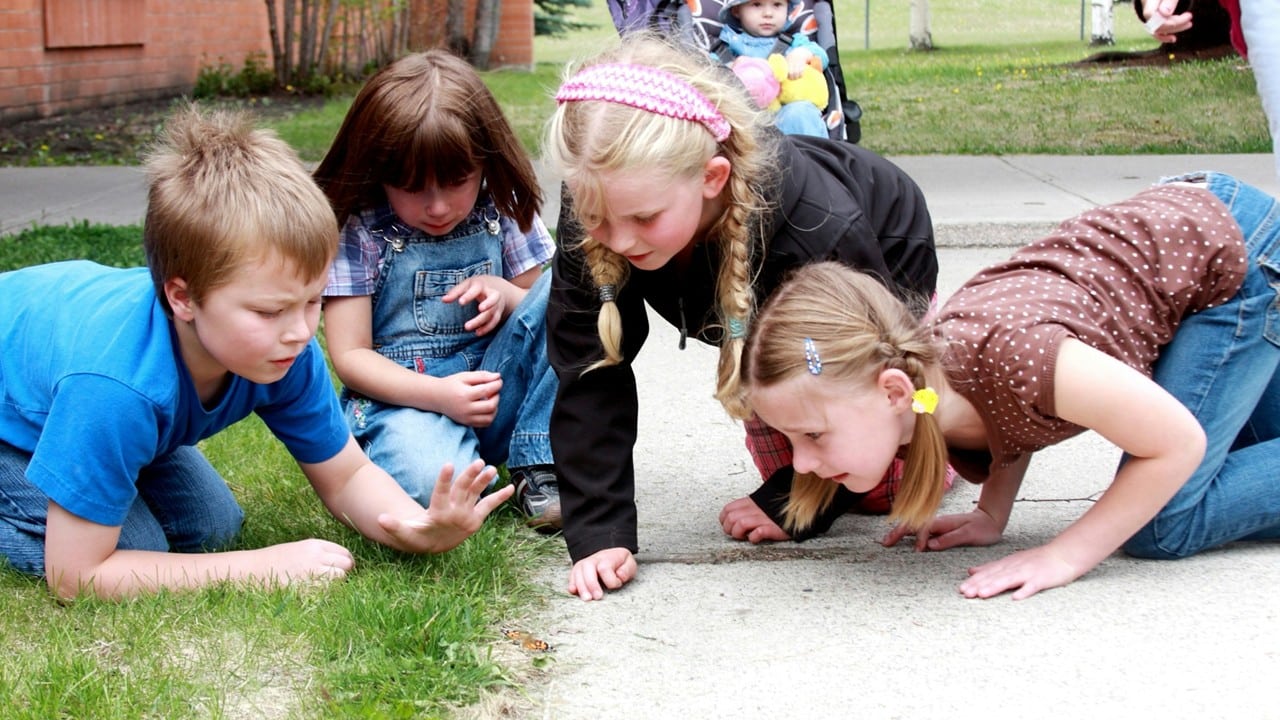
Design for Regulation, Not Control: The Power of Play: Danish schools prioritize movement, outdoor time, and unstructured play as essential components of a student’s day. Students go outside daily, regardless of weather, and "risky play" – activities involving heights, speed, or rough-and-tumble interaction – is actively encouraged. Ripp’s evolving perspective, moving from an instinct to intervene in children wrestling to asking "Are you having fun?", exemplifies this shift. Designated "snowball-fight zones" where children can engage in rougher play with an understanding of potential hits illustrate a pragmatic approach to managing natural childhood impulses rather than suppressing them entirely. Furthermore, play is not required to have an "educational justification." Ripp’s principal’s reaction of "Oh, that’s so fun!" when she took her class for cake and trampoline time at her house, rather than querying learning objectives, highlights a profound cultural difference. Research consistently shows that unstructured play is vital for cognitive development, social-emotional learning, creativity, and stress reduction, yet U.S. schools frequently cut recess time to prioritize academic instruction, often leading to increased behavioral issues and decreased engagement.
Less Homework, More Family Time: Homework in Denmark is minimal and purposeful, especially in elementary grades. Ripp recounts a parent politely pushing back when she assigned books for a research project, stating, "I would like you to focus on what you’re doing in school — we’ve got the evenings covered." This cultural norm protects evenings as family time, recognizing the importance of non-academic activities for child development. The consensus is that children are "expected to be kids," and any homework must be "very specific and manageable." This perspective challenges the U.S. tradition of extensive homework, which often generates family stress, exacerbates inequities for students without adequate home support, and has questionable academic benefits, particularly in younger grades. Studies on homework effectiveness often suggest diminishing returns, especially when it becomes excessive.
Student Voice as an Integral Component: Rather than integrating standalone Social-Emotional Learning (SEL) lessons, Danish schools build student voice and community engagement into the fabric of the school day through a regular "class hour." This dedicated time allows students to discuss real conflicts, navigate social situations, and learn how their choices affect the collective. It’s a space for community building and self-regulation, treating the entire experience as curriculum. This approach reinforces the idea that "schools are for community and not for individualism in Denmark," fostering a strong sense of collective responsibility and civic competence. In the U.S., SEL is often treated as an add-on, a separate curriculum item, rather than an embedded practice of daily school life, potentially limiting its organic impact.
Academic Rigor Without Constant Pressure: Danish schools maintain high academic expectations but without the intense urgency and high-stakes testing environment found in the U.S. Grades, for instance, typically don’t begin until seventh grade. Formal reading instruction starts later, around first grade (equivalent to second grade in the U.S.), and entering kindergarten without knowing all letters is considered normal. Ripp has observed students she initially worried about in first grade blossoming into fluent readers by third grade, underscoring a belief in varied developmental timelines. The philosophy is "fewer things done better." She describes intentionally running two weeks behind on a unit because students were deeply engaged, with no one expressing panic. This patient approach contrasts with the U.S. education system’s early academic push, high-stakes testing from elementary grades, and rigid pacing guides that often prioritize coverage over depth, potentially fostering anxiety and disengagement among students. International assessments like PISA often show Denmark performing well, suggesting that a less pressured, more holistic approach can still yield strong academic outcomes.
Bridging the Divide: Implementing Danish Principles in U.S. Schools
While systemic changes require significant policy shifts, Pernille Ripp emphasizes that individual educators and school leaders in the U.S. can begin implementing elements of the Danish model immediately.
Actionable Steps for U.S. Educators: Ripp’s primary advice to U.S. teachers is to "give myself grace in good enough." She advocates for purposefully slowing down, critically examining the curriculum, and cutting out non-essential elements, even "killing the darlings." This involves engaging students in determining what holds the most meaning and using planned activities as differentiation opportunities, offering varied pathways. The core message is to forgive oneself for doing less, reflecting on the positive impact on one’s own well-being and the quality of student engagement.
Recommendations for Administrators: School leaders can foster trust by verbally affirming their belief in teachers’ competence and by critically reviewing restrictive policies. Loosening requirements for field trips, sign-out procedures, and permission processes can free up teacher energy. Protecting prep time by eliminating interruptions and non-instructional demands is crucial. Rethinking the substitute culture by investing in permanent or recurring substitutes and developing school-wide substitute activity banks can alleviate significant teacher stress.
Rethinking School Design for Students: Administrators and teachers can collaborate to increase outdoor time, encourage unstructured and even "risky" play within safe boundaries, and reduce or eliminate elementary homework. Establishing regular "class hour" or community time, disconnected from specific academic objectives, can build essential social-emotional skills and foster a stronger school community. Most importantly, cultivating an environment where academic rigor coexists with patience and a belief in varied developmental timelines can reduce pressure on both students and teachers.
Broader Impact and Implications:
The insights from Pernille Ripp’s comparison offer a critical opportunity for the U.S. education system to re-evaluate its priorities. While cultural and political contexts differ, the underlying principles of trust, autonomy, and holistic development are universal. Adopting elements of the Danish model could lead to higher teacher retention, reduced burnout, improved student well-being, and potentially more engaged and intrinsically motivated learners. The challenge lies in shifting ingrained institutional habits and overcoming a pervasive culture of accountability that often prioritizes measurable outputs over the nuanced process of human development. However, as Ripp passionately argues, "any system created by people can also be changed by people." The path to a more humane and effective education system in the U.S. may indeed involve doing less, trusting more, and allowing both teachers and students the space to thrive.