

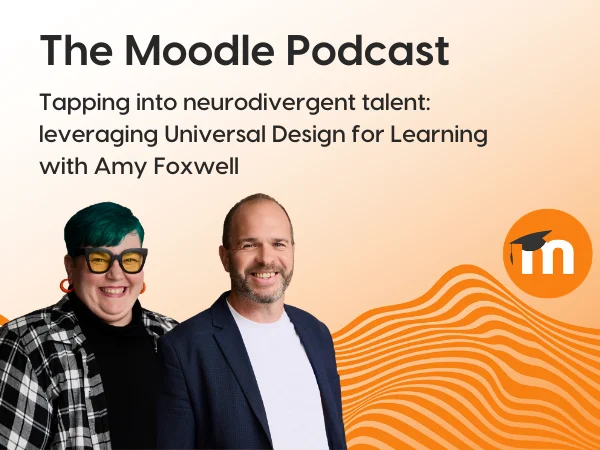
In a recent episode of the Moodle Podcast, Moodle, a globally recognized open-source learning platform, delved into the critical topic of neuro-inclusive design, emphasizing its role in creating universally effective and accessible learning experiences. The discussion, featuring Shalimar and Dan from Moodle and guest Amy Foxwell from ReadSpeaker, a Moodle Certified Integration, underscored a fundamental shift in educational philosophy: moving away from the concept of an "average learner" towards embracing and designing for the inherent diversity of human cognition and learning styles.
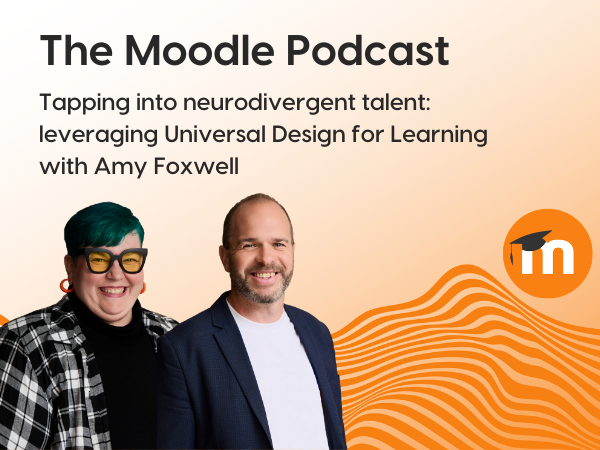
The podcast episode, titled "Tapping into neurodivergent talent: leveraging Universal Design for Learning with Amy Foxwell," highlighted the growing recognition within the education and Learning & Development (L&D) sectors that true inclusivity necessitates a proactive approach to design. Rather than implementing accommodations as an afterthought, the core principle discussed is the creation of learning environments that are inherently flexible and interactive, catering to the broadest possible spectrum of learners from the outset. This aligns directly with the principles of Universal Design for Learning (UDL), a framework that posits variability as the norm, not the exception.
Amy Foxwell articulated that the goal of neuro-inclusive design is to construct learning experiences that do not treat neurodivergent learners as outliers requiring separate support. Instead, the focus is on building systems and content that inherently benefit everyone, beginning at the initial stages of course development. This proactive methodology aims to reduce the cognitive load and emotional burden often placed on neurodivergent individuals in traditional educational settings.
The "Curb-Cut Effect" in Digital Learning
A key concept explored in the podcast is the "curb-cut effect," a phenomenon observed when features initially designed for accessibility end up benefiting a much wider audience. Text-to-speech technology, for instance, was originally developed to assist visually impaired learners. However, its utility has expanded significantly, now proving invaluable for individuals with dyslexia, ADHD, language processing differences, and even for learners who simply prefer to consume content auditorily. This illustrates a powerful synergy where accessibility enhancements naturally elevate the learning experience for all participants, making it more digestible, engaging, and universally accessible.
The implications of this effect are far-reaching. By embracing technologies and design principles that cater to specific needs, institutions can inadvertently create a more robust and adaptable learning ecosystem for everyone. This approach not only enhances the learning journey for individuals with diagnosed neurodivergent conditions but also supports a broader range of learning preferences and situational needs that all learners may experience at different times. For example, a student experiencing fatigue or a temporary cognitive challenge might find text-to-speech equally beneficial as a student with dyslexia.
Addressing the Emotional Toll of "Masking"
The Moodle Podcast episode also shed light on the significant emotional and psychological toll that "masking" can have on neurodivergent learners. Masking refers to the often exhausting process by which individuals consciously or unconsciously modify their behavior to appear "normal" or to fit in with societal expectations within neurotypical environments. In traditional learning settings, where rigid structures and communication styles may prevail, neurodivergent learners often feel compelled to expend considerable energy on masking their authentic selves.
This constant effort to conform can lead to significant burnout, anxiety, and a diminished sense of self-worth. The podcast argued that intentional course design, grounded in neuro-inclusive principles, can directly mitigate this burden. By offering multiple means of engagement, representation, and expression, educators can create spaces where learners feel safer to be themselves, reducing the need for masking and fostering a more authentic and productive learning experience. This can translate into concrete design choices such as providing flexible deadlines, offering varied assessment formats, and encouraging different communication methods.
Neuro-Inclusion as a Catalyst for Innovation and Performance
The discussion extended beyond individual learner well-being to explore the strategic advantages of neuro-inclusive design for organizations and educational institutions. Increasingly, research suggests that environments that embrace neurodiversity are not only more equitable but also more innovative, creative, and performant. Companies that foster neuro-inclusive cultures, for example, are reporting higher rates of problem-solving and a greater capacity for generating novel ideas.
In the context of education, this translates to a more dynamic and effective learning environment. When learners are empowered to engage with material in ways that best suit their cognitive profiles, they are more likely to develop deeper understanding, retain information longer, and apply their knowledge more effectively. This, in turn, can lead to improved academic outcomes and better preparation for the complexities of the modern workforce.
The implications for L&D professionals and educators are significant. Embracing neuro-inclusive design is not merely a matter of compliance or a feel-good initiative; it is becoming a strategic imperative for maximizing human potential and driving organizational success. The podcast suggested that by adopting these principles, institutions can unlock a wealth of untapped talent and foster a more resilient and adaptable learning community.
Background and Context: The Evolving Landscape of Learning
The conversation on the Moodle Podcast emerges against a backdrop of evolving understanding of learning and cognition. Historically, educational models have often been standardized, assuming a uniform learner who absorbs information and demonstrates knowledge in predictable ways. However, decades of research in neuroscience, psychology, and education have increasingly demonstrated the vast variability in how individuals learn, process information, and interact with their environment.
The rise of digital learning platforms like Moodle has presented both challenges and opportunities in this regard. While digital tools can offer unprecedented flexibility and personalization, they can also, if not designed thoughtfully, exacerbate existing inequalities or create new barriers for certain learners. The integration of Moodle Certified Integrations, such as ReadSpeaker, signifies a commitment from Moodle to partner with technology providers that enhance the platform’s ability to support diverse learning needs.
The UDL framework, developed by the Center for Applied Special Technology (CAST), has been instrumental in guiding educators and designers toward creating more inclusive learning experiences. UDL’s core principles – providing multiple means of engagement, representation, and action and expression – offer a practical roadmap for designing curricula and learning environments that cater to the diverse needs of all learners. The Moodle Podcast episode served as a platform to disseminate these principles and demonstrate their practical application within the Moodle ecosystem.
Timeline of Understanding and Implementation
The journey towards neuro-inclusive design can be traced through several key stages:
- Early 20th Century: Recognition of specific learning disabilities and the development of specialized educational approaches for students with perceived deficits.
- Late 20th Century: The emergence of the concept of "disability studies" and a shift from a medical model to a social model of disability, emphasizing environmental barriers.
- 1990s: The genesis of Universal Design for Learning (UDL) principles by CAST, advocating for proactive design that benefits all learners.
- Early 2000s: Increased adoption of assistive technologies and digital tools in education, leading to observations of the "curb-cut effect."
- 2010s onwards: Growing awareness and discourse around neurodiversity, advocating for the acceptance and accommodation of cognitive variations. This period has seen increased focus on concepts like neuro-inclusive design and its application in workplaces and educational settings.
- Present Day: The Moodle Podcast episode exemplifies the current trend of integrating neuro-inclusive design principles as a core component of effective and equitable learning strategies, leveraging digital platforms to achieve these goals.
Supporting Data and Research
While the podcast itself is an auditory medium, the concepts discussed are underpinned by a growing body of research. Studies on neurodiversity in the workplace, for instance, have indicated that neurodivergent individuals often possess exceptional skills in areas such as pattern recognition, attention to detail, and logical thinking. A 2021 report by EY and Exceptional Ed indicated that companies with inclusive neurodiversity programs are reporting enhanced innovation and productivity.
Research on UDL consistently shows its effectiveness in improving learning outcomes for a wide range of students, not just those with disabilities. A meta-analysis published in the Review of Educational Research in 2018 found that UDL interventions had a statistically significant positive effect on student engagement and academic achievement.
Furthermore, the psychological impact of masking is well-documented in academic literature. Studies on autistic adults, for example, frequently link masking behaviors to increased anxiety, depression, and social exhaustion. By reducing the need for masking, educational environments can contribute to improved mental well-being among learners.
Broader Impact and Implications
The implications of embracing neuro-inclusive design extend far beyond individual learning experiences. For educational institutions, it signifies a commitment to equity and social justice, ensuring that all learners have the opportunity to reach their full potential. This can lead to increased enrollment, higher retention rates, and a more positive reputation.
For L&D departments within organizations, adopting neuro-inclusive strategies can unlock a significant talent pool and foster a more innovative and productive workforce. As the nature of work continues to evolve, adaptability and diverse cognitive approaches become increasingly valuable assets.
Moreover, the principles of neuro-inclusive design align with broader societal movements towards greater acceptance and celebration of human diversity. By creating learning environments that are inherently inclusive, we contribute to a more equitable and understanding society. The Moodle Podcast episode serves as a valuable resource for educators, L&D professionals, and anyone interested in the future of learning, providing actionable insights and a compelling argument for making neuro-inclusion a cornerstone of effective educational practice.
The Moodle Podcast episode concludes with an invitation for listeners to engage further with the topic, encouraging them to follow the Moodle Podcast for ongoing discussions on learning, technology, and inclusivity. The episode is available for streaming, offering a deep dive into how embracing neurodiversity can be a strategic advantage, with practical tips for course designers and a comprehensive exploration of Universal Design for Learning principles.