



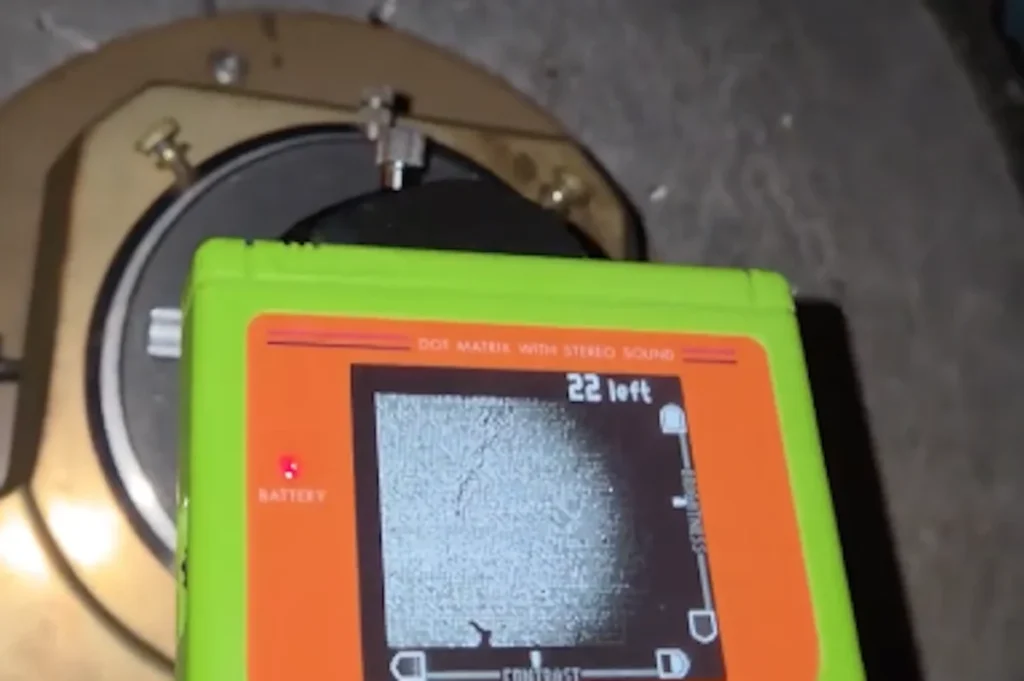
In an era defined by the high-resolution capabilities of the James Webb Space Telescope and the crisp, multi-gigapixel captures of modern digital sensors, an experiment recently conducted at the Mount Wilson Observatory in California has turned the focus toward the opposite end of the technological spectrum. Chris Graue, a musician, director, and prominent retro-technology enthusiast, successfully utilized a 26-year-old Nintendo Game Boy Camera to capture images of Jupiter through one of the world’s most historically significant telescopes. By mounting a handheld gaming peripheral from 1998 onto the observatory’s 60-inch telescope, Graue demonstrated a unique convergence of 20th-century consumer electronics and early 20th-century scientific infrastructure.
The experiment, which has garnered significant attention across social media and within the retro-gaming community, serves as a testament to the enduring curiosity of amateur astronomers and the versatility of hardware long considered obsolete. While the resulting images lack the clarity of professional astrophotography, they provide a distinct, pixelated perspective of the solar system’s largest planet, identifying atmospheric features that were once the cutting edge of astronomical discovery.
Technical Execution and Custom Modifications
The Game Boy Camera, released by Nintendo in 1998, was a pioneer in the democratization of digital photography. However, its internal hardware was never intended for scientific application. The device utilizes a CMOS sensor capable of capturing images at a resolution of 128×128 pixels, though the actual image output is typically cropped to 128×112 pixels. The sensor renders images in a four-color grayscale palette, a limitation of the original Game Boy’s hardware architecture.
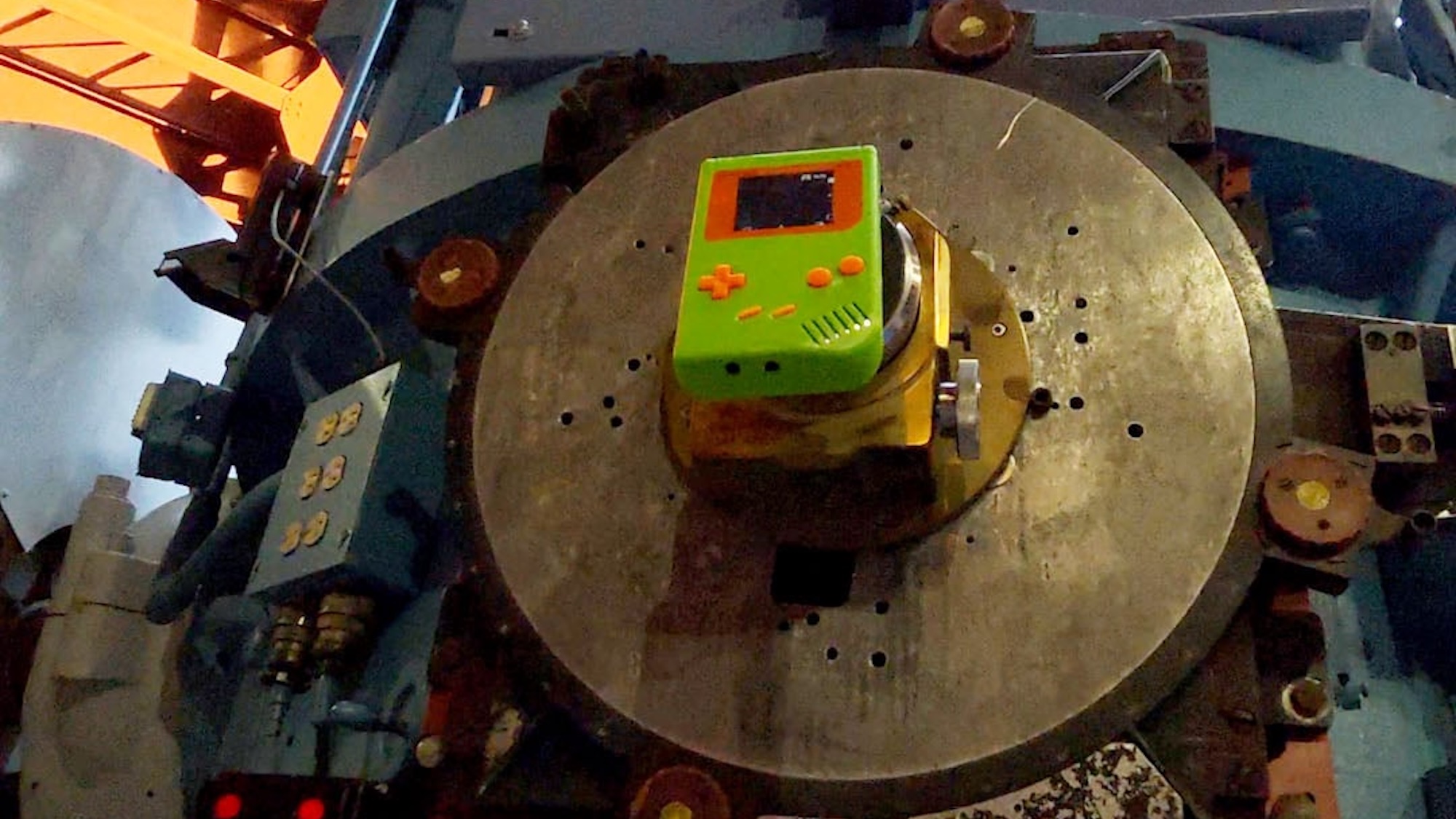
To bridge the gap between a 1990s toy and a massive research-grade telescope, Graue and his collaborators employed a series of technical modifications. The process began with the removal of the Game Boy Camera’s stock lens, which was replaced with a C-mount lens system. This modification is a common practice among "Game Boy Camera" enthusiasts, as it allows the sensor to interface with professional-grade optics.
To secure the modified Game Boy Camera to the Mount Wilson 60-inch telescope, the team utilized a custom, 3D-printed adapter. This component allowed the camera to slide directly into the telescope’s eyepiece, effectively utilizing the massive 60-inch (1.5-meter) mirror as its primary lens. In this configuration, the Game Boy Camera was shooting through a focal length equivalent to approximately 730,000 millimeters. This extreme magnification turned the gas giant, located hundreds of millions of miles away, into a subject large enough to be registered by the Game Boy’s primitive 0.016-megapixel sensor.
The Observation Process: From the Moon to Jupiter
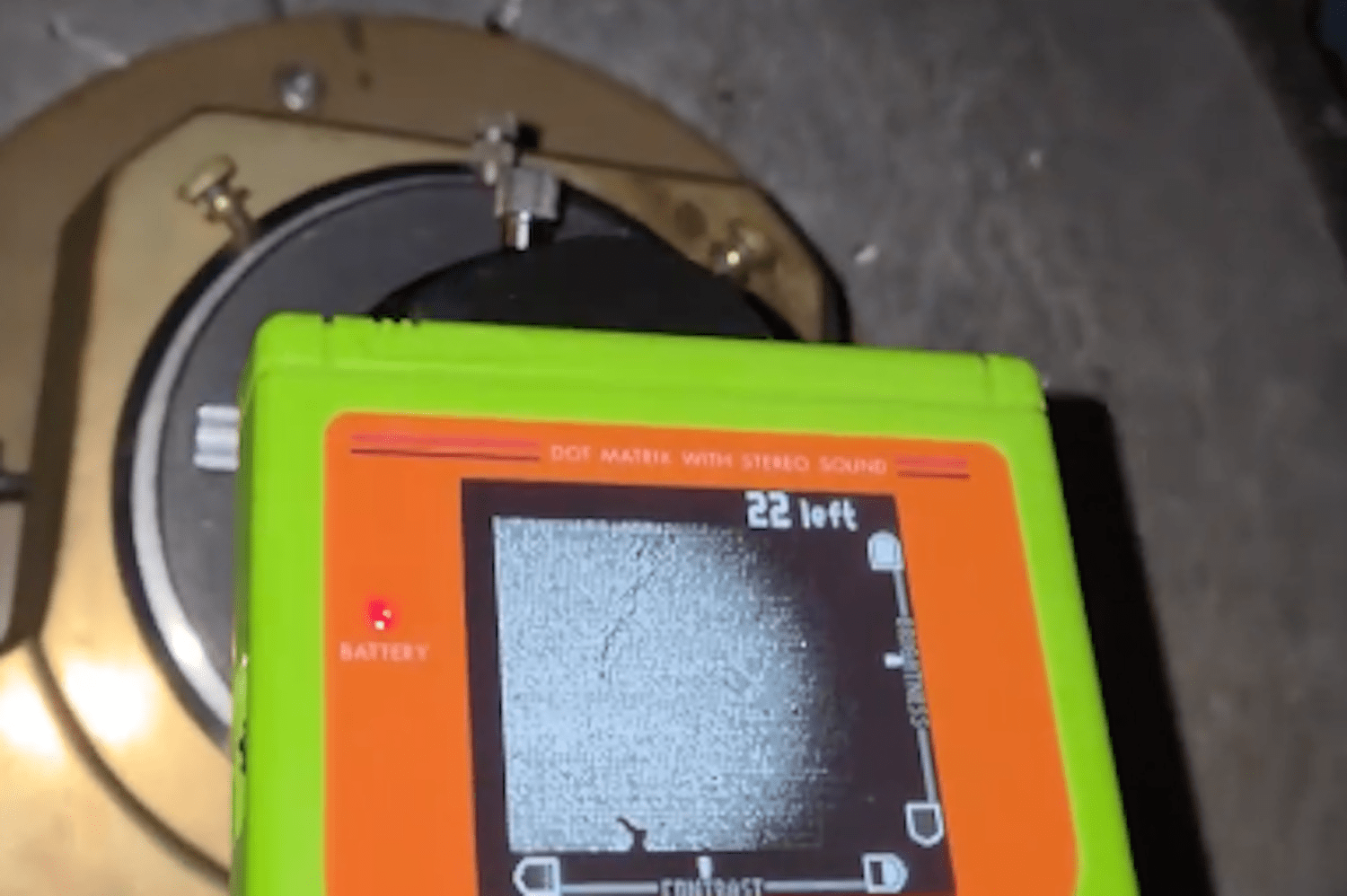
The team’s initial target for the night was Earth’s moon. Given its proximity and brightness, the moon is typically the primary subject for amateur astrophotographers. However, the sheer power of the 60-inch telescope proved to be a hindrance in this specific context. Graue reported that the moon was "too close" and too bright for the setup; the magnification was so intense that the resulting images showed only indistinguishable textures of the lunar surface rather than recognizable craters or maria.
“What I see is cool, but it’s not identifiably the moon,” Graue noted during his documentation of the event. The light sensitivity of the CMOS sensor in the Game Boy Camera was quickly overwhelmed by the lunar albedo when amplified by the telescope’s massive aperture.
Shifting the focus to Jupiter provided the necessary balance of distance and scale. At the time of the observation, Jupiter was positioned at an average distance of approximately 444 million miles from Earth. Through the 60-inch telescope, the planet appeared as a distinct disc. Despite the severe resolution constraints of the Game Boy hardware, Graue was able to capture the horizontal cloud stripes that characterize Jupiter’s atmosphere. The resulting photographs, though grainy and consisting of only four shades of gray, clearly depict the curvature of the planet and the distinct banding of its equatorial belts.
Historical Context of the Mount Wilson Observatory
The choice of Mount Wilson Observatory as the site for this experiment adds a layer of historical irony. Established in 1904 by George Ellery Hale, the observatory was the site of some of the most important astronomical breakthroughs of the 20th century. The 60-inch telescope, completed in 1908, was the largest operational telescope in the world until the completion of the 100-inch Hooker Telescope at the same site in 1917.
It was at Mount Wilson that Harlow Shapley discovered that the Sun was not at the center of the Milky Way, and Edwin Hubble provided the first evidence that the universe is expanding. The 60-inch telescope itself has a storied history with Jupiter; according to historical accounts, including those by the English poet Alfred Noyes, Jupiter was the first object viewed during the "first light" event of the 100-inch telescope in 1917. By returning to this subject with a Game Boy Camera, Graue’s project created a bridge between the pinnacle of 1908 optics and the peak of 1998 handheld entertainment.
The Legacy of the Game Boy Camera
Nintendo’s Game Boy Camera was a significant cultural phenomenon upon its release. It was recognized by the Guinness World Records in 1999 as the world’s smallest digital camera. Despite its limitations—specifically its receipt-paper thermal printer and lack of digital export options at the time—it sold millions of units before being discontinued in 2002.
In the decades since its discontinuation, a dedicated "cult following" has emerged. Developers have created modern hardware interfaces to extract images directly from the Game Boy’s link port, and photographers have used the device to shoot everything from Formula 1 races to fashion editorials. The appeal lies in the "lo-fi" aesthetic, which stands in stark contrast to the AI-enhanced, ultra-sharp imagery of modern smartphones. Graue’s successful capture of Jupiter represents perhaps the most extreme application of the hardware to date, pushing the sensor to its absolute physical limits.
Analysis of Implications and the "Lo-Fi" Movement
The success of Graue’s experiment highlights several trends in modern technology and hobbyist science. First, it underscores the ongoing "democratization" of astronomy. While professional observatories are typically reserved for high-level research, many historical facilities, including Mount Wilson, offer public viewing nights or rental opportunities, allowing enthusiasts to pair high-end optics with creative, non-traditional sensors.
Second, the project reflects the rise of "retro-futurism" in digital art. The desire to see the cosmos through the "eyes" of 1990s technology is a form of aesthetic exploration. By stripping away the clarity of modern sensors, the viewer is forced to focus on the raw geometry and basic features of the celestial body. The graininess of the Game Boy images evokes a sense of nostalgia while simultaneously highlighting the incredible distance and scale of the gas giant.
Finally, the technical feat of 3D printing custom adapters and modifying old hardware speaks to the "maker" culture. The ability to manufacture precise components at home has allowed hobbyists to interface incompatible technologies, creating hybrid systems that would have been impossible or prohibitively expensive a decade ago.
Reactions and Future Prospects
While official representatives from Nintendo or Mount Wilson Observatory have not issued formal statements regarding the specific photoshoot, the broader astronomical community has viewed the project as a successful exercise in public engagement. Educational outreach programs often struggle to make complex astronomical concepts relatable; seeing a familiar childhood toy used to photograph a planet provides a tangible entry point for the general public.
Graue’s conclusion was one of triumph for the "committed" hobbyist. “The answer is yes—if you are committed enough, you, too, can take a picture of Jupiter with your Game Boy Camera,” he stated.
As retro-tech enthusiasts continue to find new ways to repurpose vintage hardware, it is likely that other planets—Saturn and its rings being a primary candidate—will eventually be viewed through the lens of the Game Boy Camera. For now, the images of Jupiter’s cloud bands, rendered in four shades of gray and 128 pixels, remain a unique milestone in the history of amateur astrophotography, proving that even the simplest sensors can capture the grandeur of the solar system when backed by enough glass and ingenuity.