



A comprehensive annual survey conducted by Glisten has revealed a deeply concerning trend: two-thirds of LGBTQ+ students reported feeling unsafe at school during the 2024-25 academic year due to their sexual orientation, gender identity, or expression. This stark statistic underscores a pervasive environment of vulnerability within educational institutions, impacting the well-being and academic engagement of a significant portion of the student population. The findings, released on April 3, 2026, by journalist Naaz Modan, highlight a critical disconnect between the stated goals of fostering inclusive learning environments and the lived experiences of LGBTQ+ youth.
A Climate of Fear and Harassment
The Glisten survey data paints a grim picture of the daily realities faced by LGBTQ+ students. Beyond the overarching feeling of unsafety, a significant majority, over 60%, reported experiencing harassment or assault directly linked to their identity. This pervasive hostility extends to their engagement with education itself, with only one in three LGBTQ+ students reporting that they "frequently" or "often" look forward to attending school. This lack of anticipation for school signals a profound disengagement, likely stemming from the constant threat of discrimination and mistreatment.
Melanie Willingham-Jaggers, CEO of Glisten, emphasized the critical distinction between mere tolerance and genuine affirmation. "Safety is not just the absence of harm; it is active affirmation," Willingham-Jaggers stated in a release accompanying the survey results. "To educators, families, and policymakers: LGBTQ+ students are telling us what they need. The question is whether we are willing to listen and to build schools that don’t just tolerate them but actively affirm and protect their right to learn and belong." This call to action directly challenges educational leaders and lawmakers to move beyond superficial gestures and implement concrete measures that foster a truly supportive and inclusive atmosphere.
The Impact of Policy on Student Well-being
The survey findings arrive at a time of intensified legislative and policy debates surrounding LGBTQ+ rights in educational settings. Particularly in Republican-led states, a wave of policies has emerged that restrict the ways schools can support LGBTQ+ students. These legislative actions often target specific aspects of student life, including access to facilities that align with a student’s gender identity, the use of pronouns that differ from the sex assigned at birth, and the inclusion of curriculum that reflects LGBTQ+ experiences. Such policies, often framed under the guise of parental rights, can inadvertently create an environment of fear and marginalization for LGBTQ+ students, directly contributing to the feelings of unsafety reported in the Glisten survey.
The implications of these policies are far-reaching. By limiting the ability of schools to affirm LGBTQ+ identities, they can exacerbate feelings of isolation and otherness. When schools are unable to support students in their authentic expression, it can lead to increased anxiety, depression, and a decline in academic performance. The Glisten report indicates that while hostile school climates are prevalent, certain protective factors do contribute to a higher sense of belonging and improved academic outcomes for LGBTQ+ students. Identifying and amplifying these factors is crucial for developing effective support strategies.
Federal Scrutiny and Title IX Investigations
In parallel to state-level policy shifts, the U.S. Department of Education has also been actively involved in scrutinizing school policies related to LGBTQ+ inclusivity. The department has, in several instances, threatened to withhold federal funds from school districts whose policies are deemed to be discriminatory against LGBTQ+ students. This federal intervention aims to enforce existing civil rights protections, particularly those under Title IX, which prohibits sex-based discrimination in education.
A recent example of this federal oversight occurred with the opening of a Title IX investigation into New Hampshire’s Contoocook Valley School District. This investigation was initiated following reports that transgender students were being permitted to use school facilities that align with their gender identities. This action by the Department of Education underscores the federal government’s role in ensuring that schools adhere to anti-discrimination laws and do not create environments where LGBTQ+ students are denied equal access or are subjected to differential treatment.
This particular investigation is not an isolated incident. It represents part of a larger pattern of federal enforcement and scrutiny. Since the beginning of President Donald Trump’s second term in office, the Department of Education has launched over 30 similar probes into school districts across the nation. These investigations frequently arise from concerns over policies that facilitate gender support plans, grant access to facilities, or allow for the use of LGBTQ+-affirming pronouns. The frequency of these federal actions highlights a persistent tension between differing interpretations of student rights and school responsibilities concerning LGBTQ+ inclusion.
Historical Context and Evolving Landscape
The current landscape of LGBTQ+ rights in schools has been shaped by decades of advocacy, legal challenges, and evolving societal understanding. The landmark Supreme Court decision in Obergefell v. Hodges (2015), which legalized same-sex marriage nationwide, was a significant moment in advancing LGBTQ+ equality. However, the fight for full inclusion and protection in educational settings has continued, facing resistance from various political and social factions.

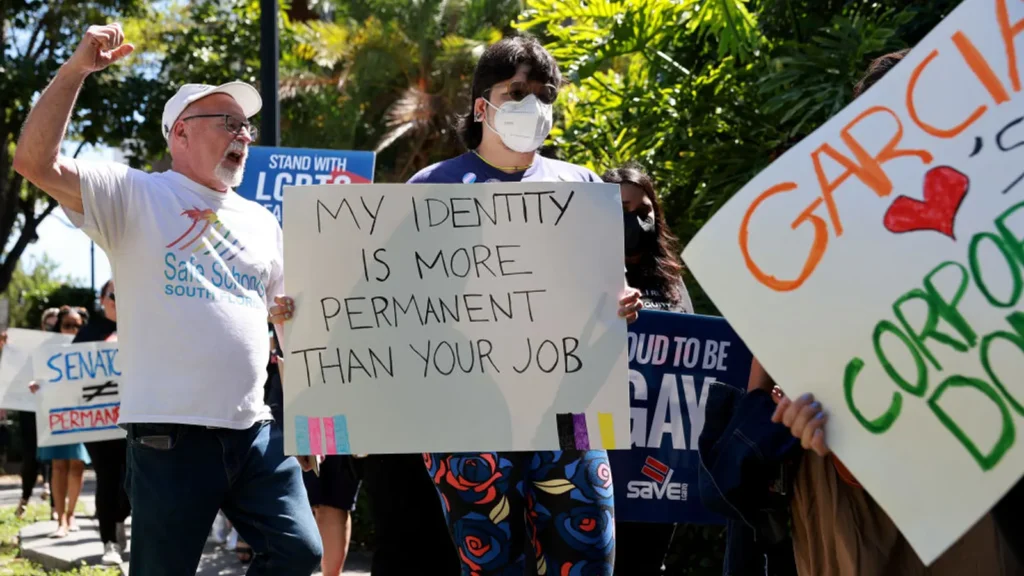
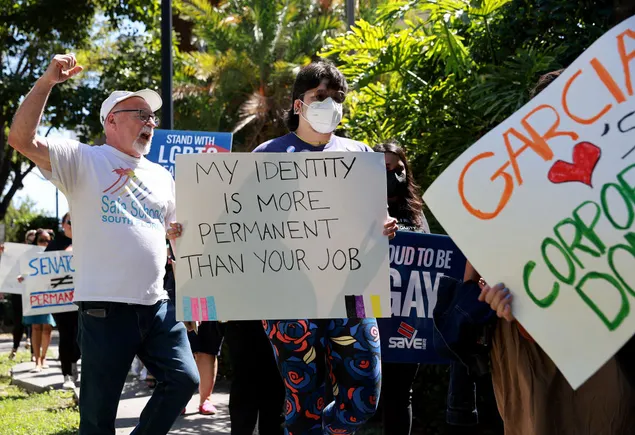
The "Don’t Say Gay" bill, officially titled the Parental Rights in Education Act, passed in Florida in March 2022, serves as a prominent example of legislative efforts to restrict discussions of sexual orientation and gender identity in schools. This bill, and similar legislation in other states, has been criticized by LGBTQ+ advocates and allies for creating a chilling effect on educators and fostering an environment where LGBTQ+ students feel invisible or stigmatized. The image accompanying this report, depicting protesters at a demonstration following the passage of Florida’s bill, serves as a visual reminder of the public outcry and ongoing activism surrounding these issues.
The Glisten survey’s findings, reflecting data from the 2024-25 school year, indicate that the concerns raised by such legislative actions continue to have a profound impact on students. The persistence of high rates of feeling unsafe and experiencing harassment suggests that the challenges faced by LGBTQ+ students are not diminishing and may, in fact, be exacerbated by the current policy climate.
Factors Contributing to a Sense of Belonging
Despite the overwhelming challenges, the Glisten survey also identified factors that contribute to a greater sense of belonging among LGBTQ+ students. These positive influences are crucial for developing strategies that can mitigate the negative effects of hostile school environments. While specific details about these factors are not fully elaborated in the initial summary, the implication is that intentional interventions and supportive school cultures can make a significant difference.
Potential factors that foster belonging could include:
- Visible LGBTQ+ Representation: The presence of openly LGBTQ+ staff, teachers, and administrators can provide role models and a sense of community for students.
- Inclusive Curriculum and Resources: Access to books, lesson plans, and educational materials that accurately and positively represent LGBTQ+ identities and history can help students feel seen and validated.
- Supportive School Policies: Clearly articulated and enforced policies that prohibit discrimination and harassment based on sexual orientation and gender identity, alongside proactive measures to support LGBTQ+ students, are essential.
- Student-Led Organizations: The existence and support of LGBTQ+ student groups, such as Gay-Straight Alliances (GSAs), can provide a safe space for students to connect, share experiences, and advocate for their needs.
- Positive Peer Relationships: Fostering a school culture where all students are encouraged to be respectful and inclusive of their peers can lead to stronger peer support networks.
- Open Communication and Safe Spaces: Creating opportunities for dialogue about LGBTQ+ issues and establishing designated safe spaces where students can seek support from trusted adults can be highly beneficial.
The Path Forward: Affirmation and Action
The data from Glisten’s annual survey serves as a critical wake-up call. The continued prevalence of unsafety and harassment experienced by LGBTQ+ students demands immediate and sustained attention from educators, policymakers, and communities. The CEO’s statement, emphasizing "active affirmation" over mere absence of harm, points towards a necessary shift in approach.

Moving forward, the focus must be on implementing evidence-based strategies that create truly affirming and protective school environments. This includes:
- Robust Anti-Bullying and Anti-Harassment Policies: These policies must be comprehensive, clearly communicated, and consistently enforced to address all forms of discrimination.
- Comprehensive LGBTQ+-Inclusive Curriculum: Integrating accurate and age-appropriate information about LGBTQ+ history, identities, and issues into the curriculum can promote understanding and empathy.
- Professional Development for Educators: Providing educators with training on LGBTQ+ issues, cultural competency, and strategies for supporting LGBTQ+ students is crucial.
- Support for LGBTQ+ Student Groups: Empowering and supporting student-led organizations can provide vital peer support and advocacy opportunities.
- Collaboration with LGBTQ+ Organizations: Partnering with external LGBTQ+ advocacy and support groups can offer valuable resources and expertise.
- Protecting Student Privacy and Rights: Ensuring that schools uphold the rights of transgender and gender non-conforming students regarding facility access, pronoun usage, and gender support plans is paramount.
The Glisten survey’s findings for 2024-25 underscore the urgent need to move beyond tolerance and embrace genuine inclusion. The well-being and academic success of LGBTQ+ students depend on creating educational spaces where they not only feel safe but are actively affirmed, respected, and empowered to learn and thrive. The question remains whether the collective will exists to translate these findings into meaningful action and systemic change.