


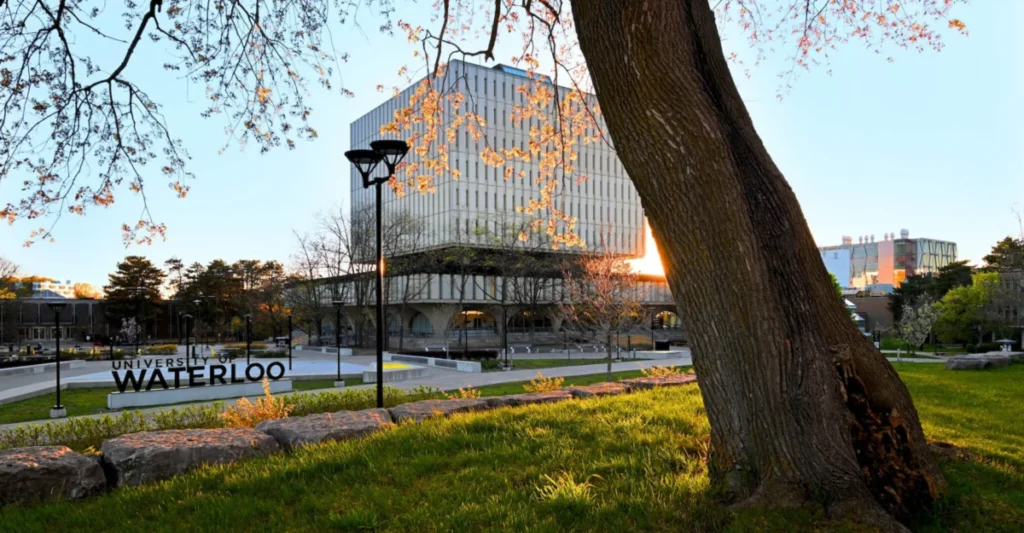
The rapid acceleration of artificial intelligence has pushed the boundaries of modern technology, yet the institutional structures governing higher education have often struggled to keep pace. At the University of Waterloo, the Faculty of Arts has launched a comprehensive structural reorganization designed to bridge the traditional divide between the humanities and STEM disciplines. By consolidating 17 academic units into six distinct schools, the university aims to foster a more integrated approach to research and teaching, positioning arts graduates to address the ethical, social, and policy-related complexities inherent in a technology-driven global economy.
The initiative represents a fundamental shift in how universities perceive the value of liberal arts in an era dominated by concerns over employability and technological disruption. As AI tools reshape industries—from software development to creative production—the demand for professionals who can navigate both technical systems and human-centric ethics has never been greater.
A Chronology of Institutional Transformation
The transition at the University of Waterloo was not an overnight decision but the culmination of a deliberate, two-year strategic planning process. Beginning in early 2024, the Faculty of Arts initiated an extensive consultation phase, recognizing that any attempt to force structural change from the top down would likely encounter resistance.
The project was managed by an interdisciplinary working group that prioritized transparency and stakeholder engagement. Over a 24-month period, the committee conducted 101 distinct events, including formal town halls, departmental consultations, and informal roundtable discussions. These sessions involved not only faculty and staff from the Faculty of Arts but also representatives from the university’s five other faculties, ensuring that the new structure would facilitate, rather than hinder, cross-departmental collaboration.
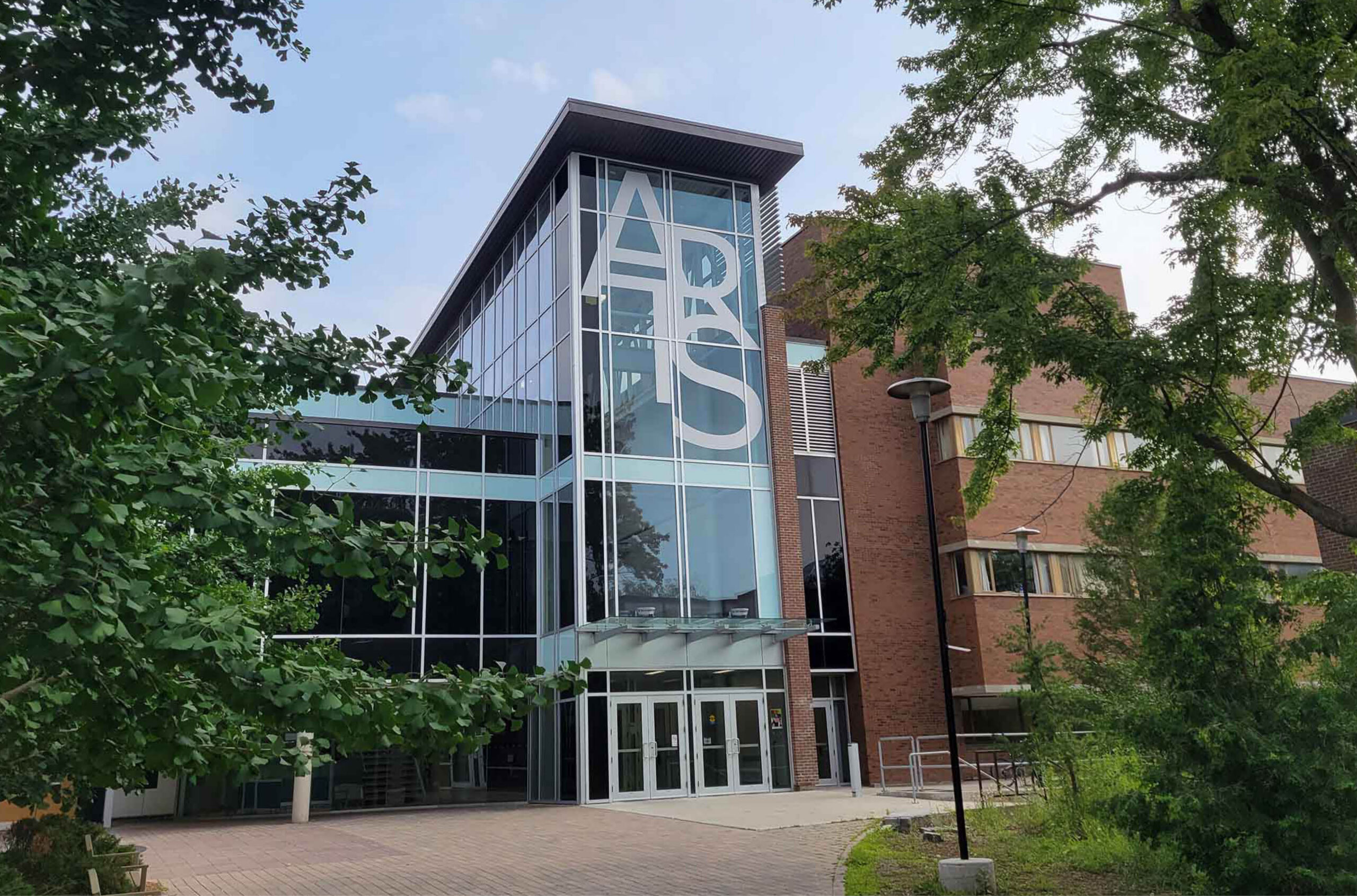
The result of this consultative period was an unprecedented mandate for change. When the final proposal was brought to a vote, 84 percent of Arts faculty members and 95 percent of staff supported the reorganization. This high level of internal consensus suggests that the academic community recognized the inherent limitations of the legacy structure and was ready to embrace a model better suited to modern interdisciplinary inquiry.
Addressing the Skills Gap and Employability
A central driver for this reorganization is the increasing pressure from students, parents, and policymakers to demonstrate the tangible value of an Arts degree. In a competitive labor market, graduates must possess more than just subject-matter expertise; they require the ability to apply critical thinking, ethical reasoning, and data literacy to complex, real-world problems.
Recent data from organizations like the World Economic Forum consistently highlight that "soft skills"—such as analytical thinking, creative problem-solving, and emotional intelligence—are among the most sought-after traits by employers in the AI age. By reorganizing into schools that encourage internal and external linkages, the University of Waterloo is creating clear pathways for students to pair their humanistic studies with technical electives.
One of the first fruits of this restructuring is the launch of a new minor in AI and data analytics for society. This curriculum is designed to be accessible to students across all six schools, reflecting a commitment to ensuring that technological literacy is not confined to engineering or computer science departments. By embedding data analysis within the context of ethics and public policy, the university is effectively preparing its students to act as the "checks and balances" that critics argue are currently missing from the rapid development of corporate AI technologies.
The Financial and Structural Rationale
While many North American universities have turned to restructuring as a reactive measure to address fiscal deficits or declining enrollment, the University of Waterloo’s approach serves as a contrast to the common, often contentious, "corporate" models seen elsewhere. Recent high-profile reorganizations in the United States have faced significant pushback from faculty and student unions, often characterized by perceived administrative overreach and the erosion of departmental autonomy.
Waterloo’s leadership emphasizes that this reorganization was not born from a need to manage short-term financial distress. Planning for the transition began well before the current period of instability in the Canadian post-secondary sector, which has been marked by federal funding reductions and international student enrollment caps.
Crucially, the university maintained that the reorganization did not result in layoffs. Instead, the model focuses on administrative efficiency and pedagogical integration. By moving from 17 smaller units to six larger, more agile schools, the university expects to better manage the long-term challenge of faculty retirements and succession planning, ensuring that academic programs remain robust even as personnel shift over the coming decade.
Implications for Global Higher Education
The broader implications of the Waterloo model are significant. As universities grapple with the "innovation versus integrity" debate, the necessity of embedding humanities perspectives into technical research has become a core concern.
Historically, the academy has been defined by the separation of the "two cultures"—the scientific and the literary—a divide famously articulated by C.P. Snow. However, the most pressing challenges of the 21st century, including climate change, AI ethics, and systemic social inequality, do not respect these academic boundaries.
The University of Waterloo’s approach advocates for a return to a more holistic view of the academy, reminiscent of polymaths like Leonardo Da Vinci or René Descartes, whose work famously transcended modern disciplinary labels. By facilitating research that bridges the humanities and STEM, the university is attempting to prove that disciplinary excellence and interdisciplinary collaboration are not zero-sum games; rather, they are mutually reinforcing.
Official Perspectives and Future Outlook
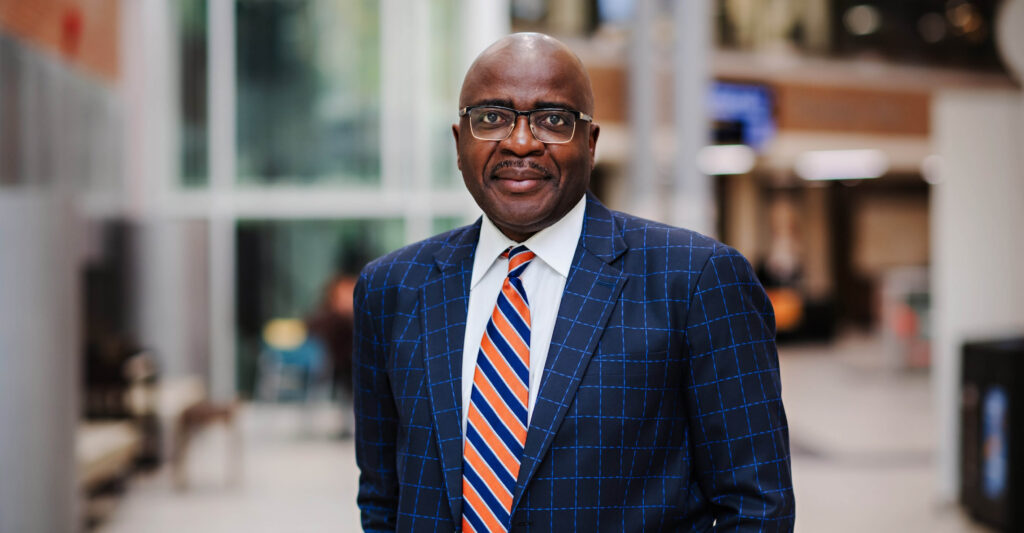
Dr. Alexie Tcheuyap, Dean of Arts at the University of Waterloo, has positioned this transition as a "watershed moment." The success of the project thus far—demonstrated by the launch of an interdisciplinary research fund that is currently supporting five major cross-school initiatives—suggests that the new structure is already yielding academic results.
Observers from other institutions have noted that while the Waterloo model is not a universal solution, the underlying question it poses is one that every academic leader must confront: Do the existing organizational structures of our universities hinder the ability of scholars to address the rapid, often chaotic changes occurring in the wider world?
As universities around the world continue to face the dual pressures of economic contraction and the technological disruption of the workforce, the University of Waterloo’s experience serves as a case study in how institutional agility can be achieved through consensus-building. If the ultimate goal of higher education is to prepare society for the challenges of tomorrow, then the structure of that education must itself be capable of evolving.
By prioritizing collaboration over isolation, the Faculty of Arts at Waterloo is attempting to ensure that the humanities remain relevant, influential, and central to the technological developments that will define the coming century. The move to reorganize is, in essence, a recognition that for the arts to survive and thrive in a world of rapid innovation, they must stop operating as a separate entity and instead serve as the essential, critical foundation upon which all other disciplines rely.